Books are easy to damage while trying to save them. A paperback cover starts to peel, a hardcover hinge cracks, a page loosens, or a spine leans from years of being pulled off the shelf by the top edge. The urge is to reach for clear tape, glue the gap shut, and press the book under something heavy. Sometimes that helps an ordinary book survive a few more reads. Sometimes it makes brittle paper tear, traps pages out of alignment, stains the cover, or turns a repairable hinge into a sticky failure.
Identify The Kind Of Book Before The Fix
A paperback, casebound hardcover, sewn signature book, glued text block, spiral binding, and board book all fail differently. A paperback page may loosen because the glue at the spine has dried or cracked. A hardcover may have a sound text block but a torn hinge where the cover meets the first page. A sewn book may have one loose signature while the rest of the structure remains strong. Treating every book like a stack of loose paper is how repairs become messy.
Open the book gently and look at where movement begins. Does the page detach by itself, or is a group of pages moving together? Is the cover separating from the spine cloth, or is the text block pulling away from the case? Is the paper flexible, brittle, glossy, coated, or already tearing at the edge? Write one plain note before touching anything. The habit from The 10-Minute Triage helps here because a book often looks worse when it is open than when the actual failure is named.
Tape Is Usually A Short-Term Tradeoff
Clear household tape feels satisfying because it works immediately. It is also one of the most common ways to make paper repairs age badly. Many tapes yellow, dry out, ooze adhesive, stiffen the page, pull fibers when removed, or leave a shiny band that changes how the paper flexes. On an ordinary workbook, a cheap paperback, or a book that only needs to survive a short season, that tradeoff may be acceptable. On a valued book, it is usually the wrong first move.
If tape already exists, do not peel it aggressively. Old tape may have become part of the paper surface. Removing it can lift ink, fibers, or coating. Photograph it and decide whether the repair goal is function, appearance, or preservation. Those are different goals. A child’s much-loved paperback may need gentle stabilization so it can be read tonight. A family cookbook with notes in the margins may need a repairer who understands paper, adhesive, and future handling.
Loose Pages Need Alignment More Than Glue Volume
A loose page repair can fail because the page is crooked, not because there was too little glue. Dry-fit the page first. Close the book gently and see whether the edge lines up with neighboring pages. If the page sits proud, twisted, or too deep into the spine, adding adhesive will lock that mistake in place. Use small amounts of appropriate adhesive only on ordinary books where you accept the risk, and keep glue away from printed areas and page edges that need to open freely.
Wax paper or a nonstick barrier can protect nearby pages while drying. Light, even weight can help, but crushing a damp repair under a heavy stack can squeeze adhesive where it does not belong. Wipe excess immediately with care. If the paper is thin, coated, glossy, or fragile, stop before moisture or adhesive creates ripples.
Hinges And Spines Are Structural
The hinge of a hardcover is not merely decorative. It lets the cover open while supporting the text block. A cracked hinge may show as a gap after the cover opens, a loose first page, or mesh-like material visible near the spine. Gluing the cover flat to the first page can make the book harder to open and stress the repair each time it is read. Proper hinge repair may involve specific paper, cloth, adhesive, and drying support.
The spine of a paperback is also more than a strip. It holds the pages in sequence and gives the book its opening behavior. If the glue has failed across a long section, a single bead squeezed into the crack may create a stiff ridge while pages continue to loosen beside it. A book that is read often may need rebinding, replacement, or acceptance that a neat home repair will be temporary.
Drying, Pressing, And Shelving Matter
Book repairs need time. Do not test the page every few minutes. Let the repair dry fully under gentle, even pressure with barriers where needed. Keep the book flat if the repair calls for it, and avoid forcing it open during curing. When it returns to the shelf, support it upright with neighbors of similar height. A book that leans hard on a shelf slowly twists its spine. Oversized books stored upright without support can sag. Heavy books stacked too high can deform the ones below.
Water damage deserves special caution. Damp books can grow mold, stain, warp, and transfer odor. Do not seal a damp book in plastic and hope it improves. Do not add heat from a hair dryer to a valued book. If the book is ordinary and only slightly damp, air movement and absorbent interleaving may help, but any mold, sewage, unknown contamination, or valuable material should move the decision out of casual repair. When Not to DIY applies to objects as humble as books when health risk or value changes the stakes.
Build A Small Book-Care Kit Carefully
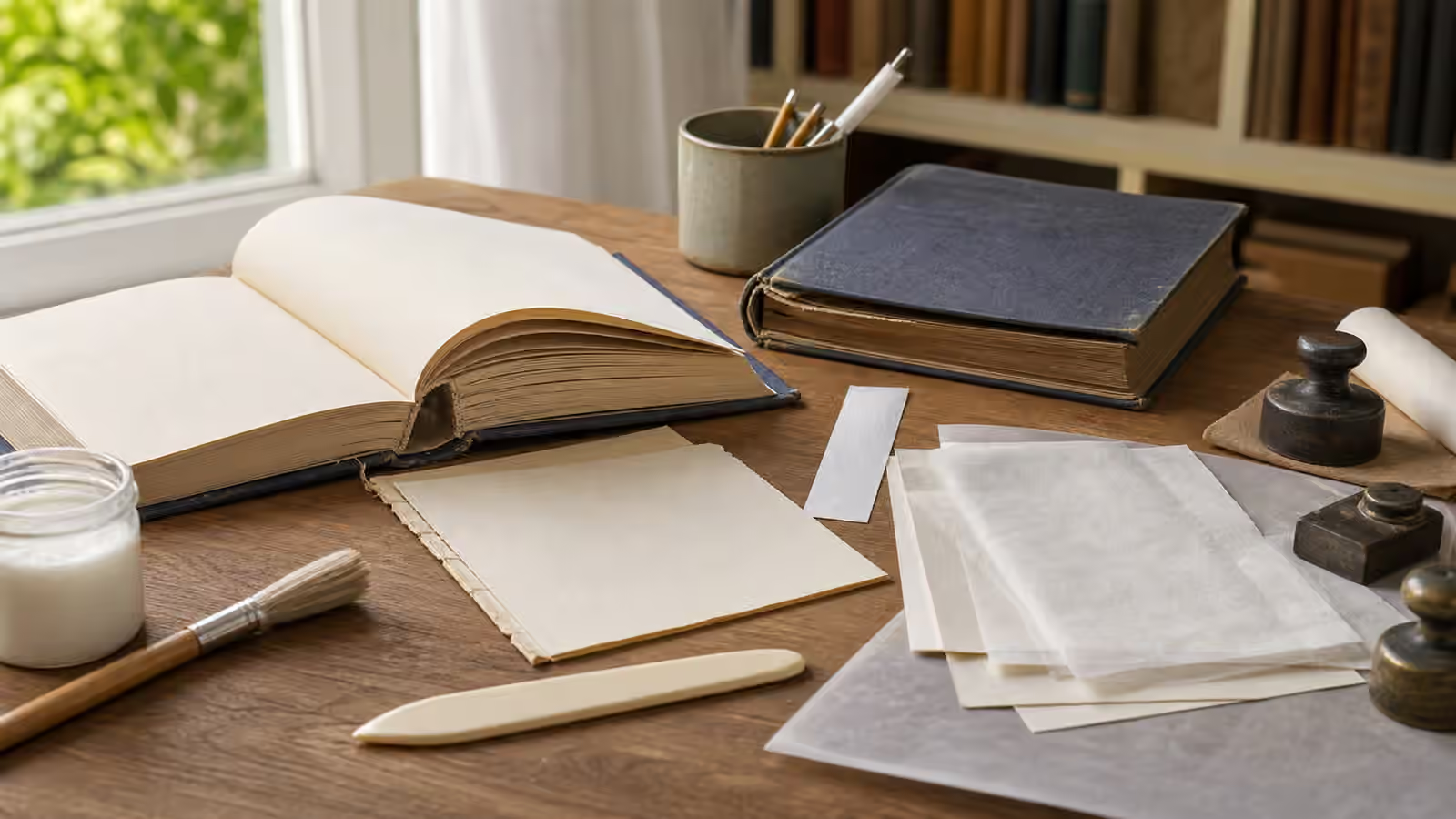
A book-care corner does not need to be elaborate. It benefits from a clean table, soft brush, pencil, plain barriers such as wax paper, small weights, a bone folder or smooth equivalent, and a way to photograph the damage. Adhesives, repair tapes, and papers should be chosen for the kind of book and the repair goal. Do not buy a full set of products before you understand what you will repair most often.
The Beginner Keeper Kit idea applies here in a narrow way: own enough to inspect and stabilize, not enough to overreach. For books, the beginner win is often stopping new damage. That might mean using a bookmark instead of folding corners, pulling books from the middle of the spine rather than the top cap, supporting a book while scanning or copying a page, and not forcing a stiff binding to lie flat.
Record What You Did
A book repair is easy to forget because the object goes back to looking quiet on the shelf. Add a Save Log note with the title, edition if useful, location of damage, materials used, drying time, and whether the book reopened cleanly after the repair. Photograph the repaired area before returning it to the shelf. If pages loosen later, the note tells you whether the same area failed or a new part of the binding aged out.
For valued books, the best Save Log entry may say that you did not repair it. You photographed the hinge, wrapped the book in clean paper, stored it flat, and asked for advice. That is still a keeper decision. Saving an object sometimes means refusing the fast fix.
Related Keepers Guild guidebooks
Read this with The 10-Minute Triage before naming the repair, How to Photograph a Problem Before You Take It Apart for evidence before adding adhesive, The Beginner Keeper Kit for a restrained tool habit, and When Not to DIY when mold, value, contamination, or fragile materials make the book a conservation question.