A bed frame squeak is a small sound with many possible causes. It can come from a loose bolt, a slat shifting in its pocket, a bracket rubbing under load, a headboard touching the wall, a metal joint flexing, a cracked wooden rail, or a floor contact point that moves as weight shifts. The temptation is to tighten every visible fastener as hard as possible and hope the noise disappears. That can strip hardware, crush soft wood, hide a crack, or make disassembly harder later. A better keeper repair starts by finding the sound path.
Reproduce the sound gently
Start with the bed made safe to inspect. Remove loose items from underneath, give yourself light, and avoid putting fingers near pinch points while weight is shifting. Then reproduce the sound gently. Press near each corner, sit in the usual spot, shift weight slowly, and listen for whether the noise comes from the frame, headboard, slats, mattress support, floor, or wall contact. A helper can listen from the side, but the movement should remain controlled.
Use the observation habit from The 10-Minute Triage . What changed before the squeak appeared? Was the bed moved, a rug added, a new mattress placed, bolts removed for moving, humidity changed, or under-bed storage pushed against a rail? A new heavier mattress on old slats can reveal support problems that were always close. A frame reassembled after a move may have missing washers or brackets reversed. A squeak after cleaning may come from the frame no longer sitting in the same floor dents.
Separate squeaks from cracks. Squeaks often come from rubbing surfaces. Cracks make sharper sounds, visible openings, or movement where there should be none. If a rail, leg, center support, or bracket visibly shifts under ordinary load, stop using the bed until the support is understood. A bed is not decorative furniture. It carries repeated dynamic load, and failure can be sudden.
Fasteners need fit, not force
Many bed frames rely on bolts, cam locks, brackets, threaded inserts, or screws into wood. Loose hardware can squeak because parts rub under load. Tightening may solve it, but tightening should be controlled. Use the correct tool, support the joint, and stop when the fastener is snug. If the tool slips, the screw head is stripping, the bolt spins without tightening, or the wood compresses, more force is not better repair.
Missing washers and spacers matter. A bolt head rubbing directly against metal or wood may loosen or squeak. A washer spreads load and can restore the intended clamping surface if the frame was designed for one. Do not add random thick stacks that change alignment, but do look for obviously missing hardware after a move. The habits in Replacement Parts apply even to simple furniture hardware: keep one old fastener as a reference, measure length and thread, and avoid almost-right substitutes in load-bearing joints.
Wood screw holes that no longer hold deserve caution. A small non-structural screw in a decorative headboard panel may be repairable with a modest wood repair. A screw that anchors a rail, leg, bracket, or center support is more serious. Filling and re-driving can work in some furniture contexts, but a high-load joint needs sound material and correct hardware. If the hole is split, the rail is cracked, or the screw pulls out repeatedly, the repair path has moved beyond a casual tighten.
Slats, center supports, and rubbing points
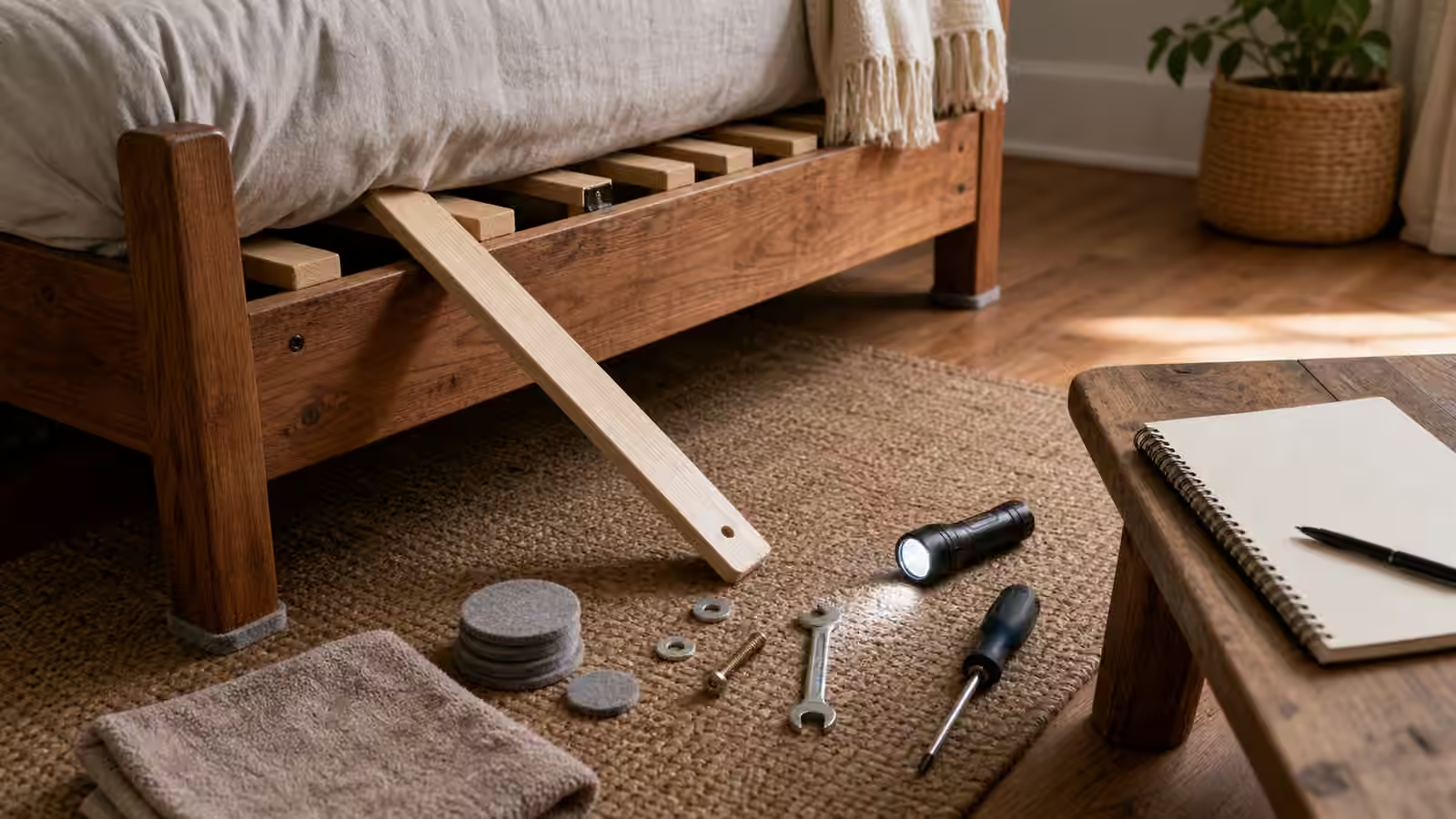
Slats are often blamed after every bed noise, and sometimes they deserve it. Loose slats can slide, tap, or rub against side ledges. Slats that are too thin, too widely spaced, bowed, cracked, or unsupported can flex more than the frame expects. Center support legs can hover above the floor, dig into carpet, or scrape when the frame shifts. A missing center leg can overload side rails. Look at the support system as a whole, not just the loudest piece.
Padding can quiet minor rubbing when the structure is sound. Felt pads, fabric tape, cork, or thin rubber at contact points can reduce squeaks between slats and ledges. The padding should not raise the mattress support unevenly, hide a crack, or become a sticky mess. Avoid thick soft foam that compresses unpredictably. The goal is to stop harmless rubbing, not to compensate for a failing rail.
Check under-bed storage. Boxes pressed against slats, drawers rubbing a rail, bins touching the center support, or a cord trapped under a leg can make a bed sound broken. This is the bedroom version of Clean First : remove debris and interference before naming the repair. A clear floor and visible contact points make diagnosis easier.
Floor, wall, and headboard contact
Sometimes the bed is quiet and the room is noisy. A headboard can tap the wall. A leg can rock on uneven flooring. A frame can shift on a smooth floor. A rug can bunch under one leg and change alignment. Felt pads, furniture cups, or a rug pad can help when the frame is structurally sound and the issue is floor contact. Use stable materials that do not create a slipping hazard or raise one leg dramatically.
Wall contact should be gentle and intentional. A headboard pressed hard into drywall can squeak, mark paint, or transfer movement through the wall. A small bumper may solve a light tap, but it should not be used to brace a weak frame. If the headboard is supposed to be attached to the frame and the connection is loose, fix the connection rather than wedging the wall.
Metal frames add another layer. Metal-on-metal squeaks may respond to correct tightening, washers, or designed plastic interfaces. Avoid oiling a bed frame randomly. Lubricant can stain flooring, bedding, and dust, and it may attract grit. If a manufacturer specifies a contact point, follow that guidance. Otherwise, start with clean contact, correct hardware, and alignment.
Add it to the Save Log
Record where the sound came from, what fasteners were tightened, what pads were added, and whether any slats, brackets, legs, or rails need replacement. Photograph hardware before disassembly. If the bed was moved, tape the correct hardware in a labeled bag for the next move and record where unusual washers or brackets belong. The photo habits in How to Photograph a Problem Before You Take It Apart save a lot of reassembly guessing.
A quiet bed repair is not glamorous, but it protects sleep, flooring, furniture, and patience. Find the sound, remove interference, tighten with restraint, support slats correctly, and stop when the structure is compromised. The best outcome is a bed that goes back to being boring.
Related Keepers Guild guidebooks
This guide connects with Wobbly Chair Diagnosis for furniture load thinking, Loose Handles, Knobs, and Pulls Before the Hole Fails for hardware restraint, Stripped Screw Rescue for damaged fasteners, Replacement Parts for hardware matching, and When Not to DIY for lofts, bunks, and load-bearing stop signals.