A repairer cannot quote what they cannot see. That is the whole problem in one sentence, and almost every frustrating quote experience traces back to it. You send a photo and a worried question, they send back a range so wide it is useless, and you are both annoyed. The fix is not charm or haggling. It is giving a stranger enough evidence to think clearly about your object before they ever touch it. Done well, a good request turns a vague “it depends” into a real number, a real timeline, and an honest opinion about whether the repair is worth doing at all.
Why a quote is really a diagnosis at a distance
When you ask for a quote, you are asking someone to diagnose a failure they cannot hold. Every good repairer builds a mental picture from what you send and prices the picture. If your message is thin, they price the worst case, because that protects them from surprises. If your message is rich and specific, they can price the likely case and tell you where the real uncertainty sits. The person who writes a careful request is not being fussy. They are removing the guesswork that inflates estimates and quietly reserves the right to change the number later.
This is why the goal is never to talk a repairer into a low figure. It is to make the object legible. A legible object gets a fair quote, a clear list of what is and is not included, and a straight answer when replacement would be the honest recommendation. Those three things are worth far more than a few dollars shaved off a guess.
What to send, and why each piece earns its place
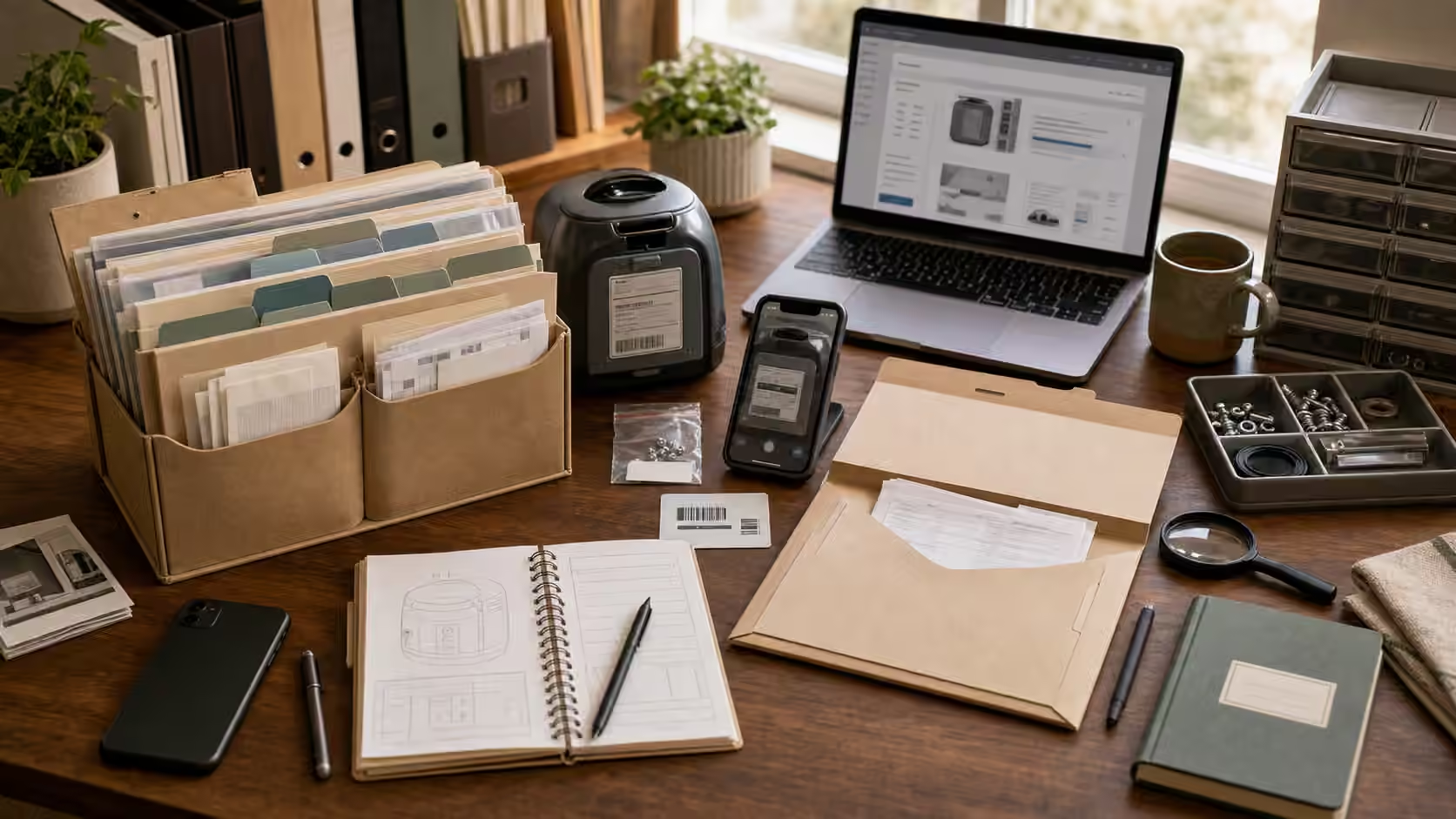
Start with photographs, because they do most of the work. A single wide shot establishes what the object is and its general condition. Two close shots of the actual failure show the damage in context: the cracked hinge, the frayed seam, the corroded contact, the split seal. One more photo of the model or serial label matters more than people expect, because it tells the repairer which generation of part fits, whether spares still exist, and whether known faults apply. If you have already tried something, photograph the result of that too, including any glue, tape, or previous repair. Hiding a past attempt does not make the object easier to fix; it just means the repairer discovers it halfway through and revises the price upward.
Then describe the symptom in plain language: what changed, when it changed, what still works normally, and what you were doing when it failed. Timing is diagnostic. A pan handle that loosened gradually is a different story from one that snapped in a single moment, and the repairer reads those stories differently. Add the practical facts a photo cannot carry, such as rough measurements, the object’s age, and how hard it gets used. Our guide to photographing a problem before you take it apart covers the framing and lighting that make these images actually readable, and the warranty folder is where the model number and purchase date usually live if you have kept one.
The last piece is the one most people skip: state your goal. Do you want the object merely functional again, or invisible, or restored to something close to original, or simply made safe enough to retire gracefully? A repairer who knows you only need a bag to survive one more year of commuting will quote very differently from one who assumes you want heirloom-grade work. Naming the goal is not lowering your standards. It is preventing a mismatch that wastes everyone’s time.
The questions that separate a number from a decision
Ask for more than a price. Ask what the quote includes and, just as important, what it excludes, because the gap between those two is where surprise charges live. Ask how long the repair should last, since a cheap fix that fails in three months is more expensive than a solid one that lasts years. Ask about turnaround, because a repair you need before a trip has a different value than one that can wait. And ask the question that reveals whether you are dealing with an honest shop: when would you tell me not to bother, and just replace it? A repairer who will talk you out of a bad repair is usually the one worth trusting with a good one.
Expect that some objects genuinely require an in-person look before a firm figure is possible. When a repairer says they need to see it, that is not evasion; some failures hide their real cause until the object is opened. Pushing for a locked-in price on a repair that clearly needs inspection only teaches the shop to pad the number. It is fair for a skilled diagnosis to carry a small inspection fee, and it is often money well spent.
Matching the request to the risk
The way you ask changes with what the object does. For a wobbly chair or a loose drawer pull, a casual message and a couple of photos are plenty. For anything in a higher-risk category, the request itself should include a safety question: is this repairer qualified for this exact kind of work, and what standard or warranty backs it? For gear that protects a person, the correct move is not a clever quote request at all but a qualified specialist, and sometimes replacement. When you are unsure which side of that line an object sits on, our guide on finding a manual without downloading malware can help you read the manufacturer’s own service guidance before you decide whether this is a DIY conversation or a professional one.
Keep the language that worked
When a request earns you a fast, fair, useful quote, save it. The phrasing that got you a clear answer for one object will get you a clear answer for the next one, with only the specifics swapped. Keeping a short note of what you asked, what you sent, what the shop said, and how the repair actually held up turns each transaction into practice. Over time you stop dreading quotes, because you have learned the small discipline underneath them: describe the failure honestly, name the outcome you want, respect the repairer’s need to see hard cases in person, and ask the one question most people never ask, which is when not to repair at all. That is how a keeper turns a nervous “can this be fixed?” into a decision they can stand behind.