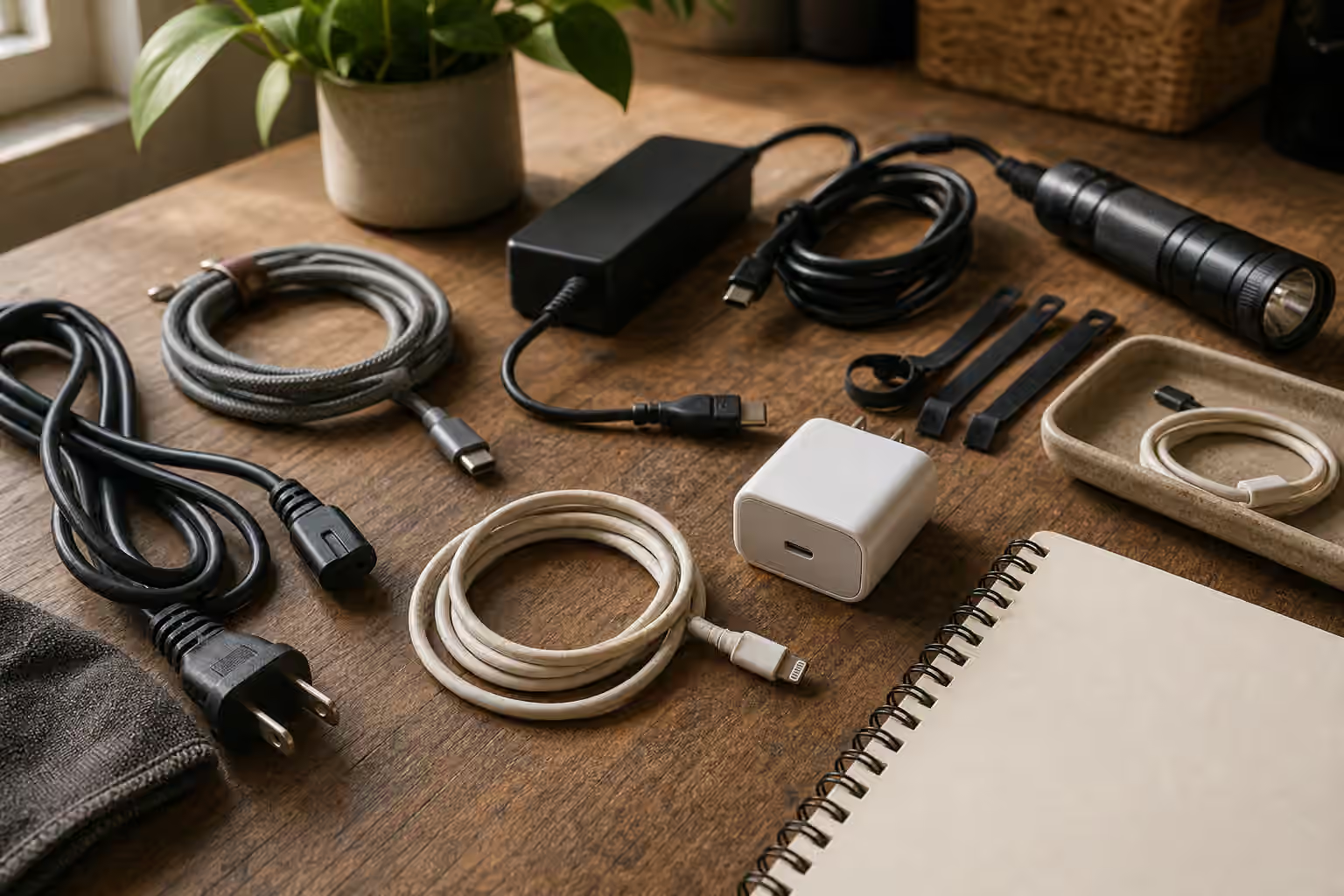
Most broken things are not broken — they are dirty, loose, dry, dull, or missing one cheap part. These guidebooks help you decide what can be cleaned, tightened, patched, glued, conditioned, or taken to the right professional before you replace it, and just as importantly, when stopping is the safest move.
Start Here
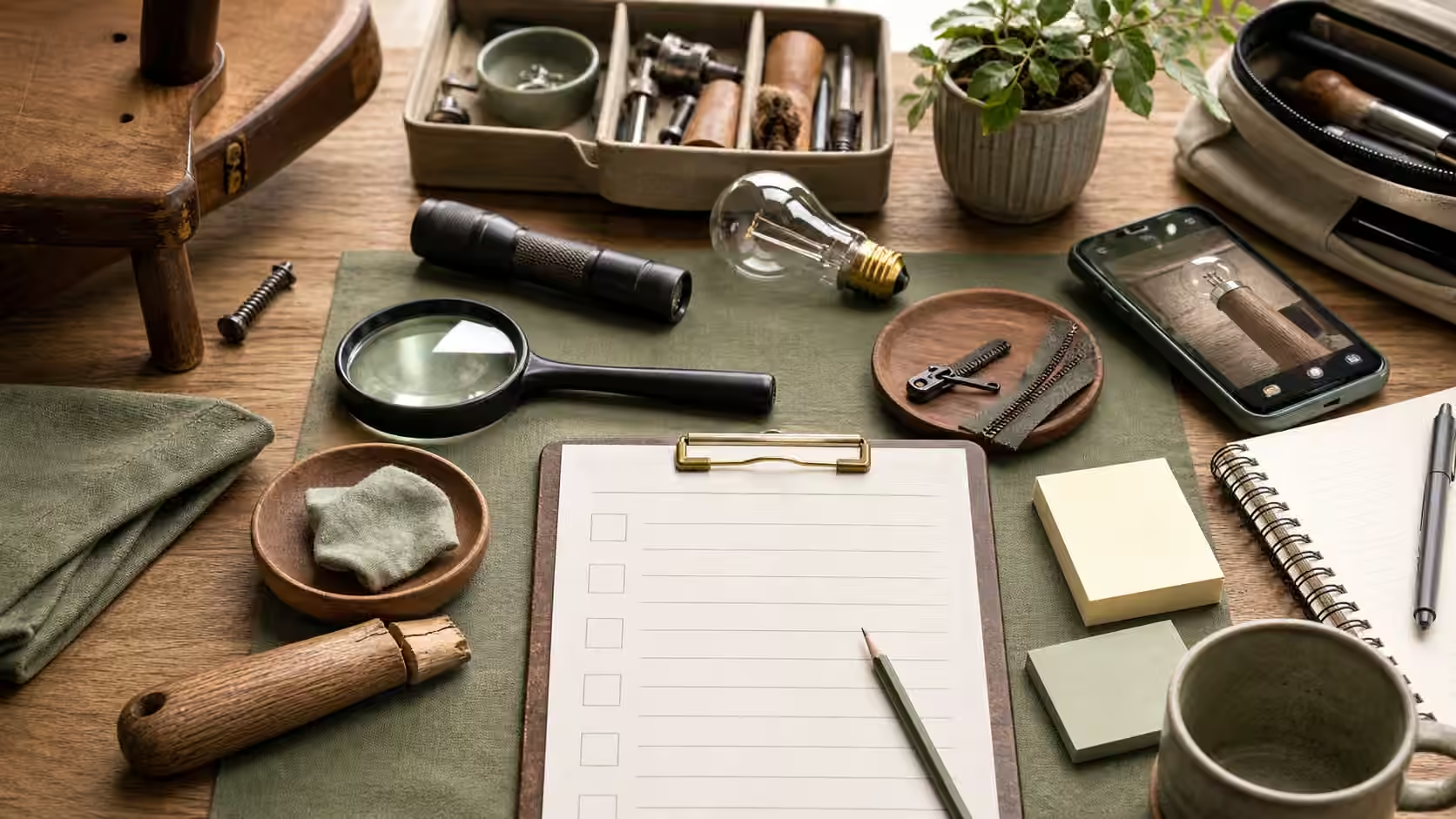
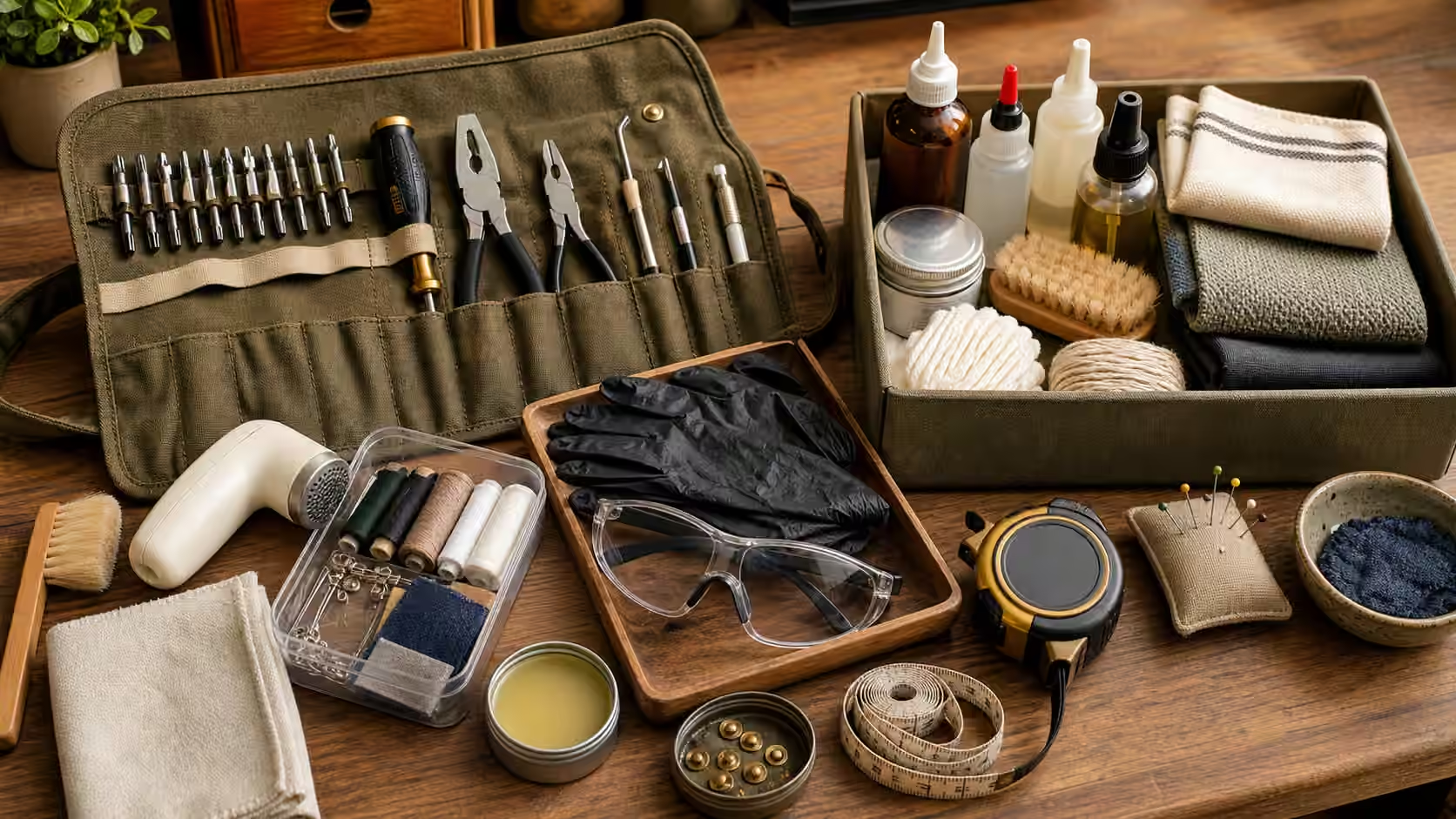
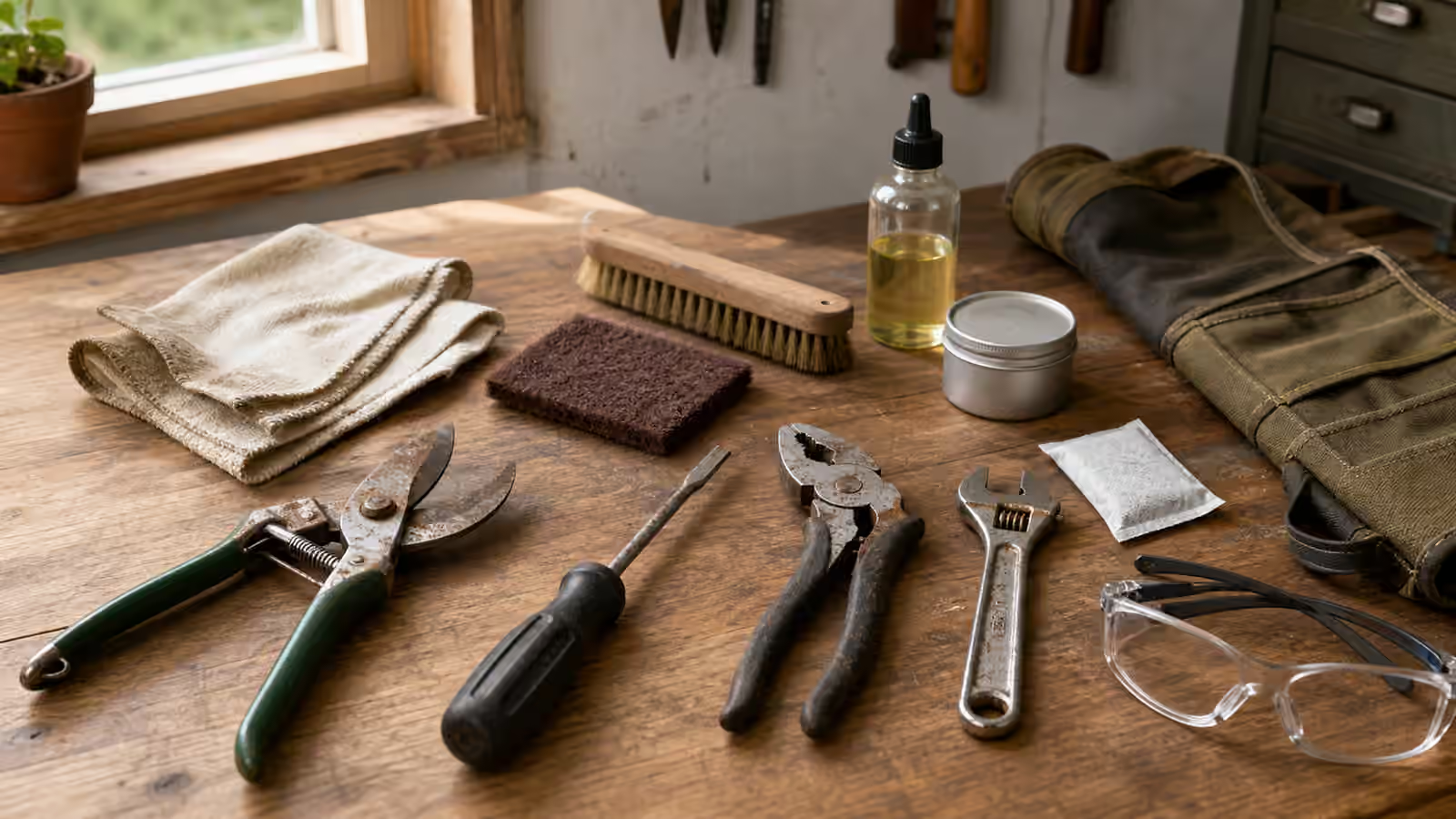
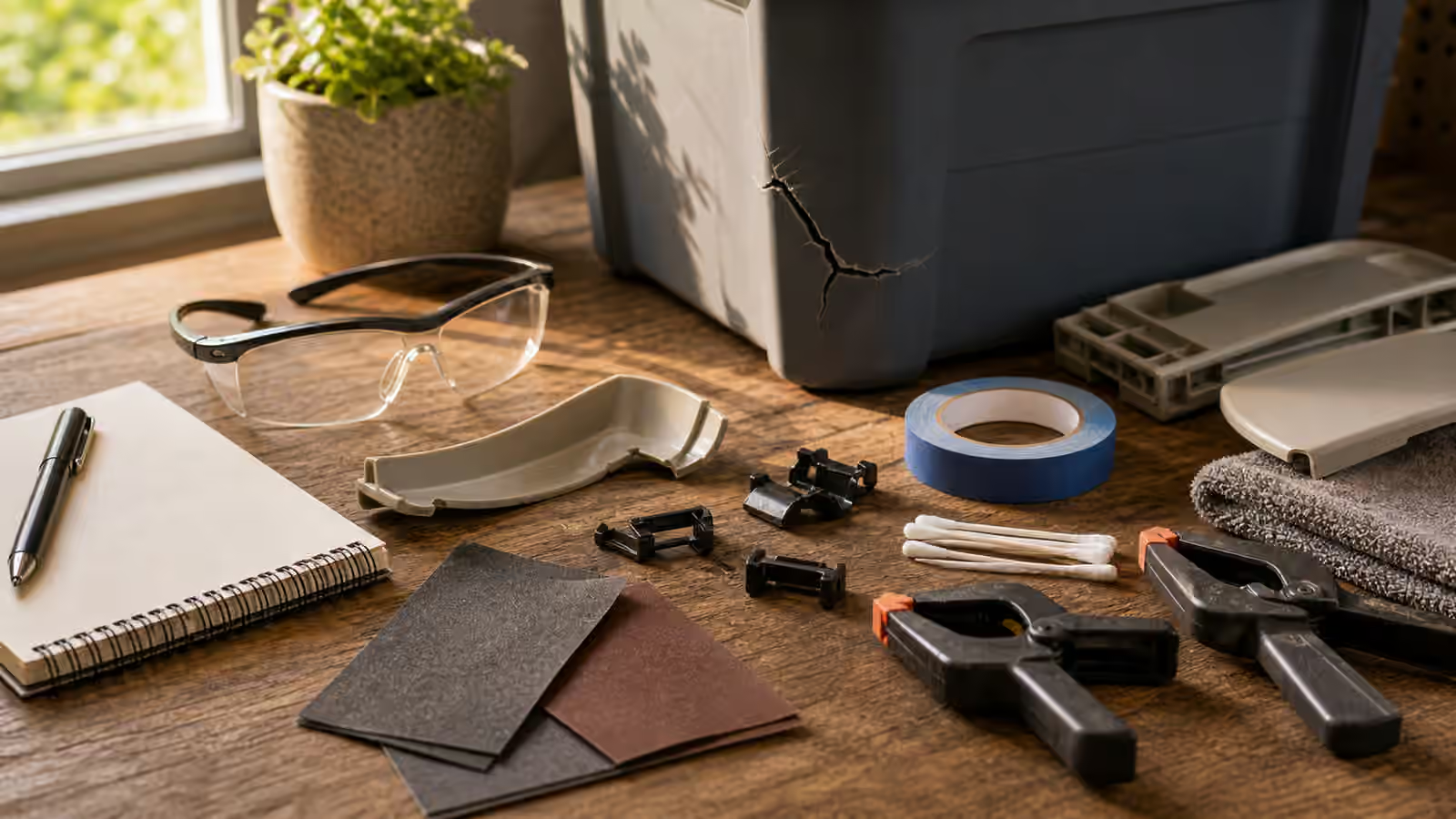
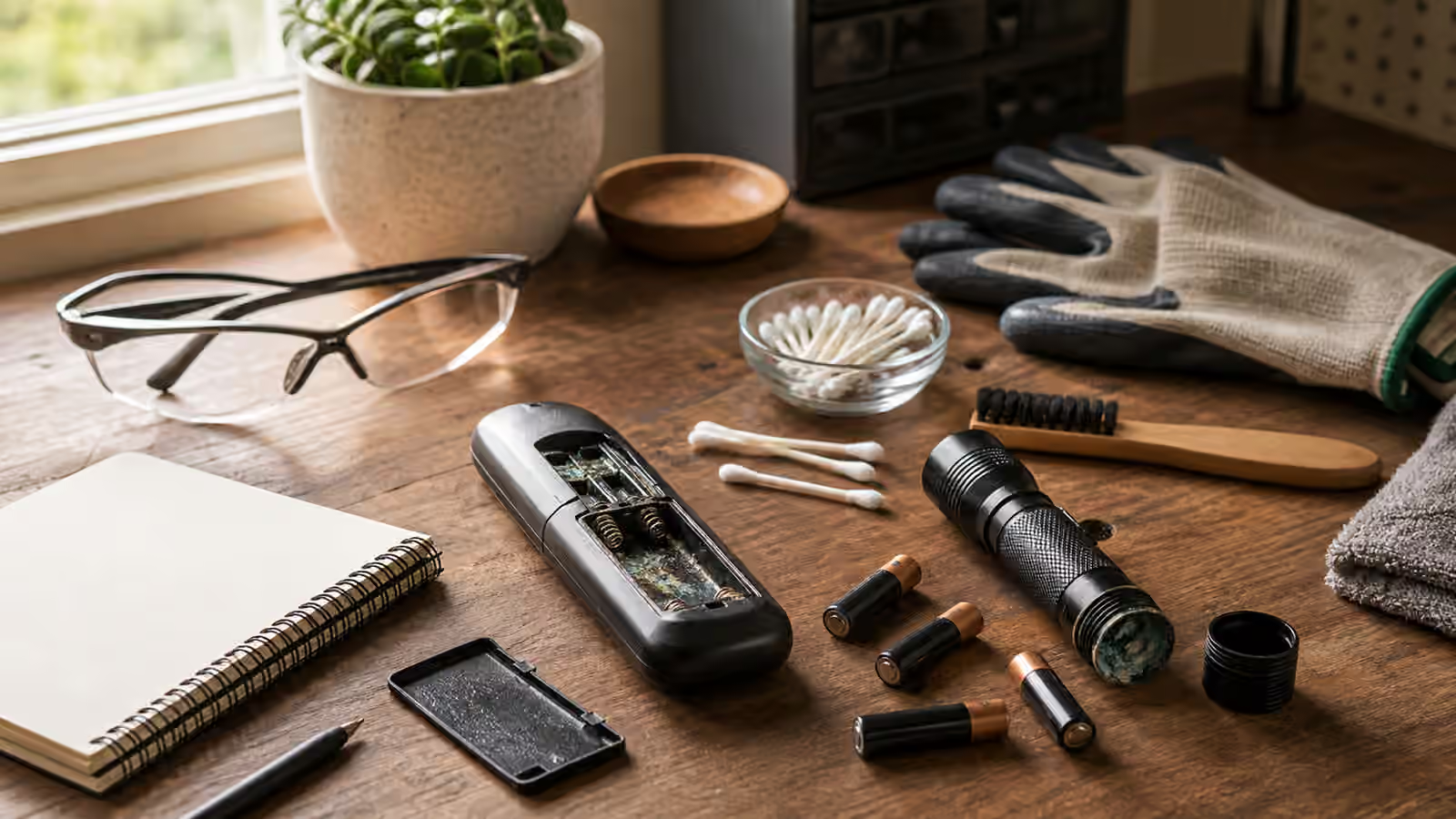
Begin with the Keepers Guild Quickstart: Repair, Maintain, or Replace? to learn the basic decision frame, then run The 10-Minute Triage: What Broke, What Changed, What Is Still Safe? on the next thing that fails in your home. Clean First: The Most Underrated Repair Skill solves a surprising share of problems before any tool comes out, and Tighten, Lubricate, Patch, Glue, Replace: The Five Beginner Moves covers most of what remains. Read When Not to DIY: Electricity, Gas, Batteries, Mold, Ladders, and Structural Risk early — knowing your boundaries is a skill, not a failure. Round out the foundation with The Beginner Keeper Kit: What to Own Before Something Breaks , How to Photograph a Problem Before You Take It Apart , and The Repair Cost Rule: When Saving It Makes Sense so the money math stays honest.
Clothing and Textiles Cluster
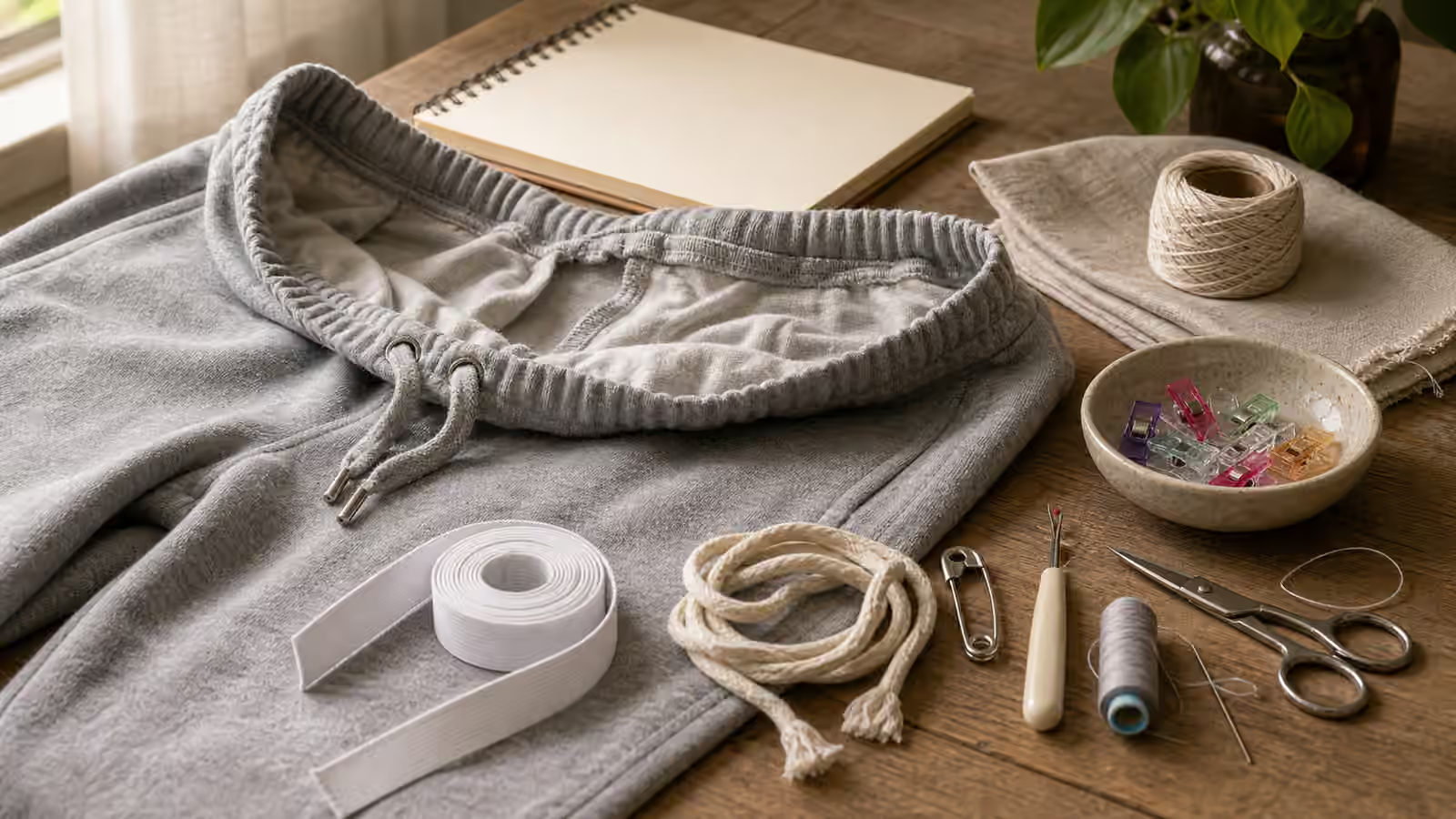
- Basic Hand-Stitching for People Who Don’t Sew
- Button Repair Without Making the Shirt Look Worse
- Zipper Problems: Stuck, Split, Missing Pull, or Broken Teeth
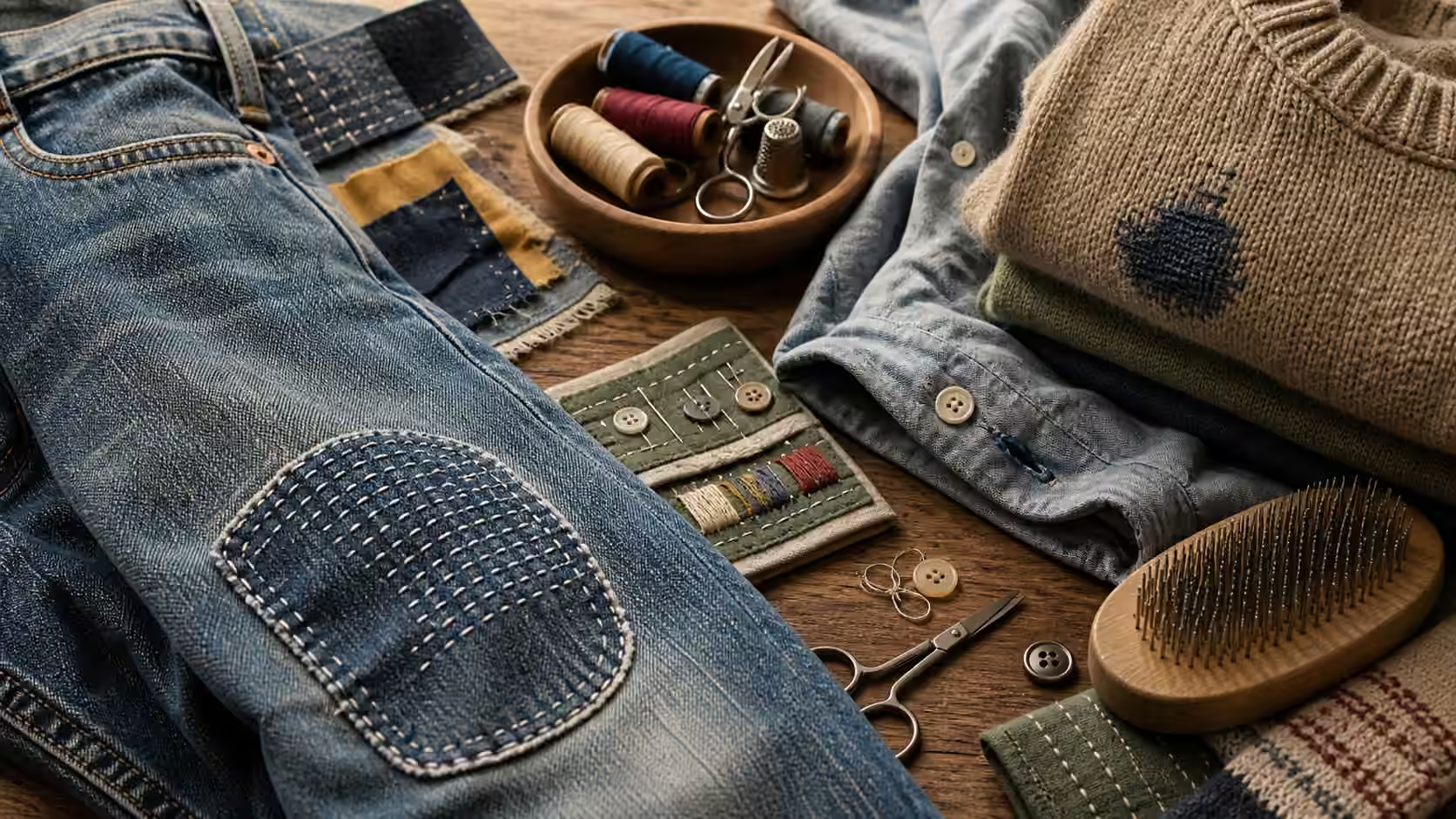
- Denim Repair: Knees, Thighs, Pockets, and Hem Wear
- Sweater Care: Washing, Drying, Blocking, and De-Pilling
- Pilling, Snags, Holes, and Fraying: What Each One Needs
- Laundry Mistakes That Quietly Destroy Clothes
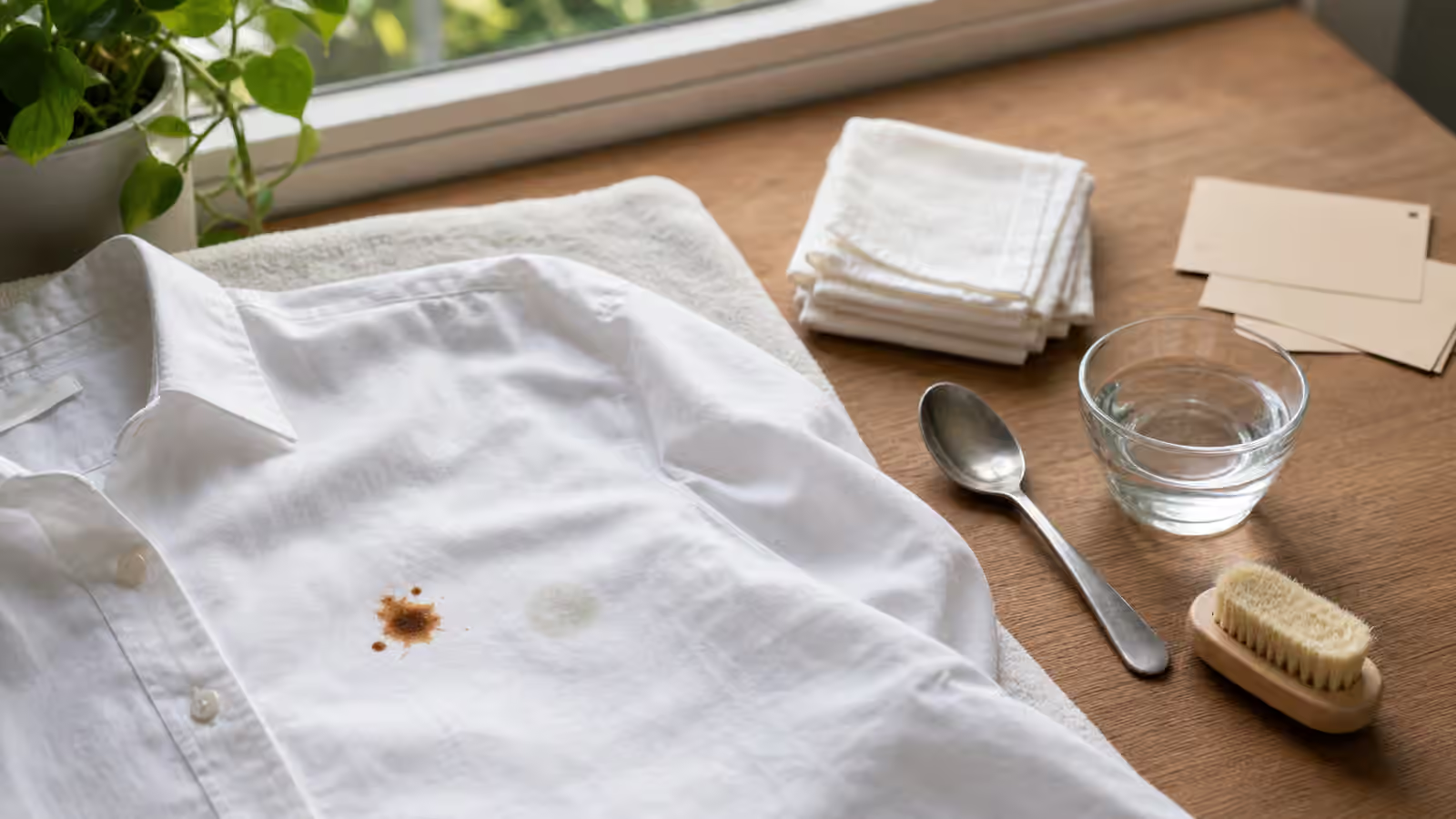
- Stain Triage Before Washing: Blot, Lift, Rinse, or Wait?
- Visible Mending: When to Hide the Fix and When to Celebrate It
- Seasonal Textile Storage: Moths, Mildew, Creases, and Comeback
Kitchen and Cookware Cluster
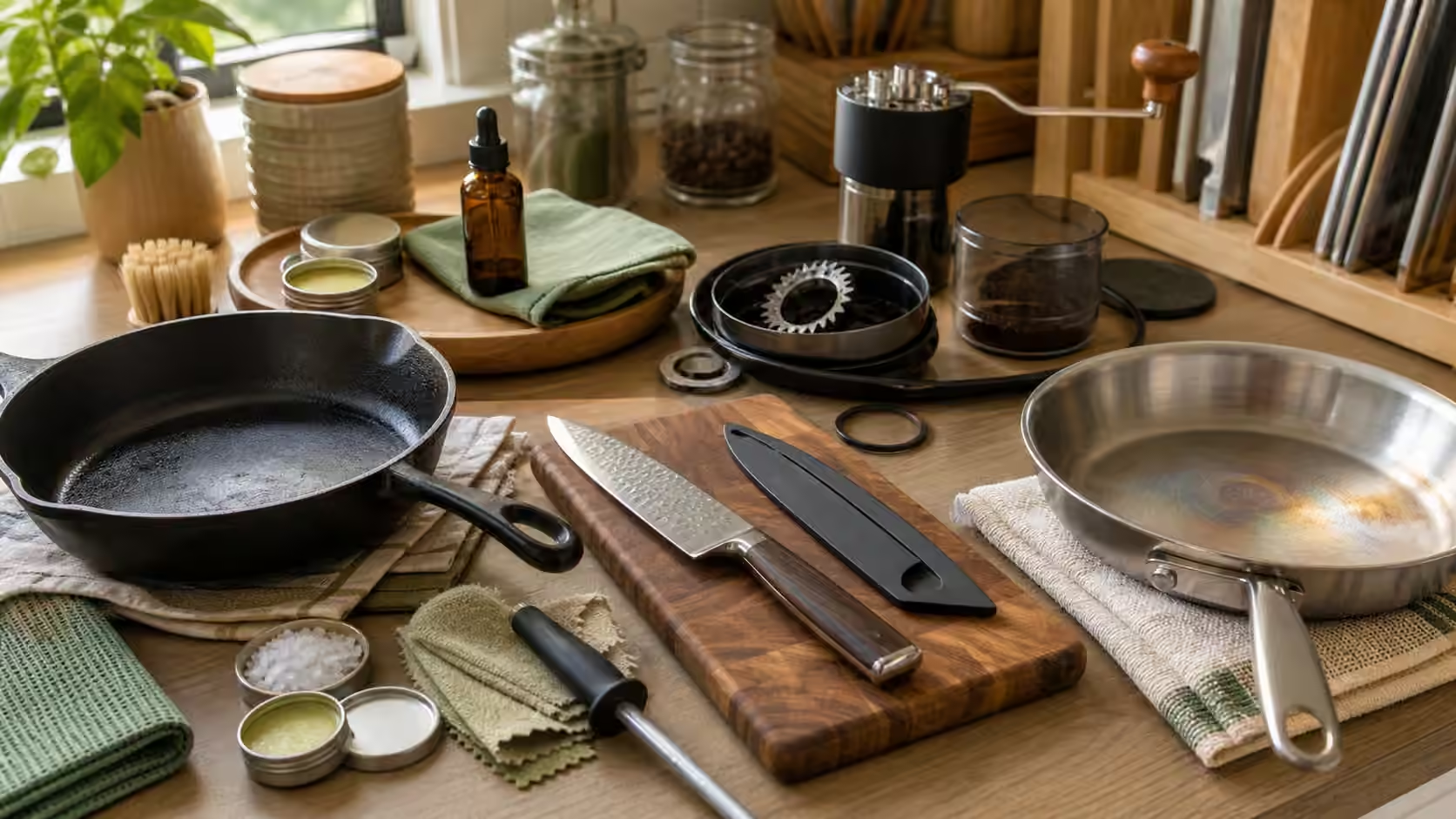
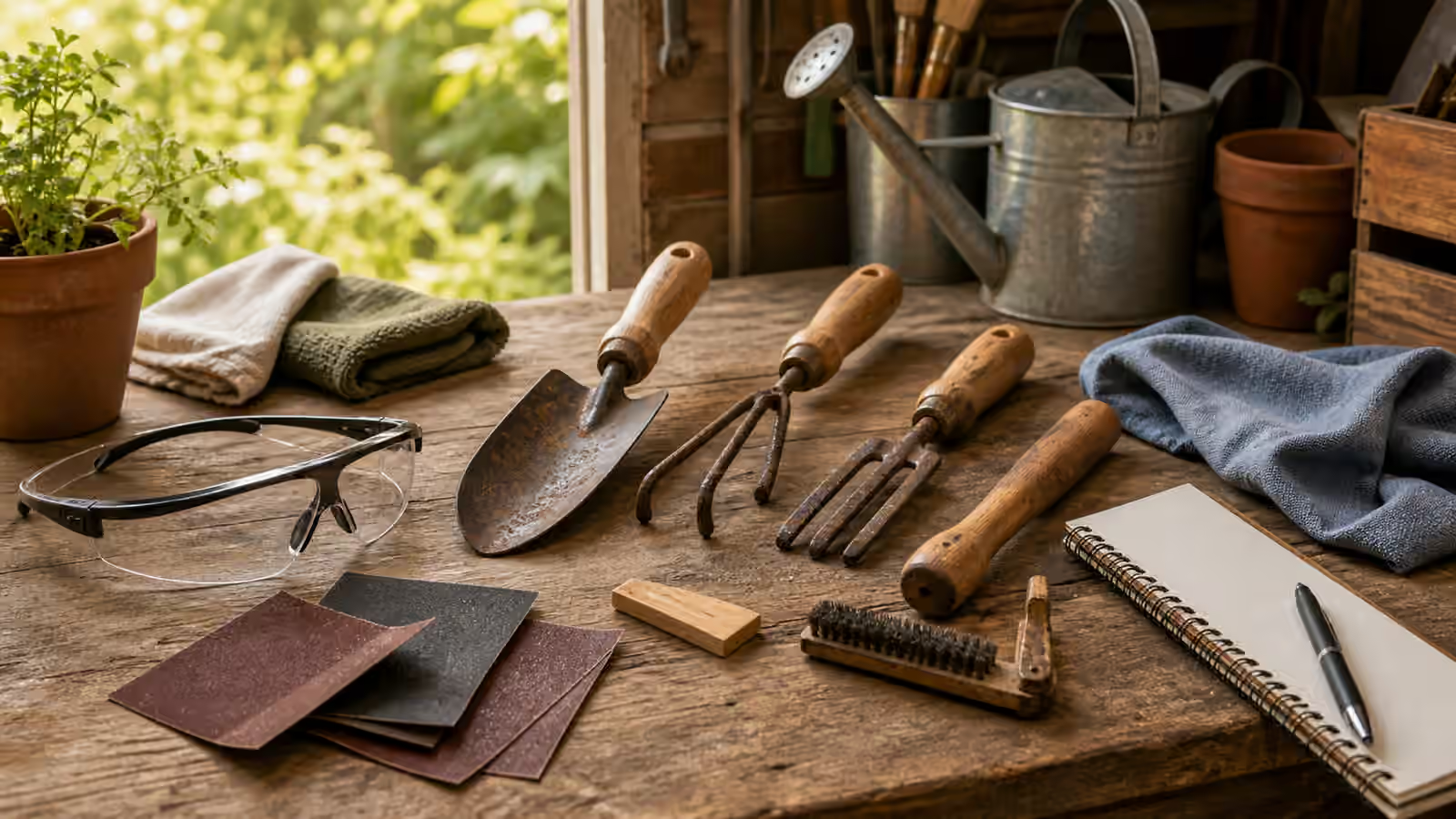
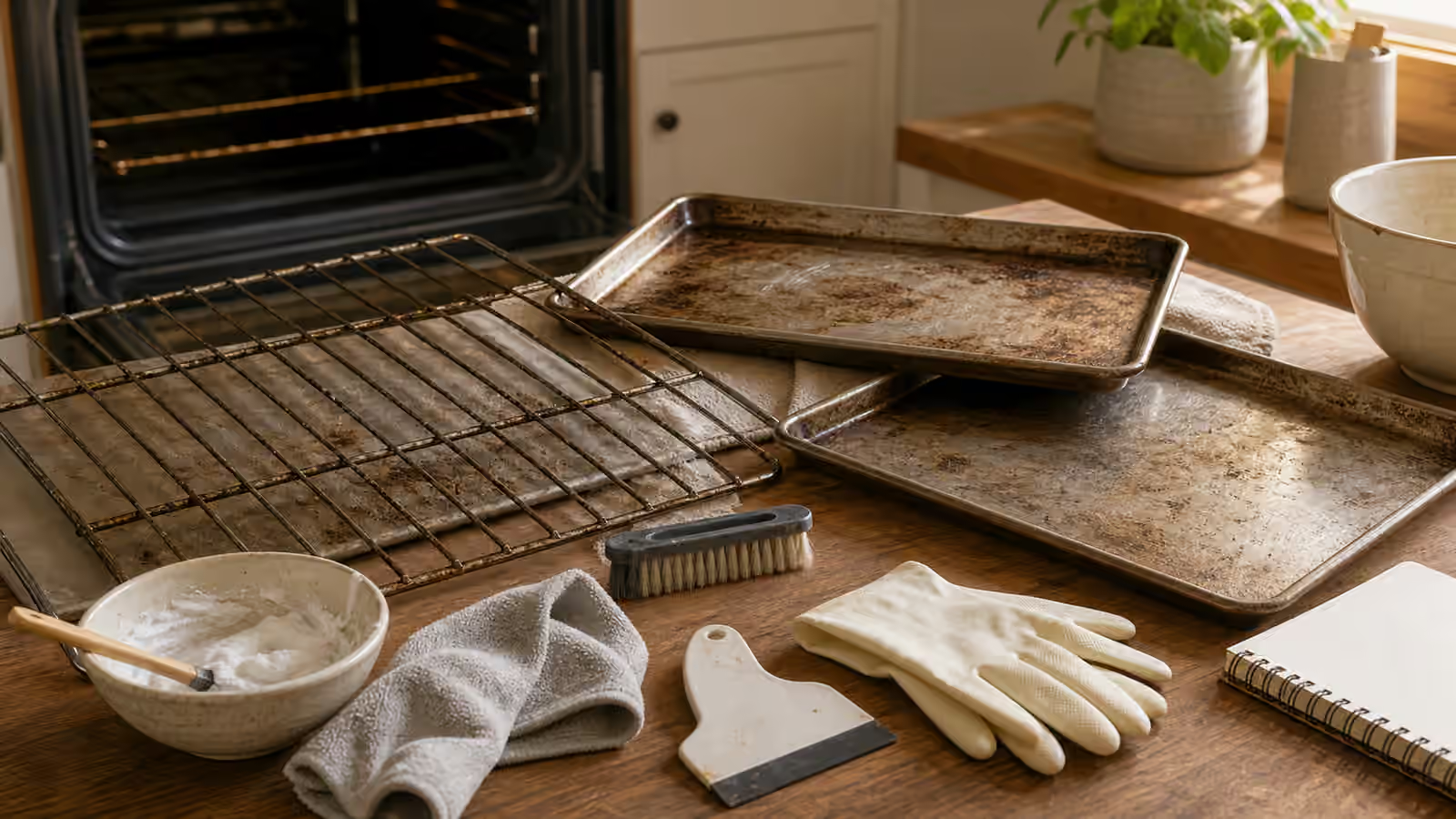
- Cast Iron Rescue: Rust, Sticky Seasoning, and Flaking Myths
- Knife Care: Honing, Sharpening, Storage, and When to Stop
- Nonstick Pans: What Can Be Cleaned and What Is Done
- Cutting Board Care: Oil, Wax, Cracks, Smells, and Warping
- Coffee Gear Care: Scale, Oils, Gaskets, Burrs, and Seals
- Stainless Steel Stains, Rainbowing, and Burn Marks
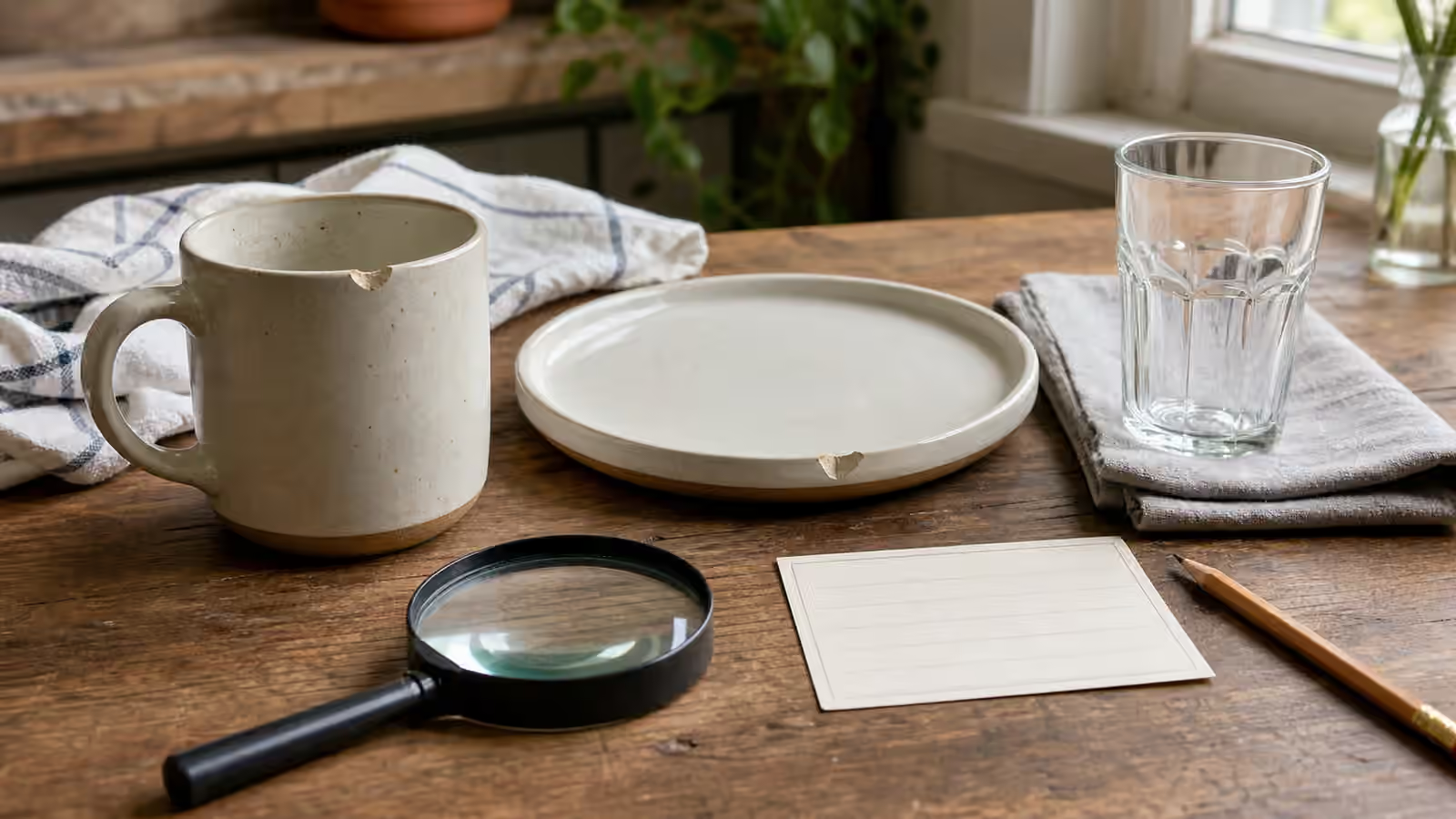
- Chipped Dishes and Glassware: Smooth, Repurpose, or Retire?
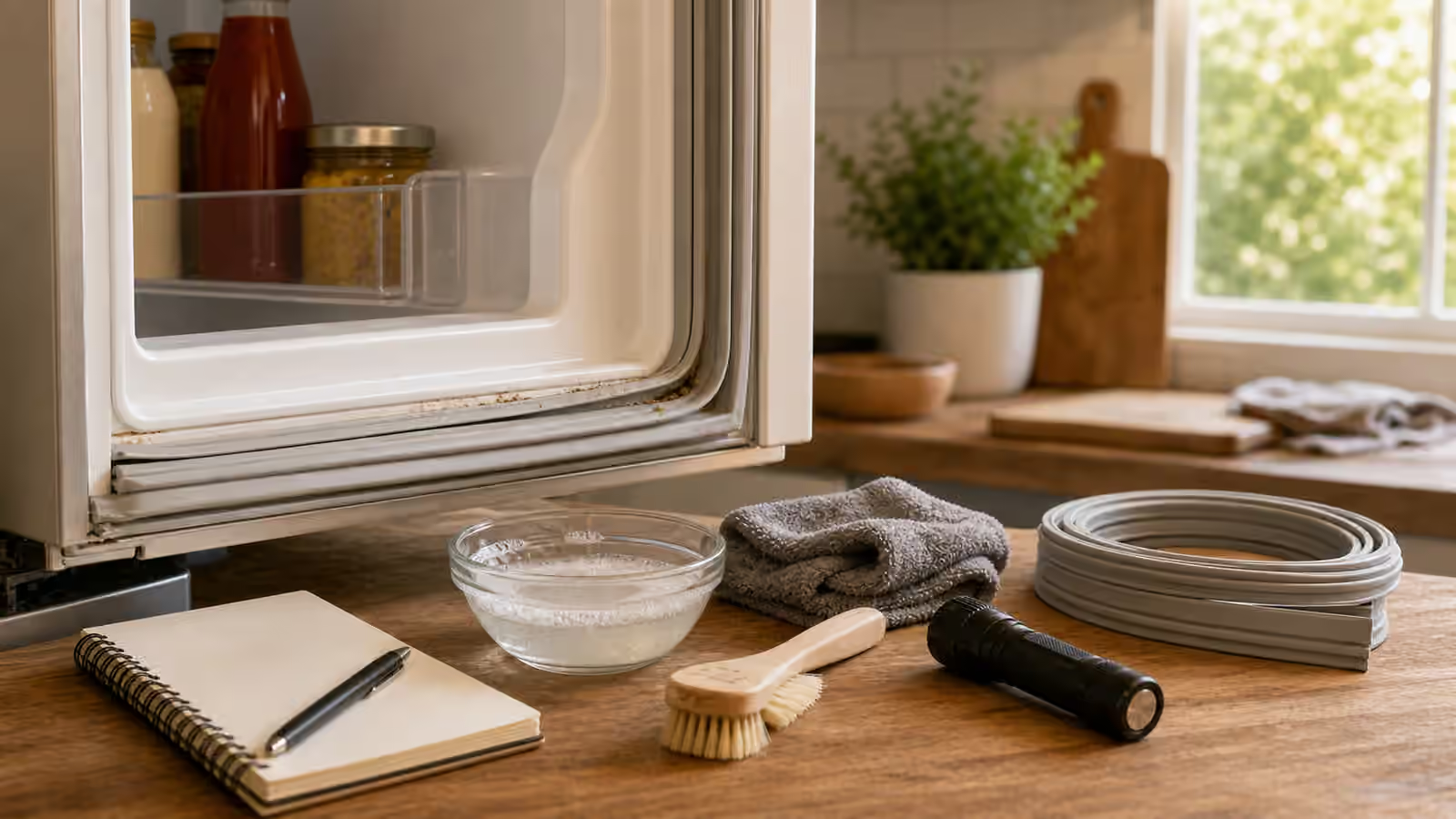
- Refrigerator Gasket Care: Crumbs, Condensation, and Loose Seals
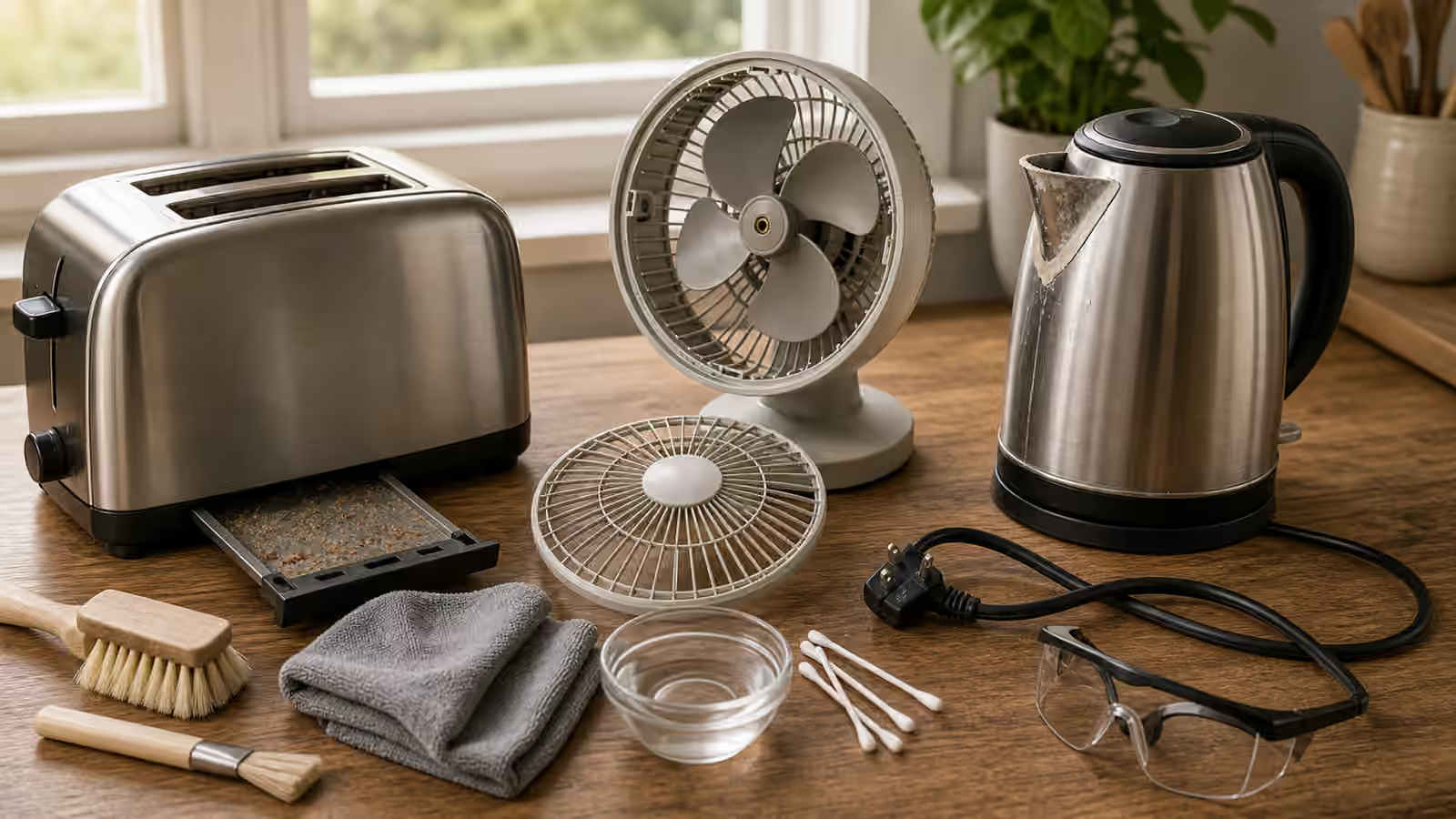
- Small Appliance Care Without Opening the Case
Home and Furniture Cluster
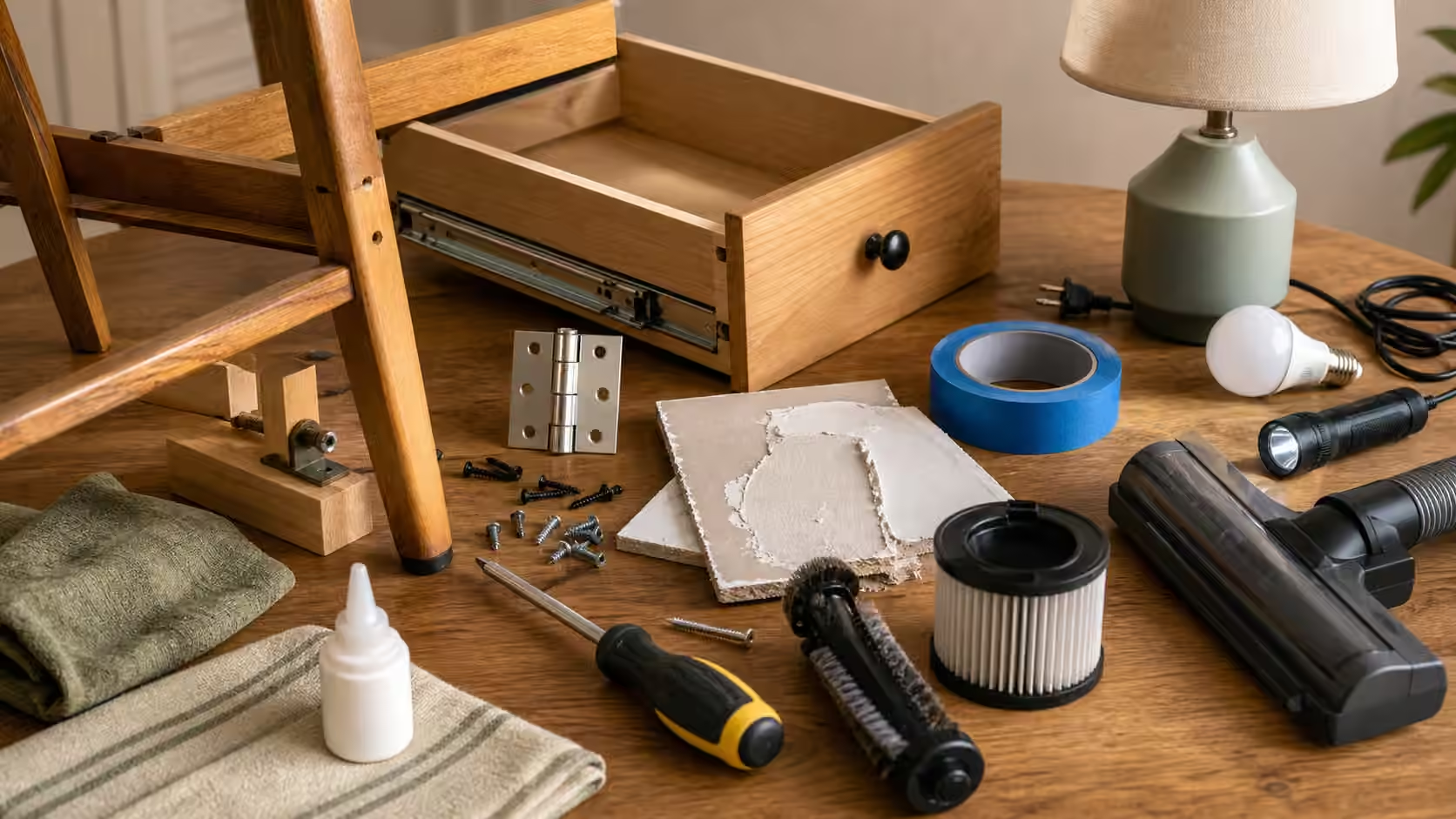
- Wobbly Chair Diagnosis: Loose Fastener, Joint, Floor, or Crack?
- Door Hinge Squeaks, Sticks, and Misalignment
- Drawer Slides: Sticky, Sagging, Crooked, or Broken
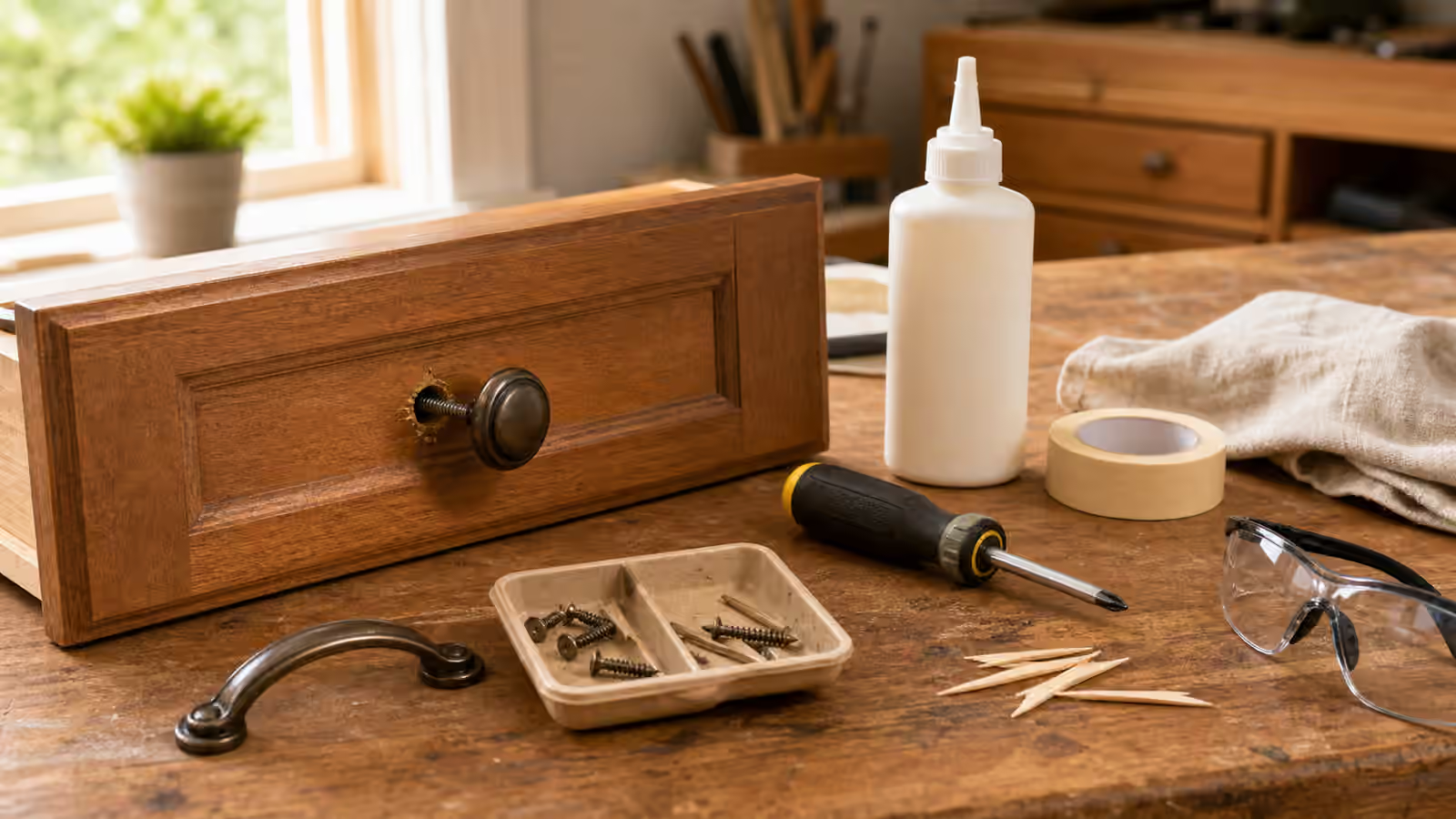
- Loose Handles, Knobs, and Pulls Before the Hole Fails
- Wall Repair: Nail Holes, Anchors, Dents, and Paint Matching
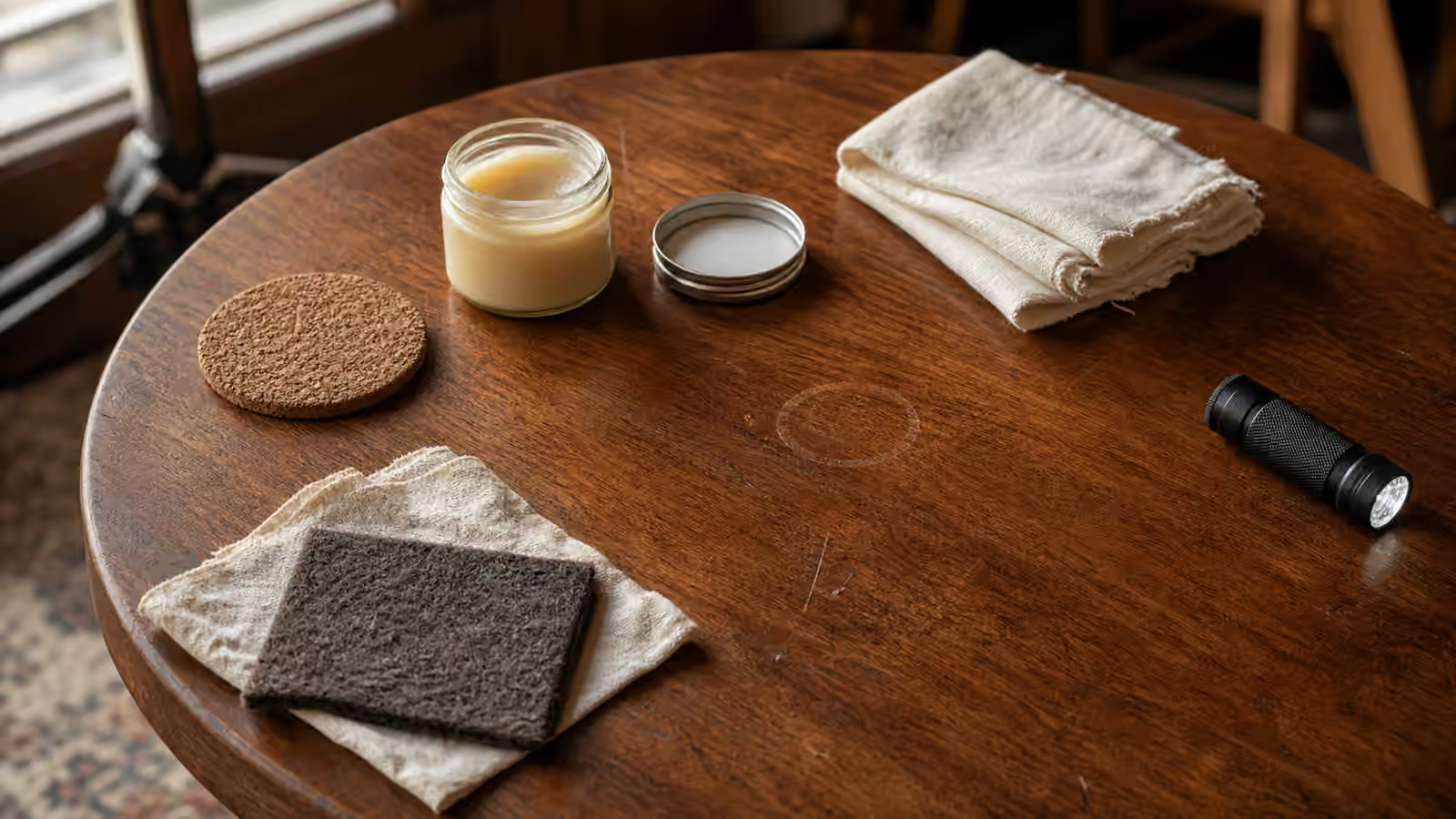
- Wood Furniture Surface Care: Rings, Scratches, Dry Finish, or Stop?
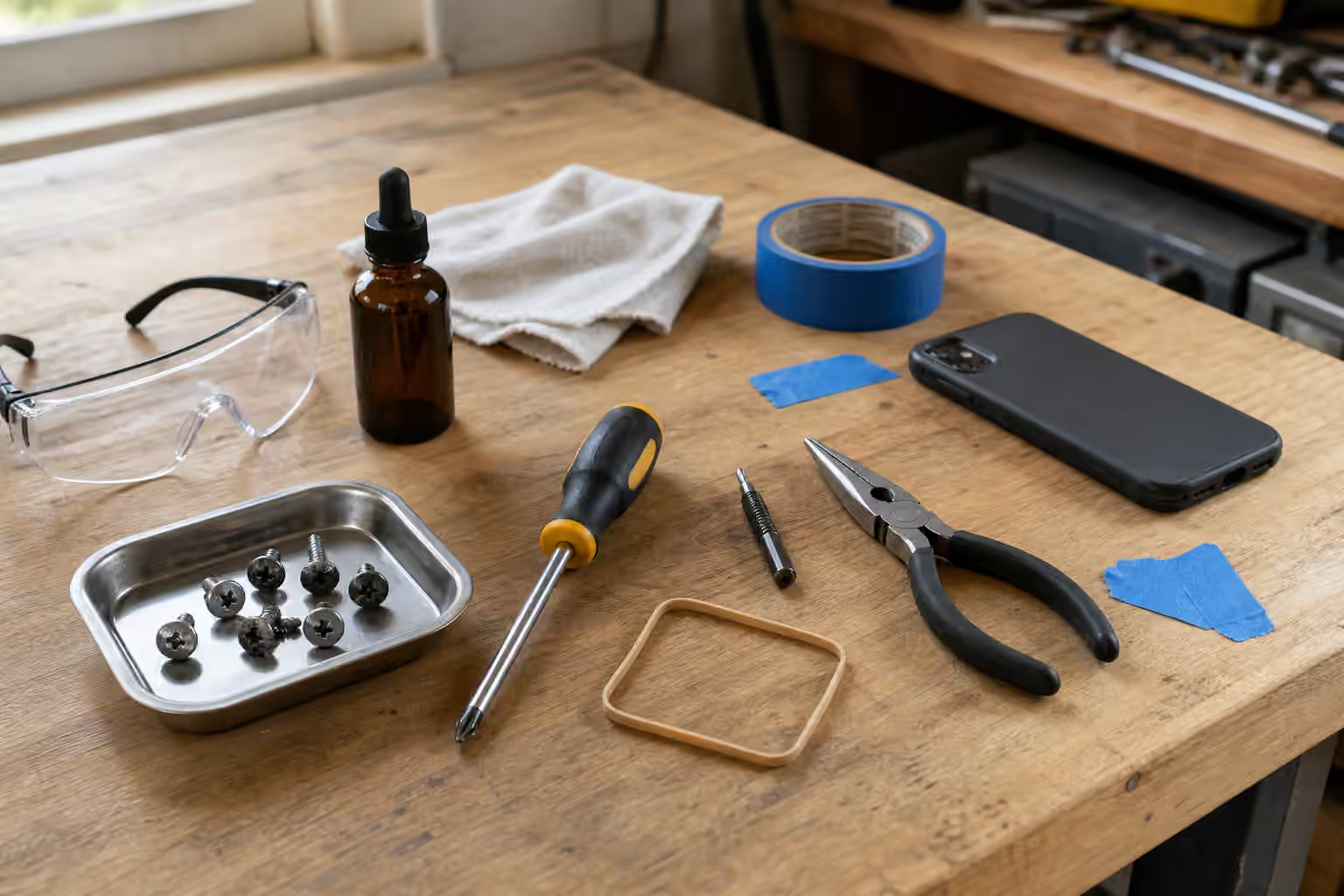
- Stripped Screw Rescue: Grip, Slot, Extract, or Stop?
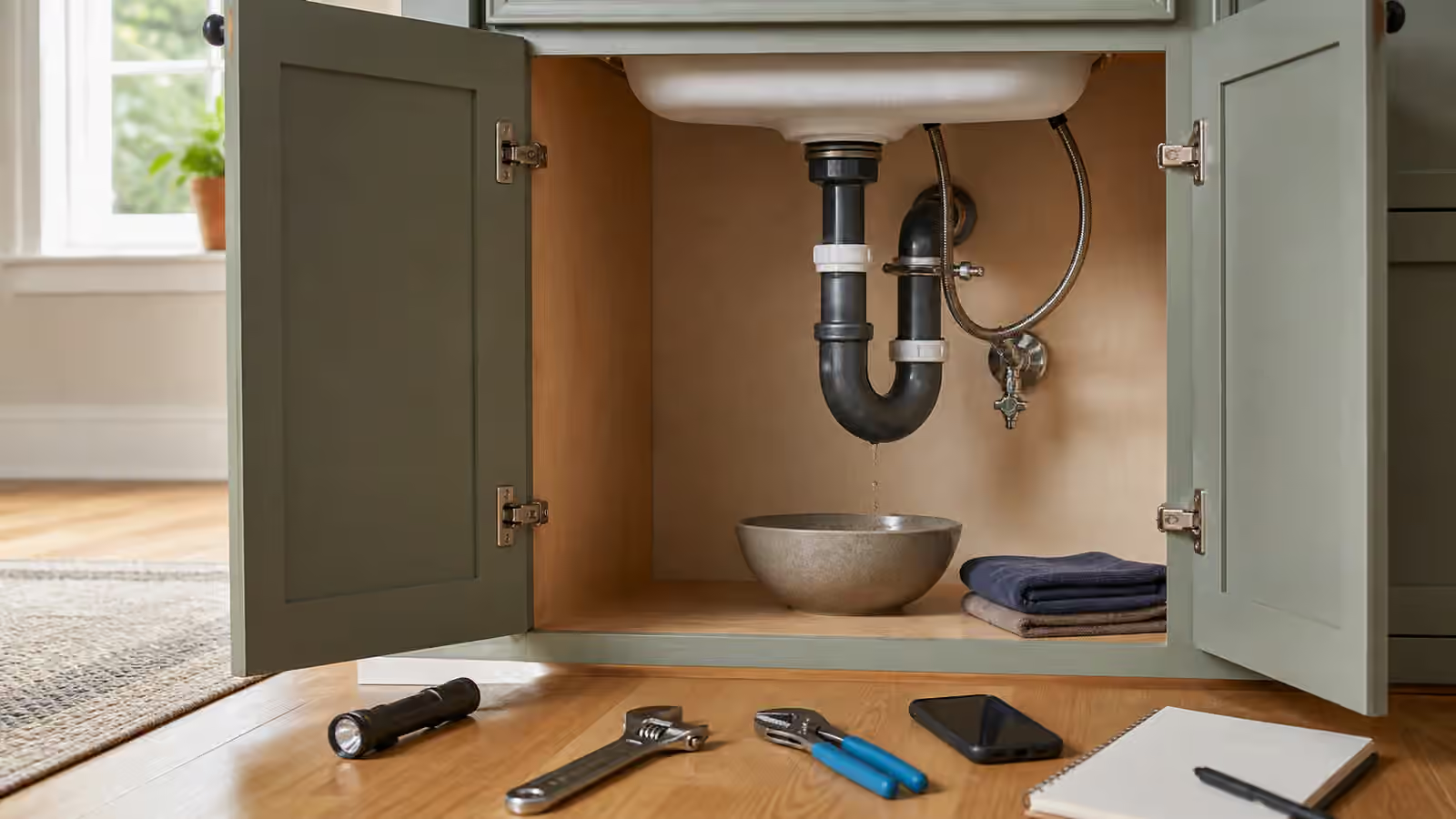
- Under-Sink Leak Triage: Drip, Trap, Supply Line, or Stop?
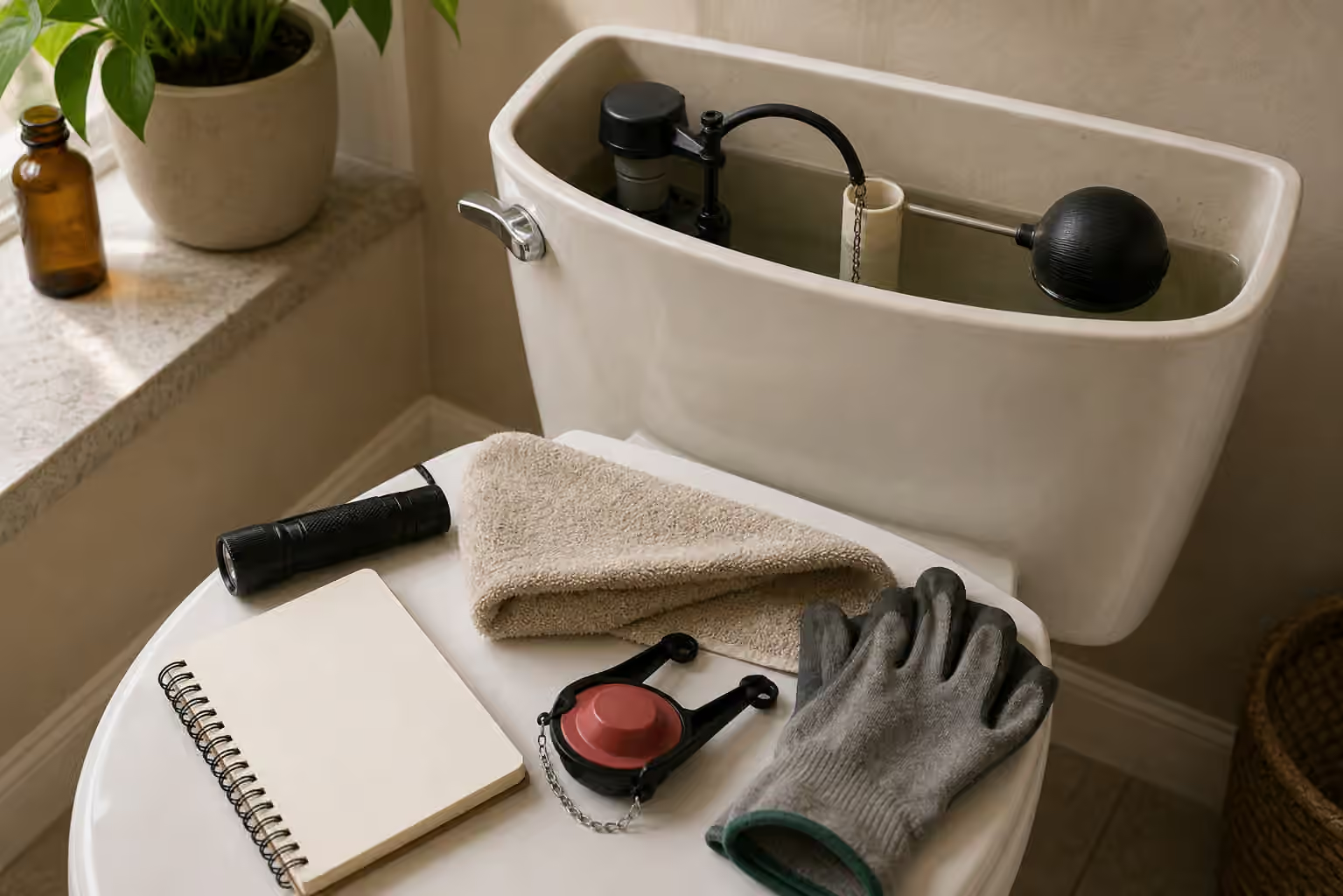
- Running Toilet Tank Triage: Flapper, Chain, Float, or Stop?
- Lamp Won’t Turn On: Bulb, Outlet, Switch, Cord, or Stop?
- Vacuum Lost Suction: Filters, Clogs, Belts, Rollers, and Seals
- Power Cords and Chargers: Frays, Heat, Kinks, and When to Stop
Shoes, Gear, and Outside Help Cluster
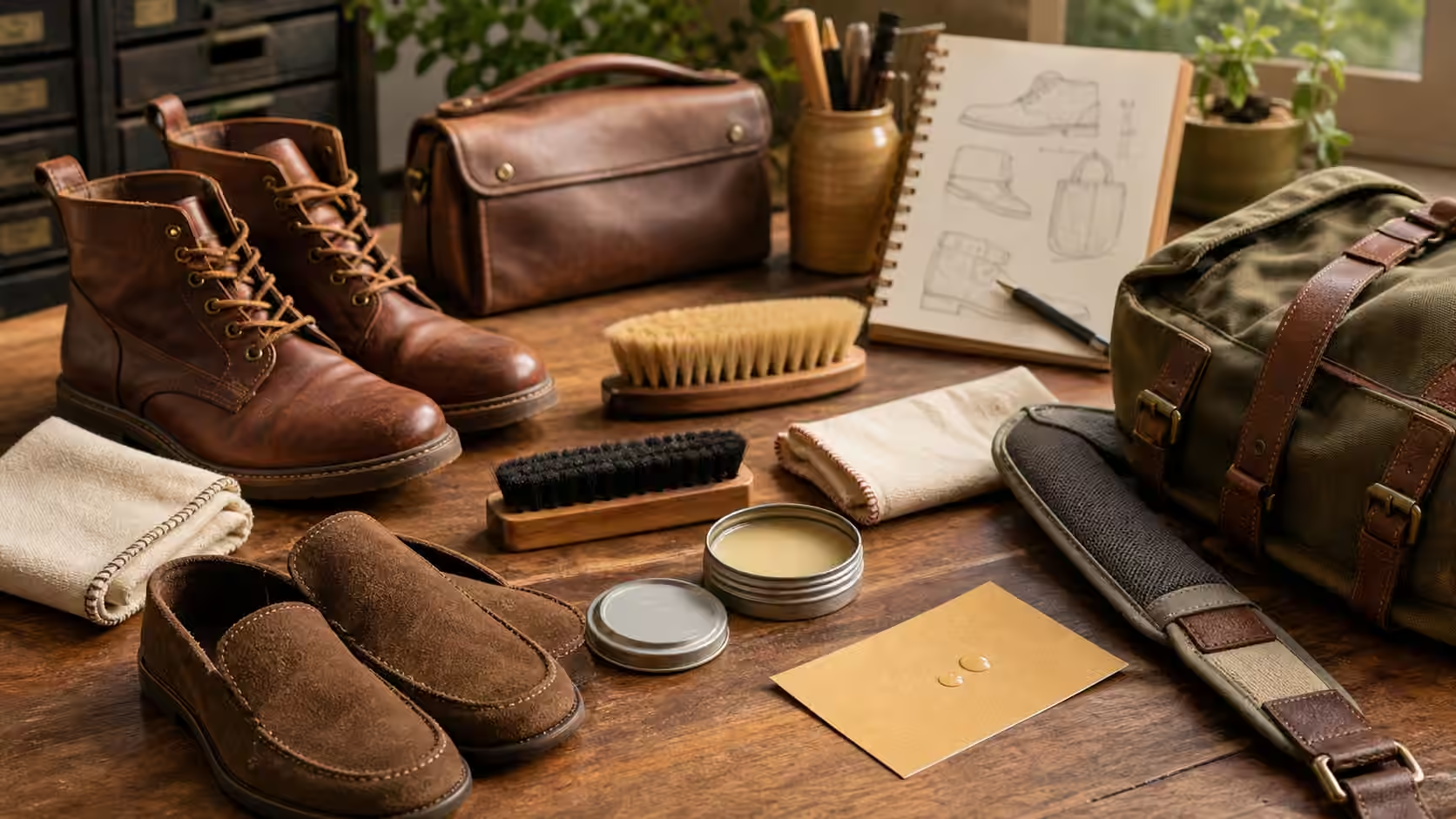
- Shoe Care Quickstart: Clean, Dry, Brush, Condition, Protect
- Sneaker Sole Separation: Glue, Cobbler, or Replace?
- How to Find and Talk to a Cobbler
- Leather Conditioner vs Polish vs Waterproofing
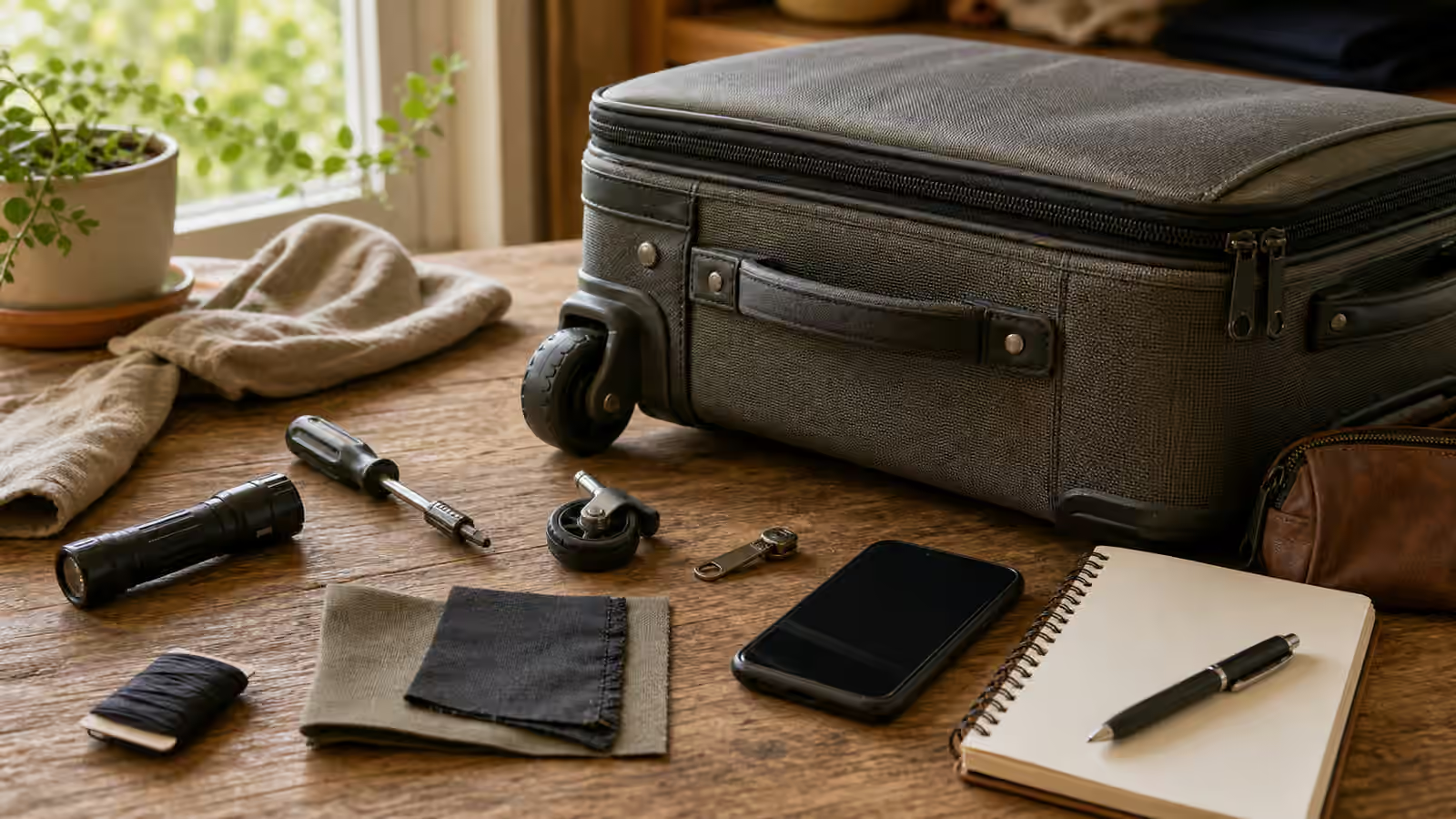
- Luggage Wheels, Handles, Zippers, and Seams Before Travel
- Repair Cafe, Cobbler, Tailor, Maker Space, or Manufacturer?
- How to Ask for a Repair Quote
- Replacement Parts: OEM, Aftermarket, Salvage, and Red Flags
- How to Find a Manual Without Downloading Malware
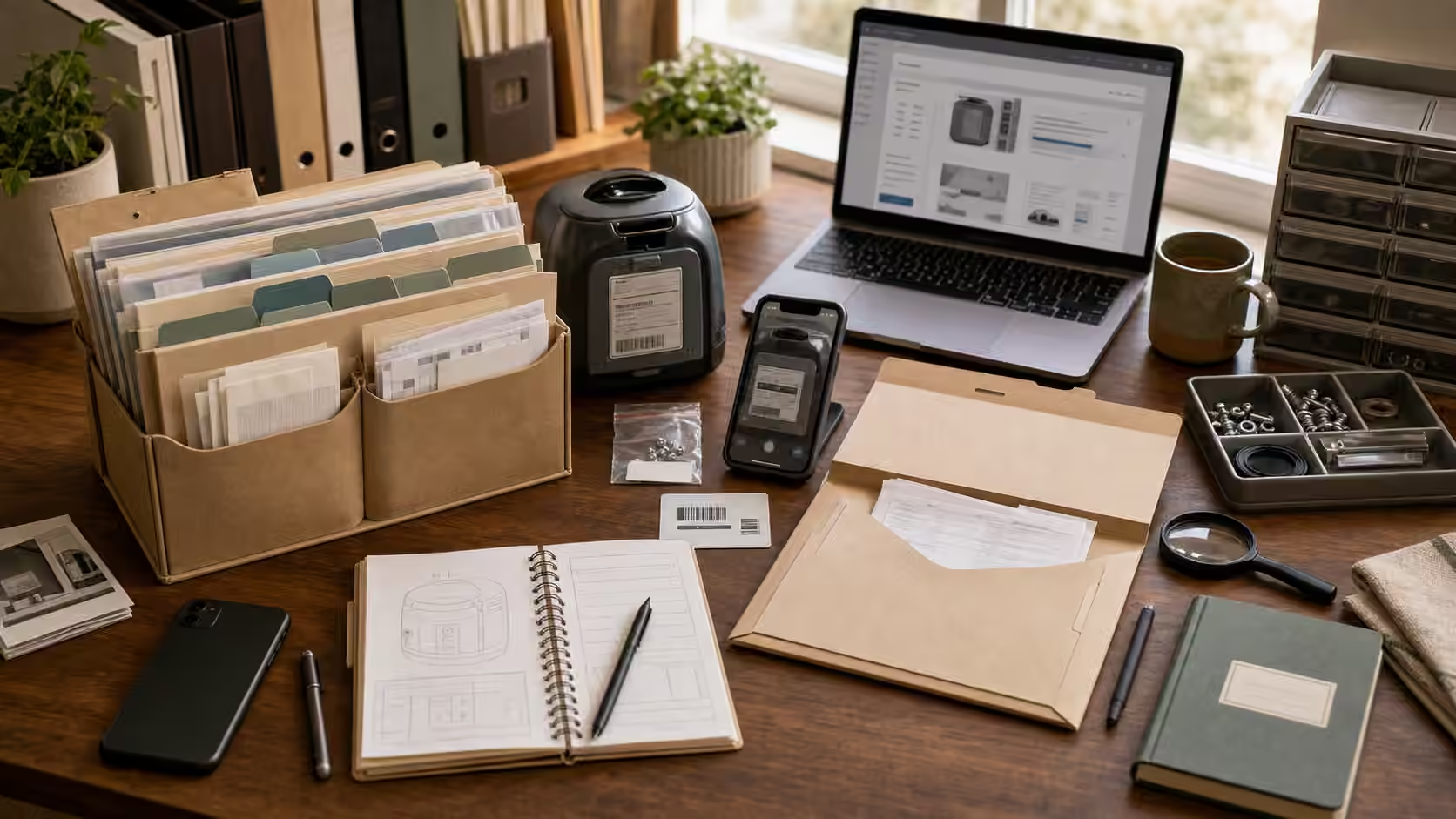
- The Warranty Folder: Receipts, Manuals, Model Numbers, and Photos
- The Repairability Checklist Before Buying Anything Durable
Treat this library as a reference bench, not a curriculum. When something fails, triage it, check the matching cluster, and log what you did so the next fix goes faster. For quick practice between guides, the Keepercraft game track turns small saves, repair quotes, safety boundaries, and Save Log habits into short drills.