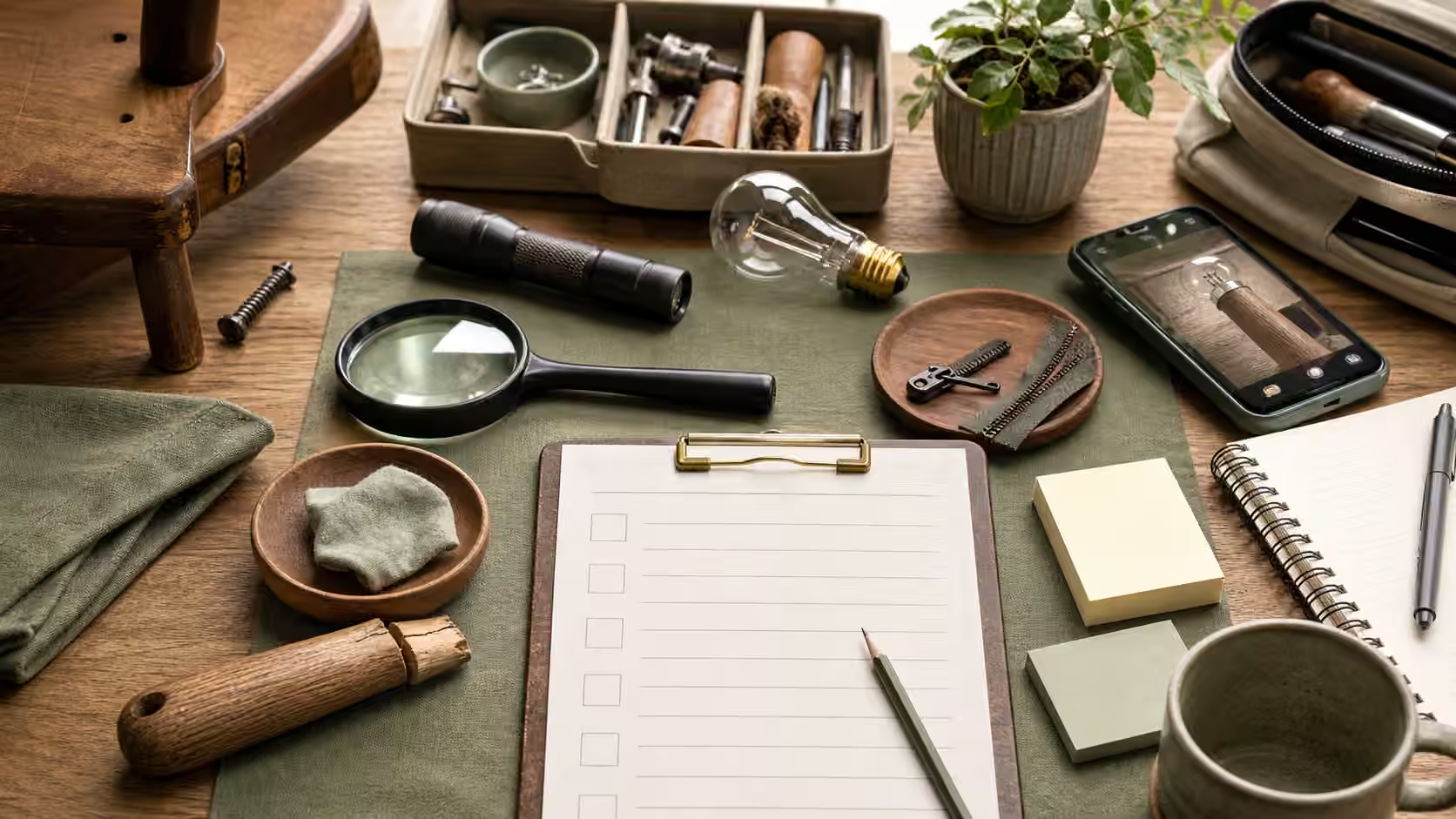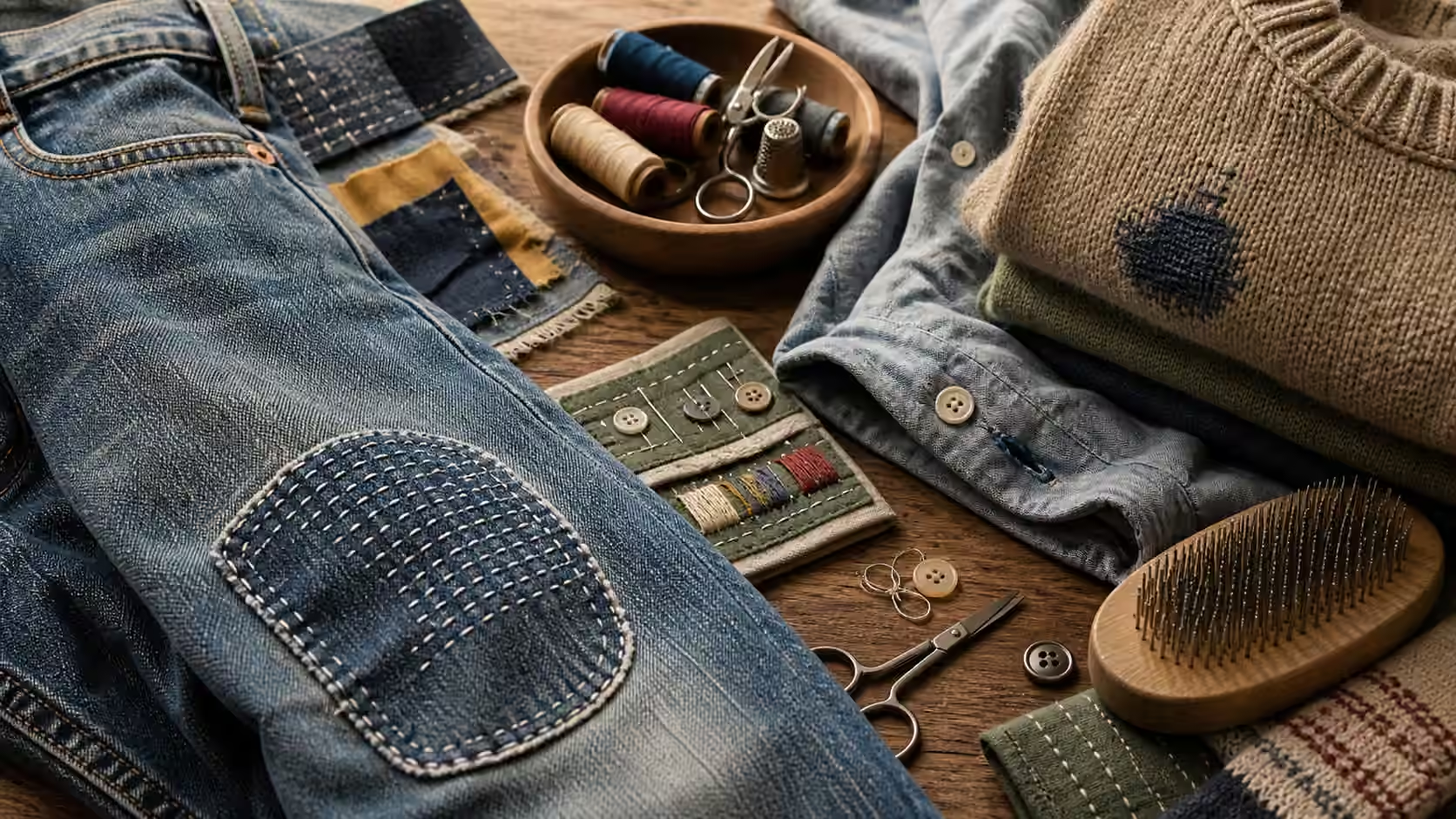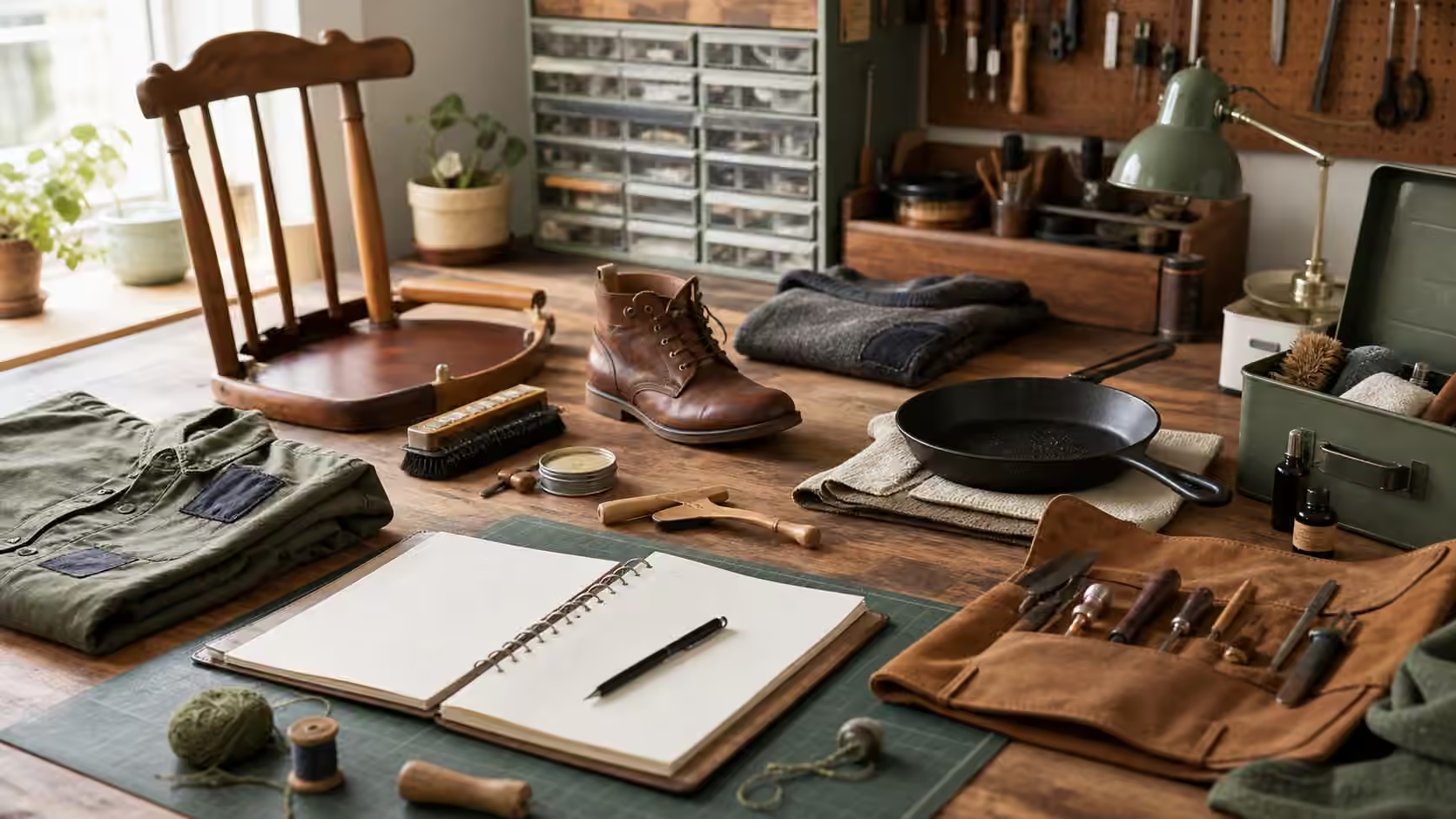
Repair, maintain, clean, mend, sharpen, restore, document, and keep the things you already own.
Keepers Guild is a practical guide to caring for everyday possessions before replacing them. Learn how to triage problems, clean first, choose safe beginner fixes, maintain useful objects, find manuals and parts, talk to repairers, and build the skills that make things last.
Start here
Begin with Keepers Guild Quickstart , then use The 10-Minute Triage , Clean First , The Five Beginner Moves , When Not to DIY , The Beginner Keeper Kit , Photograph a Problem Before Disassembly , and The Repair Cost Rule . Those eight guidebooks teach the core rhythm: look first, clean before judging, make the smallest safe move, document what happened, price the real choice, and stop when the category is high risk.
Useful tools and diagnostics
Compare repair cost, replacement cost, added life, safety risk, parts, time, and sentimental value.
Screen a beginner repair for electrical, heat, pressure, water, chemical, sharp-part, and structural risks.
Sort symptoms, risk, parts, documentation, and safer next research steps before opening the object.
Choose gentle first checks for leather, wood, cast iron, fabric, plastic, and metal symptoms.
Practise the hardest hand skill
Sharpening is the one keeper skill that will not come from reading, because it is a motion held steady rather than a step followed. Apex puts a whetstone and three real knives on a 3D bench and makes you perform the stroke: drag across the stone to sweep the blade heel to tip while holding an angle, with a hand that drifts the way real hands do. It measures every stroke, shows the apex under a loupe as you work, and makes you find the burr by feel before you flip. It teaches why consistency beats effort, why the grits go in order, and why a chipped edge costs blade height — all of which the knife care guidebook explains, and none of which your hands believe until they have tried it.
Save One Thing This Week
Pick one low-risk object that is annoying but not dangerous: a shirt missing a button, a squeaky hinge, a dull kitchen knife that needs professional sharpening, a sticky drawer, a pair of shoes that need brushing, or a warranty folder that needs model numbers. Give it 20 minutes. If it becomes unsafe, expensive, confusing, or bigger than expected, stop with better documentation than you started with.
Repair, maintain, or replace?
Choose repair when the object is safe, parts or skills match the failure, and the result will be reliable.
Choose maintenance when cleaning, tightening, drying, oiling, brushing, or records prevent the next failure.
Choose replacement when safety, hidden damage, unavailable parts, or poor design make saving it false economy.
Build Your Keeper Kit
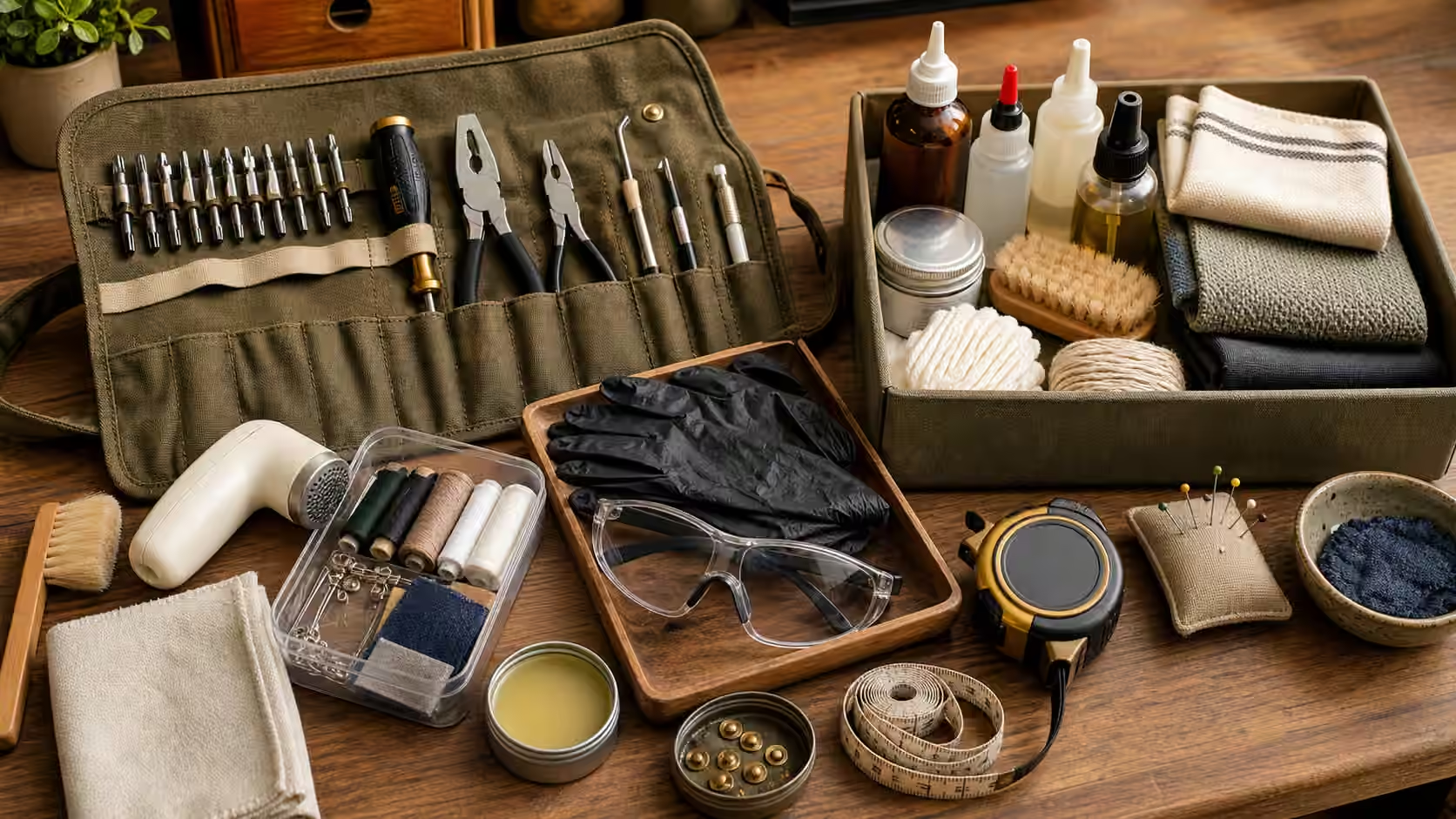
A good keeper kit is boring in the best way: light, cloths, brushes, screwdrivers, needles, thread, labels, a parts tray, gloves, eye protection, and a place to record what happened. Start with The Beginner Keeper Kit before buying specialty tools.
The Save Log
The Save Log is the core mechanic: write down the object, symptom, photo, first safe action, part number, cost, time, and outcome. It turns scattered fixes into practical skill. It also makes the Keepercraft game track more useful because each quest can point back to a real saved object.
Topic clusters
Beginner and core path
A practical first decision guide for deciding whether to clean, tighten, patch, service, repair, hire out, or replace an everyday object.
A repeatable ten-minute inspection routine for separating annoyance, maintenance, visible damage, and true safety risk.
How to clean before replacing, repairing, or blaming the object, while avoiding damage from harsh cleaners and overconfidence.
A safety-aware guide to the five small repair moves that solve many everyday problems without pretending every problem is simple.
A clear boundary guide for repair situations where the smart move is stopping, isolating the risk, and using qualified help.
Keeper kit
Save Log
Clothing and textiles
How to sew a button back on neatly, choose thread, protect the fabric, and avoid puckers or a stiff button.
A no-drama starter guide to running stitch, backstitch, whipstitch, knots, tension, and small repairs.
How to decide between discreet repair and visible mending for jeans, sweaters, jackets, bags, and beloved everyday clothes.
A textile triage guide for matching the problem to shaving, pulling through, darning, patching, hemming, or professional help.
How to triage common zipper failures and decide whether to clean, realign, replace a pull, or hire a tailor.
A practical guide to denim wear patterns, patch placement, thread choice, and when jeans deserve a tailor.
How to care for sweaters without shrinking, stretching, felting, or shaving them into weakness.
A maintenance guide to the wash and dry habits that cause shrinking, fading, pilling, elastic failure, and stains that set.
Shoes, bags, and leather
A beginner shoe-care routine for leather, suede, canvas, and sneakers without over-conditioning or trapping dirt.
How to judge sole separation, adhesive choice, surface prep, clamping, and when sneakers are done.
A plain-language guide to what leather conditioner, polish, wax, and waterproofing actually do.
How to brush, lift, and spot-clean suede while avoiding water marks, crushed nap, and shiny patches.
How to triage strap stitching, buckles, webbing, load, and repair risk before a bag fails at the worst moment.
How to choose a cobbler, describe the problem, bring useful photos, and decide whether shoe repair is worth it.
Kitchen and cookware
How to tell surface rust from deeper damage, clean sticky seasoning, and rebuild a usable cast iron pan.
A safety-aware guide to keeping kitchen knives useful without grinding away steel or making dangerous mistakes.
How to care for wood and plastic cutting boards, reduce odor, avoid warping, and know when a board is done.
A practical triage guide for stained, sticky, scratched, overheated, or worn nonstick cookware.
How to maintain everyday coffee gear by separating mineral scale, coffee oils, worn seals, and grinder burr issues.
How to clean stainless cookware without mistaking harmless rainbowing for damage or scrubbing polished surfaces badly.
Household fixes
How to tell whether a chair wobble comes from the floor, fasteners, joints, glides, or a real structural crack.
How to diagnose drawer problems by load, alignment, slides, tracks, fasteners, and wood movement.
A safety-first lamp triage that keeps beginners away from mains electrical repair while still solving simple causes.
A step-by-step maintenance guide for restoring vacuum suction without opening unsafe electrical housings.
How to tell whether a door needs lubrication, screw tightening, hinge adjustment, humidity patience, or a carpenter.
How to patch small wall damage cleanly while recognizing water, mold, and structural red flags.
Ownership intelligence
A simple photo workflow that preserves evidence, helps repairers, and makes reassembly less confusing.
How to build a simple folder that makes warranty claims, parts searches, insurance notes, and repair quotes easier.
A safer search workflow for finding manuals, part diagrams, and support pages without clicking junk download traps.
How to choose replacement parts without buying the wrong size, unsafe substitute, or counterfeit-looking bargain.
A guide to picking the right repair path based on object type, risk, parts, skill, and accountability.
How to send useful photos, symptoms, model details, goals, and boundaries so repairers can quote more accurately.
How to buy more repairable things by checking parts, manuals, fasteners, service networks, materials, and warranties before purchase.
All Keepers Guild guidebooks
- Keepers Guild Quickstart: Repair, Maintain, or Replace?
- The 10-Minute Triage: What Broke, What Changed, What Is Still Safe?
- Clean First: The Most Underrated Repair Skill
- Tighten, Lubricate, Patch, Glue, Replace: The Five Beginner Moves
- When Not to DIY: Electricity, Gas, Batteries, Mold, Ladders, and Structural Risk
- The Beginner Keeper Kit: What to Own Before Something Breaks
- How to Photograph a Problem Before You Take It Apart
- The Repair Cost Rule: When Saving It Makes Sense
- Button Repair Without Making the Shirt Look Worse
- Basic Hand-Stitching for People Who Don’t Sew
- Visible Mending: When to Hide the Fix and When to Celebrate It
- Pilling, Snags, Holes, and Fraying: What Each One Needs
- Zipper Problems: Stuck, Split, Missing Pull, or Broken Teeth
- Denim Repair: Knees, Thighs, Pockets, and Hem Wear
- Sweater Care: Washing, Drying, Blocking, and De-Pilling
- Laundry Mistakes That Quietly Destroy Clothes
- Shoe Care Quickstart: Clean, Dry, Brush, Condition, Protect
- Sneaker Sole Separation: Glue, Cobbler, or Replace?
- Leather Conditioner vs Polish vs Waterproofing
- Suede Cleaning Without Turning It Shiny
- Backpack Strap Repair and When the Stitching Needs a Pro
- How to Find and Talk to a Cobbler
- Cast Iron Rescue: Rust, Sticky Seasoning, and Flaking Myths
- Knife Care: Honing, Sharpening, Storage, and When to Stop
- Cutting Board Care: Oil, Wax, Cracks, Smells, and Warping
- Nonstick Pans: What Can Be Cleaned and What Is Done
- Coffee Gear Care: Scale, Oils, Gaskets, Burrs, and Seals
- Stainless Steel Stains, Rainbowing, and Burn Marks
- Wobbly Chair Diagnosis: Loose Fastener, Joint, Floor, or Crack?
- Drawer Slides: Sticky, Sagging, Crooked, or Broken
- Lamp Won’t Turn On: Bulb, Outlet, Switch, Cord, or Stop?
- Vacuum Lost Suction: Filters, Clogs, Belts, Rollers, and Seals
- Door Hinge Squeaks, Sticks, and Misalignment
- Wall Repair: Nail Holes, Anchors, Dents, and Paint Matching
- The Warranty Folder: Receipts, Manuals, Model Numbers, and Photos
- How to Find a Manual Without Downloading Malware
- Replacement Parts: OEM, Aftermarket, Salvage, and Red Flags
- Repair Cafe, Cobbler, Tailor, Maker Space, or Manufacturer?
- How to Ask for a Repair Quote
- The Repairability Checklist Before Buying Anything Durable