Yom Tov is one of those Jewish phrases that beginners hear before they know what it holds.
Someone says, “The first two days are Yom Tov,” or “We are having guests for Yom Tov lunch,” or “The office is closed for the holiday.” The words may sound like a greeting, and they can be used that way. Literally, the phrase means good day. In Jewish practice, it often refers to major festival days that are set apart with prayer, meals, candle lighting, kiddush, restrictions on ordinary work in traditionally observant communities, and a different feeling from both weekday and regular Shabbat. For background, read Leviticus 23 (festivals and counting) .
That difference can be confusing. A beginner may know about Shabbat and may know the names of holidays from The Jewish Holiday Year , but Yom Tov explains how the calendar becomes lived time. It is not just that a holiday has a story. The day itself changes what the home, synagogue, kitchen, and schedule are trying to do.
The exact practices vary by community, denomination, family, and location. Some Jews observe one day for certain biblical festivals in Israel and two days in many diaspora communities. Some communities have different patterns around work, cooking, electricity, driving, and synagogue attendance. A guide for beginners should not pretend to replace a rabbi, a local community, or a household custom. It can, however, explain the shape of the day so the questions make sense.
Festival time is not ordinary time with decorations
Modern calendars often treat holidays as themed days attached to meals, sales, trips, or school closures. Jewish festival time works more deeply. Yom Tov asks a household to enter a sacred calendar zone. Work may pause. Candles are lit. Meals become formal. Synagogue liturgy changes. The Torah reading fits the festival. Greetings shift. Certain foods appear. The table carries memory.
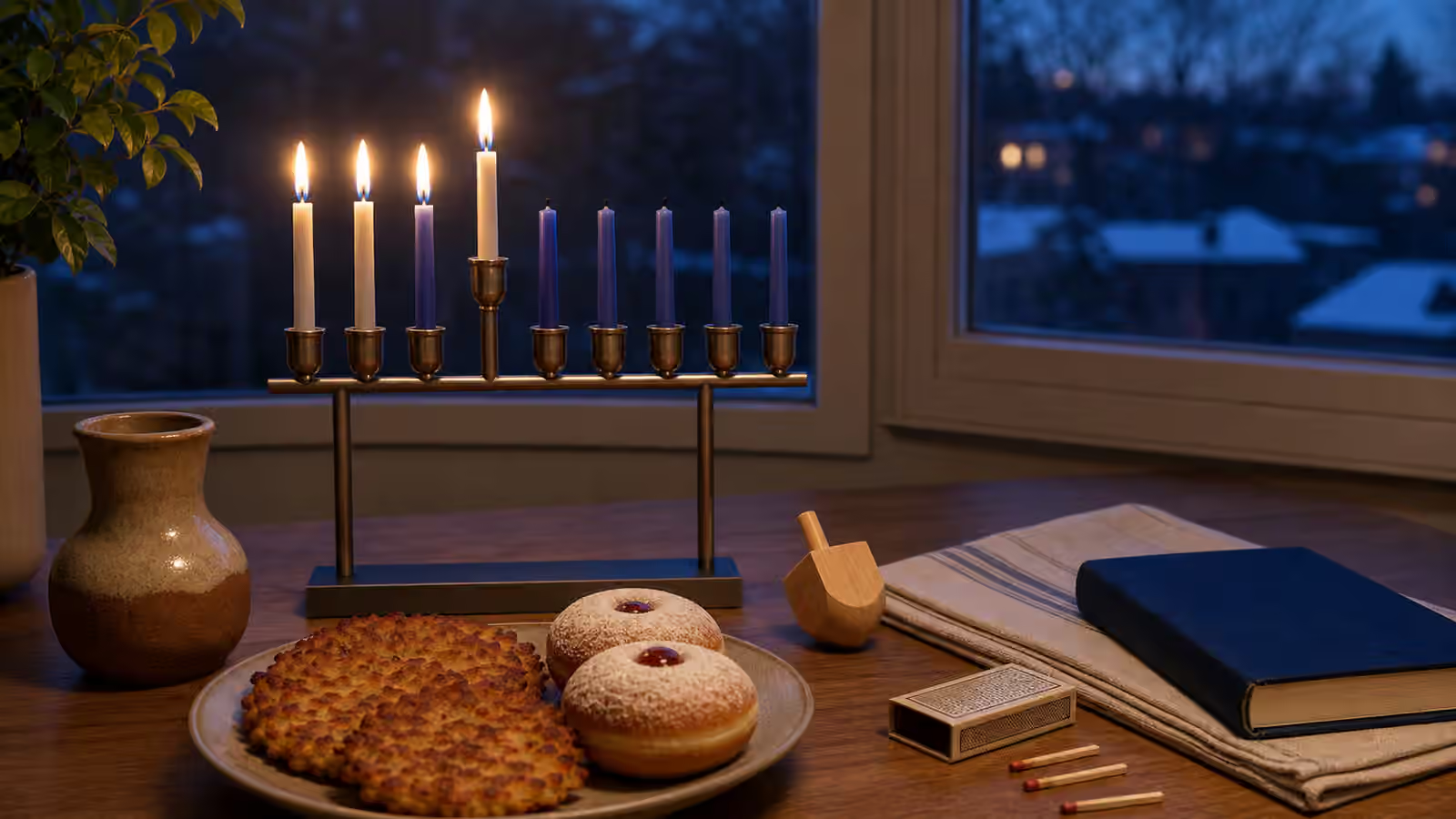
Passover, Shavuot, Sukkot, Shemini Atzeret, Simchat Torah, Rosh Hashanah, and the first and last days of some festivals all have Yom Tov dimensions in many communities. Yom Kippur is also a sacred day with its own severe character, though it is usually discussed separately because fasting, confession, and atonement define its atmosphere. Hanukkah and Purim are important and beloved, but they do not have the same Yom Tov work restrictions in traditional practice.
This distinction helps a beginner understand why some holidays feel like ordinary weekdays with added rituals, while others rearrange the whole household. A person may go to work during Hanukkah but take off for the first day of Sukkot. A family may light the menorah at night during Hanukkah but build several days of meals and synagogue time around Passover. The calendar has layers.
The home prepares before the day arrives
Yom Tov rarely begins at the moment of the first blessing. It begins in preparation. Food is cooked or planned. Candles are set out. Guests are invited. Holiday clothes may be chosen. Work messages may be handled before the holiday starts. Children may ask what is different this time. Someone may check the calendar because Jewish holidays begin in the evening, and civil dates shift each year.
This preparation is not a distraction from the meaning of the day. It is one way the meaning enters real life. A holiday that asks for joy cannot ignore the table. A holiday that asks for memory cannot ignore who has a seat. A holiday that asks for rest cannot ignore the work that needs to be finished or set aside before sunset.
For beginners, the practical pressure can feel heavier than the spiritual idea. That is normal. Jewish time is embodied. You may understand Sukkot as fragile shelter and still need to find chairs for the sukkah. You may understand Passover as liberation and still need to ask which foods fit the household standard. You may understand Shavuot as Torah and still need to decide whether you can attend late-night study. Meaning does not float above logistics. It passes through them.
Candle lighting marks the threshold
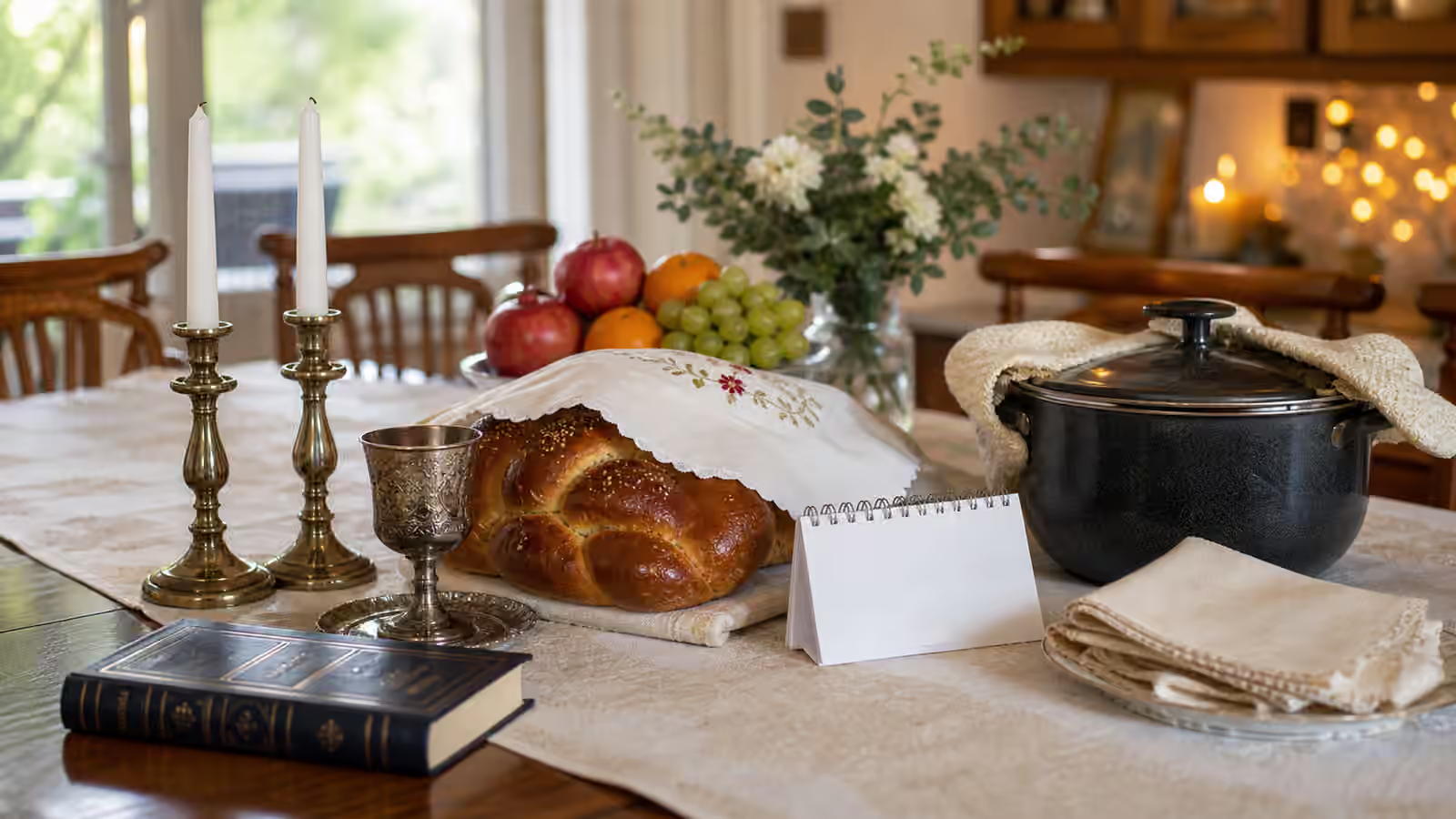
Many festival evenings begin with candle lighting, though timing and blessings vary by holiday and custom. The candles help a home say that the day has changed. This is similar to Shabbat, but the festival mood is its own. On Sukkot, the candles may be near a sukkah meal. On Rosh Hashanah, they may introduce a new year table. On Passover, they may open a seder night. On Shavuot, they may begin an evening that leads toward learning.
If you are a guest, do what your host asks. If you are hosting, explain the moment gently without turning it into a performance. A beginner does not need to know every legal detail to feel the threshold. The home is pausing before a day with a name, a story, and a demand.
Yom Tov meals often include kiddush, bread, festive food, songs, conversation, and teachings. They can feel like Shabbat meals, but the holiday content changes the table. The same cup and challah can carry different memory depending on the day.
Synagogue shows the festival in public
Yom Tov synagogue services can be rich and unfamiliar. The prayer book may switch from weekday or Shabbat pages into festival liturgy. Hallel, a set of psalms of praise, may be recited on many festivals. Torah readings fit the holiday. Yizkor, memorial prayers, are recited on certain festival days in many communities. The Amidah changes. Piyyutim, liturgical poems, may appear in some traditions. The melodies may signal the season before the words are understood.
If this sounds like too much, start with the room. Which books are people using? When does the ark open? Is the service joyful, solemn, crowded, relaxed, musical, formal, or family-heavy? Does the community explain page numbers for visitors? Is there a kiddush or meal afterward? These observations teach you the holiday’s public face.
Synagogue and Prayer for Beginners helps with the basic room, while holiday-specific guidebooks such as Sukkot at Home for Beginners , Shavuot for Beginners , and Rosh Hashanah at Home for Beginners explain the seasonal texture.
Yom Tov is close to Shabbat but not identical
Beginners often ask whether Yom Tov is just Shabbat for holidays. The answer is close enough to be useful and different enough to require care. In traditionally observant communities, Yom Tov shares many restrictions with Shabbat around ordinary work, business, and weekday tasks, but there are differences around food preparation and carrying under certain conditions. The details are practical and should be learned from a reliable teacher or community rather than guessed.
The larger meaning is that Yom Tov treats joy, memory, and obligation as serious enough to interrupt ordinary work. It is not merely a vacation day. The festival asks people to stop building the week long enough to inhabit a story.
This can be difficult in modern life. School calendars, jobs, family travel, and mixed-observance households do not always align with Jewish time. A beginner should be honest about the tension. The goal is not to pretend every household can do everything at once. The goal is to learn what the day is asking and take the next faithful step with the community and constraints you actually have.
The festival table remembers more than one thing
Each Yom Tov table carries a particular memory. Passover remembers liberation and asks questions. Shavuot receives Torah and honors learning. Sukkot sits in fragile shelter and practices joy. Rosh Hashanah tastes sweetness and faces judgment. Shemini Atzeret lingers after the festival season and prays for rain in communities that follow that liturgical cycle. Simchat Torah dances with ending and beginning.
The beginner should resist flattening these days into “Jewish holidays.” They are not interchangeable. The same table changes because the calendar changes. A covered challah near a sukkah does different work from matzah near a seder plate. A kiddush cup on Rosh Hashanah carries a different emotional register from a cup on Shavuot. The ritual objects may overlap, but the day gives them tone.
Ask before assuming
If you are invited for Yom Tov, ask the practical questions early. What time should you arrive? Is the meal meat, dairy, or pareve? Should you bring anything, and if so, what would fit the household’s kosher standard? Are phones put away? Are photos avoided? Is the community walking to synagogue? How long will services last? Is there a second day meal?
These questions are not signs of ignorance. They are signs of respect. Jewish festival practice is local enough that guessing can create unnecessary strain.
Yom Tov becomes less intimidating when you understand it as sacred calendar time made concrete. The day has a story. The home prepares. The synagogue speaks in a seasonal voice. The table gathers people around memory, joy, restraint, and return. You do not need to know the whole festival system before entering one festival well.
Begin with the next Yom Tov on the calendar. Learn its name, its central memory, its home practice, and one synagogue landmark. Let the day be more than a label. Let it change the room.