For many beginners, the hardest part of synagogue is not the Hebrew.
It is the room after services. Prayer has an order, even when you are lost. The social room feels looser. People know where the cups are, who is related, which table is for children, who sponsored the kiddush, when to sing, whether to wash for bread, and how long to linger. A newcomer can survive the service with a siddur and a helpful neighbor, then feel newly uncertain beside a platter of kugel or fruit. For background, read Maimonides — Shabbat 29 (Kiddush and Havdalah) .
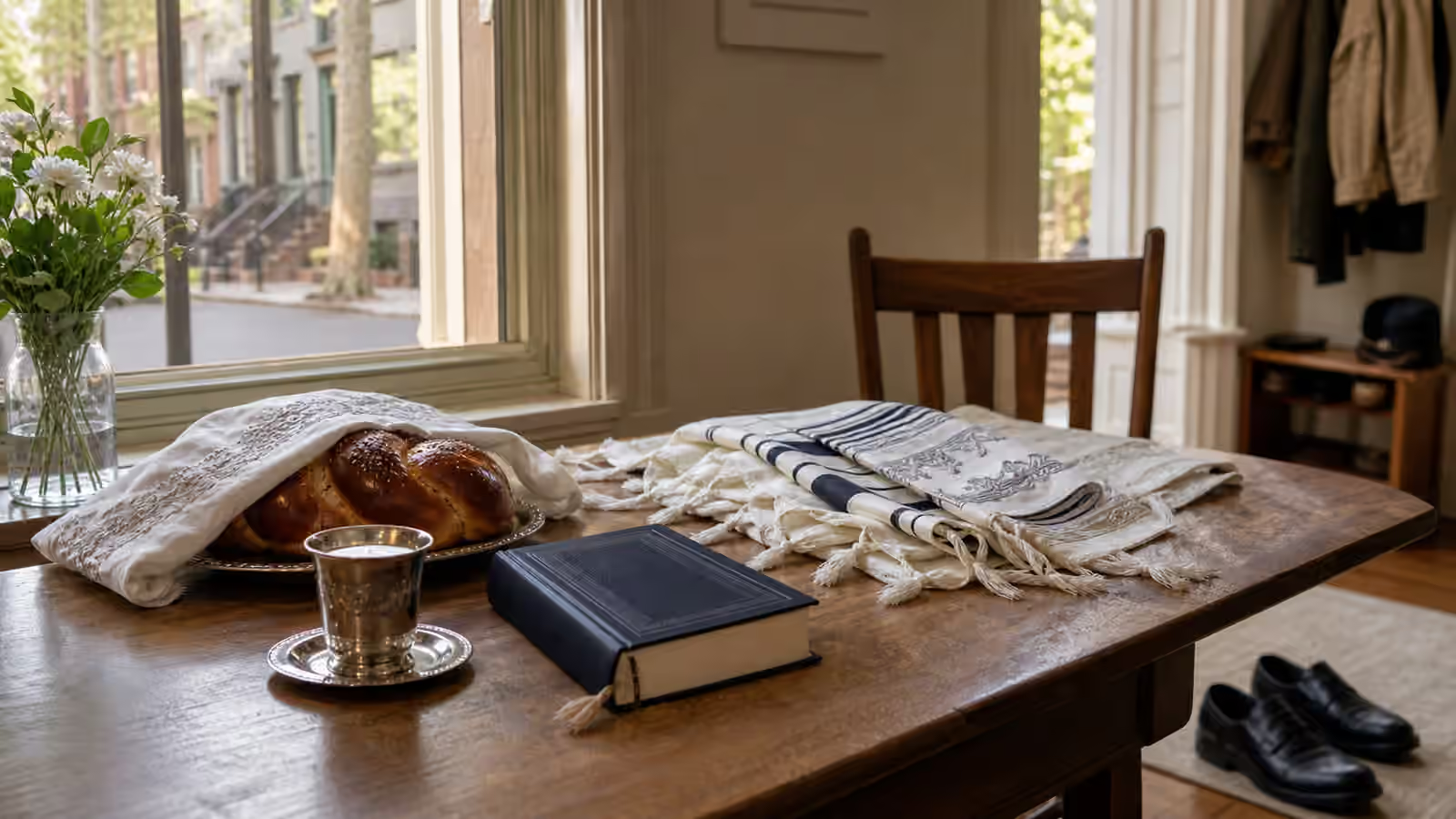
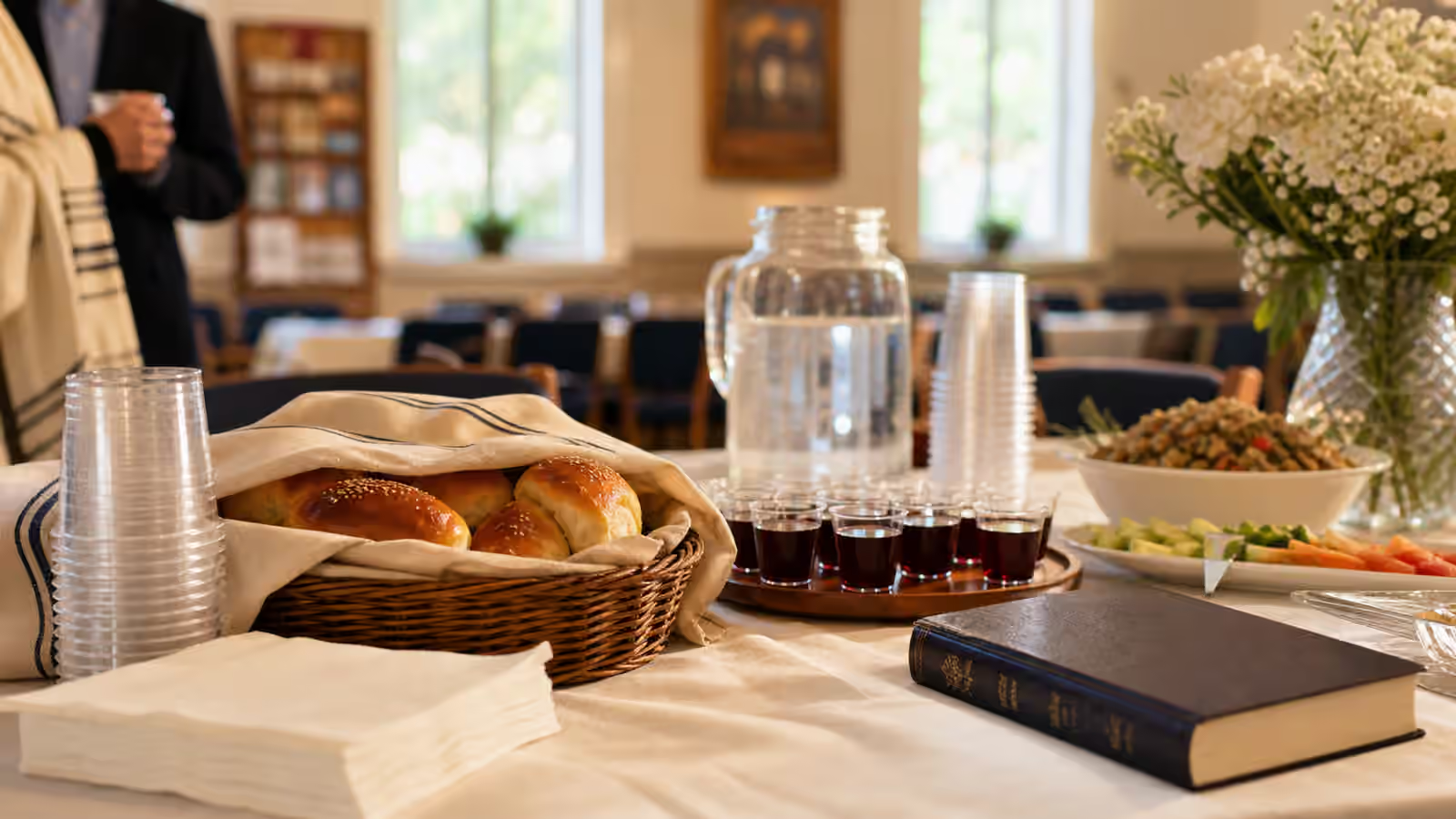
Synagogue kiddush is the food and blessing that often follow Shabbat or holiday morning services. In some communities it is a small table with wine or grape juice, challah or crackers, and a few snacks. In others it is a large luncheon. Sometimes a family sponsors it for a simcha, yahrzeit, birthday, aufruf, baby naming, bar or bat mitzvah, or communal milestone. Sometimes it is simply what the synagogue does every week so people do not leave prayer as strangers.
Shabbat Morning for Beginners explains the larger arc from services to lunch and rest. Kiddush is the hinge. It carries the holiness of the morning into ordinary conversation, and it tests whether a community’s warmth can become practical.
The Blessing Gives the Room a Start
The word kiddush means sanctification. At home, Kiddush and Table Blessings explains how wine or grape juice marks Shabbat at the table. In synagogue, kiddush after services often begins when someone recites the blessing over wine or grape juice. People may gather around, answer amen, and then take a small cup or wait for instructions.
Local practice matters. Some communities make kiddush before people eat anything. Some have a longer order if bread is involved. Some encourage people to wash hands and make a meal, while others treat the food as a light snack. Some have separate arrangements for children, allergies, or kosher supervision. The beginner move is simple: pause before grabbing food, watch what others do, and ask quietly if you are unsure.
This pause is not about stiffness. It is about noticing that the table has ritual grammar. A plate of cookies can still belong to Shabbat. A plastic cup can still carry a blessing. The social room is not a break from Jewish life; it is another form of it.
Food Is Also Trust
Food in a synagogue is rarely just food. It carries kashrut, custom, budget, volunteer labor, allergies, sponsorship, grief, joy, and sometimes politics. A tray may have been prepared by a caterer, a synagogue kitchen committee, a family, or volunteers who arrived early while everyone else was still finding seats. A simple spread can represent hours of setup and cleanup.
A Beginner Kosher Kitchen helps explain why food practice depends on trust. In a synagogue, that trust is communal. Guests should not bring outside food unless invited to do so and unless they understand the community’s standards. If you have dietary needs, ask discreetly. If you are unsure whether something meets your own practice, it is acceptable not to eat. Do not turn your refusal into a judgment on the hosts.
Hosts also carry responsibility. Good kiddush hospitality leaves room for people who are new, elderly, disabled, grieving, hungry, shy, neurodivergent, or managing children. That does not require luxury. It requires enough thought that the room does not reward only the fastest, loudest, and most socially connected.
Conversation Is Part of the Practice
Kiddush conversation can be wonderfully ordinary. People talk about weather, children, books, sports, synagogue repairs, recipes, illness, travel, Torah, and the person who made the cholent. This ordinariness matters. Prayer gathers people vertically, toward God and sacred text. Kiddush gathers them horizontally, toward one another.
For newcomers, the first conversation may be awkward. Someone may ask where you are from, whether you are new in town, who invited you, or whether you are related to someone. These questions can be kind, clumsy, or both. You do not owe your entire Jewish biography over a paper plate. A short answer is enough. You can say that you are visiting, learning, exploring the community, or glad to be there.
Regulars should remember that friendliness is not interrogation. A person who comes to kiddush may be returning to Jewish life, exploring conversion, grieving, newly divorced, newly observant, newly nonobservant, lonely, curious, or simply hungry after a long service. Exploring Jewish Conversion for Beginners shows how tender public questions can become. Welcome should give people room to reveal themselves slowly.
Sponsorship Makes Memory Public
Many kiddush gatherings are sponsored. A family may sponsor in honor of a celebration or in memory of someone. The announcement may be brief, but the act is meaningful. Food becomes a way of letting the community share a threshold. A yahrzeit sponsor may be turning memory into nourishment. A family celebrating a birth may be letting joy become public. A bar or bat mitzvah family may be saying that the child’s learning belongs inside a larger room.
This is where kiddush connects with Yahrzeit and Remembrance at Home and Bar and Bat Mitzvah for Beginners . Lifecycle moments need witnesses. The social room is one of the places where witnesses eat, speak, and make memory less private.
If a sponsorship is announced, listen. If you know the family, a simple word afterward can matter. If you do not know them, you do not need to invent intimacy. Your presence at the table is already part of the communal response.
The Room Has Local Custom
Every synagogue kiddush has local choreography. In one place, everyone waits for the rabbi to make kiddush. In another, several small circles form. In one community, people sing before eating. In another, people drift straight to coffee. Some rooms have a children’s table, a visitors’ table, a mourner quietly receiving greetings, or a kitchen door that volunteers wish people would stop blocking.
Kippah, Dress, and Synagogue Etiquette for Beginners is useful because etiquette continues after services. Do not crowd the table before elderly people or children can reach it. Do not lift covers or inspect food with your hands. Do not press someone to eat. Do not photograph people without consent, and in many Shabbat-observant communities do not use a phone at all. If the room is small, take a modest first portion and return later if plenty remains.
These details may sound minor, but they are how respect becomes visible. Jewish community is built as much through how people stand in line as through what they say about kindness.
Leaving Is Also a Skill
Kiddush can blur time. Some people leave quickly for home lunch. Others stay until cleanup begins. Beginners may not know when a conversation has ended or whether they are expected to help. A good rule is to notice the room. If chairs are being stacked and tablecloths gathered, offer help or step out of the way. If someone invited you for Shabbat lunch, confirm gently and follow their lead. If you are leaving alone, thank someone who welcomed you, even if the morning was imperfect.
Shabbat Hospitality explains that being a guest includes reducing the host’s burden where you can. In synagogue, the hosts are often invisible volunteers. A sincere thank-you to the person carrying trays can honor more labor than a compliment to the person at the microphone.
Kiddush is not only refreshments. It is a weekly rehearsal in belonging. The cup is lifted, the blessing is said, the room loosens, and people discover whether prayer has made them more attentive to one another. A beginner does not need to know every family or every custom to enter that rehearsal. Take a small cup, wait your turn, ask gently, speak kindly, and notice the people who make the table possible.