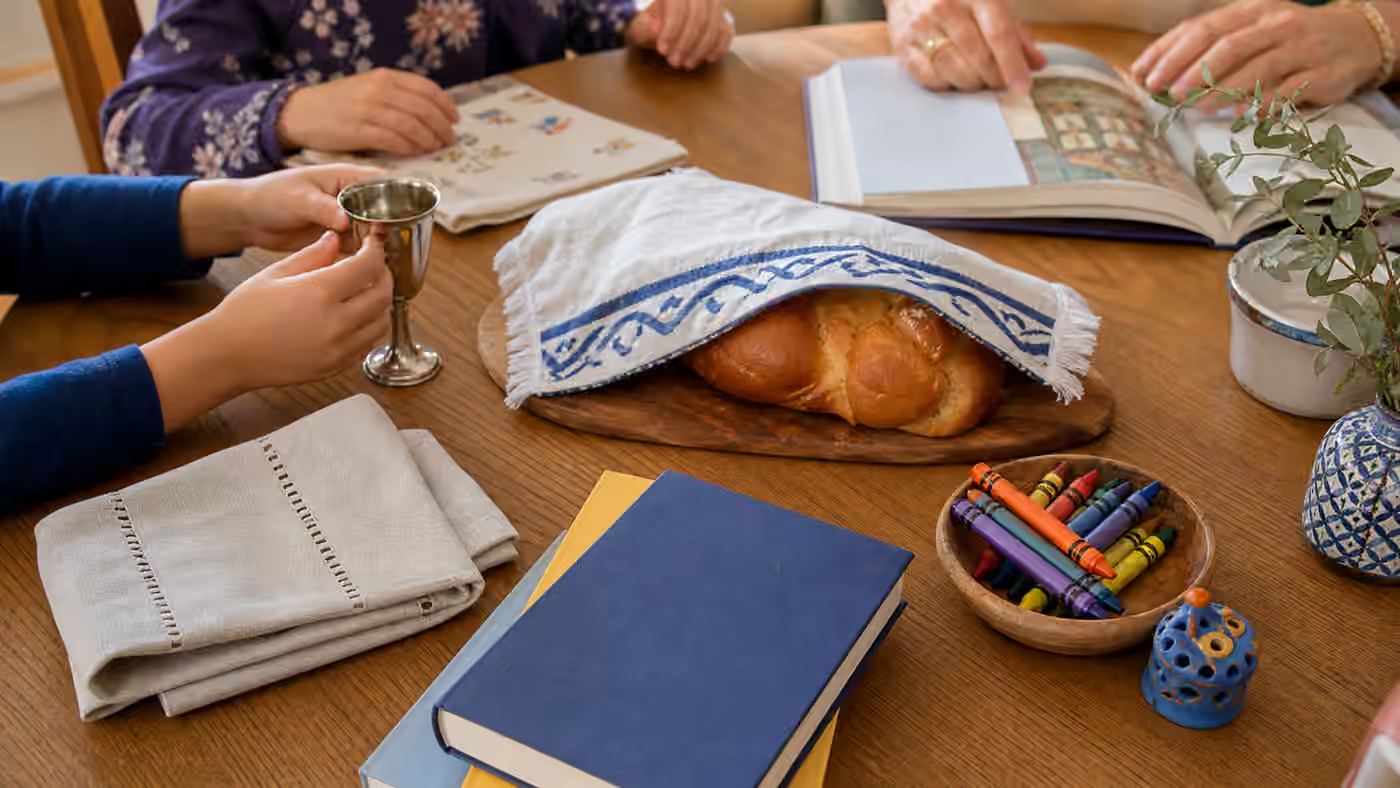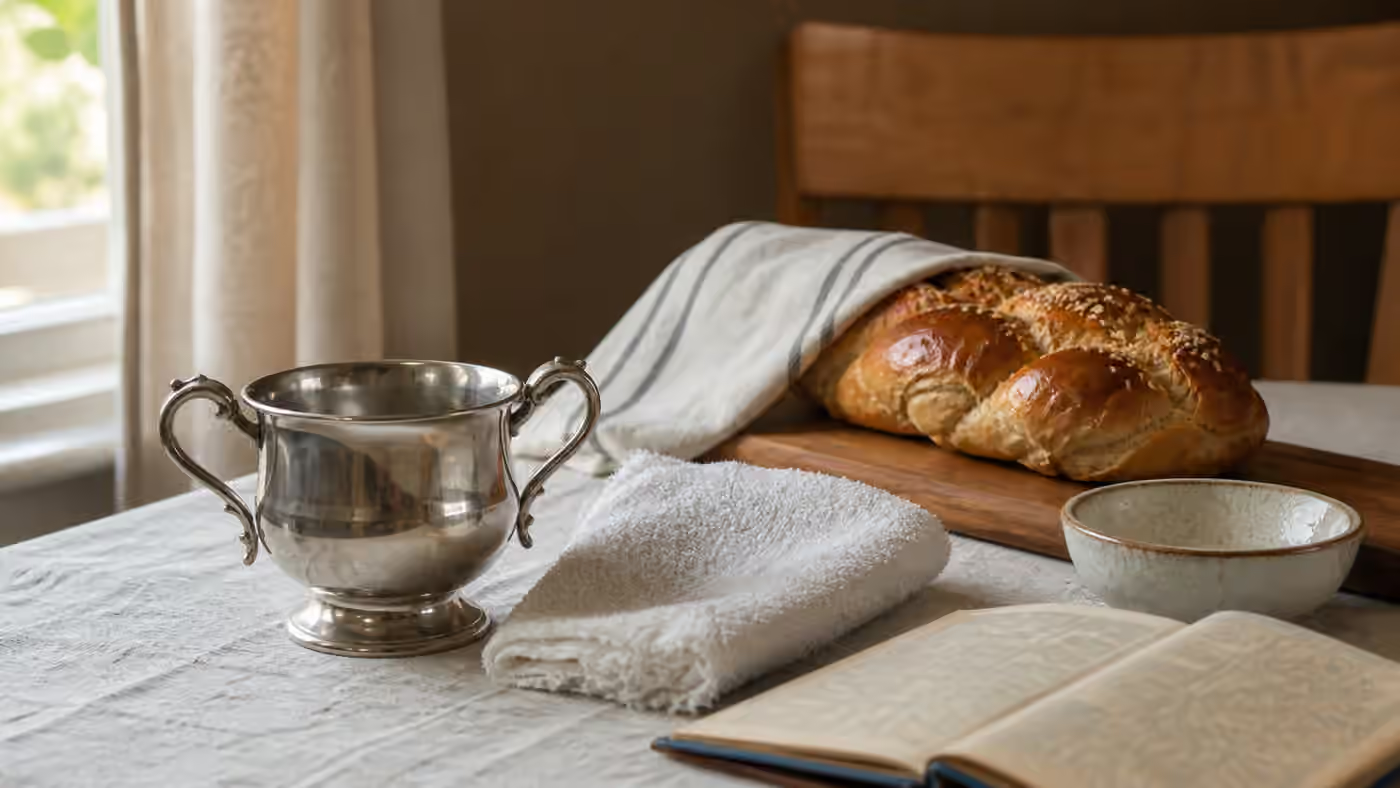
The washing cup often waits quietly beside the bread, but it can make a beginner feel suddenly visible. For background, read Mishnah Yadayim 1 (ritual handwashing background) .
A person may have followed the singing, watched the candles, listened to kiddush, and found a place at the table. Then the host stands, fills a cup with water, pours over each hand, says a blessing, and returns without much explanation. People line up near the sink or a basin. Someone points toward a towel. A guest wonders whether this is ordinary handwashing, a symbolic act, a private stringency, or a ritual everyone is expected to know.
Netilat yadayim, the ritual washing of hands before eating bread in many Jewish homes, is easiest to understand when it is placed in the rhythm of a bread meal. It is not simply a hygiene rule, though clean hands matter before eating. It is not a performance for guests. It is a short act that helps move the table from ordinary appetite into blessed eating. Kiddush and Table Blessings describes the Friday night table as a sequence of cup, washing, bread, food, and gratitude. Netilat yadayim is the quiet threshold between the cup and the bread.
Water Before Bread
Bread has a special place in Jewish meals. A meal with bread is not only a snack with a starch on the side. In many homes, bread gathers the table into a formal meal, and the blessing over bread, hamotzi, can cover the meal in a way other food blessings do not. Later, Birkat Hamazon gives the meal an afterword of gratitude. Washing before bread belongs to that larger structure. The hands are prepared before the bread is received, and the meal is closed with thanks after the eating is done.
The practice has roots in older ideas of purity, priestly food, and the way sacred attention enters ordinary acts. A beginner does not need to master that history before washing. Still, it helps to know that the water is not pretending the hands were dirty in the usual sense. Someone may have just washed with soap. Netilat yadayim is a ritual preparation, not a comment on personal cleanliness.
That distinction can spare people embarrassment. A host who says, “We wash before bread here,” is not correcting the guest’s hygiene. A guest who asks, “Can you show me how your household does netilat yadayim?” is not confessing ignorance in a shameful way. They are asking to enter the meal’s rhythm respectfully.
The Cup Teaches by Repetition
Many households use a two-handled washing cup because it is easy to pass between hands while pouring. Some use a pitcher, a bowl, or another vessel if that is what the household has. The common shape is simple: water is poured over the hands in a repeated pattern, a blessing is recited according to the community’s custom, the hands are dried, and the person returns to the table for hamotzi. The exact number of pours, the order of blessing and drying, and the custom around speech between washing and bread vary. A local teacher, siddur, host, or family practice can guide the details.
Beginners sometimes want a universal script. Jewish life rarely works that way at the table. Minhag for Beginners explains why two homes may both be careful and still differ. One family may wash at the sink. Another may bring a basin to the table. One host may quietly point guests toward the towel. Another may explain each step because newcomers are present. One community may be strict about not speaking between washing and bread, while another may handle the transition more loosely. The shared pattern matters, and so does the local accent.
The washing cup teaches mostly through repetition. The first time, a person may watch every movement. The second time, the towel is easier to find. Eventually, the body remembers before the mind has finished asking. That is one of the strengths of home practice. It lowers the threshold by returning to the same small act again and again.
Silence Can Carry the Table
In many traditional settings, people avoid unrelated speech between washing and eating the bread. This can surprise a beginner. A host who has been chatty may suddenly become quiet. Guests may smile, gesture, or point instead of answering out loud. The quiet is not coldness. It protects the connection between washing and the blessing over bread.
This silence can be awkward before it becomes beautiful. A beginner may be tempted to fill it with apologies or questions. If you are unsure what to do, follow the room. If you need practical help, ask quietly before washing or accept a gesture after. If you are hosting beginners, explain the custom before people are standing with wet hands. The explanation does not need to be long. It can be as simple as saying that people wash, say the blessing, dry, and then try not to chat until everyone has heard hamotzi and eaten bread.
At a Shabbat table, the silence after washing can make the bread blessing feel less like a formality. The candles have already marked sacred time. Kiddush has already lifted the cup. Now the bread waits under its cover. The room gathers itself. When the blessing is said and the bread is shared, the meal opens with more attention than it would have had if everyone had drifted into eating.
Guests, Children, and Imperfect Tables
Netilat yadayim can become a moment of hospitality or a moment of unnecessary pressure. The difference is usually preparation. A host who knows guests are new can place the cup and towel clearly, explain the household custom before kiddush, and reassure people that they can watch first. A guest can avoid turning the moment into a debate at the sink. If the guest keeps a different practice, a calm private question before the meal is better than a public correction.
Children often learn the washing by wanting to hold the cup. That desire can be sweet and impractical at the same time. Water spills. Sleeves get wet. Someone forgets the towel. A child says the blessing loudly, half correctly, or with great seriousness. The table should not become careless, but it should remember that children learn rituals through bodies before they learn explanations. A small stool, a patient adult, and a towel that can survive real use may teach more than a lecture.
For people with limited mobility, illness, cramped kitchens, sensory needs, or other constraints, the practice may need thoughtful adaptation with guidance. Jewish ritual is lived by real bodies in real rooms. A household should seek responsible help rather than letting embarrassment decide what is possible.
Washing Is Not the Whole Meal
Because the washing is visible, it can become the thing a beginner fixates on. But netilat yadayim is not meant to swallow the table. It serves the bread, and the bread serves the meal. Once hamotzi has been said and the bread has been eaten, conversation returns, food arrives, and ordinary table life resumes under the shape that blessing has given it.
Everyday Jewish Blessings explains that blessings do not remove ordinary pleasure from food. They make pleasure accountable to gratitude. Netilat yadayim does something similar with readiness. It asks the hands to enter the meal deliberately. Those same hands will pass salt, pour water, serve soup, help a child, clear a plate, open a book, or reach for a song sheet. Washing before bread is not an escape from practical life. It prepares practical life to be received as part of the meal.
This is why the practice is especially moving when it is modest. A chipped cup can still carry the ritual. A small apartment sink can still become the place of preparation. A guest who needs help can still be welcomed with dignity. A table that is not elegant can still pause before bread.
Returning to the Sink
If you are learning, do not begin with anxiety about edge cases. Begin by noticing when bread is central to the meal. Ask how your household or host washes. Learn the blessing in the form your community uses. Place the towel where people can find it. Let the quiet before hamotzi be quiet enough to teach you.
Over time, the washing becomes less mysterious. The cup is filled, the water falls, the blessing steadies the moment, and the table waits. Then bread is shared. The practice is brief, but it changes the meal’s entrance. It says that eating is not only consumption, that hands can be prepared for gratitude, and that even the sink can become part of Jewish home life.