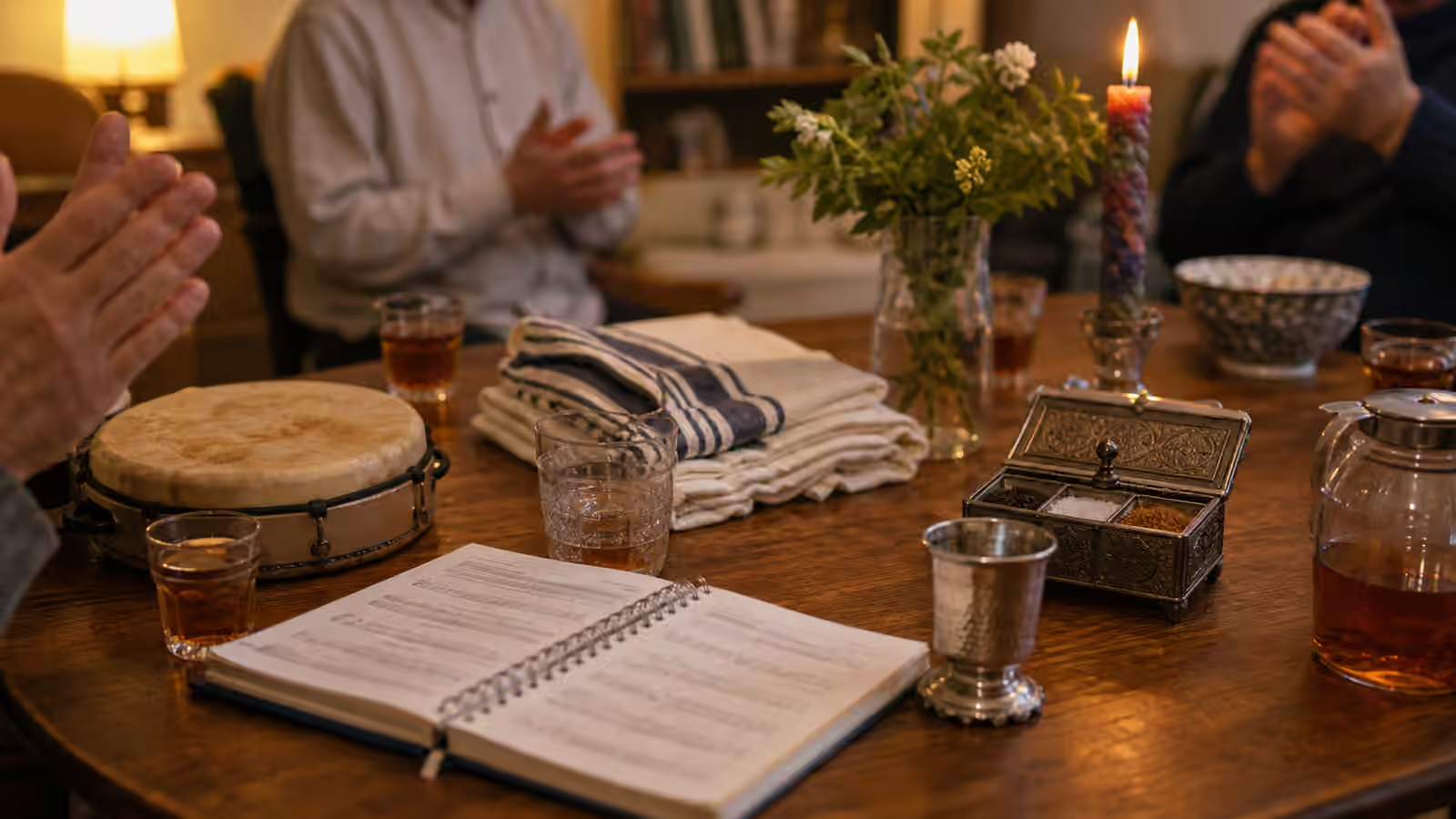
Kabbalat Shabbat begins before many beginners realize a service has truly begun.
People are still entering the room. Coats are being folded over seats. A child is asking for the right book. Someone is greeting a friend in a whisper that is not quite a whisper. The week is still clinging to everyone: unfinished work, traffic, errands, a phone tucked away with one last glance. Then the melody starts, or the leader opens a page of psalms, and the room begins to turn. For background, read Exodus 20:8–11 (Shabbat) .
Your First Shabbat Table explains Friday night through candles, Kiddush, challah, food, and the home table. Kabbalat Shabbat is the synagogue doorway into that same sacred time. It is not a replacement for the home meal, and it is not merely a prelude. It gives the community a way to stop together before dispersing to tables, dorm rooms, apartments, family kitchens, or quiet homes.
Welcoming Is an Active Verb
Kabbalat Shabbat means receiving or welcoming Shabbat. The phrase can sound gentle, almost decorative, but the service has a clear emotional task. It asks people to move from weekday urgency into sacred rest. That movement is not automatic. A person can sit in a synagogue and still be mentally arguing with an email. A community can gather and still carry the noise of the street inside. The service gives the transition a shape.
In many communities, Kabbalat Shabbat is built around a sequence of psalms followed by Lecha Dodi, the famous poem that imagines Shabbat as a bride or queen being welcomed. Customs vary widely. Some services are full of singing and instruments where the community permits them. Some are mostly a cappella. Some are quick and traditional. Some are meditative. Some include English readings, niggunim, or wordless melodies. Some are held before sunset in one season and after dark in another, depending on calendar, community practice, and practical scheduling.
The beginner does not need to know all the variations to understand the center. The room is trying to greet a day as if the day were an honored guest.
Psalms Change the Pace
The psalms at the beginning of Kabbalat Shabbat can feel strange if you expected a service to begin with the most familiar prayer. Instead, the room may move through poetry about creation, sovereignty, song, water, fields, trees, and joy before arriving at the later evening liturgy. This is part of the service’s wisdom. The week can shrink attention until a person sees only tasks. The psalms reopen the frame.
Creation language matters on Friday night because Shabbat is tied to the rhythm of creation and rest. The service does not ask a beginner to solve every theological question about creation before singing. It asks the body to hear that the world is larger than labor. Trees, seas, voices, and nations enter the room through poetry. A person who has been staring at a screen all day is invited to remember sky, breath, and time.
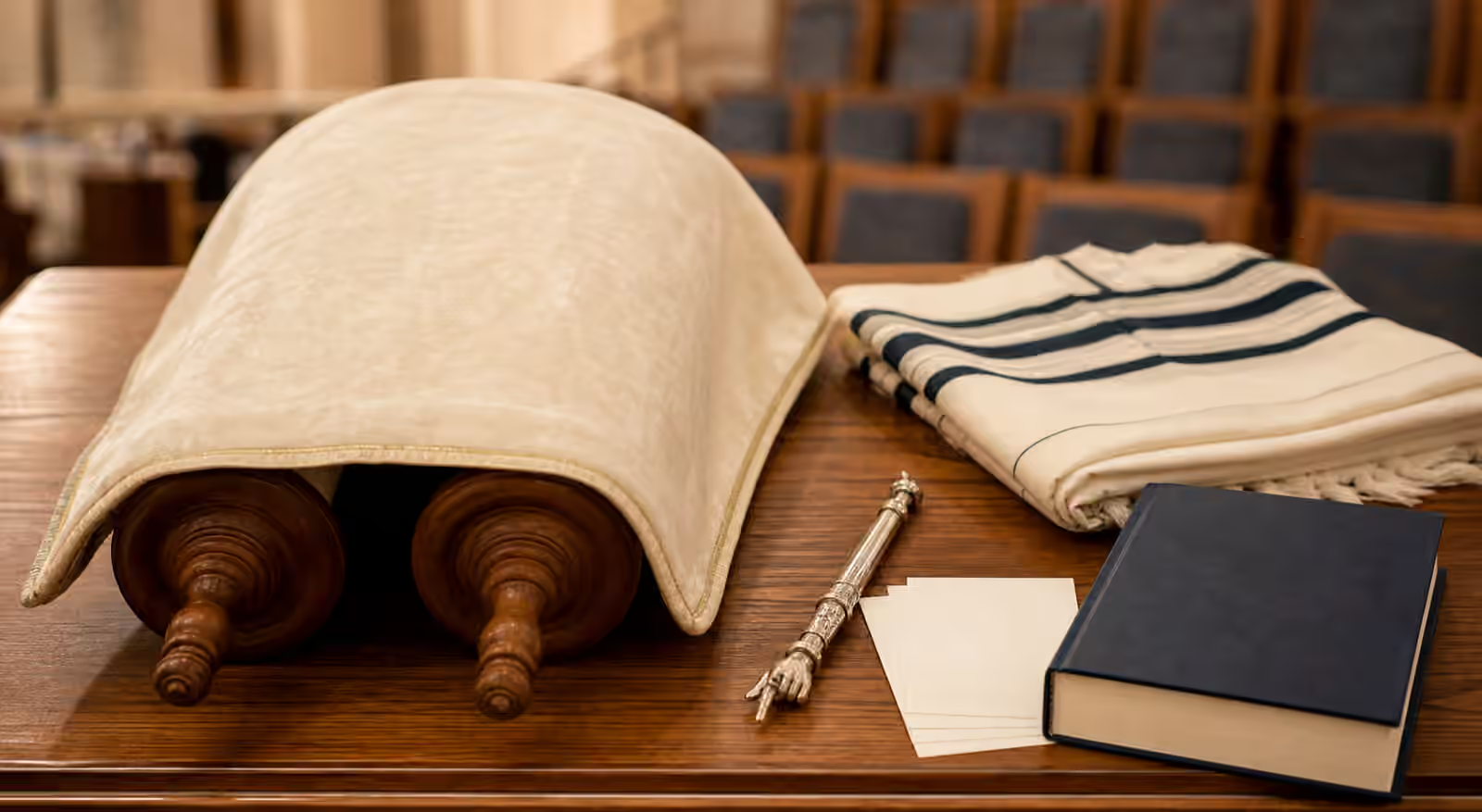
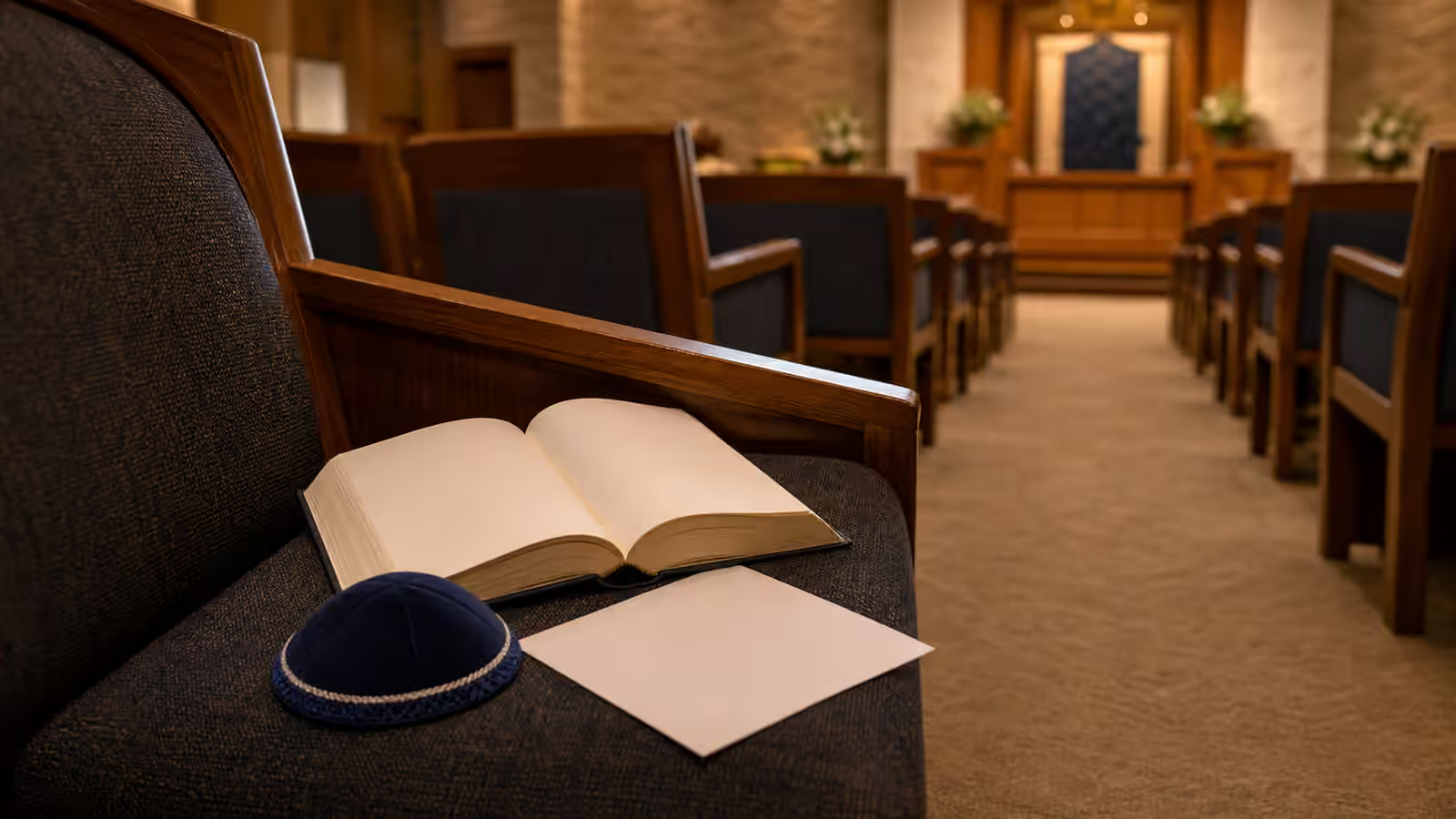
Synagogue and Prayer for Beginners is useful here because Kabbalat Shabbat still has the basic synagogue landmarks: books, page numbers, standing and sitting, melodies, leaders, regulars, and visitors. The difference is tone. Friday night often feels more approachable than a long Shabbat morning service. There may be less Torah-reading choreography and more shared song. For many beginners, this makes it a humane first synagogue service.
Lecha Dodi Gives the Room a Doorway
Lecha Dodi is often the emotional center. The poem was composed in sixteenth-century Safed and has traveled through countless melodies and communities. It calls the beloved to go out and greet the bride, meaning Shabbat. Many communities stand for part of it. Many turn toward the entrance near the final stanza, physically facing the arrival of Shabbat. The gesture can surprise a newcomer. Why turn around?
Because the service wants welcoming to become more than an idea. A door has a direction. A guest arrives from somewhere. Turning the body teaches what the words are saying. The room is not merely discussing Shabbat; it is receiving Shabbat.
The bride image may feel beautiful, foreign, difficult, or all three. Jewish liturgy often carries images that need time. A beginner can let the poetry work without forcing every metaphor into a neat explanation. The important point is that Shabbat is treated as presence, not only as a rule. The day enters with dignity, and the community practices noticing.
Friday Night Services Differ for Good Reasons
A first-time visitor may expect Kabbalat Shabbat to be the same everywhere. It is not. A Sephardi synagogue, an Ashkenazi Orthodox shul, a Reform temple, a Conservative congregation, a campus minyan, a Renewal gathering, a Mizrahi community, and a small havurah may all welcome Shabbat with different melodies, page orders, instruments, seating patterns, and levels of explanation. Even two synagogues using similar books may feel unlike each other.
This is where Siddur Navigation for Beginners helps. A prayer book is not only a text. It is a local map. Some siddurim place Kabbalat Shabbat in a clearly marked section. Some communities use handouts. Some announce pages carefully. Some assume regulars know the flow. If you get lost, stay calm. Listen for repeated refrains. Notice when people stand. Ask quietly before or after the service. Getting lost in a siddur is not a moral failure. It is part of learning a living practice.
Timing also varies. In some communities, the Friday night service is early enough for families to get home for dinner. In others, it begins later. In summer, the long daylight can make candle lighting, synagogue time, and dinner planning feel stretched. In winter, the day may enter before anyone has fully recovered from the workday. A service is always negotiating sacred time with ordinary logistics.
The Social Threshold Matters
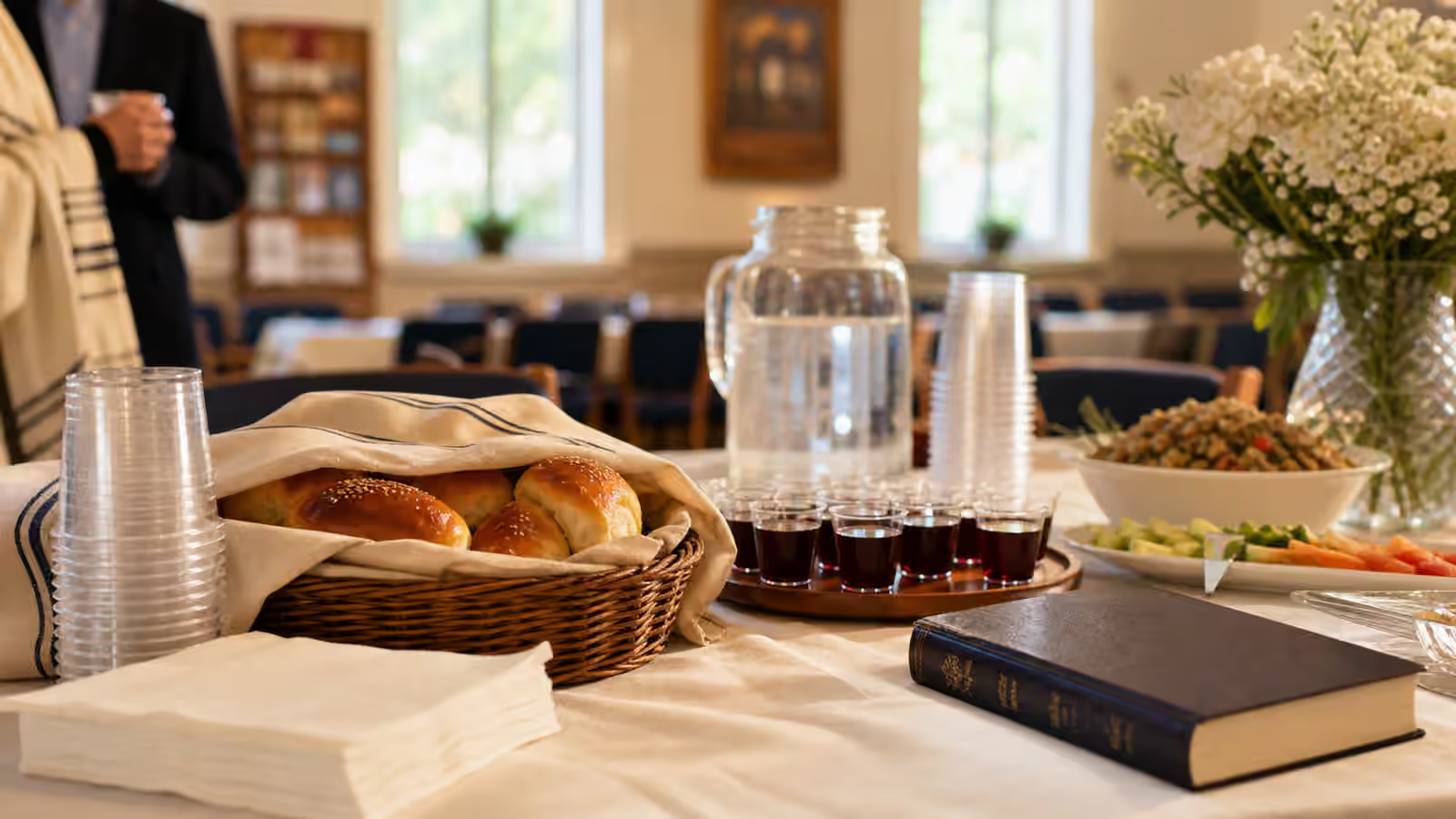
Kabbalat Shabbat often leads into a small social moment: greetings in the lobby, a communal dinner, an oneg with snacks, or simply the walk home with others. The service has welcomed Shabbat, but it has also made a community visible. You may learn who is hosting, who is new, who says hello easily, and who slips out quietly because the week was long.
For a beginner, the social threshold can be as important as the liturgy. If you are invited to dinner after services, Shabbat Hospitality can help you understand timing, food questions, hosts, guests, and leaving with grace. If you are not invited, do not assume you failed. Some communities are better than others at noticing newcomers. Some people already have family plans. Some Friday nights are crowded and some are sparse. Let one visit teach something, but not everything.
Kabbalat Shabbat is also a good place to observe how a community handles difference. Are visitors helped without embarrassment? Are children welcomed? Are mourners given room? Is the music participatory or performative? Does the service feel rushed, careful, joyful, formal, loose, or intimate? These impressions matter because synagogue life is not only what the liturgy says. It is how people carry the liturgy together.
Bringing the Service Home
The synagogue service and the home table can strengthen each other. A person may sing Lecha Dodi in community, then arrive home ready to hear Kiddush differently. The cup at the table is no longer an isolated ritual object. It belongs to a larger transition. The covered challah, candles, songs, and meal become part of the same welcome that began in the sanctuary.
Kiddush and Table Blessings explains how the meal finds its rhythm through wine or grape juice, bread, blessing, and shared attention. Kabbalat Shabbat gives that rhythm a public opening. The community says, in effect, that rest is not only private self-care. It is a covenantal pattern held by people who stop at roughly the same time, sing old words in local voices, and let the week loosen its grip.
If the service feels awkward the first time, return once more before deciding what it means to you. Melodies become familiar by repetition. Page turns become less mysterious. The turn toward the door in Lecha Dodi begins to feel less like theater and more like muscle memory. Over time, a person may discover that Friday night has two doors: one into the synagogue room and one into the home table. Both open toward Shabbat.