The first Jewish object many people notice in a home is not on the table. It is on the doorpost.
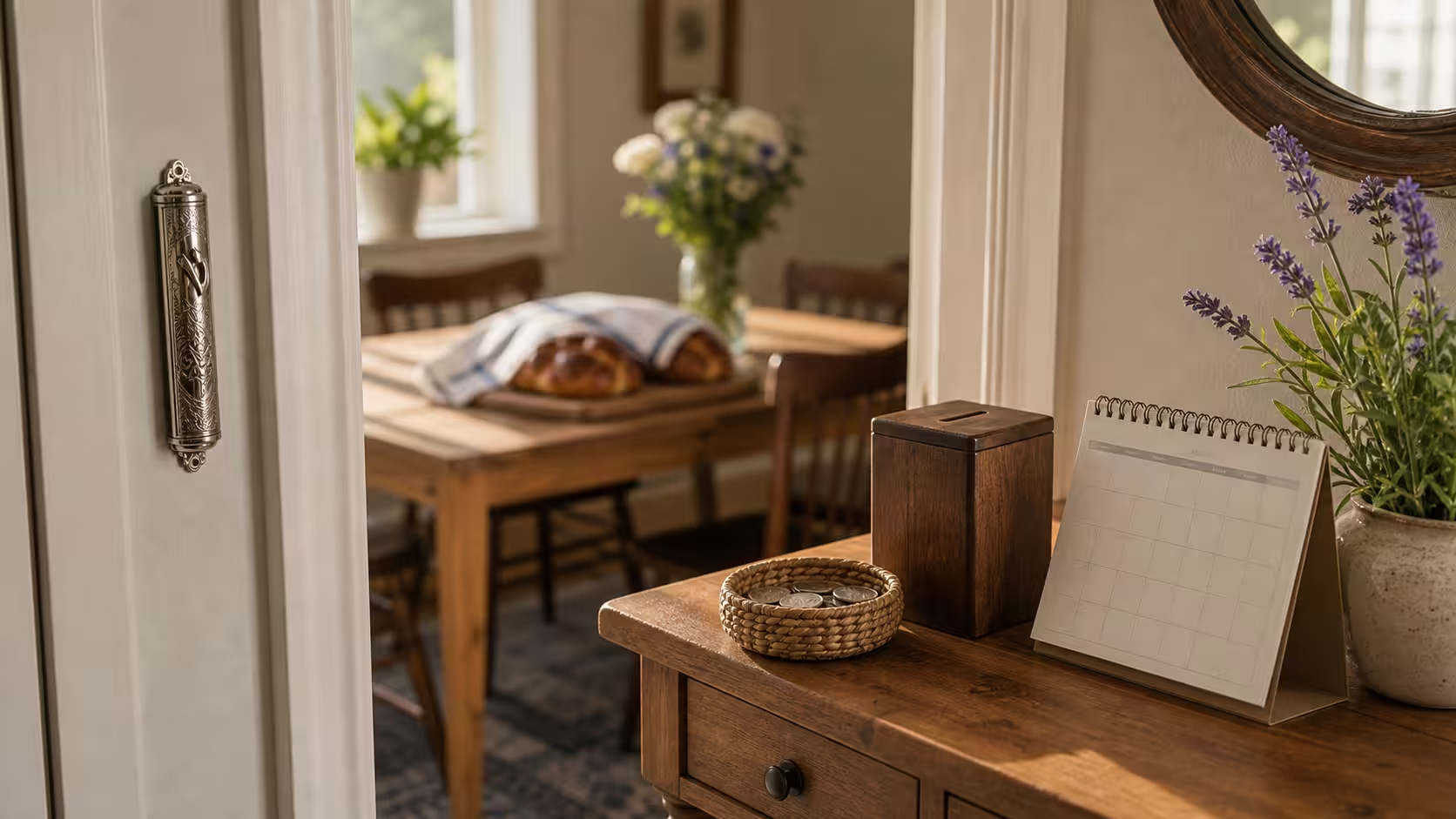
A mezuzah can be small enough to miss if you are not looking for it: a case fixed to the doorway, holding a parchment with passages from the Shema written by a trained scribe. In some homes it is plain. In others it is ceramic, silver, wood, glass, modern, inherited, handmade, or bought at the synagogue gift shop years ago. People may touch it when entering or leaving and then kiss their fingers. Some do not. Some homes have one at the front door and many interior doors. Some are learning what they want to do.
For a beginner, the mezuzah teaches a simple idea: Jewish home practice often turns ordinary thresholds into reminders. You are not only walking into a room. You are crossing into a life shaped by memory, obligation, and attention.
That is the tone of many Jewish home rituals. They do not all happen in synagogue. They do not require a crowd. They often attach to the places where life already happens: doors, tables, kitchens, shelves, bedrooms, wallets, calendars, and the moment when one week becomes another.
A home practice is built from small returns
Beginners sometimes imagine Jewish practice as a set of dramatic events: High Holiday services, a Passover seder, a wedding, a bar or bat mitzvah, a funeral. Those moments matter, but a Jewish home is more often shaped by small returns. A blessing before eating. A coin set aside for tzedakah. A Shabbat candle arrangement waiting on Friday afternoon. A mezuzah at the door. A havdalah candle after Shabbat. A calendar that knows the Hebrew date as well as the civil one. A shelf where prayer books, family photos, and ritual objects make a quiet cluster of meaning.
Small returns matter because they train attention. You do not have to feel inspired every time. You do not have to turn each act into a speech. A home practice becomes durable when it can survive ordinary moods.
This is one reason beginners should start smaller than their ambition. It is better to choose one practice and return to it honestly than to create an impressive household plan that collapses by the second week. A mezuzah installed with care, a weekly tzedakah habit, a Friday night candle routine, or a brief havdalah can become a real doorway.
Blessings teach that the ordinary is not invisible
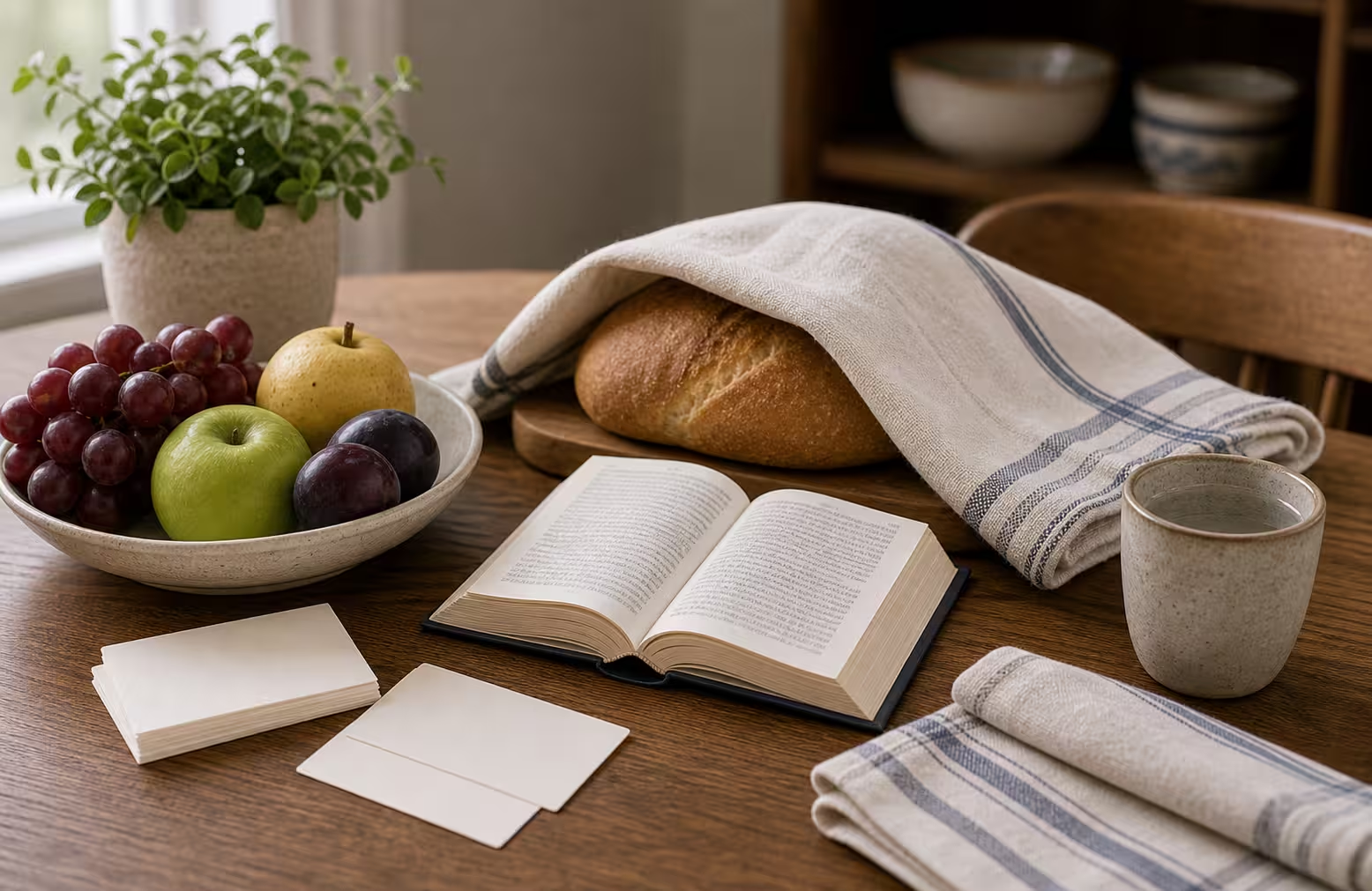
Jewish blessings, often called brachot, can be one of the gentlest ways into daily practice. There are blessings for bread, wine, fruit, fragrant spices, lighting candles, seeing certain natural wonders, performing mitzvot, and more. The details vary by context and tradition, and beginners should learn from a reliable siddur, teacher, or community. But the larger pattern is easy to feel: the ordinary world should not pass through your hands unnoticed.
A blessing before eating does not make the food magically Jewish. It changes the eater. It slows the hand. It says that hunger, earth, labor, money, cooking, and gratitude are all present in the bite. Even when the words are familiar enough to say quickly, the habit can keep a person from treating the world as raw material only.
The same is true of blessings over ritual acts. Lighting Shabbat candles, hearing the shofar, sitting in a sukkah, kindling Hanukkah lights, or counting the Omer can each have their own language. The blessing marks the act as part of a commanded or sacred pattern, not merely a private mood.
For a beginner, the healthiest way to learn blessings is slowly. Learn one you actually use. Say it with understanding. Then add another when the first has a place in your life.
Tzedakah is not just charity
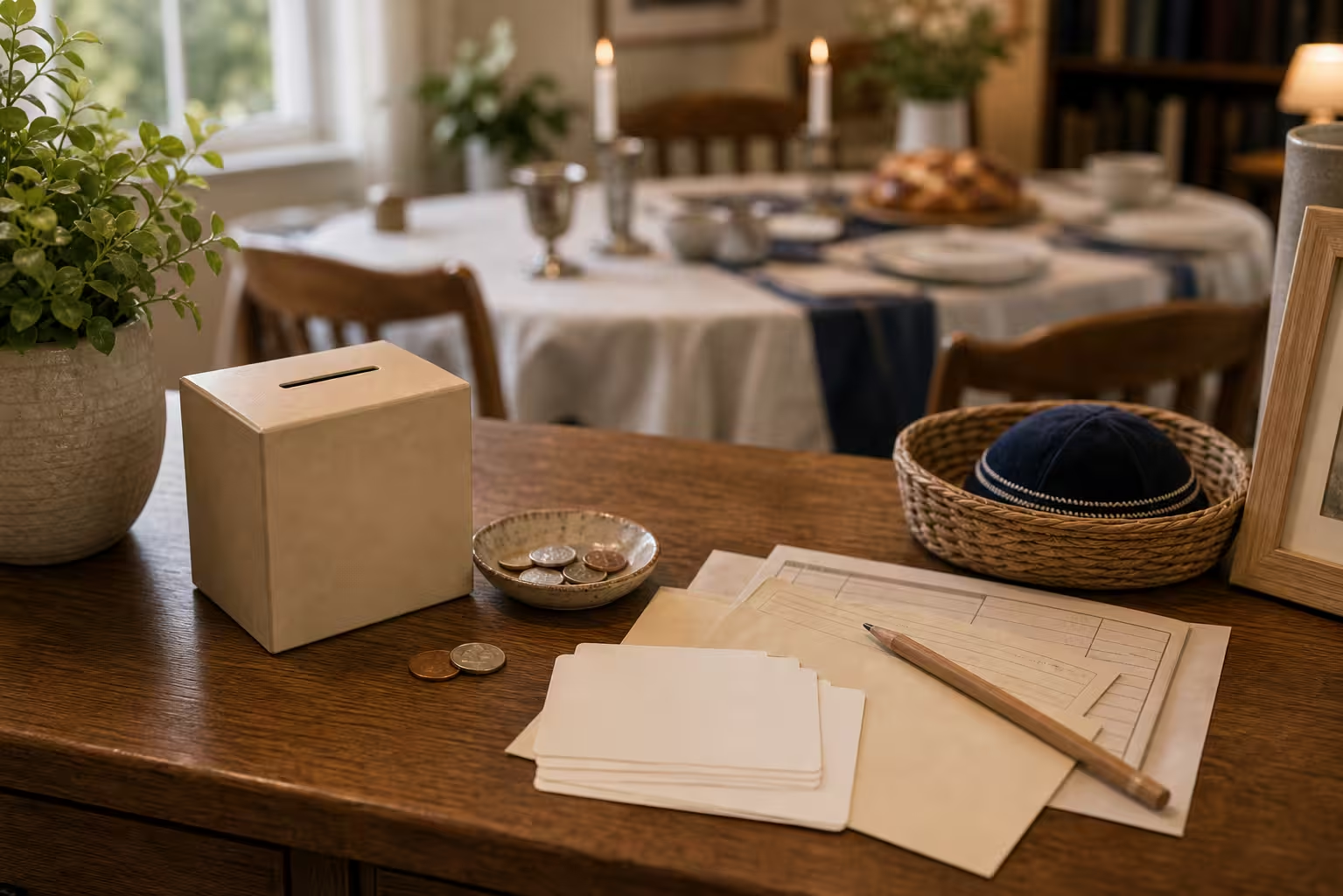
In many Jewish homes, there is a tzedakah box or a place where money is set aside for giving. The word tzedakah is often translated as charity, but it is related to justice and righteousness. That matters. The practice is not only about generosity when you feel moved. It is about the obligation to direct resources toward repair, dignity, and need.
A beginner-friendly home habit might be simple: put coins or a small amount of money aside before Shabbat, before holidays, with children, or on payday. Then decide where it will go. The amount matters less than the fact that giving becomes part of household rhythm. Children learn that money is not only for buying. Adults remember that private comfort is not the whole moral horizon.
This is also a place to avoid performance. A tzedakah habit does not need to become a public identity. It needs to become reliable.
Havdalah teaches how to end well
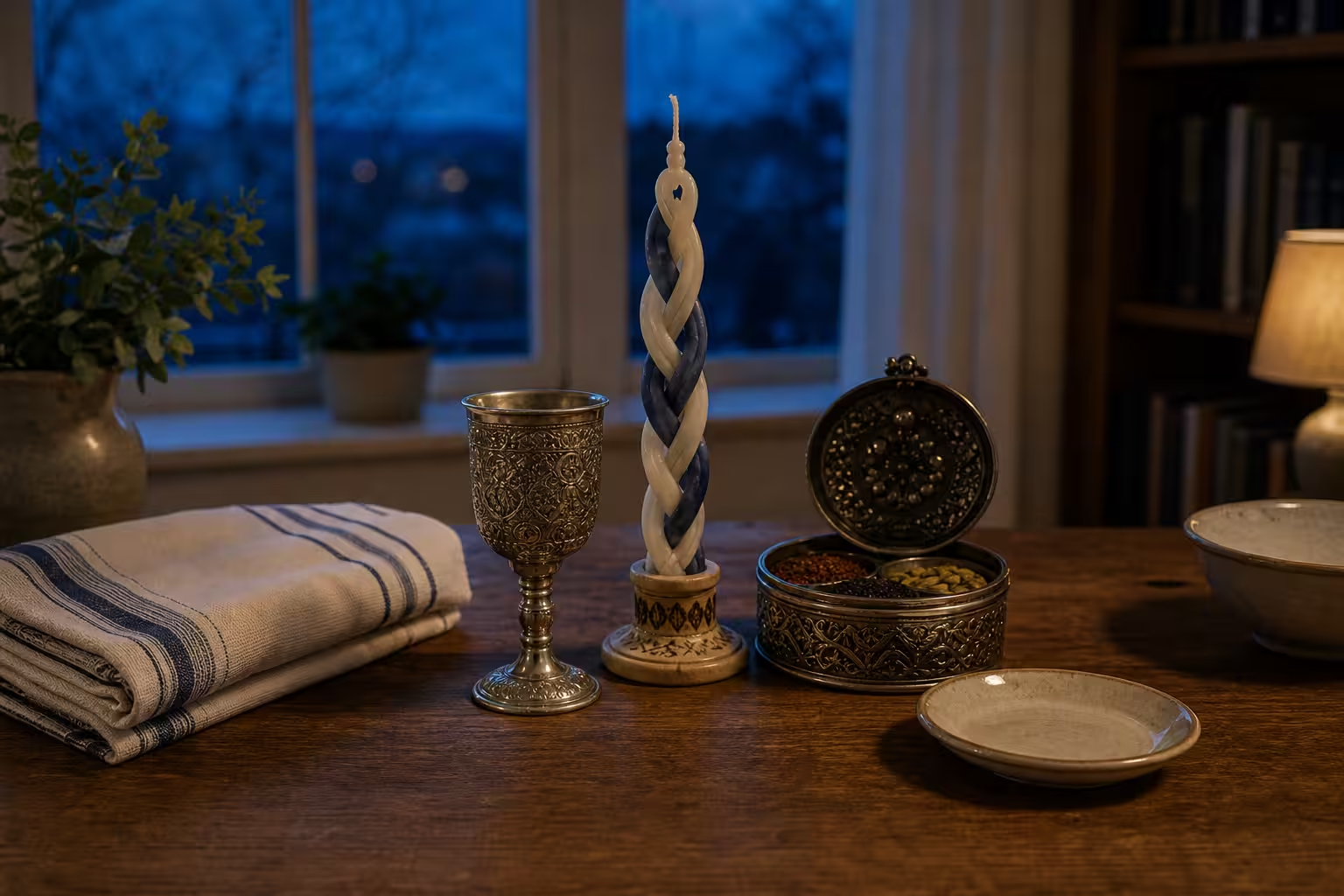
If Shabbat is welcomed with candles, wine, bread, and song, it is often escorted out with havdalah. The ceremony uses wine or grape juice, fragrant spices, a braided candle, and blessings that distinguish between sacred and ordinary time. The flame is lit, the spices are smelled, the cup is lifted, and the week returns.
Havdalah is a beautiful beginner practice because it is short, sensory, and emotionally honest. It does not pretend that leaving Shabbat is easy. The spices comfort. The flame gathers attention. The blessing over separation says that distinctions matter: light and dark, Israel and the nations in traditional language, Shabbat and the six days of work. Some communities and families adapt or explain the language in different ways. The core feeling remains: endings deserve care.
Modern life often ends things badly. The weekend dissolves into email. A meal dissolves into cleanup. A visit dissolves into traffic. Havdalah says that transition itself can be held. Even if the coming week is ordinary, ordinary time can be entered with dignity.
Ritual objects are tools, not trophies
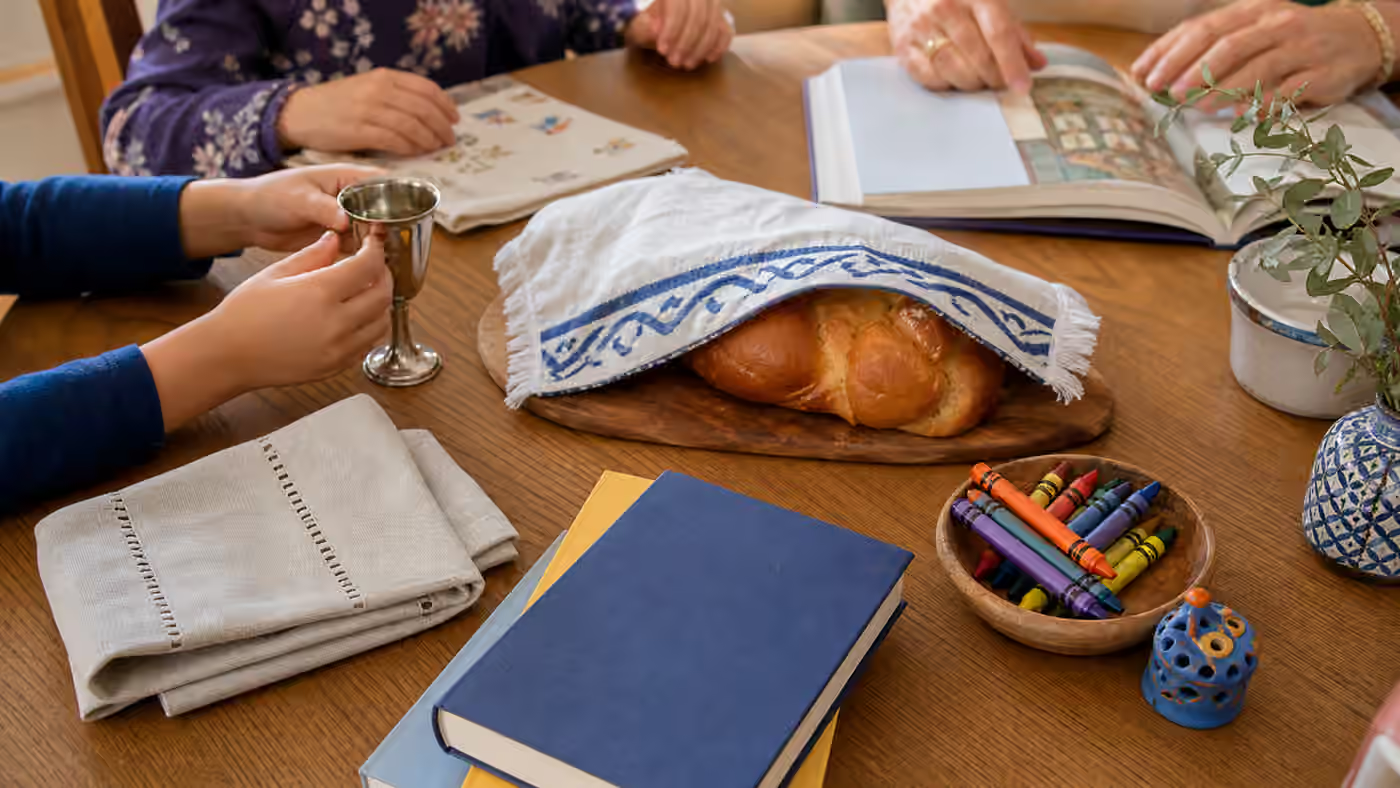
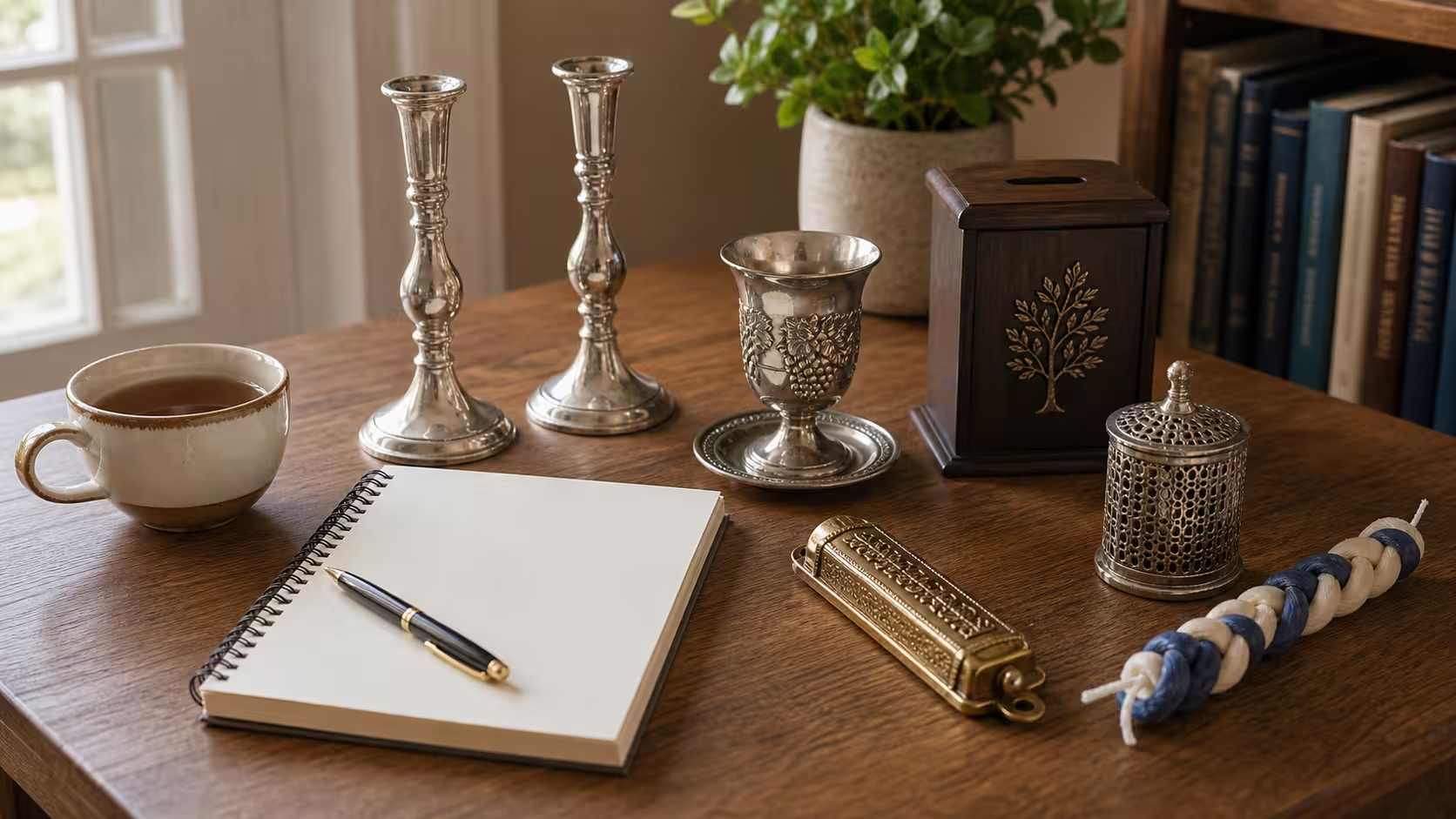
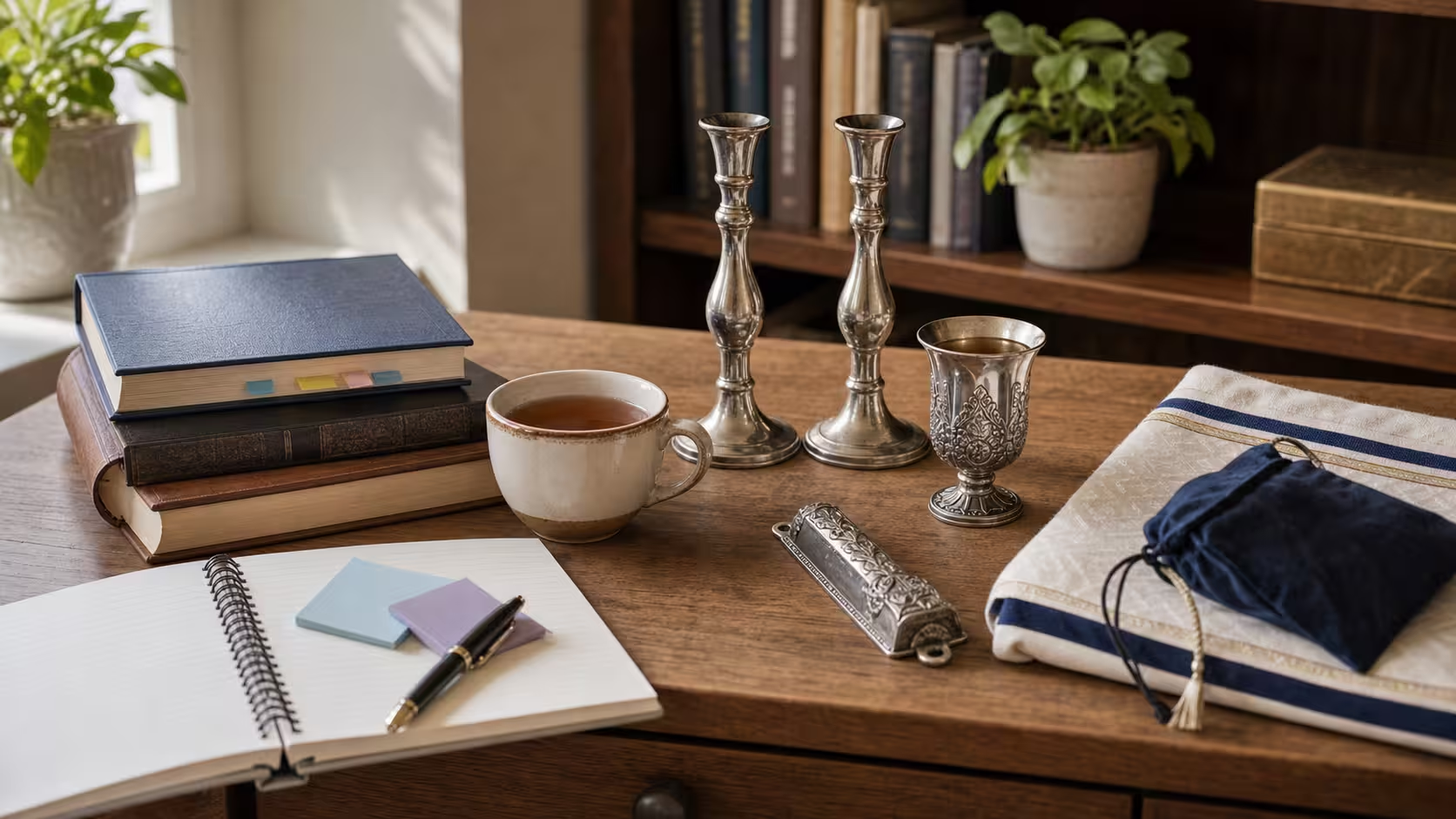
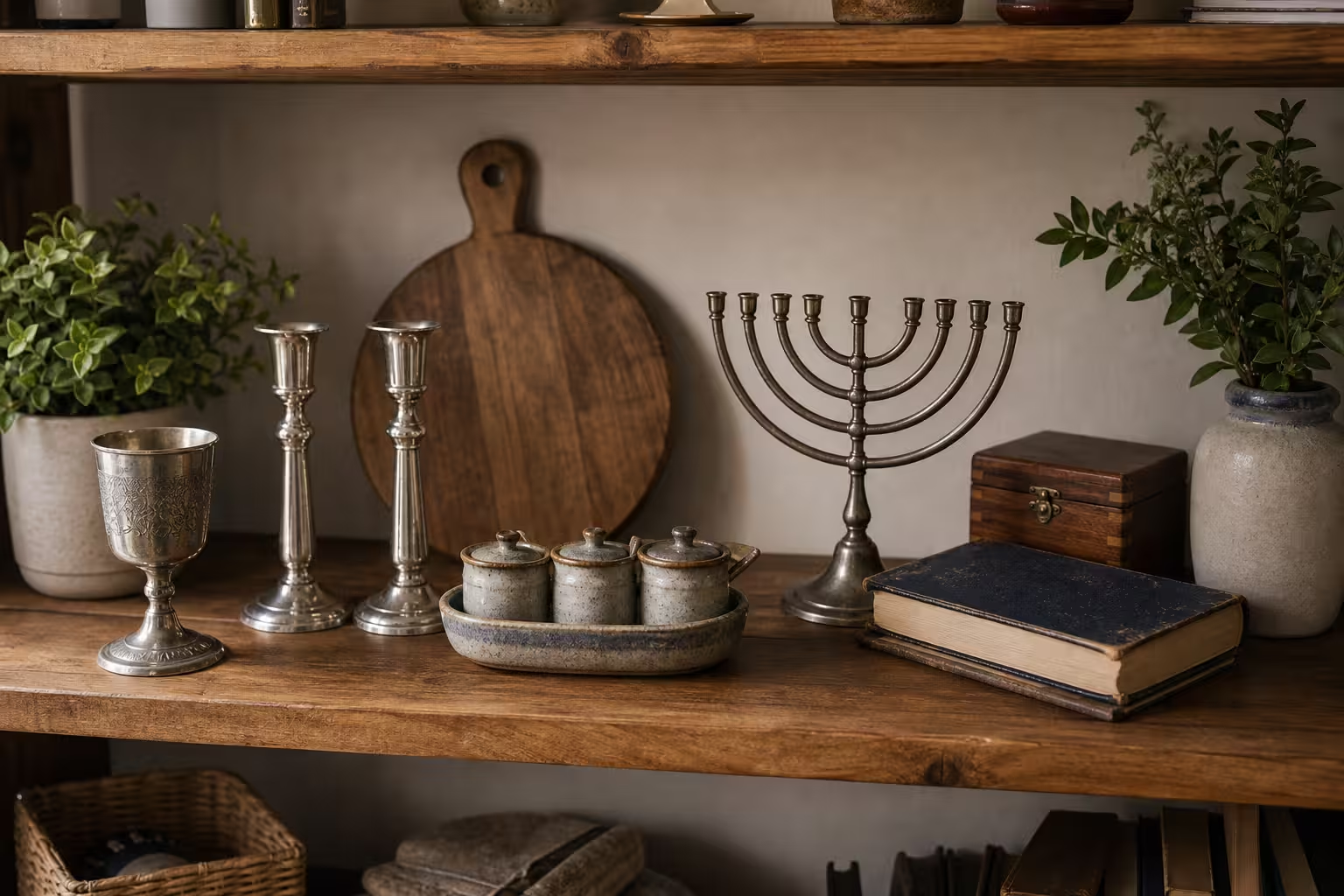
It is easy to become distracted by beautiful objects. Mezuzah cases, kiddush cups, candlesticks, challah boards, spice boxes, seder plates, menorahs, tallit bags, and tzedakah boxes can all be visually compelling. Some are heirlooms. Some are inexpensive. Some are made by children. Some are improvised until a household can buy something permanent.
The object matters because it supports practice. It is not a trophy that proves authenticity.
An inherited kiddush cup that is used weekly carries memory. A cheap cup used with intention is also doing real work. A beautiful candlestick pair that never leaves the cabinet may still be precious, but it is not doing the same thing as a simple pair that helps a family enter Shabbat. Beginners should not wait until every object is perfect. Practice can begin with what is available and respectful.
There are exceptions that require real standards. A kosher mezuzah parchment, for example, is not the same as a decorative case alone. Ritual details can matter. The beginner move is to ask which details matter for function and which are matters of beauty, budget, or family taste.
Hospitality turns the home outward
A Jewish home is not only a private refuge. Hospitality, hachnasat orchim, has deep roots in Jewish practice. Inviting people for Shabbat or holidays, feeding someone in mourning, welcoming a newcomer, making space for a student, or including someone who would otherwise be alone can turn home ritual into communal care.
Hospitality does not require a perfect table. It requires attention to the guest. Can they eat the food? Do they know what to expect? Is there a place for their questions? Are children included? Is the person who is new treated as a person rather than a project?
This is where many home practices become visible to others. A guest sees the mezuzah, hears a blessing, watches tzedakah become normal, smells havdalah spices, or learns why the family does not answer work email at the table. The home teaches without turning itself into a classroom.
Build one small rhythm
If you want to begin, choose one small rhythm for the next month.
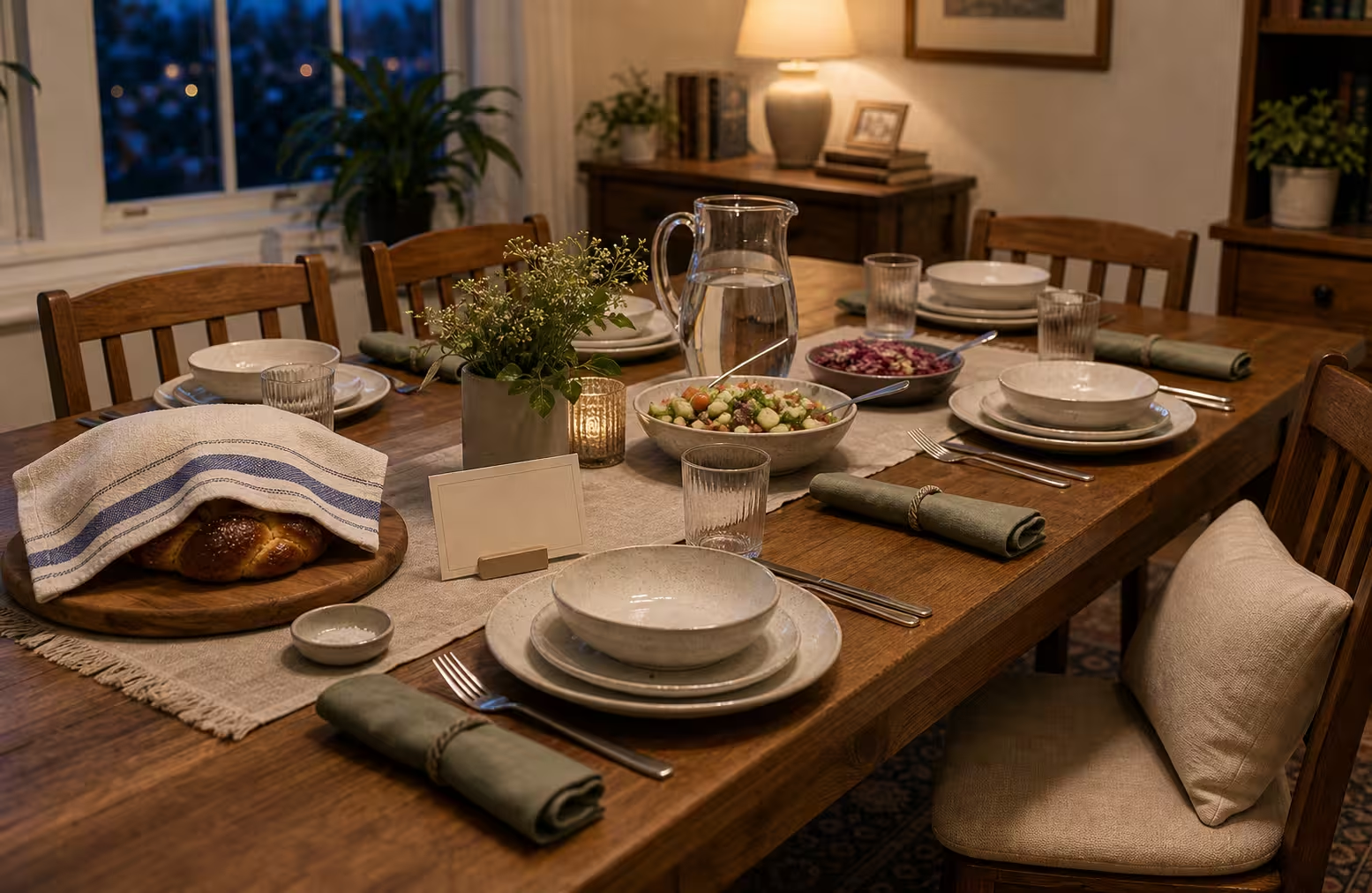
Put up a mezuzah with guidance if your home does not have one. Learn one food blessing. Create a tzedakah habit. Make havdalah on Saturday night. Set the Shabbat table before the last minute. Read one paragraph with your household before a holiday. Ask an elder about one ritual object and write down the story.
Do not choose everything. Choose something you can return to.
Jewish home ritual is not about making a house look Jewish for visitors. It is about letting Jewish time, memory, gratitude, obligation, and care leave marks on ordinary rooms. A doorway becomes a reminder. A cup becomes a marker of time. A box becomes a habit of giving. A candle becomes a way to say goodbye.
That is how a home begins to teach.