The Jewish year does not begin by asking you to understand every holiday. It begins by asking you to feel that time has a personality.
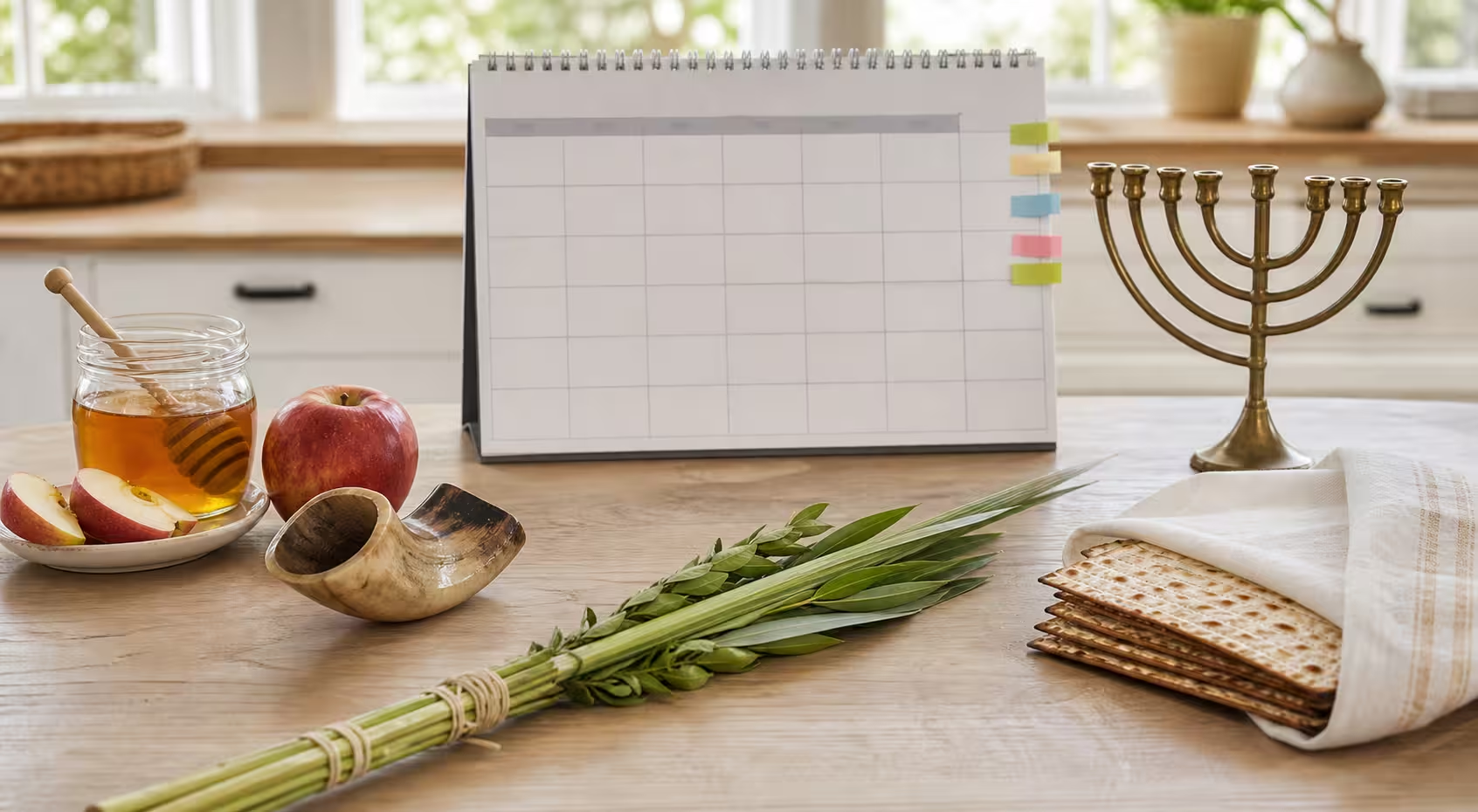
If you grew up with a civil calendar, January arrives like a hard reset. The date changes, the year number changes, and the world returns quickly to work. The Jewish calendar moves differently. It is lunar-solar, which means months follow the moon while the year is adjusted to keep holidays in their seasons. Dates begin in the evening. Holidays drift on the civil calendar but return to their Jewish dates. A beginner may experience this as confusion. A community experiences it as rhythm.
The best way to learn that rhythm is not to memorize the entire calendar at once. Walk through the year as if it were a house with many rooms.
The fall door opens with repair
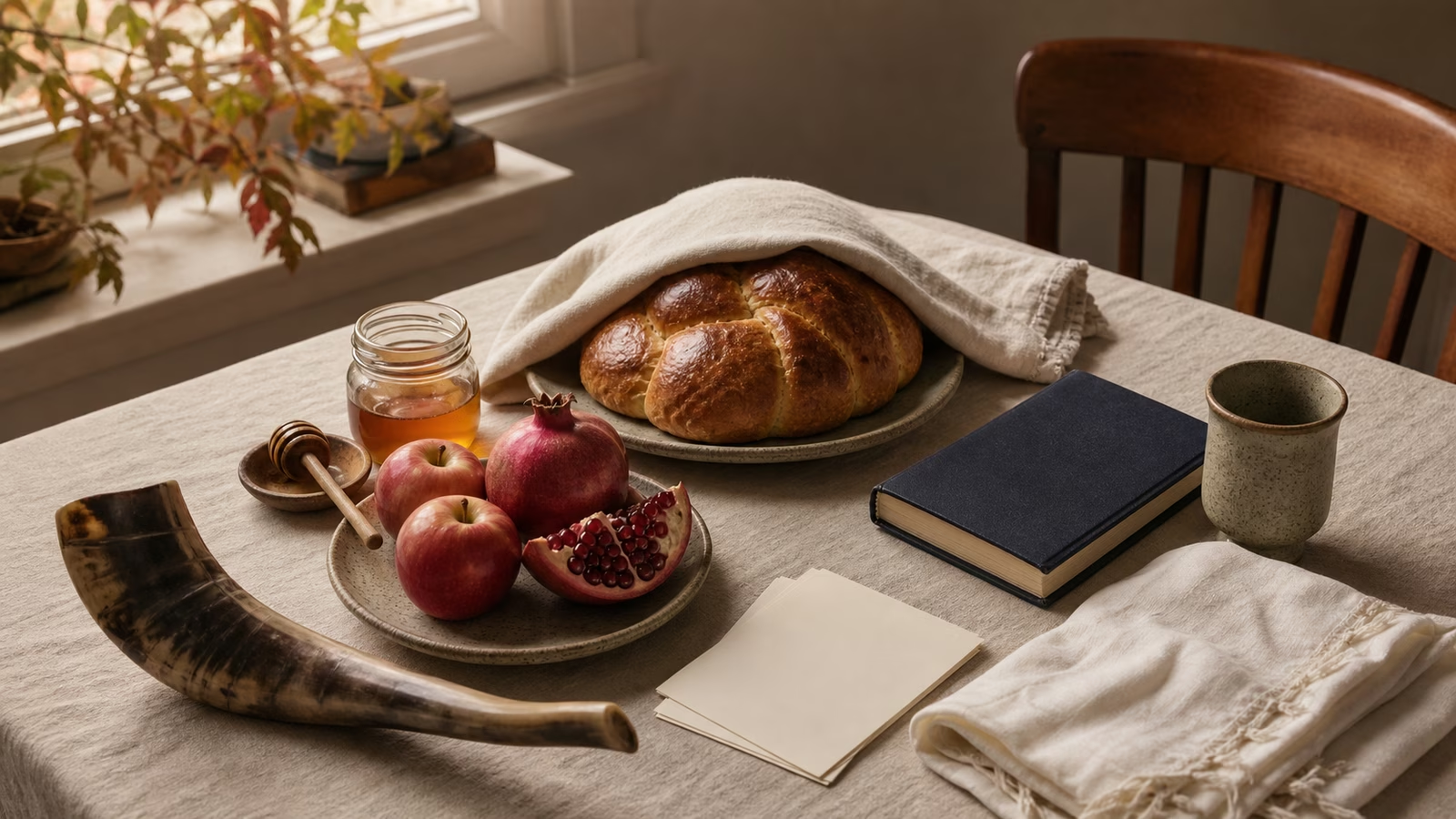
For many beginners, the holiday year first becomes visible in the fall. Rosh Hashanah arrives with apples and honey, round challah in many homes, synagogue services, the sound of the shofar, and greetings for a good year. It is called the Jewish new year, but it is not only festive. The mood is sweet and serious at the same time. People think about judgment, possibility, and return. The sweetness is not denial. It is a prayer that the year ahead can be softened.
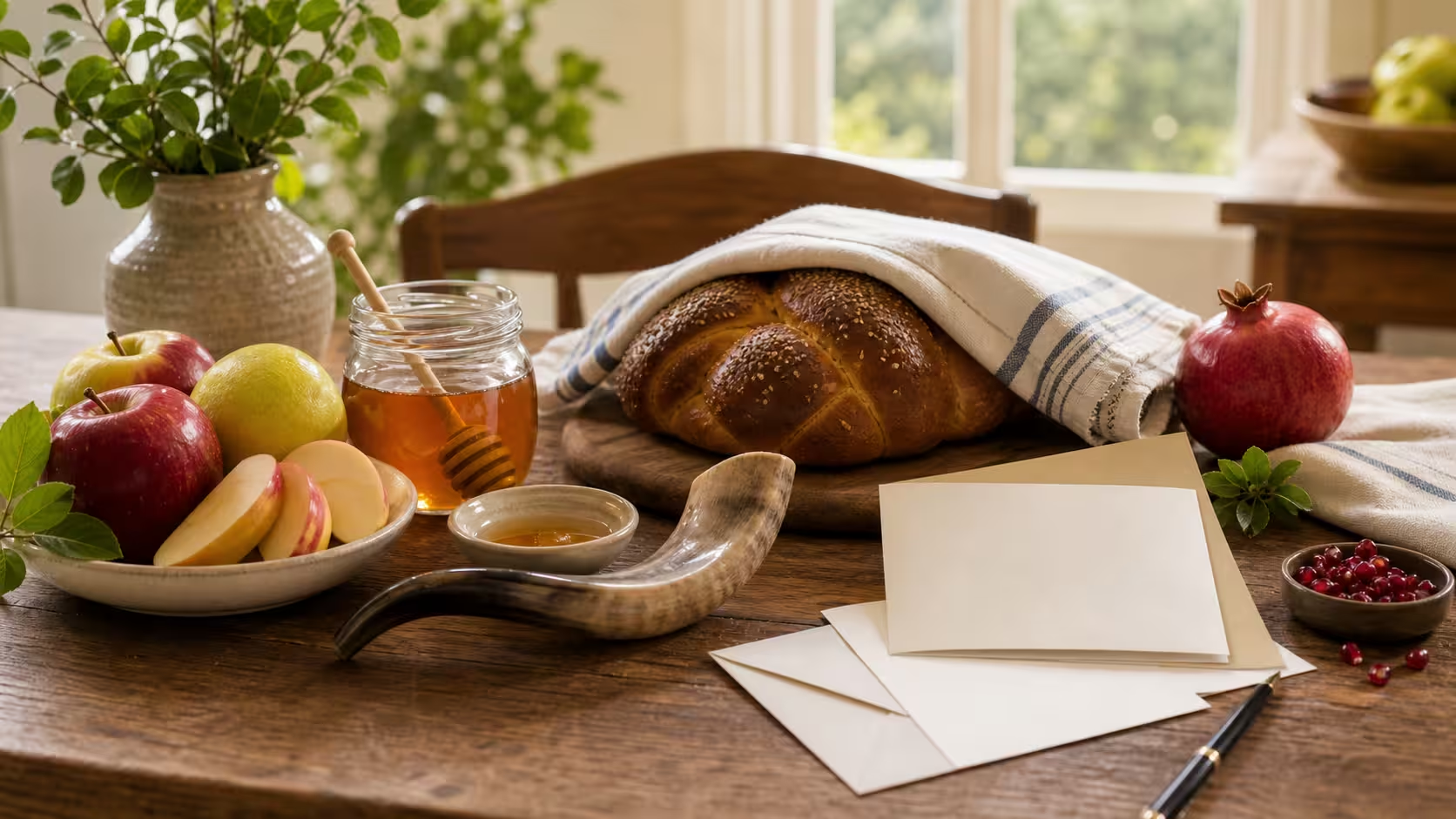
The shofar can surprise people who expect religion to be mainly verbal. It is a raw sound, not a speech. It cuts through the room. A beginner does not need to know every note pattern to understand that the sound is meant to wake people up. The new year asks, “Where have you been asleep?”
Yom Kippur follows as the Day of Atonement. It is solemn, intense, and often physically demanding because many adults fast, though health, age, pregnancy, medication, and other needs matter. Nobody should treat fasting as a competition. The deeper issue is teshuvah, often translated as repentance or return. It includes admitting harm, seeking forgiveness, changing behavior, and returning to the person one is called to become.
For someone new, Yom Kippur may feel intimidating. The liturgy is long. The music may be haunting. People may wear white. The room may carry grief and hope together. But underneath the complexity is a human truth: repair requires honesty. The day gives that honesty a public container.
Sukkot teaches fragility after seriousness
Just when a beginner expects the fall to stay solemn, Sukkot arrives and changes the texture. People build temporary huts called sukkot, eat in them, decorate them, invite guests, and hold the lulav and etrog in ritual. The holiday remembers wilderness wandering and harvest joy. It asks people to leave solid walls, at least symbolically, and sit under a roof that is intentionally incomplete.

This is one of the calendar’s great emotional turns. After the introspection of Rosh Hashanah and Yom Kippur, Sukkot says that life is fragile and still worth celebrating. The roof does not fully protect you. The weather may intrude. The decorations may fall. The soup may be too hot for an outdoor meal or the night too cold for comfort. That is part of the lesson.
Simchat Torah, linked to the end and restart of the Torah reading cycle, brings another turn: dancing, reading, ending, beginning. The calendar refuses to let learning become a finished possession. You complete the cycle and immediately start again.
Winter light is smaller than people think, and that is the point
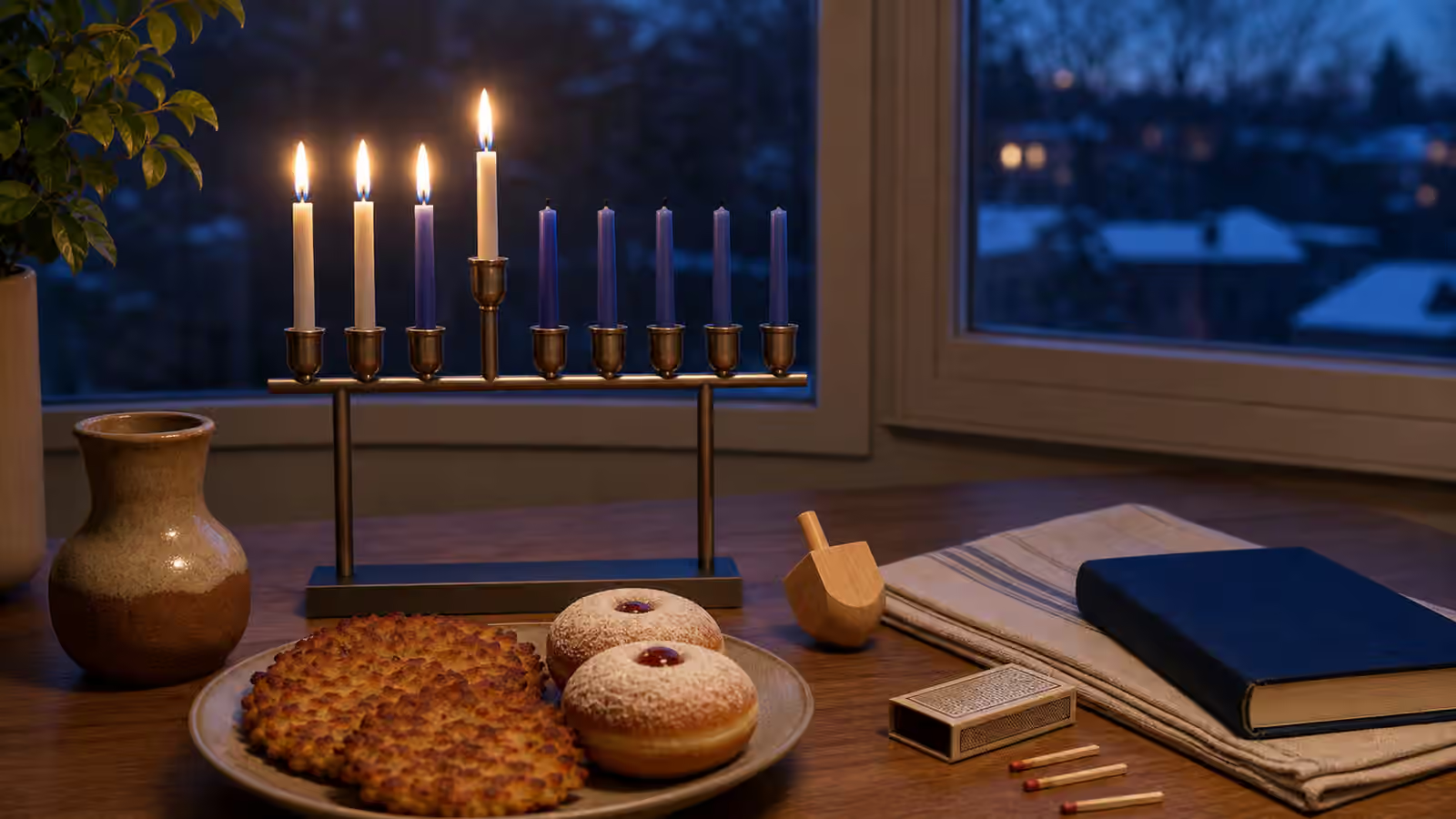
Hanukkah is often the holiday outsiders know best, partly because of its proximity to Christmas in many countries. But it is not the Jewish Christmas, and treating it that way makes it harder to understand. Hanukkah is an eight-day festival of light, rededication, and public memory. Candles are added night by night. The light grows slowly.
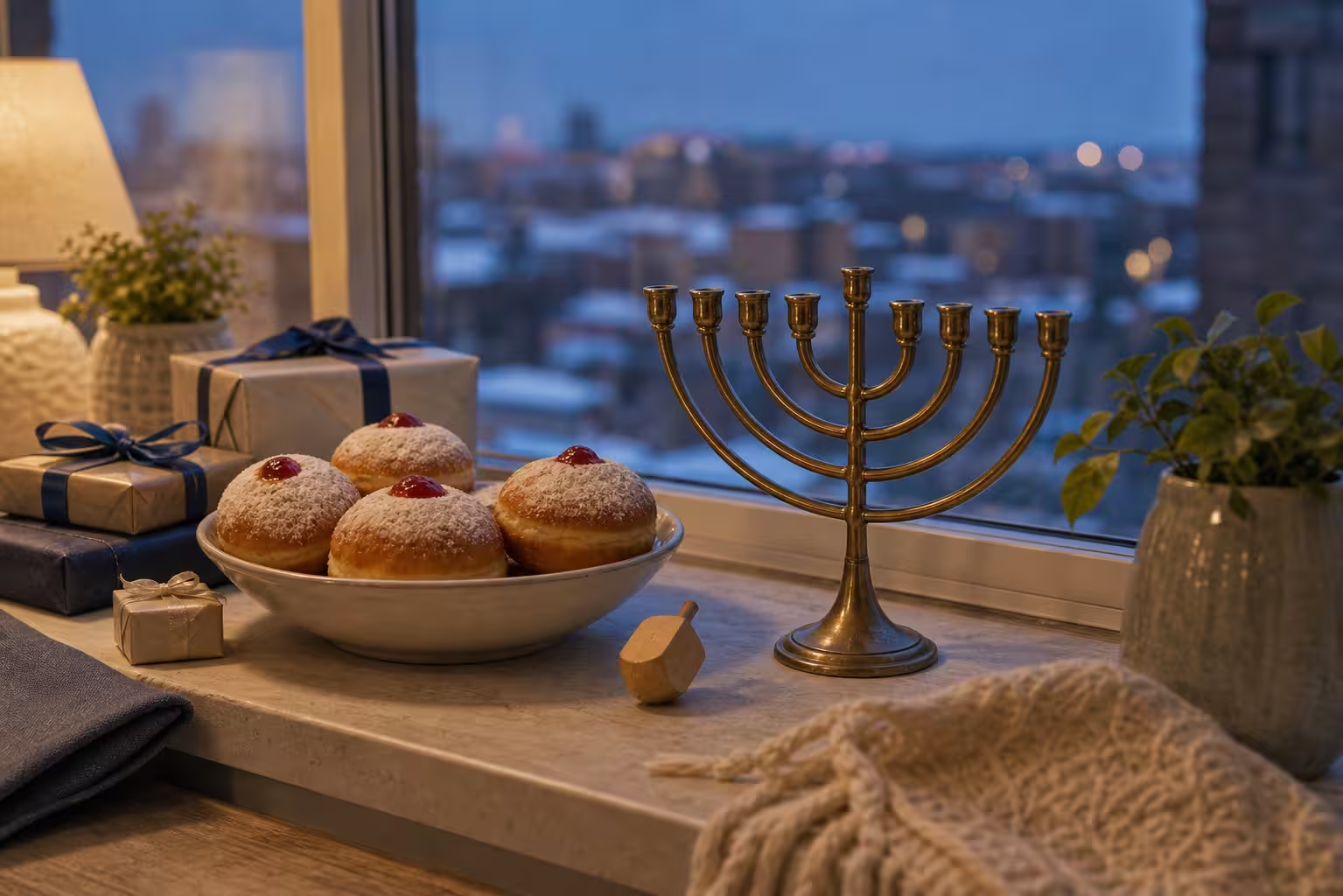
The story involves the Maccabees, the rededication of the Temple, and the rabbinic memory of oil lasting beyond expectation. There are historical and theological layers, and different communities emphasize them differently. A beginner can begin with the emotional grammar: in a dark season, light is made visible, repeated, and shared.
Because Hanukkah is home-based and visually striking, it can feel easy to enter. Light candles, sing, eat foods connected with oil, play dreidel in some homes, give gifts in some families, and notice the window. Many place the menorah where it can be seen because the miracle is publicized. The holiday is small in biblical status compared with major festivals, yet beloved because small lights can carry a lot of family memory.
Spring begins with costumes, questions, and freedom
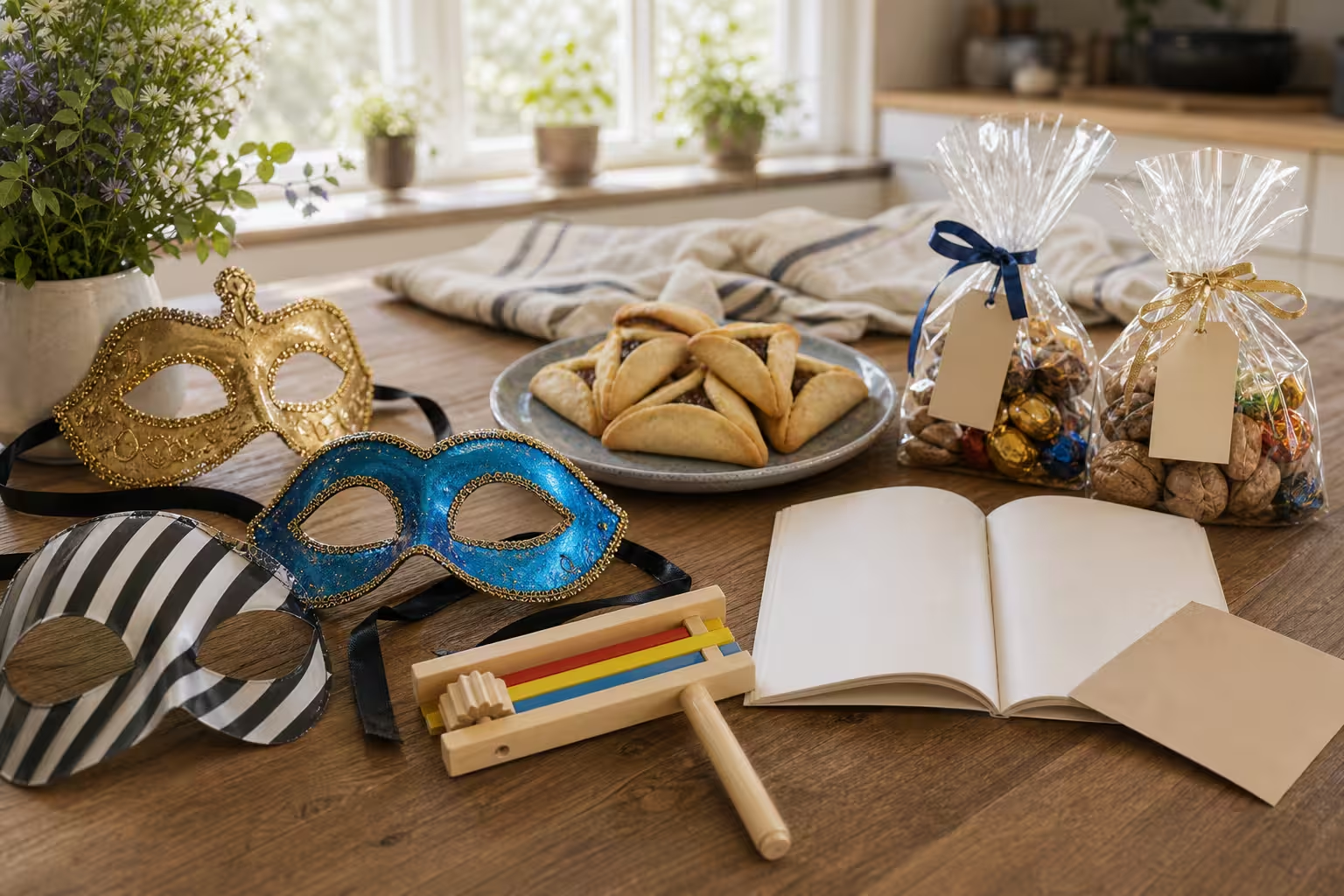
Before Passover, Purim arrives with noise. The Book of Esther is read. People may wear costumes, give gifts of food, offer charity, and eat triangular pastries called hamantaschen in many Ashkenazi communities. The mood can be playful, chaotic, and sharp. Purim knows that danger can hide inside court politics, that identity can be concealed and revealed, and that survival sometimes comes through courage in compromised places.
Then Passover changes everything.
Passover is one of the most powerful beginner doors because it happens around a table and expects questions. The seder tells the story of liberation from Egypt through food, text, song, symbolic actions, and conversation. Matzah, bitter herbs, wine or grape juice, dipping, reclining, and the Four Questions are not random customs. They make memory physical.
The seder’s genius is that it does not simply tell children what happened. It asks them to ask. It also asks adults to retell the story as if they themselves came out of Egypt. That is a radical educational move. The past is not left in the past. It becomes a moral identity in the present.
For a beginner, Passover can also be logistically intense because of food rules. Many Jews avoid chametz, leavened grain products, during the holiday, but customs differ, especially around kitniyot such as rice, beans, and corn in Ashkenazi and Sephardi practice. If you are hosting or bringing food, ask. Do not guess from a generic internet list. Passover is a perfect example of why Jewish practice must be learned in community.
Shavuot makes learning part of the harvest
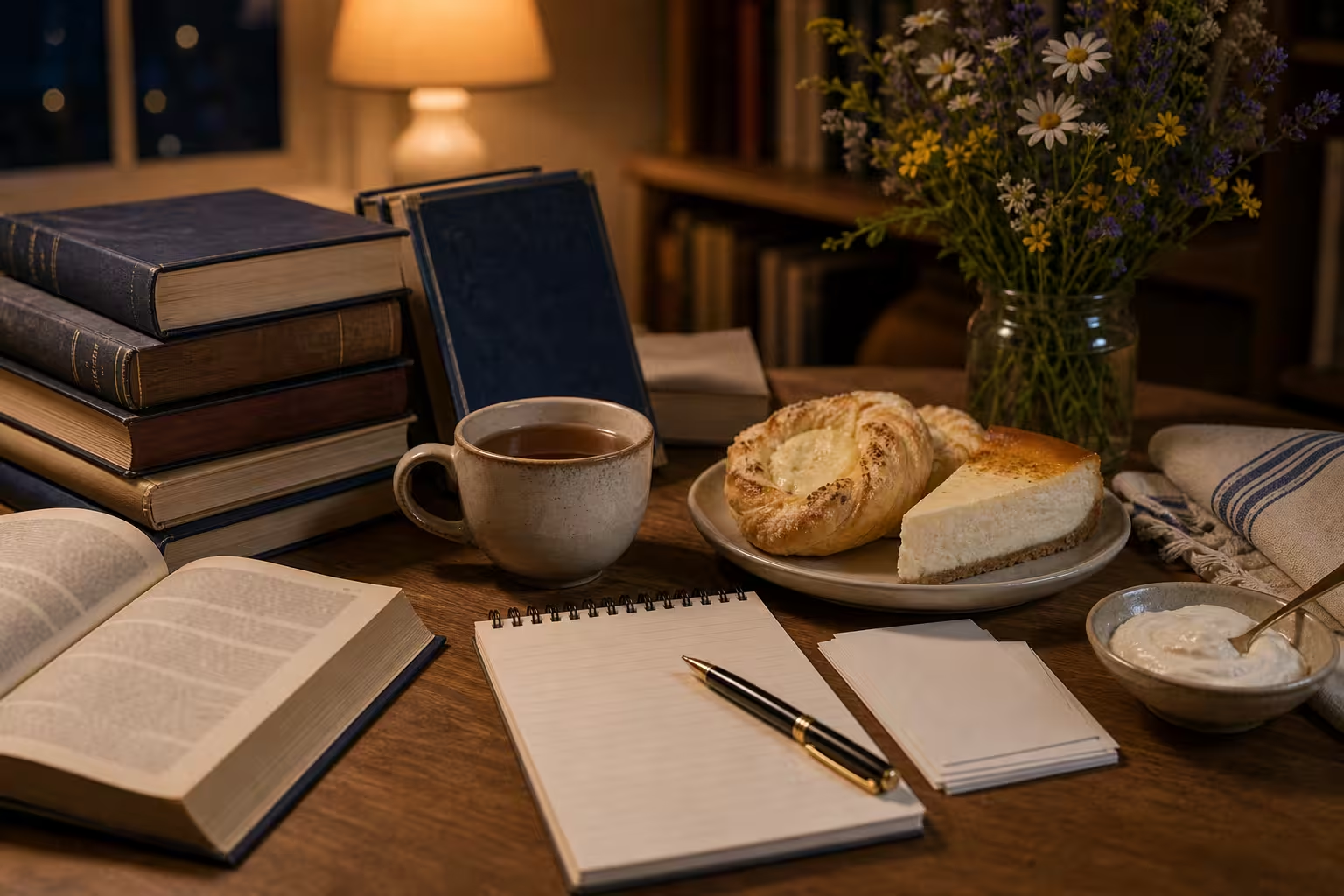
Seven weeks after Passover comes Shavuot, associated with the giving of Torah and with harvest themes. Many communities study late into the night. Dairy foods are common in many places, though not universal. Flowers and greenery may appear. The mood is quieter than Passover but deeply important: liberation leads toward covenant, responsibility, and learning.
This connection matters. The calendar does not let freedom mean merely escape. Passover asks what it means to leave bondage. Shavuot asks what kind of life freedom should make possible. For Jewish tradition, the answer is not isolation. It is teaching, obligation, practice, and community.
Days of mourning keep memory honest
The Jewish year also contains fast days and mourning days, most prominently Tisha B’Av, which remembers the destruction of the Temples and other catastrophes in Jewish history. Modern Jewish communities may also mark Yom HaShoah, Holocaust Remembrance Day, and other national or communal days depending on location and practice.
These days can be difficult for beginners because they resist the idea that religious calendars should only celebrate. Jewish time makes room for grief. It does not allow history to be all triumph or all trauma. It asks people to remember destruction without making destruction the whole identity.

That balance is one of the calendar’s hardest lessons. The year contains sweetness, hunger, fragile shelter, small lights, costumes, liberation, revelation, and mourning. It trains a person to move through more than one emotional register.
Learn one holiday by entering it
The beginner’s path is practical. Choose the next holiday, learn its central story, ask what food or ritual belongs to your host or community, and read enough to participate with respect. Use exact dates from a current Jewish calendar because holidays begin at sundown and civil dates change each year.
Do not try to become an expert before you light one candle, hear one shofar blast, sit in one sukkah, taste one bitter herb, or ask one Passover question. The calendar is learned by return. Each year adds a layer. The first year gives names. The second gives associations. The third gives memory. Eventually, the holidays stop feeling like a list and start feeling like weather you recognize.
The Jewish year is not a pile of obligations. It is a story that keeps coming back to ask what kind of person, family, and community you are becoming.