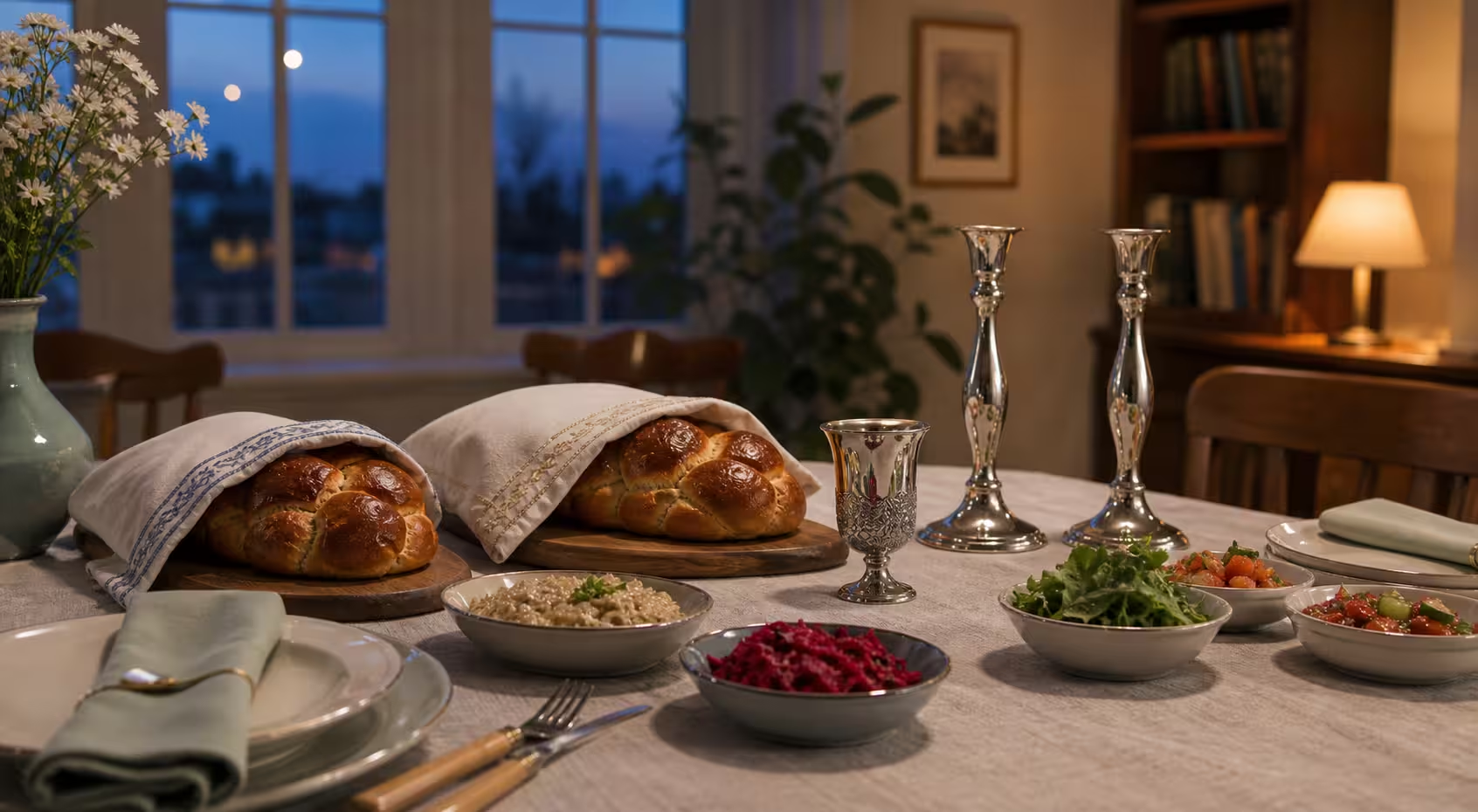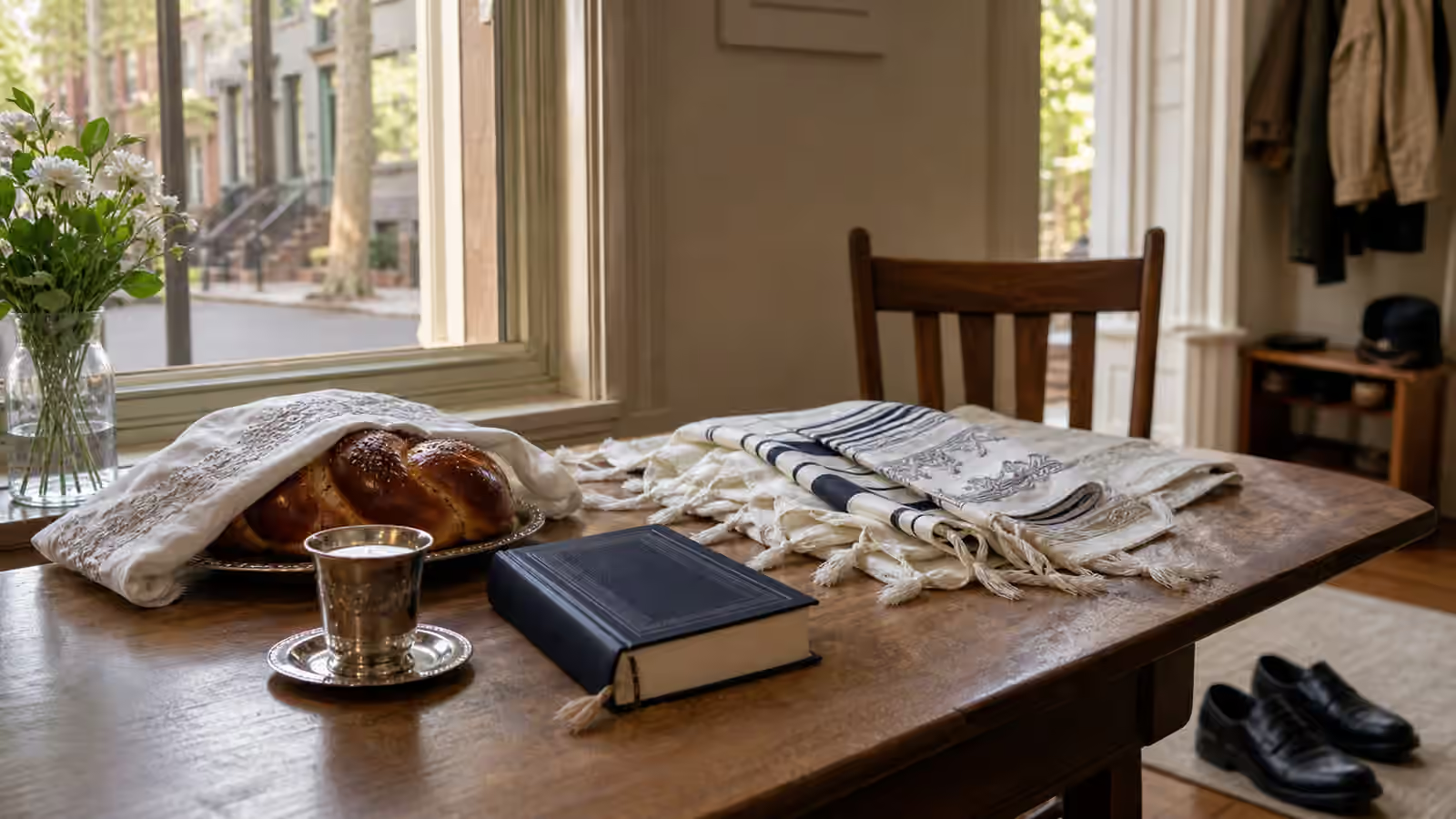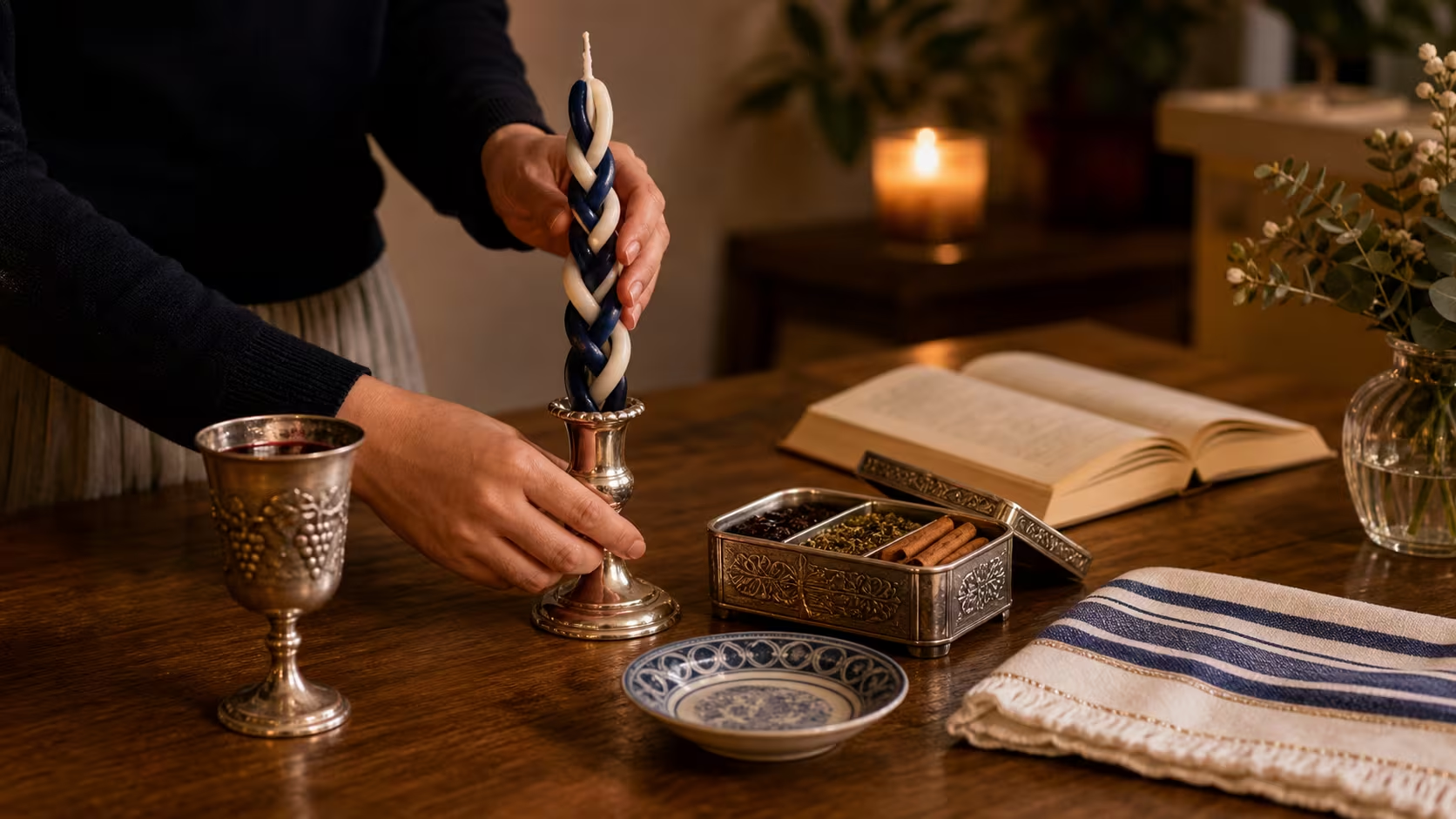
Shabbat does not end all at once. The sky darkens, the meal is over, the afternoon quiet thins, and the week begins to press its face against the window. Messages wait. Work waits. School waits. Dishes wait. The gentle danger is that the transition can happen without being noticed. One minute the day is protected, and the next minute the phone is in your hand.
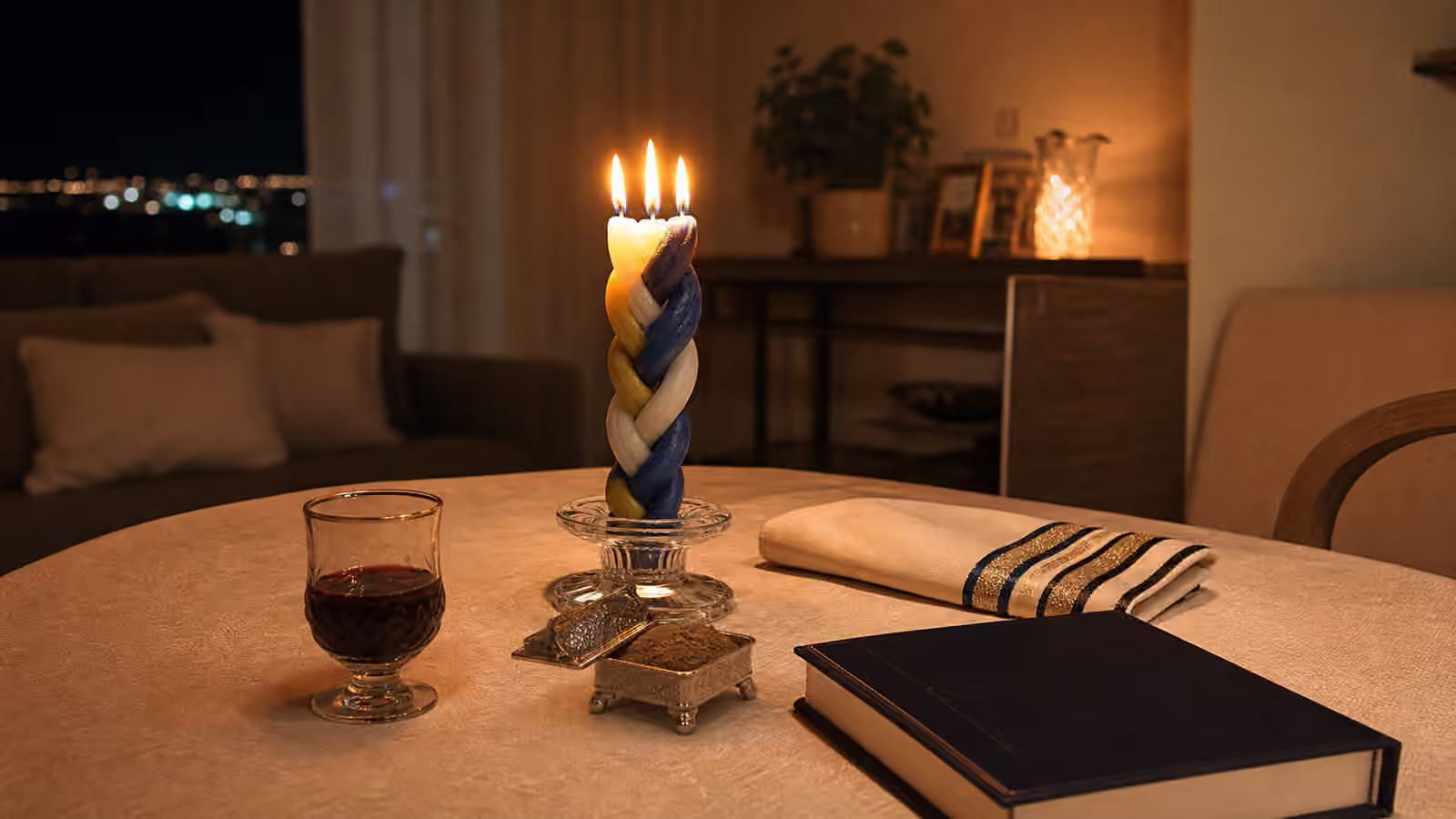
Havdalah gives the ending a shape. The word means separation or distinction, and the ritual marks the boundary between Shabbat and the ordinary week. It usually happens after nightfall on Saturday evening, though exact timing and practice vary by community. The table may hold wine or grape juice, fragrant spices, and a braided candle. There may be singing, children leaning toward the flame, a quiet room, or a family rushing to gather everyone before the first weekday plans scatter them.
For a beginner, Havdalah can feel easier to enter than some other rituals because it is brief and sensory. You taste, smell, see, and hear the transition. The cup is lifted. The spices are passed. The candle burns with more than one wick. The blessing names distinctions: between holy and ordinary, light and darkness, Israel and the nations, the seventh day and the six days of work. The ritual does not deny that the week is returning. It teaches the household to return with a little more awareness.
The end of rest deserves attention
Many people understand why a beginning needs ritual. Candles at the start of Shabbat make intuitive sense. A doorway opens, so someone marks it. Endings are easier to neglect. We slip out of them. We let the next demand take over. Havdalah says the exit also matters.
That matters because Shabbat is not only a pause from work. It is a different relationship to time. Whether a household observes traditionally or loosely, the day asks people to stop treating every hour as raw material for productivity. When the day ends, the question is not only what tasks resume. The question is what the pause taught.
Havdalah is small enough to fit into an imperfect home. The room does not have to be spotless. The people do not have to be serene. Someone may be tired, someone may be hungry again, someone may be checking the clock, and someone may not know the melody. That is fine. Jewish home ritual often survives because it can hold real households, not because households become ideal for ten minutes.
Wine or grape juice gives the moment weight
The cup in Havdalah is related to the cup used for Kiddush at the beginning of Shabbat. Wine or grape juice helps make the moment formal. It says this is not merely a casual goodbye to the weekend. It is a spoken boundary.
The cup is often filled generously, sometimes to overflowing as a sign of blessing. Different communities have different customs around that detail. A beginner does not need to master every variation to understand the feeling. The cup gathers attention. It gives the hand something to hold while the mouth says that time has changed.
In homes where alcohol is not used, grape juice is common. In homes with children, grape juice may make the ritual easier to share. In homes where people are in recovery or avoiding alcohol for any reason, the practical and humane choice matters more than appearances. Ritual should not become a trap for someone else’s health.
The taste arrives near the end. After the blessings, someone drinks from the cup. The week has begun, but the sweetness comes with it. That is not a bad theology for Saturday night.
Spices comfort the transition
The spices may be the most tender part of Havdalah. A spice box, cloves, cinnamon, fragrant herbs, or another pleasant scent may be passed around. People inhale and then pass it to the next person. Children often remember this part first because smell does not need translation.
One explanation is that the extra soul or expanded spirit of Shabbat departs as the day ends, and the spices comfort the person entering the week. Even without knowing that teaching, the gesture makes emotional sense. The day of rest is leaving. The body receives sweetness before stepping back into ordinary demands.
Smell is memory’s quiet doorway. A family spice box can become one of the objects that tells a child where they are from. A visitor may remember the scent years later, even if the words blurred. Jewish life is full of books and arguments, but it also lives in sensory anchors: wax, bread, wine, cinnamon, old pages, soup, rain on the walk home from synagogue.
If you are a guest and the spices reach you, take a gentle smell and pass them along. You do not need to perform enthusiasm. Presence is enough.
The candle makes separation visible
The Havdalah candle is often braided and has multiple wicks. When lit, the flames join into a bright, lively light. People may hold their hands near the flame and look at the reflection of light on their fingernails or palms. This gesture can feel strange the first time, but it is one of the ritual’s most beautiful details. The blessing over fire recognizes human use of light and work as the weekday returns.
Fire belongs at this boundary because it is both ancient and practical. According to tradition, the discovery or use of fire is associated with the first Saturday night after creation. Fire is also the beginning of making, cooking, building, repairing, and transforming. Shabbat restricted ordinary creative labor for those who observe that way. Havdalah acknowledges that making returns.
The candle should be treated with ordinary care. It is a real flame, not only a symbol. A plate or foil may catch wax. Someone steady should hold it. Children can come close enough to see without being responsible for the flame. The ritual is warm, not careless.
When the candle is extinguished, often in the wine or grape juice, the sound can feel final. The flame that marked separation is gone. The week is no longer waiting outside. It is here.
Many homes sing the transition
Havdalah is often sung, and the melodies can carry the ritual even for people who do not know every word. Some communities sing introductory verses before the blessings. Many sing “Eliyahu Hanavi” afterward, expressing hope tied to Elijah the prophet and redemption. Some add songs for a good week. Some keep the ritual short and quiet.
The beginner should not worry if the words move too quickly. Listen for the mood. Havdalah melodies often have a bittersweet quality: a little sadness that Shabbat is leaving, a little courage for the week, a little hope that the next Shabbat is already somewhere ahead. The ritual does not pretend that endings are painless. It gives the ending music.
If you are learning at home, recordings can help, but a live household will always have its own texture. Someone starts too low. Someone else knows a different tune. A child interrupts. A guest hums the part they caught. That is not a ruined ritual. That is how ritual becomes lived rather than displayed.
The ordinary week can begin gently
After Havdalah, some people say wishes for a good week. Some clean up. Some check messages. Some leave for evening plans. Some begin homework, laundry, travel, or work preparation. The weekday world returns quickly, but Havdalah can change the angle of return. It lets the household say that the week is not allowed to steal Shabbat silently.
For people new to Jewish practice, Havdalah can be a first home ritual because it asks for simple objects and a short span of attention. It also teaches a large idea without a lecture. Jewish time is not a blur. It has doors. Friday night is a door into Shabbat. Saturday night is a door out. A life with doors can notice what it is entering.
That noticing is the gift. The spices fade. The cup is washed. The candle waits for next week. The inbox may still be there, and Monday may still come. But for a few minutes, the household practiced crossing a threshold instead of being dragged across it.
That is enough to make the week feel different.