The first thing you notice is not the candles. It is the rush before them.
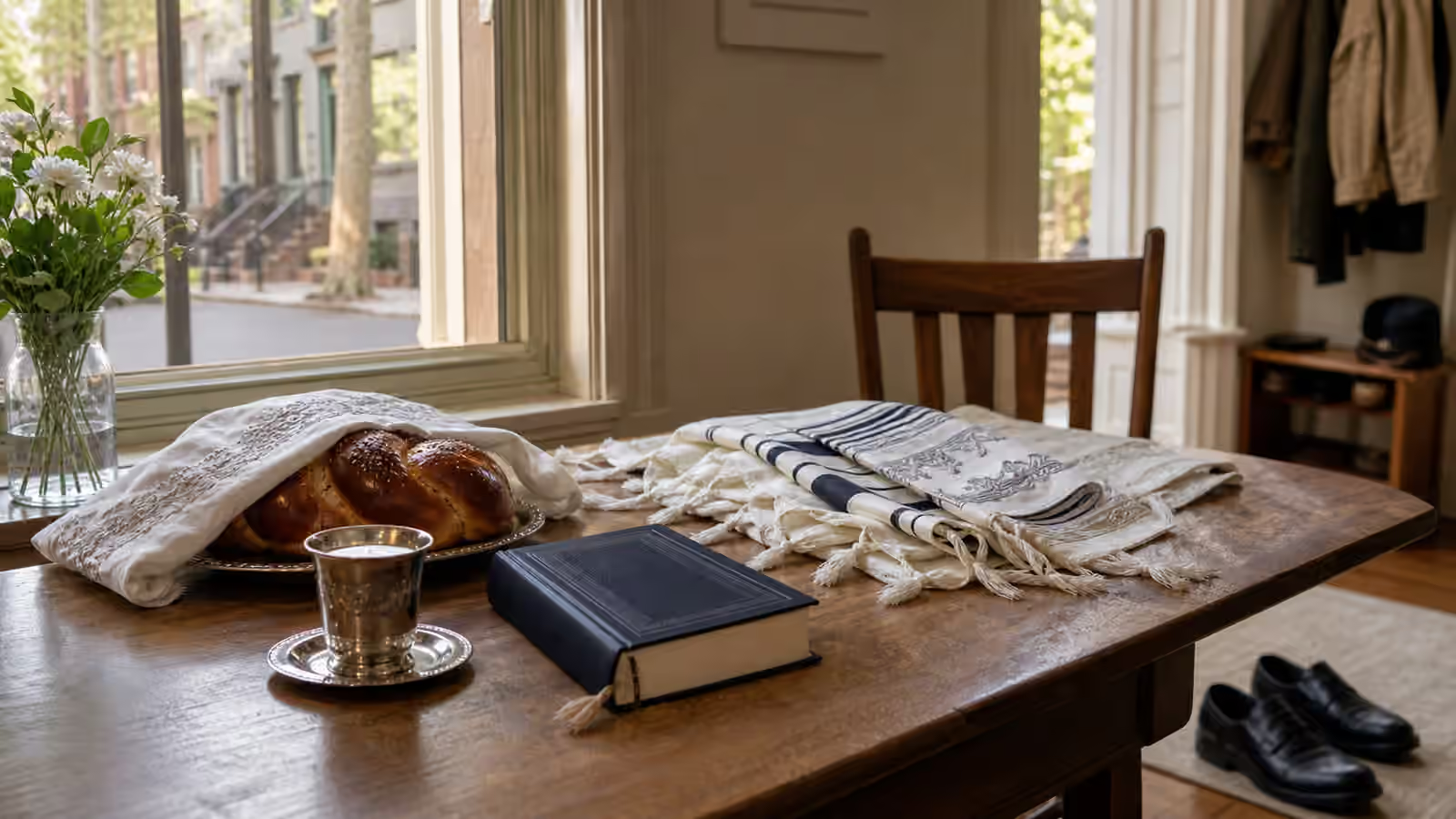
Friday afternoon in a Jewish home can feel like a small weather system. Someone is checking the time. Someone is asking whether the salad was dressed too early. A chair is dragged from another room. The challah cover has disappeared and is found under a stack of school papers. A phone buzzes. A pot lid rattles. The ordinary week is not gracefully surrendering. It is being coaxed, hurried, and sometimes wrestled toward quiet.
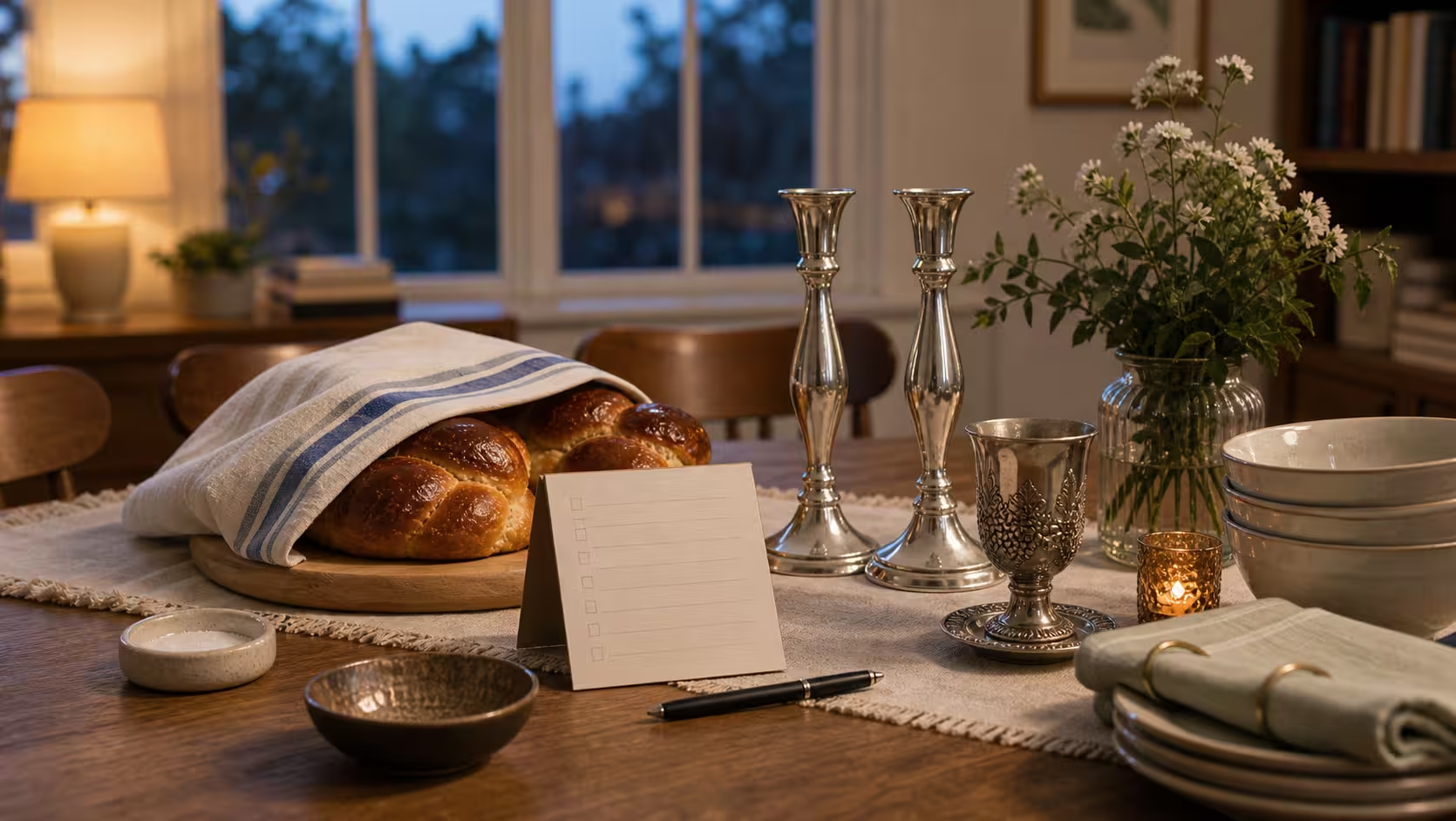
That is a good thing for a beginner to see. Shabbat is not a fantasy of perfect serenity. It is a practice of arrival.
In many homes, the candles mark the threshold. They are often lit before sunset, though exact timing and practice vary by community and household. The moment can be formal or quick, whispered or sung, public or private. Some people cover their eyes after lighting. Some gather children close. Some do not light candles at all but still mark the evening with dinner, prayer, rest, or family. What matters for a first understanding is that the candles are not decorative mood lighting. They help the home say, “Something has changed.”
Before the blessing, the room learns to stop
If you are a guest, the candle moment may feel delicate because you do not know what to do with your hands, your voice, or your gaze. The best beginner habit is simple presence. Stand or sit where your host indicates. Let the person leading the moment lead it. If you know the words, join softly. If you do not know them, listen. Nobody needs you to perform fluency.
After the candles, there may be a short pause, greetings, songs, blessings for children, or a move straight to the table. The order depends on the home. Some families sing Shalom Aleichem. Some bless children with hands on heads. Some move quickly because soup is ready and everyone is hungry. Jewish ritual often lives in that mix of holiness and logistics. The point is not to erase the family. The point is to bring the family into sacred time as they actually are.
At the table, the kiddush cup usually becomes the next center. Wine or grape juice is lifted, and a blessing marks Shabbat as distinct. The cup says that time itself can be sanctified. That is a strange idea if you are used to religion living mainly in beliefs. Shabbat insists that time can be shaped by speech, food, restraint, song, and return. You do not merely think differently. You enter a different kind of hour.
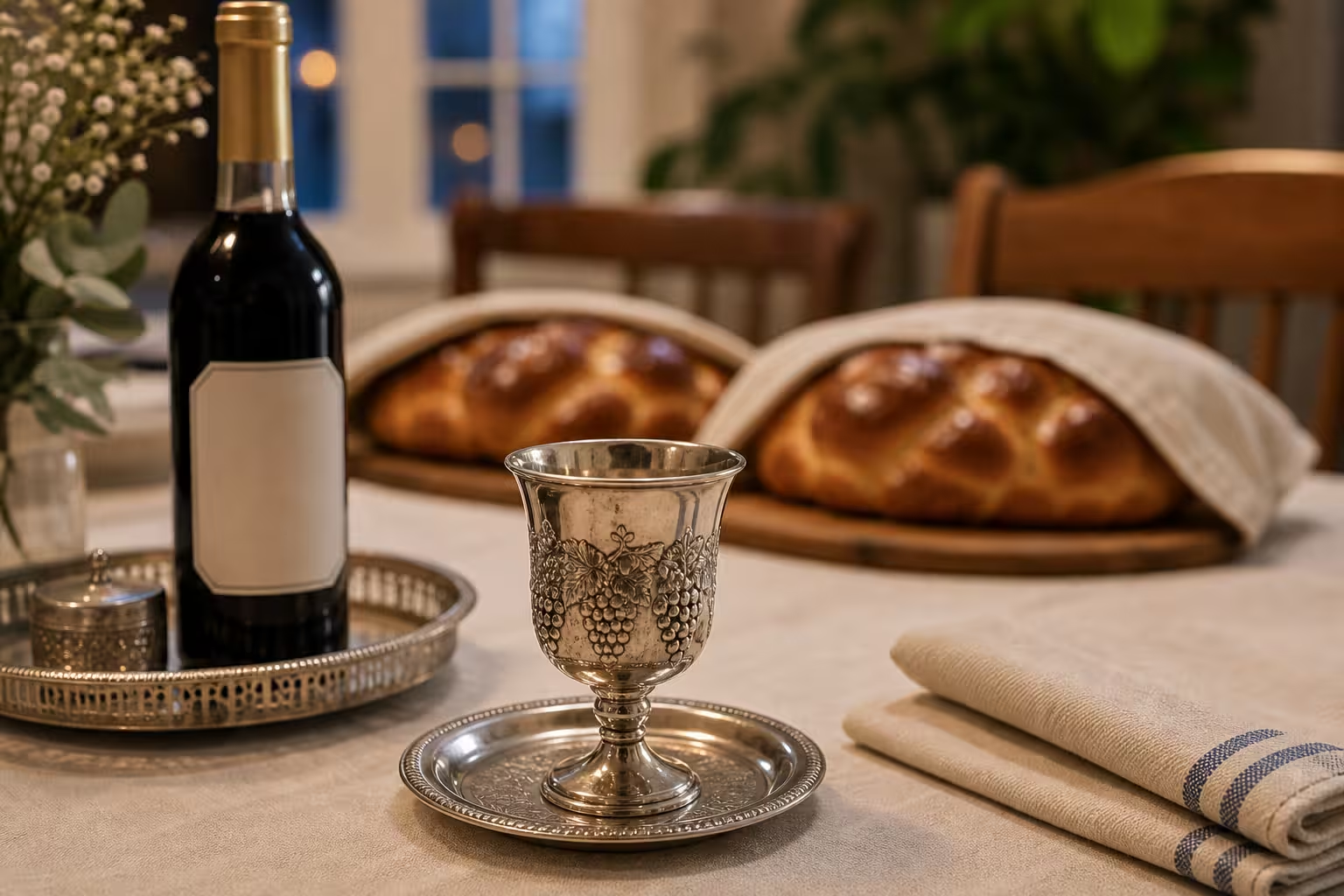
Challah makes the table less abstract
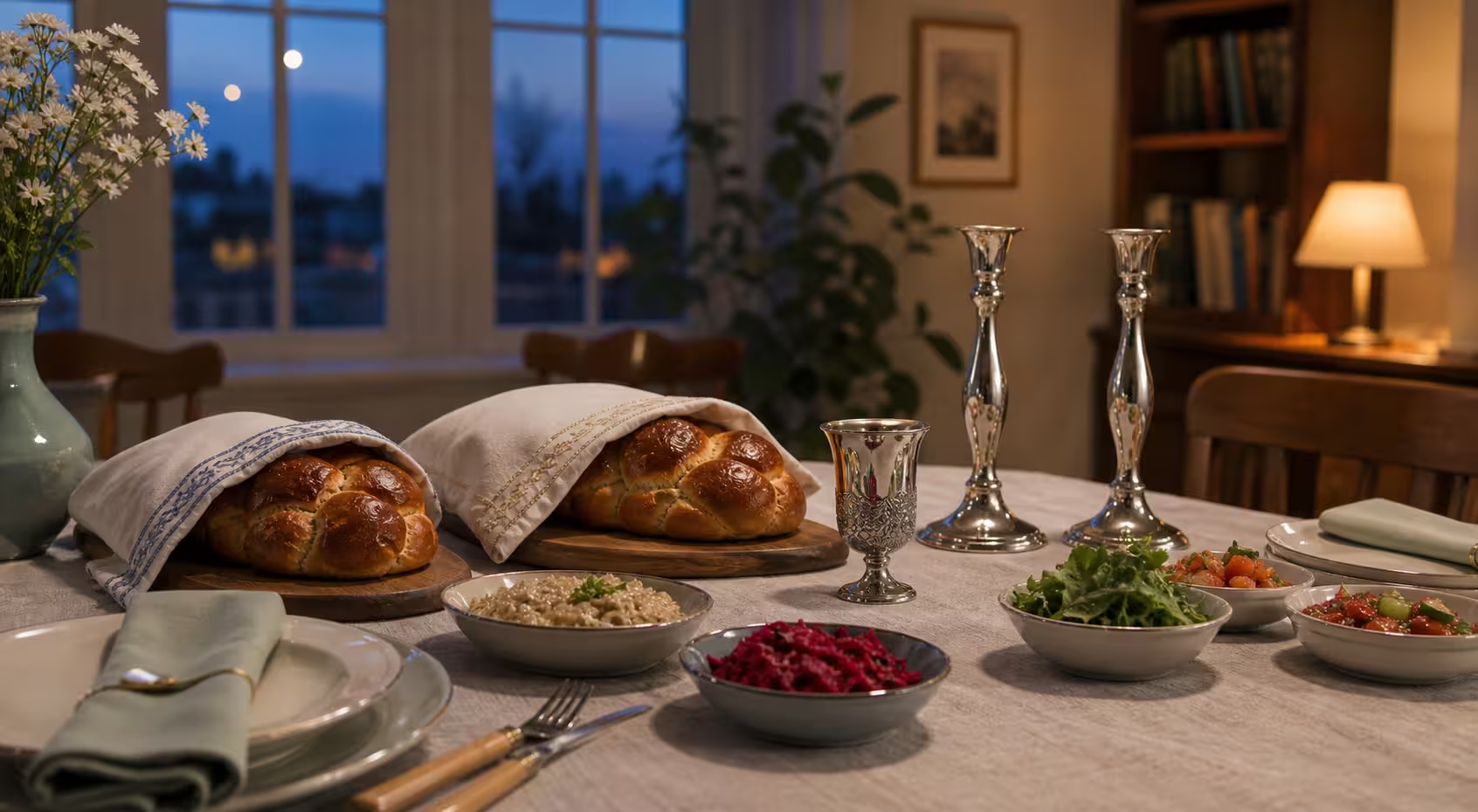
After kiddush, the challah appears. It may be braided, round during the High Holiday season, homemade, store-bought, whole wheat, gluten-free, or replaced in some households by another bread that fits real needs. Traditionally, two loaves recall the double portion of manna before Shabbat in the wilderness story. In practice, the bread also does something deeply human: it gives everyone a first shared bite.
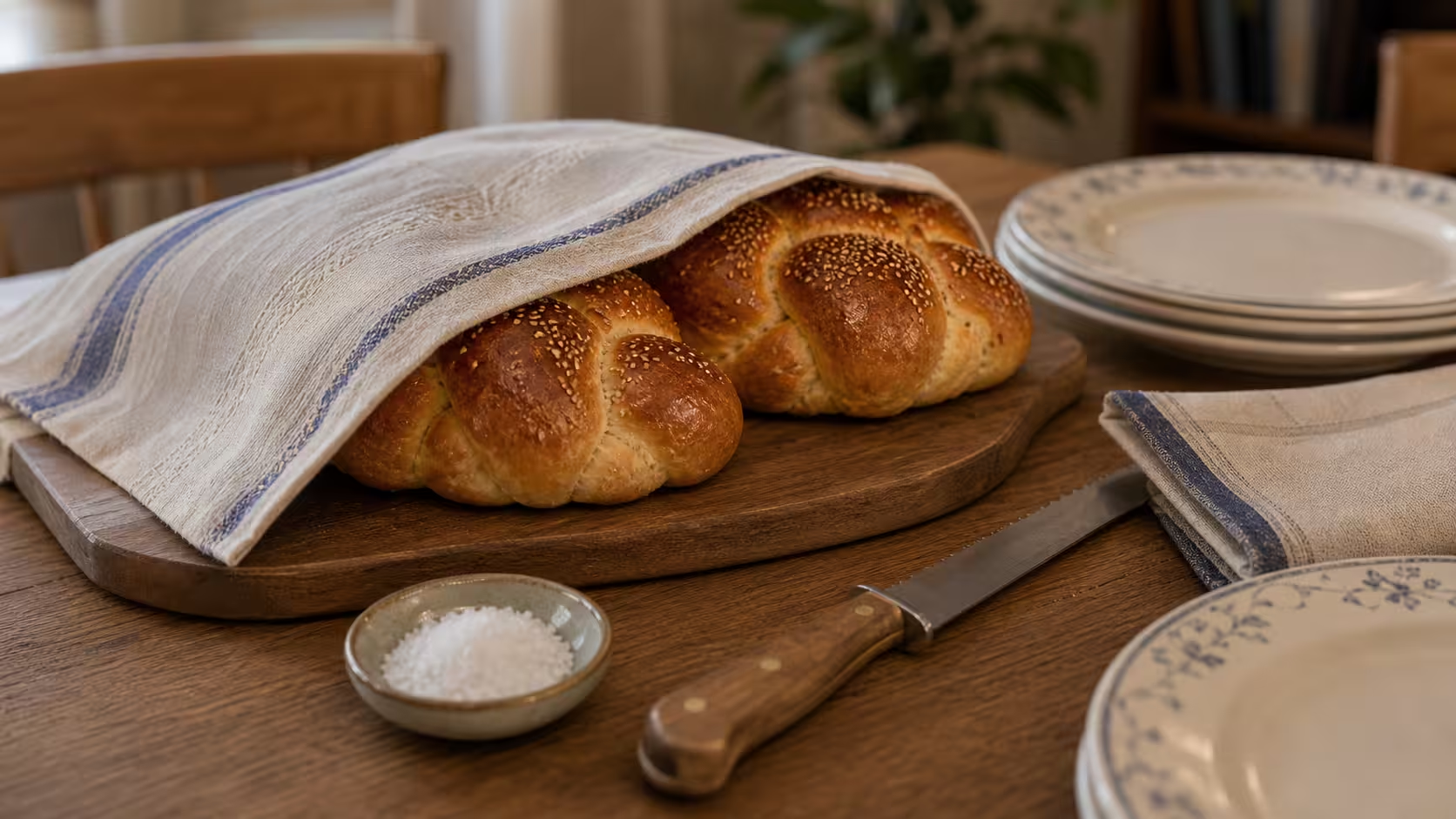
The challah may be covered until the blessing. It may be salted after it is cut or torn. People may receive pieces around the table. The texture matters, but not as much as the movement. Bread passes. Hands reach. A guest who was anxious now has something to do. The room becomes less ceremonial and more hospitable.
That is one of Shabbat dinner’s quiet strengths. It does not ask people to remain pure spectators. You eat. You pass plates. You ask how someone got through the week. You learn a melody by hearing the chorus three times. If you are new, you may not know where one ritual ends and the meal begins. That is fine. At a good Shabbat table, the meal is part of the ritual.
The meal carries the week without letting it rule
The food may be simple or elaborate. Chicken soup, fish, salads, roasted vegetables, rice, kugel, cholent prepared for later, takeout transferred into serving dishes, vegan mains, family recipes, and improvised weeknight food can all appear. Shabbat food is not one cuisine because Jewish families are not one cuisine. Ashkenazi, Sephardi, Mizrahi, Ethiopian, Persian, Indian, Italian, North African, American, Israeli, and many other food memories can all live under the same word.
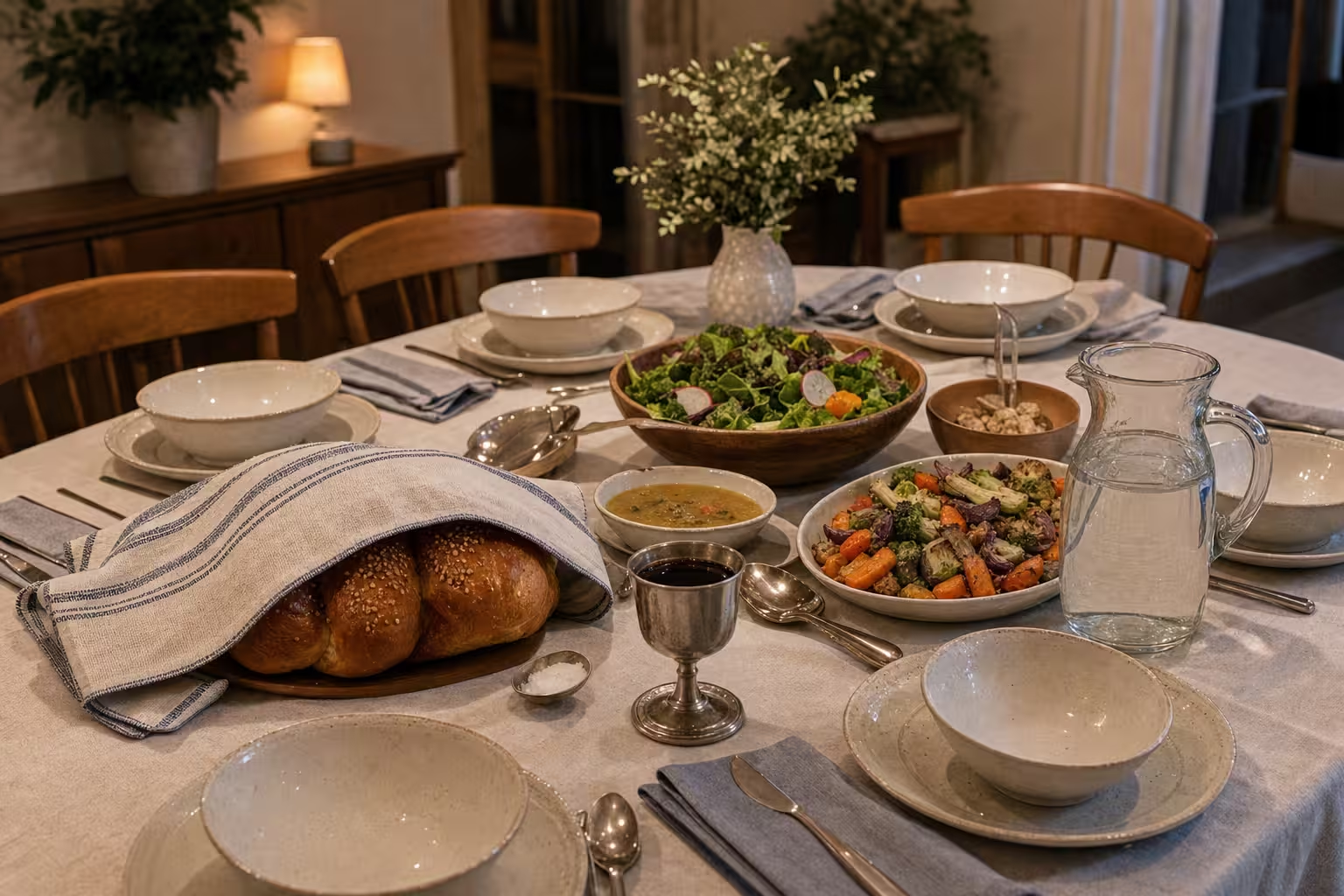
What makes the meal feel like Shabbat is not a single menu. It is the sense that the table is allowed to hold more than consumption. People linger. Songs may interrupt conversation. Conversation may interrupt songs. Some families avoid weekday topics like work and money. Some argue politics anyway. Some talk Torah. Some tell stories about grandparents. Some host strangers because hospitality itself is part of their practice.
The beginner’s task is to notice how the table creates a small society. Who is included? Who is fed first? Who leads? Who translates? Who makes space for the person who does not know the words? Every Shabbat table teaches a version of Jewish life, but it also teaches the character of that particular home.
Rest is not only doing nothing
People often define Shabbat by restrictions: no work, no driving, no cooking, no phone, no spending money, depending on the community. Those details matter, but they are not the whole story. The Hebrew idea of melachah, often translated as work, is more specific than ordinary tiredness. Traditional observance is shaped by categories of creative labor drawn from rabbinic interpretation, and communities live those categories in different ways.
A beginner does not need to resolve every legal detail to understand the spiritual pressure of the day. Shabbat asks what happens when people stop trying to control, produce, purchase, and optimize. It asks whether a person can be more than output. It asks whether a home can become a place of delight rather than only maintenance.

For some, that means strict halakhic observance. For others, it means a family meal, synagogue, a walk, study, volunteering, no email, or simply one protected pocket of time. The danger is treating all differences as equally thoughtless. Many Jews have reflected deeply and chosen different practices. The respectful beginner asks before judging.
Being a guest without making the host manage you
If you are invited to Shabbat for the first time, ask practical questions early. What time should you arrive? Can you bring anything? Is the home kosher, and if so, what would be appropriate to bring? Should you avoid taking photos? Is there a dress expectation? Are phones put away? These questions are not embarrassing. They are signals that you want to respect the household.
At the table, do not turn one Jewish person into a full-time explainer unless they have offered that role. You can ask, “Would you mind explaining what we just did?” but then let the answer be short if the host is also trying to serve soup. If you do not know a song, listen. If people stand, stand when invited. If someone says “amen,” you may answer if comfortable, but you are not required to fake certainty.
The best guest posture is warm attention. Notice the flow. Accept food within your needs. Thank the cook. Help clear if that fits the household’s Shabbat practice; in some homes, even cleanup has rules. Let the table teach before you try to summarize it.
After dinner, Shabbat keeps unfolding
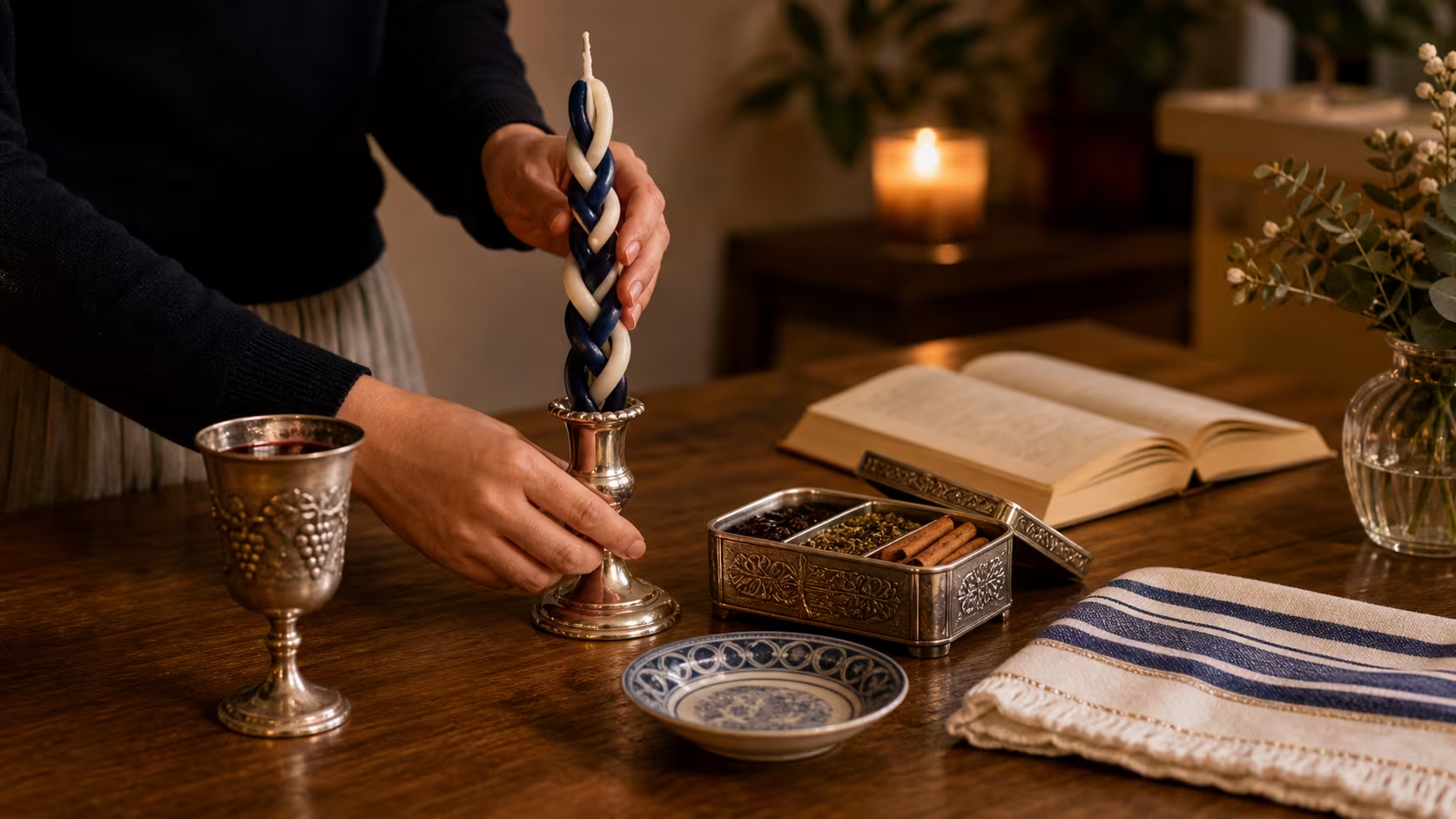
Friday night is only the entrance. In many communities, Shabbat continues with morning services, lunch, rest, study, walks, visiting, singing, and eventually havdalah, the ceremony that separates Shabbat from the new week. Havdalah uses wine, spices, and a braided candle to say goodbye to the day. The spices are especially tender: a fragrant consolation as the extra soul of Shabbat departs, according to a traditional idea.
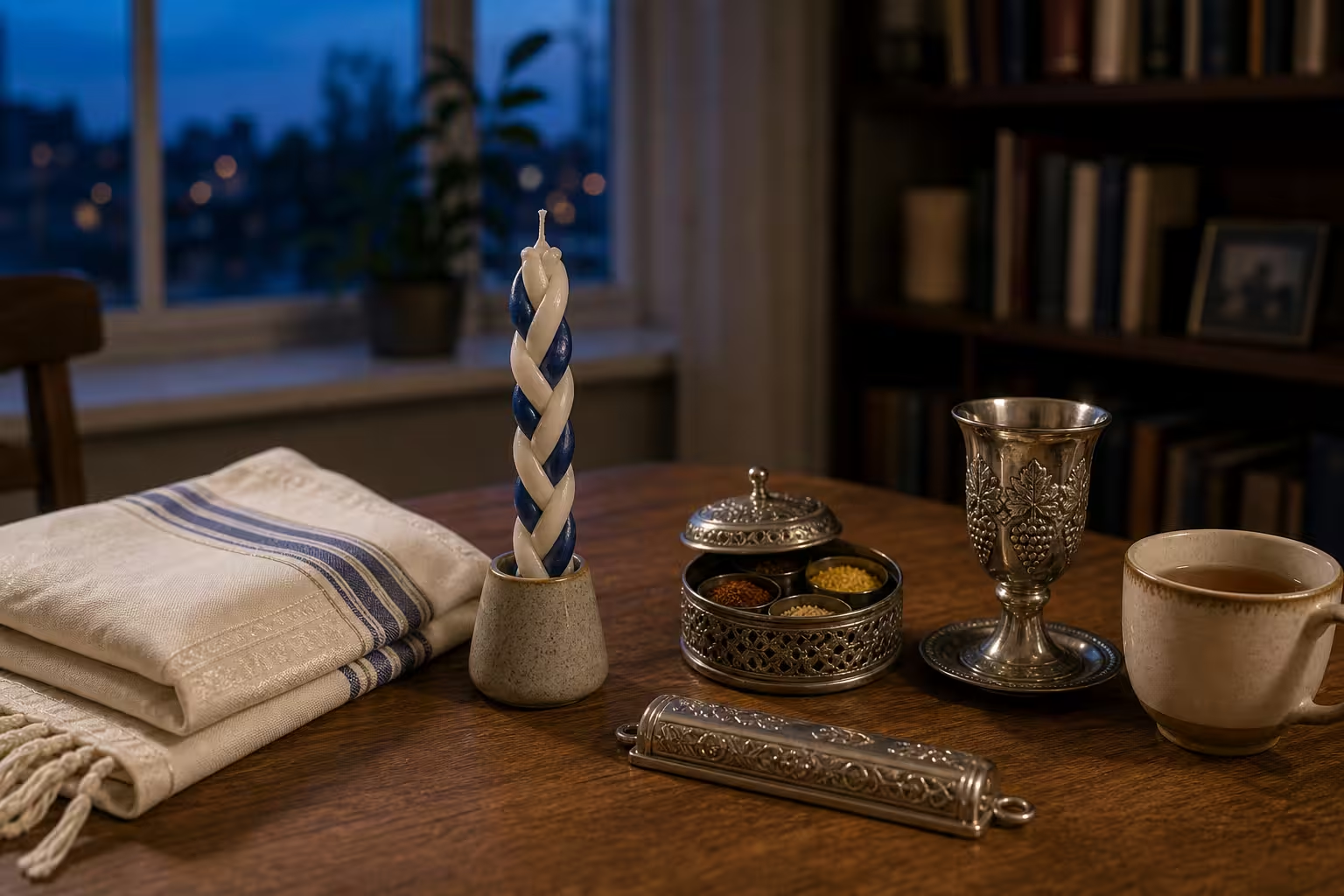
That ending helps explain the beginning. Shabbat is not simply a day off. It is a guest. You prepare for it, welcome it, live with it, and escort it out.
The first Friday night you attend may not feel transcendent. You may be distracted by unfamiliar words, worried about etiquette, or simply hungry. But if you watch closely, you may notice the shape underneath the details. The week has been interrupted. Food has become more than food. Time has been named. People have been gathered. Memory has entered the room through bread, blessing, melody, and the stories people tell when they finally sit down.
That is enough for a first Shabbat. Not mastery. Arrival.