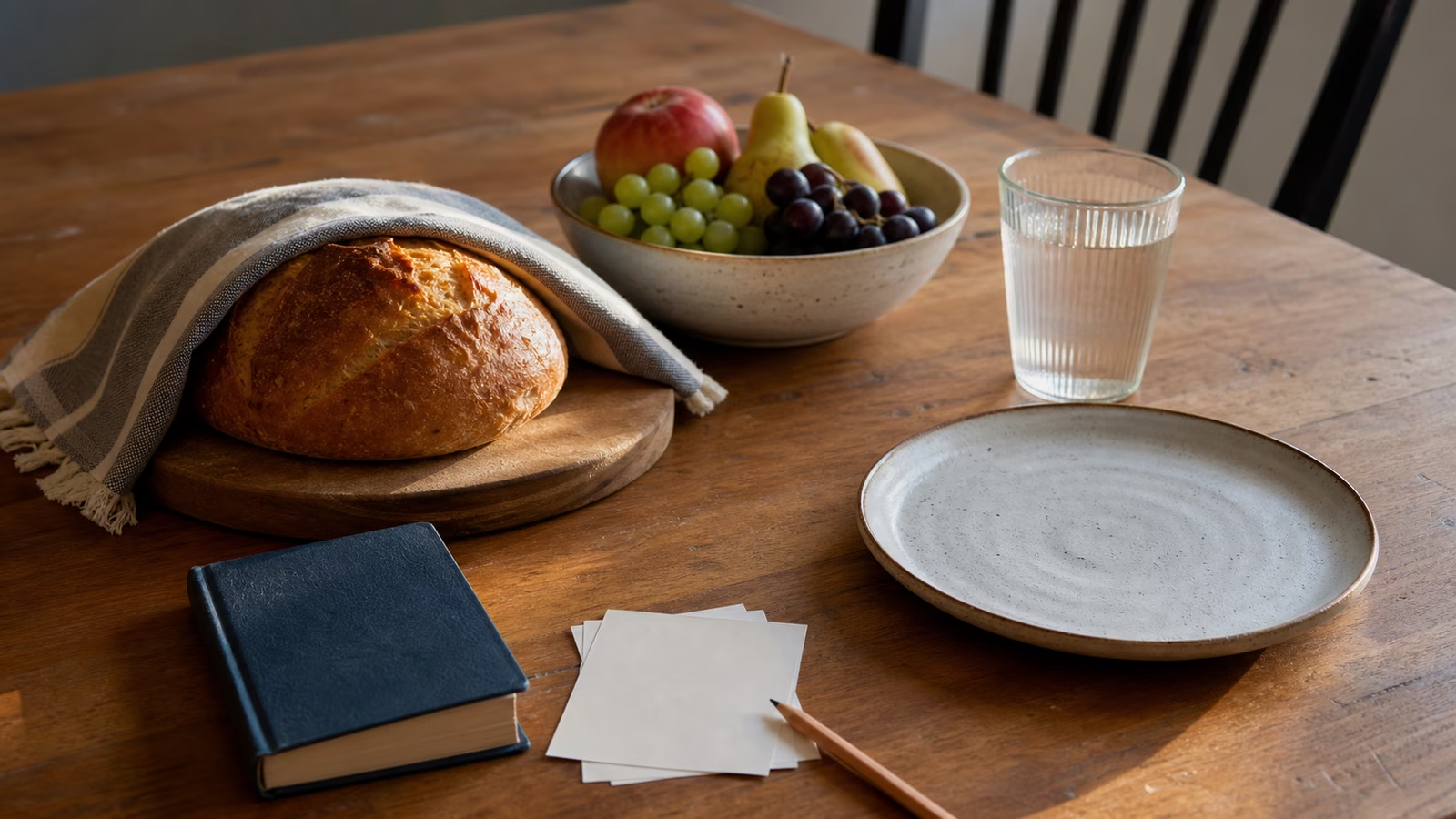
The table does not look religious at first. There is a piece of fruit, a glass of water, a small loaf of bread under a cloth, an empty plate, and perhaps a book with pages that open in the direction a beginner still finds unfamiliar. Nothing dramatic has happened. Nobody has entered a sanctuary. No holiday has arrived. The food is ordinary enough that it could disappear into the day without being noticed.
That is exactly why Jewish blessings matter.
A berakhah, usually translated as a blessing, is not only a polite thank-you before eating. It is a short act of attention. It teaches that the world is not mute, that appetite can slow down for a moment, and that ordinary things are not merely available. Bread, fruit, water, fragrance, light, waking, learning, hearing good news, and entering sacred time can all become occasions for speech. The practice does not require a perfect mood. It asks for a pause small enough to fit into daily life and serious enough to change how a person receives the day.
Jewish Home Rituals for Beginners places blessings beside mezuzah, tzedakah, havdalah, and hospitality because home practice is often built from repeated gestures. A blessing before food may last only a few seconds, but repetition gives it weight. The first time, it may feel like a line to memorize. The hundredth time, it may feel like a handrail.

A Blessing Is Not Magic Words Over Food
Beginners sometimes imagine a blessing as something that changes the food, almost as if the words make it permitted, holy, or safe in a mechanical way. Jewish practice is more subtle than that. The blessing changes the eater. It creates a moment of recognition before taking. The food was already food. The apple was already an apple. The bread was already bread. The blessing asks the person holding it to remember that receiving is not the same as owning.
That distinction is important because so much of life trains people to consume without noticing. A snack appears between tasks. Coffee disappears during a commute. A meal becomes background while a screen stays in the foreground. A blessing interrupts that drift. It does not scold hunger. It dignifies it by placing hunger inside relationship: between the person, the food, the earth, the people who made the meal possible, and God as Jewish language understands the source of blessing.
Not every Jewish home uses the same practice. Some people say blessings in Hebrew before almost everything they eat. Some say them mainly at Shabbat and holidays. Some use transliteration, translation, or silent intention while learning. Some grew up with the sounds and are returning to them after years away. Some are exploring without yet knowing what they believe. The beginner should not confuse variation with emptiness. A short blessing can be deep even when a person is still learning the words.
Bread Makes the Meal Feel Different
Bread has a special place in Jewish food blessings. In many traditional settings, a meal that begins with bread becomes structured around the blessing over bread and, afterward, Birkat HaMazon, the blessing after the meal. That does not mean every bite of bread carries the same social weight. A hurried cracker at a counter and a Shabbat table with covered challah do not feel the same. But bread has long carried the symbolic force of sustenance, labor, land, and shared eating.
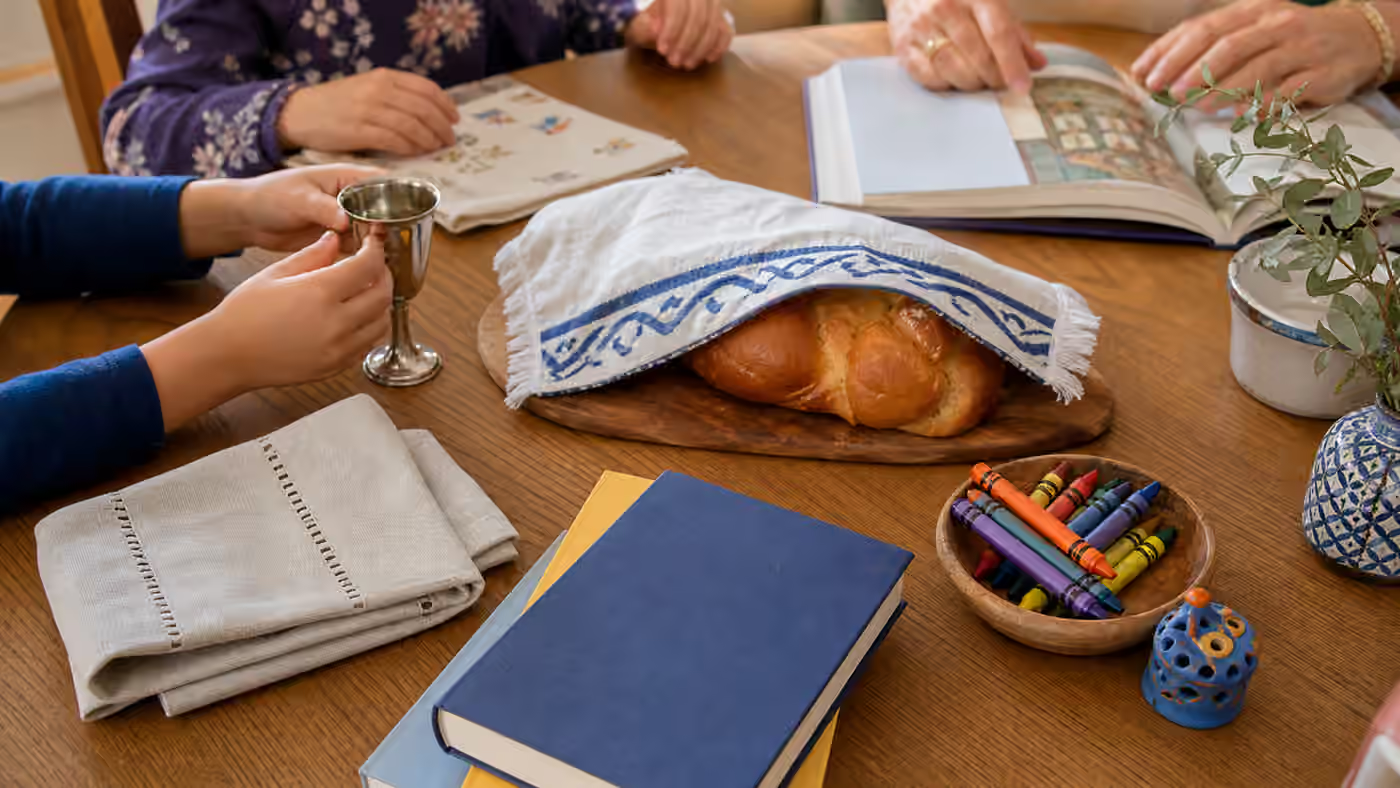
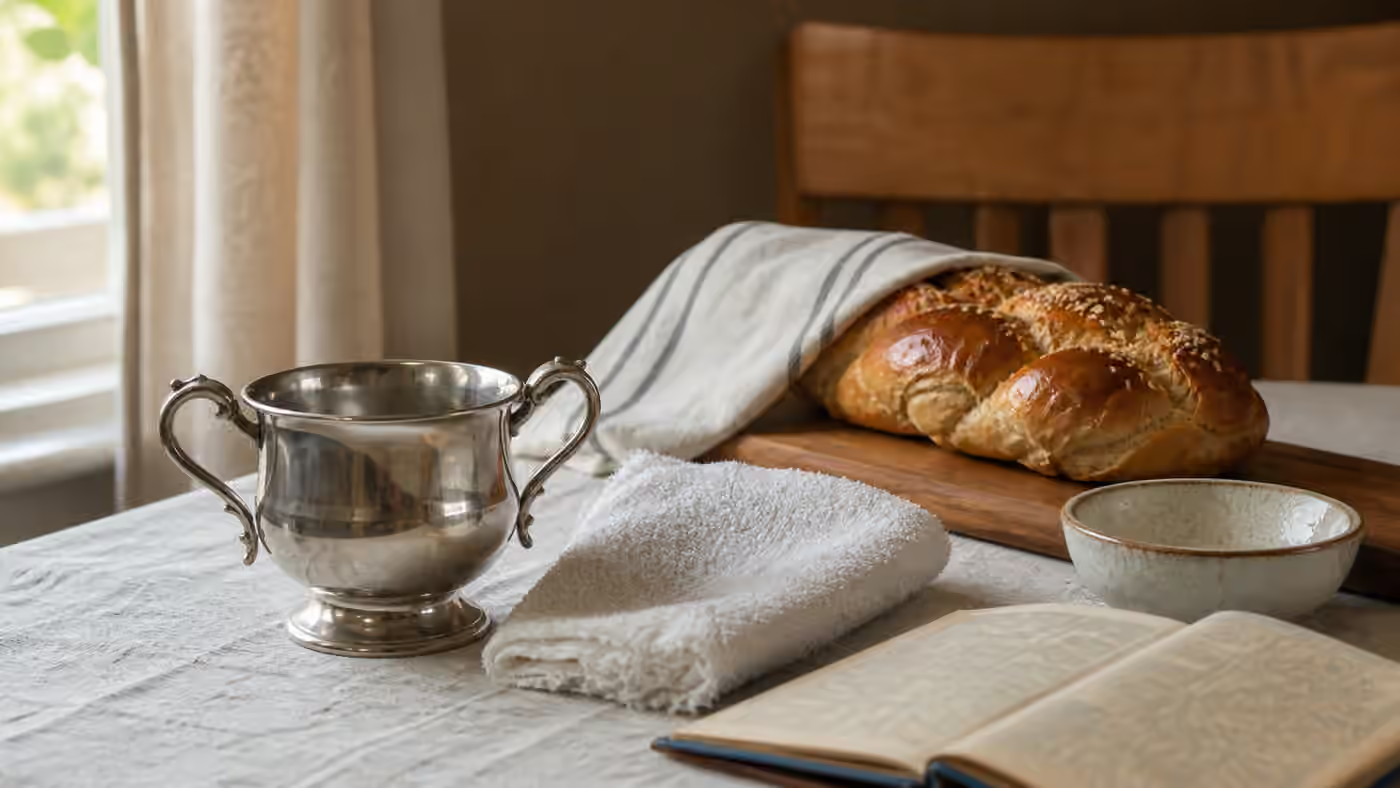
This is why Kiddush and Table Blessings spends so much time with the cup, the covered challah, and the first shared bite of a Shabbat meal. Kiddush marks sacred time with wine or grape juice. The blessing over bread moves the room from declaration into eating. At a weekday table, the scene may be quieter, but the pattern is related. Bread asks the meal to become less casual, less invisible.
For a beginner, the practical challenge is not only which words to say. It is learning when a piece of food is carrying the meal and when it is merely one item among others. Communities and teachers explain those distinctions with varying levels of detail, and anyone trying to keep the practice carefully should learn from a trusted local source. But even before the fine points are mastered, the beginner can notice the shape. Bread gathers the meal. The words before bread make the beginning deliberate. The words after a bread meal keep gratitude from ending at the first satisfied breath.
Different Foods Teach Different Attention
Jewish blessings before food are not all the same because food does not arrive from the world in one way. Fruit from a tree, vegetables or other produce from the ground, grain foods, wine or grape juice, bread, and foods that fall into broader categories can each have their own blessing in traditional practice. The categories are not meant to turn lunch into a quiz. They train attention to origin. Did this grow from a tree? From the ground? Was it made from grain? Is this wine, with its own ritual and festive weight? Is this a food that receives the more general blessing said over many things?
At first, the categories can feel fussy. Then they begin to feel observant. A grape and a carrot are no longer interchangeable units of nutrition. A cookie, a bowl of rice, and a glass of water do not ask for the same speech. The practice makes the eater look again at the physical world. It also teaches humility, because many real foods are mixed, processed, cooked, or served in ways that make the category less obvious. A beginner will get stuck. That is normal.
The healthiest learning posture is neither panic nor carelessness. If you are eating with a host, follow the household’s rhythm. If you are learning alone, use a reliable siddur, bentcher, teacher, or community resource and accept that the map will become clearer with use. Trying to master every edge case before saying any blessing is a way of staying outside the practice forever. Saying words thoughtlessly forever is the opposite problem. The middle path is steady learning with honest attention.
After Eating, Gratitude Has More Room
Many people find blessings before eating easier than blessings after eating. Before the meal, hunger gives the moment focus. After the meal, plates are messy, people are standing up, children are restless, phones reappear, and the mind has already moved to cleanup or the next appointment. That is exactly why after-blessings matter. They ask gratitude to survive satisfaction.
Birkat HaMazon, traditionally said after a meal with bread, is much longer than a quick pre-meal blessing. It remembers nourishment, land, covenant, Jerusalem, mercy, and need. It is not only a private thank-you for a full stomach. It places eating inside a collective memory. Shorter after-blessings after other foods also keep the same moral pressure in a smaller frame: do not let receiving vanish the moment desire is met.
This can be especially powerful at a family table. A child may understand very little of the text at first, but they can understand that eating does not end with grabbing the last bite and running away. Guests can also feel the difference. At Your First Shabbat Table , the meal becomes part of sacred time because the table has beginnings, pauses, songs, conversation, and endings. After-blessings give the ending a voice.
Blessings Belong to Bodies, Not Only Books
It is easy to treat blessings as text alone. A beginner opens a book, worries about pronunciation, loses the place, and feels that the whole practice is happening on the page. The page matters, but the body is learning too. The hand pauses before lifting the cup. The eyes rest on the fruit before the first bite. The room grows quiet for a breath. A melody returns from childhood. Someone answers amen. A person who does not know the Hebrew yet learns when to listen.
That bodily learning matters because Jewish practice is often carried by repetition before full explanation. A person may first learn that a blessing happens before eating bread, and only later learn the layers of meaning. They may first hum along with Birkat HaMazon, and only later notice the way it links food to land and communal memory. They may first say a translation with sincerity, and later learn the Hebrew. Learning from the outside inward is still learning.
This is also why embarrassment is such a poor teacher. If someone is new, the kindest approach is to make participation possible without turning the person into a spectacle. Hand them a bentcher. Point to the line. Say, “You can listen if you like.” Explain one thing, not ten. A home that practices blessings well does not only know the words. It knows how to make room for someone else to learn them.
Kosher Questions and Blessing Questions Are Related, But Different
Food practice can become confusing because several Jewish questions may appear at the same table. Is the food kosher by this household’s standard? Is the meal meat, dairy, pareve, vegetarian, or something else? Which blessing is said before this food? Is there an after-blessing? These questions touch one another, but they are not identical.
A Beginner Kosher Kitchen helps with the trust, ingredients, separation, and hosting side of food practice. Blessings ask another kind of question: how does eating become conscious? A person can be careful about kosher details and still rush through food without blessing. A person can be learning blessings while also needing help understanding the household’s kosher expectations. Beginners do better when they separate the questions instead of letting them merge into one large anxiety.
If you are a guest, it is usually enough to follow the host’s lead. If the host says a blessing aloud, listen or answer amen if that is comfortable and appropriate. If you are asked to lead and you are not ready, it is fine to say so. If you are hosting someone with a more careful practice than your own, ask what would help them before planning the meal. Respect often begins with a plain question asked early.
A Small Practice Can Stay Small and Still Matter
The beginner does not need to turn every meal into a performance. Start with one doorway. Learn the blessing over bread before a Shabbat or weekday meal. Learn the blessing over fruit and say it before an apple in the afternoon. Learn how your community handles water, coffee, snacks, grain foods, and after-blessings. Keep the words close enough that they are usable, not hidden in a book you never open. If you forget, return without drama.
Over time, the practice may begin to change the table in quiet ways. Food slows down. The first bite feels received rather than seized. A child hears that gratitude has language. A guest sees that the household’s rituals are not reserved only for holidays. The same Jewish life that gathers around Shabbat, holidays, tzedakah, mezuzah, and mourning also appears in a glass of water and a piece of fruit.
That is the tenderness of everyday blessings. They do not wait for the grand moments. They meet the person at the edge of appetite, when the hand is already moving, and ask for one breath of recognition before taking. In that breath, the ordinary table becomes visible again.