The meal feels finished before Jewish practice says it is finished.
Plates have been pushed back. The last pieces of challah have been eaten or wrapped for later. Someone is already thinking about dishes, bedtime, a walk home, or the next conversation. In many homes, this is the moment when the table begins to dissolve. Chairs scrape. Phones reappear. Gratitude has already been assumed, and because it has been assumed, it can easily disappear. For background, read Deuteronomy 8:10 (blessing after eating) .
Birkat HaMazon interrupts that disappearance. It is the traditional Jewish blessing after a meal that included bread, often translated as grace after meals. The name means blessing of nourishment, but the practice is larger than a polite thank-you for being full. It teaches that eating has an ending, and that the ending deserves as much attention as the beginning.
Everyday Jewish Blessings explains how small blessings before and after food train attention. Birkat HaMazon is the place where that training becomes especially visible. It is longer than the quick blessing before bread. It does not let gratitude stay private or vague. It remembers food, land, covenant, Jerusalem, mercy, and the ongoing need for sustenance. A beginner may not understand every phrase at first, but the table can still teach the shape: receiving should not end in silence.
Bread Makes the Meal Gathered
In Jewish food practice, bread does more than fill hunger. A meal that begins with bread often has a more formal shape. There may be handwashing in some homes, the blessing over bread, shared pieces passed around the table, conversation, song, and then Birkat HaMazon. The meal is not only a series of foods. It is a small arc.
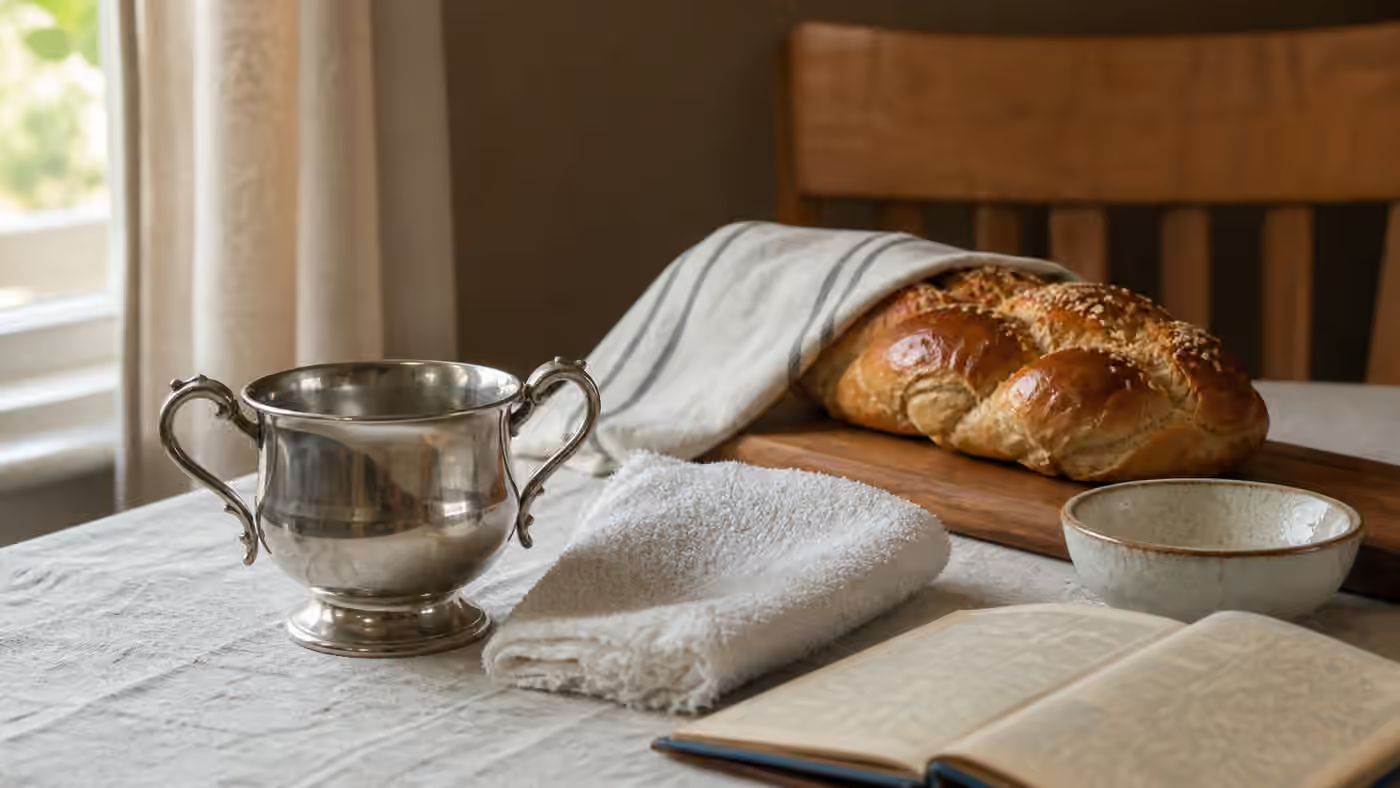
That arc is easy to see at a Shabbat table. Kiddush and Table Blessings follows the cup, covered challah, washing, bread, and meal rhythm because Shabbat dinner needs a way to begin. Birkat HaMazon gives it a way to close. Without a closing, the meal can fade into cleanup so quickly that the table never has time to become reflective.
Bread is also humble enough to keep the practice grounded. The blessing does not wait for luxury food, perfect cooking, or a festival crowd. It can happen after soup and bread, a weekday lunch, a family Shabbat meal, or a crowded holiday table. The point is not culinary drama. The point is that nourishment has arrived, and the person who has received it pauses before walking away.
For beginners, the practical detail is that communities differ in how they decide when Birkat HaMazon is said, how much is sung, which additions are included, and how careful people are with every word. A reliable siddur, bentcher, teacher, or host can guide the exact practice. The first lesson, though, is simpler: Jewish gratitude does not stop at appetite. It returns after the appetite has been satisfied.
The Bentcher Is a Table Object
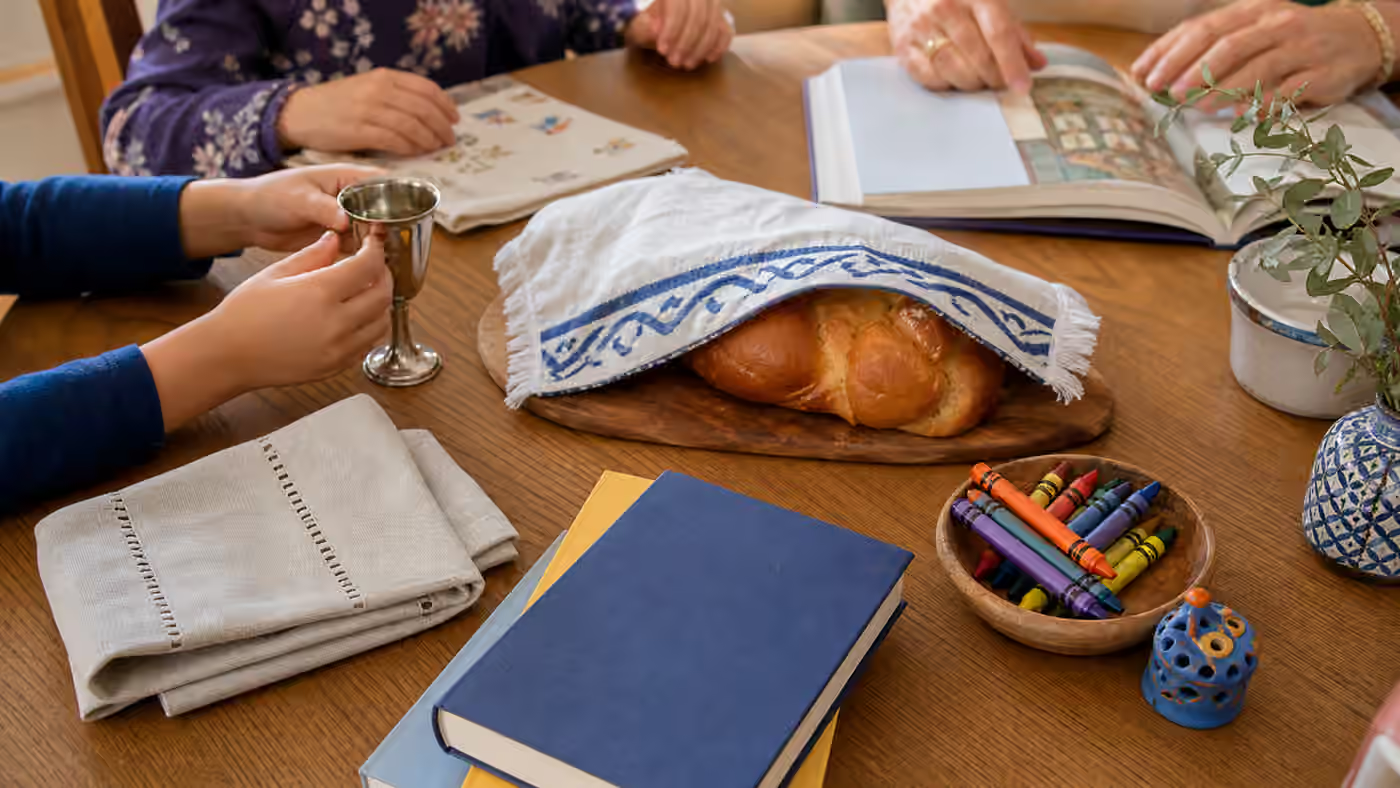
Many homes use a small booklet called a bentcher for Birkat HaMazon. It may include Hebrew, translation, transliteration, Shabbat songs, wedding songs, or other table prayers. At a large meal, a host might pass bentchers around after dessert or before people leave. A beginner who receives one may worry about page order, pronunciation, or whether they are expected to sing every word.
The kindest way to learn is to let the room carry more than you do. If you are new, open the booklet and follow as much as you can. Listen for repeated melodies. Notice when people answer amen. If there is transliteration and you are comfortable trying, join softly. If not, listening is still participation. Jewish tables have always included people at different levels of fluency: children, guests, elders, converts, relatives returning after distance, and people who know the melody better than the meaning.
A good host does not turn the bentcher into an exam. They may point to the place, explain that the prayer is after bread meals, or say which tune the table uses. They may also move quickly because the room already knows the pattern. That can feel disorienting, but it is not a sign that you are failing. It means you have entered a practice with memory.
The booklet itself teaches something important. Gratitude is portable. It does not require a synagogue, a rabbi, or a polished speech. A small book on a table can hold centuries of language and bring them into an ordinary dining room.
After the Meal Is a Different Spiritual Moment
Blessings before eating and blessings after eating do different work. Before a meal, hunger makes attention easier. The food is in front of you. The first bite is waiting. The blessing asks the hand to pause before taking. After a meal, the challenge is harder because desire has quieted. A person who is no longer hungry may feel finished with gratitude precisely when gratitude should become more honest.
That is why Birkat HaMazon can feel countercultural even in a religious home. It refuses the rhythm of immediate consumption and immediate exit. The meal is not complete just because the body has received what it wanted. The eater must return speech to the table.
The text does this by widening the frame. It begins with nourishment, but it does not stay with private satisfaction. It remembers the land, covenant, Torah, Jerusalem, divine mercy, and the needs of all who hunger. The movement matters. A meal can make a person smaller if it collapses into “I am full.” Birkat HaMazon tries to make the eater larger by connecting fullness to memory and responsibility.
This is not always emotionally easy. A person may say words about abundance while knowing that some people lack food. A family may sing after a meal during a season of grief. A guest may not know what they believe about God. Jewish practice often leaves those tensions inside the words rather than waiting for perfect certainty. The table says the blessing anyway, not because every question has been settled, but because gratitude itself needs discipline.
Shabbat Gives the Ending a Voice
On Shabbat, Birkat HaMazon can feel especially woven into the day. Your First Shabbat Table describes how candles, kiddush, challah, food, song, and rest change the room. Grace after meals is part of that same change. It tells the table that the meal was not a pause from Shabbat practice. It was one of the ways Shabbat practice happened.
Some Shabbat tables sing with energy. Others move through the words quietly. Some include special additions. Some have children who know only a chorus, guests who are reading slowly, and adults who have sung the same tune since childhood. The mixture is not a problem. It is the sound of a living table.
For someone hosting newer guests, Birkat HaMazon is a place to be gentle. If you hand out bentchers without explanation, the practice may look like a sudden test at the end of dinner. If you explain too much, the meal can turn into a lecture. A short sentence is often enough: “After a bread meal we say Birkat HaMazon, grace after meals. You can join, follow along, or listen.” That sentence gives permission to participate without pretending.
For someone visiting, the best posture is warm attention. Let the host lead. Keep the booklet open. Join where you can. If you are lost, listen. Ask later if one phrase or melody caught your ear. A table is not only a place to display what you know. It is a place to learn how a community gives shape to gratitude.
The Practice Changes Cleanup
One quiet gift of Birkat HaMazon is that it changes the way cleanup feels. Without it, people may scatter the moment eating stops. With it, the table lingers. Even if dishes are waiting, even if someone is tired, the group stays together for a few more minutes. The meal receives an ending before the room becomes ordinary again.
This can matter for children. A child may not understand the theology, but they can learn that meals have a beginning and an ending, that food is not grabbed and abandoned, and that gratitude is something a household does together. It can also matter for adults who are used to rushing. The practice makes impatience visible. The sink can wait for a little while. The message is not that dishes are unimportant. It is that receiving food deserves its own dignity before the work resumes.
Birkat HaMazon also keeps the meal from becoming purely domestic. It may happen in a kitchen, dining room, backyard sukkah, synagogue social hall, wedding hall, or crowded apartment, but the words carry public memory into the private room. That is why the blessing belongs naturally beside A Beginner Kosher Kitchen and Kosher Hospitality With Care . Kashrut asks how food is prepared and shared with trust. Birkat HaMazon asks how food is received and remembered after it has done its work.
The beginner does not need to master every tune, addition, or textual detail before beginning to respect the practice. Start by noticing the ending. If you eat at a table where Birkat HaMazon is said, let it slow you down. If you are building your own practice, keep a bentcher where it can actually be used. Learn one melody if melody helps. Read a translation slowly if meaning helps. Ask a teacher when details matter.
The meal feels finished before Jewish practice says it is finished. That extra pause is the point. Hunger may be gone, but gratitude still has a voice to find.