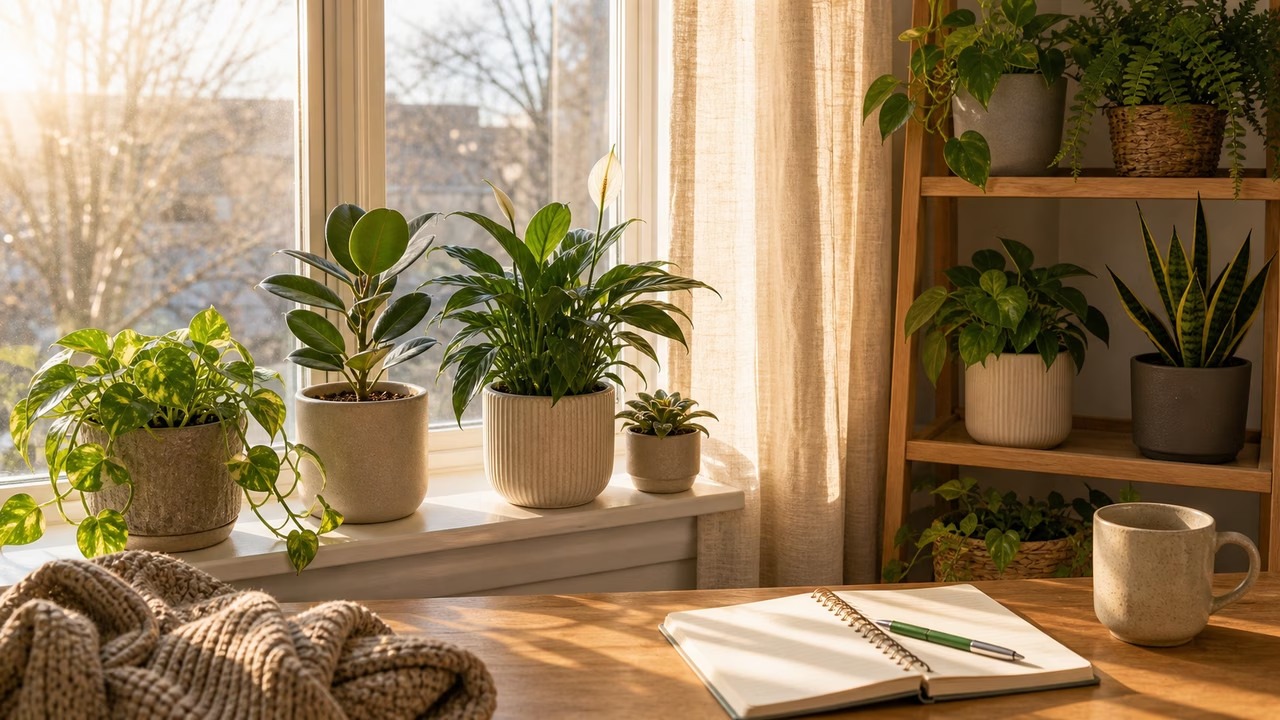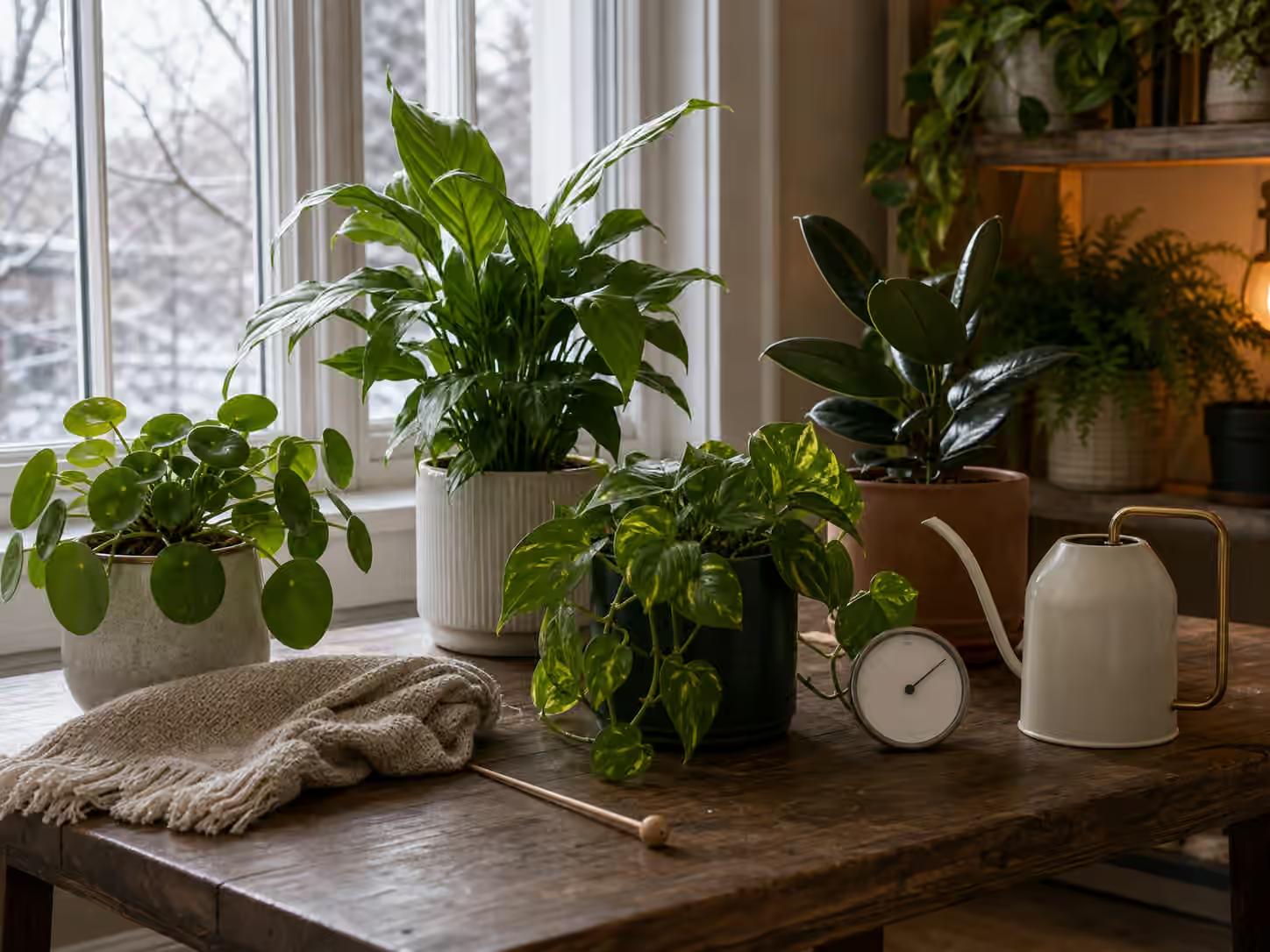
Winter houseplant care is mostly a lesson in restraint. The room changes before the plant explains what changed. Days shorten, sun angles shift, windows cool down, heaters dry the air, and plants that grew eagerly in summer may slow to a quiet crawl. The danger is not only neglect. It is the sudden urge to fix every slower leaf with more water, more fertilizer, a bigger pot, or a new product.
The right winter adjustment begins with observation, not a new schedule. A plant near a bright summer window may receive much less usable light in winter, or it may receive lower, more direct sun that reaches deeper into the room. A plant that dried every five days in warm active growth may take twice as long when the room is cool and growth slows. The plant is not breaking the rules. The conditions have changed.
Water Less Often, Not Less Carefully
Many winter problems begin when the owner keeps a summer watering rhythm. Less light means many plants use water more slowly. Cooler rooms slow evaporation. Dense mixes stay damp longer. A pot that remains heavy for a week is not asking for another drink because the calendar feels familiar. It is asking you to wait until the root zone reaches the right level of dryness for that plant.
That does not mean every winter watering should be tiny. Small sips can create a wet surface, dry interior pockets, and mineral buildup without actually refreshing the root ball. When a plant genuinely needs water, water thoroughly enough that moisture reaches the roots, then let excess drain away. The change is timing, not panic. Stop Watering Houseplants on a Schedule is the core winter guide even though it is not named for winter.
Use pot weight more than surface appearance. Heated rooms can dry the top half inch while the middle remains damp. A wooden skewer, a finger test where appropriate, or the lift of the pot can stop you from mistaking dry surface texture for thirsty roots. If symptoms are already confusing, compare them with Overwatered vs Underwatered Houseplants before changing several things at once.
Move For Light, But Respect Cold Glass
Winter often makes light placement more important. A plant that tolerated a side table in summer may stretch, pale, or stall when daylight weakens. Moving it closer to a window can help, but the move should be thoughtful. Cold glass, drafty frames, radiator blasts, and nighttime temperature drops can injure leaves or chill roots. The brightest spot is not always the safest spot if the plant presses against freezing glass or sits above a heat vent.
Read the room during the day and evening. Notice where direct sun lands, where the plant touches the window, and whether leaves closest to the glass show damage different from leaves facing the room. Window Direction for Houseplants and Seasonal Light Changes for Houseplants are useful because winter is often about geometry: the same window behaves differently when the sun is lower and days are shorter.
Grow lights can help when the room cannot provide enough light, but they are not a magic winter cure. A light placed too far away becomes room decoration. A light with unsafe cords near watering paths creates a different problem. If you add one, use a timer, keep it close enough to matter, and make the shelf easy to water and inspect. The guide to Grow Lights for Houseplants gives that setup its own space.
Expect Slower Growth
A plant that pauses in winter is not automatically unhealthy. Many indoor plants keep living while producing fewer leaves, smaller leaves, or no obvious new growth for a while. That can be frustrating if you measure care by visible progress. In a clinic mindset, stable leaves, firm stems, and roots that are not staying wet may be success. Not every quiet month needs intervention.
Fertilizer is where this expectation matters most. Feeding a plant that is not actively growing can leave unused salts in the mix, especially if watering is also less frequent. Brown tips, crust on the soil surface, and a general stale look may follow. Unless a plant is growing strongly under good light, winter is usually a time to reduce or pause casual feeding. Fertilizer Without Guesswork is built around that restraint.
Repotting deserves the same caution. If a plant is severely root-bound, unstable, or in failing mix, repotting may still be justified. But repotting because winter growth looks slow can add stress at the exact moment the plant has less energy to recover. If the plant can wait until active growth returns, waiting is often kinder. When to Repot a Houseplant helps separate real constraints from impatience.
Humidity Helps Only When The Basics Are Right
Heated indoor air can be dry, and thin-leaved tropical plants may show brown edges or curling when humidity drops. Still, humidity is easy to over-focus on. A plant with wet roots, low light, or cold drafts will not be rescued by a pebble tray. A humidifier in the wrong spot can create condensation, damp shelves, or mold concerns in the home. The plant’s comfort matters, but so does the room.
Group plants where airflow and inspection remain good. Keep leaves from pressing into cold windows. Use clean water practices for any humidifier and follow the manufacturer’s directions. Avoid constant misting as a main strategy, especially in a cool room where leaf surfaces stay wet. Houseplant Humidity Without Misting is the better guide if humidity has become the suspected cause.
Some winter leaf changes are old news arriving late. Brown tips that began in dry air may not heal. A yellow lower leaf may be normal aging. A scorched patch may come from sudden low-angle sun. Mark the date, check whether the symptom spreads, and watch the next leaf. Winter care improves future growth more often than it repairs old tissue.
Watch Pests And Debris
Winter shelves can become crowded because plants move indoors, closer to windows, or under lights. Crowding makes pest inspection harder. It also keeps soil surfaces shaded and still, which can favor fungus gnats or surface mold if pots remain damp. Fallen leaves tucked under dense canopies decay quietly. A calm winter routine includes turning pots, checking leaf undersides, removing debris, and isolating suspicious plants before a small issue spreads.
Do not treat every speck with a spray. Identify the pattern first. Webbing, sticky residue, cottony clusters, moving dots, and small flies all point in different directions. Houseplant Pest Inspection Routine is more useful than guessing in a season when plants may already be stressed.
The winter version of care is quiet but not absent. Move plants where light is usable and temperatures are steady. Water by pot condition. Pause feeding unless growth and light justify it. Keep leaves clean enough to use the light they receive. Accept slower growth without turning it into a project. When spring conditions return, the plants that were kept stable often respond more clearly than plants that were fussed through every dark week.