Tradescantia is a fast, colorful trailing plant that can look full one month and tired the next if the room does not match its pace. The stems lengthen quickly, older bases can go bare, and leaf color changes when light is too weak. This does not make the plant a failure. It means tradescantia is often best grown as a plant you renew, prune, and root from cuttings rather than as a static object that keeps the same shape indefinitely.
Use Light To Keep Color And Compact Growth
Tradescantia usually needs bright light to keep strong color and short spaces between leaves. In a dim room, stems stretch, variegation may fade, and the plant can become a long tangle with bare sections near the pot. Stronger light supports better color and denser growth, but harsh direct sun can scorch leaves or dry the pot too quickly. The best indoor place is often bright filtered light, gentle morning sun, or a grow light that covers the trailing stems evenly.
Light should reach the top of the pot, not only the hanging ends. A tradescantia hung high above a window or placed on a shelf where only the trailing tips receive light may lose leaves near the crown. This creates the familiar full-at-the-bottom, bald-at-the-top problem. Move the pot so the crown receives usable light, rotate it occasionally, and avoid tucking the plant so high that inspection and watering become awkward.
If you are trying to keep purple, silver, or striped foliage vivid, start with light before fertilizer. Color is often a plant response to energy and genetics, not a feeding problem. Bright Indirect Light Explained and Grow Lights for Houseplants can help you choose a place that supports the whole plant.
Water The Pot You Have, Not The Plant You Imagine
Tradescantia grows fast when conditions are good, so it may use water quickly in bright light. It can also rot or decline if kept wet in a low-light corner. The plant’s speed tempts people into a fixed routine, but the pot still needs to be checked. Water thoroughly when the mix has dried enough, let excess drain, and then wait. Do not keep adding small splashes to a hanging pot because the visible stems look delicate.
Leaves that crisp along the edges may suggest underwatering, dry air, old age, or salt buildup. Soft yellow leaves and collapsing stems can point toward wet roots or crowded stale growth. A bare stem near the pot can be normal aging, low light, or repeated drought. The visible symptom is only the start. Check pot weight, drainage, and light before deciding.
Hanging pots add a practical problem because they are harder to inspect. A pot may be dry on one side and damp on another, or water may run down the outside while the root ball stays dry. Take the pot down when needed. Water over a sink, let it drain, and feel the weight before hanging it back. Moisture Meters, Fingers, and Pot Weight is especially helpful for plants that are easy to admire but inconvenient to check.
Prune Early Enough To Prevent A Tangle
Tradescantia responds well to pruning when the plant is healthy and has enough light. Pinching or cutting stems encourages branching and keeps the plant from becoming a few long strings. The best pruning is not a punishment after the plant looks bad. It is a regular renewal habit while the plant is still active. Cut above a node, remove weak or bare sections, and keep the crown from becoming a mat of old stems.
Pruning should be paired with better conditions. If the plant became leggy because it was too dim, cutting it back without changing light only repeats the pattern. If the pot dries too fast because it is root-bound, pruning may reduce demand for a while but will not fix the root situation. Pruning Leggy Houseplants gives a useful framework for deciding whether to cut, move, repot, or wait.
Use clean tools, and do not leave piles of cut stems on the soil surface. Dense old growth near the pot can trap moisture, hide pests, and make watering harder. A tradescantia looks casual, but it benefits from a clean crown and enough space for air and light to reach the base.
Renew With Cuttings Before The Plant Looks Finished
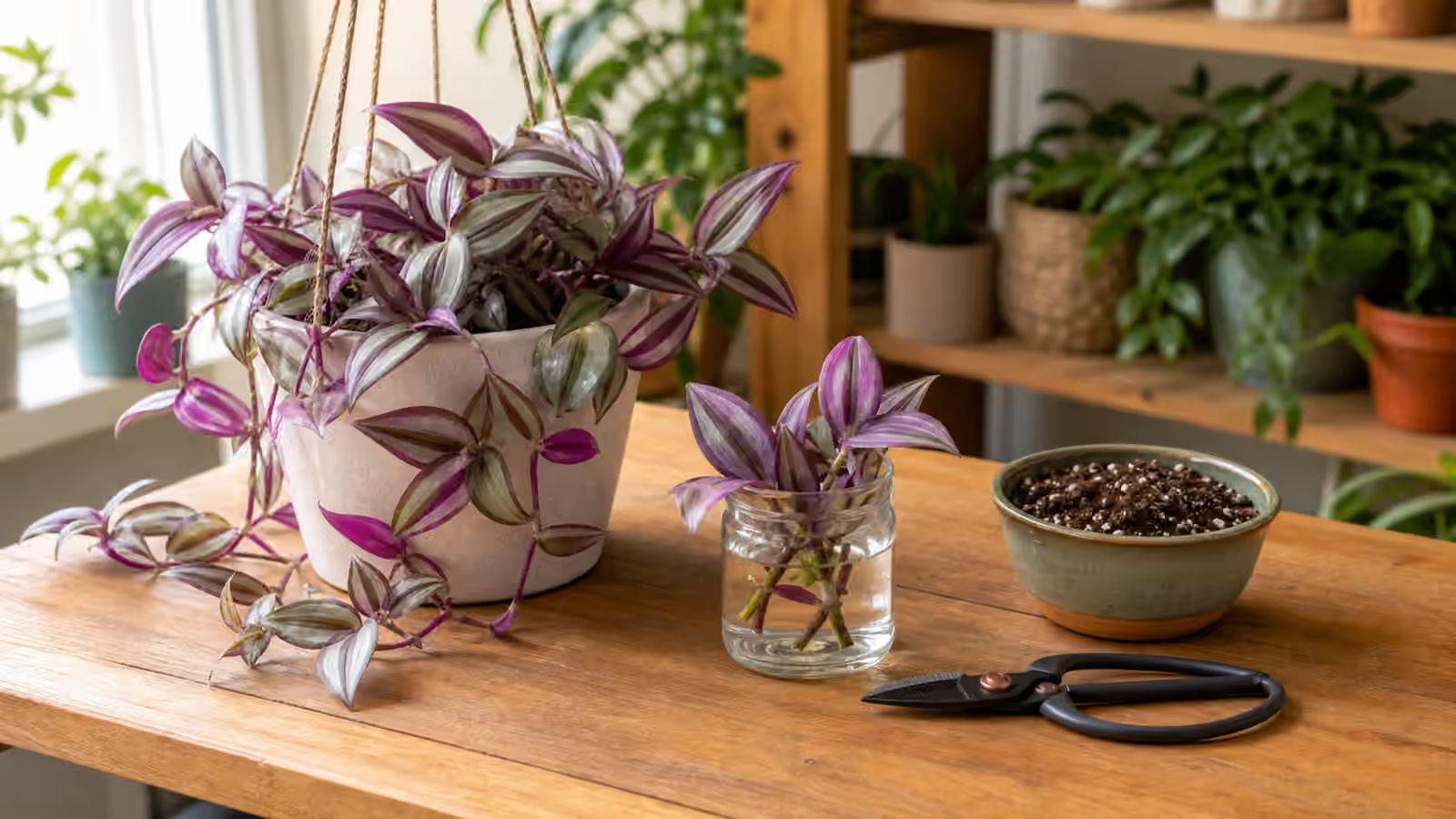
Tradescantia is one of the easiest houseplants to renew from stem cuttings. That renewal habit is part of good care, not a sign that you failed. Cut healthy stem sections with nodes, root them in water or directly in moist mix depending on your preference and conditions, and plant several rooted pieces back into the pot for fullness. The new growth often looks better than the old bare stems.
Water propagation is satisfying because roots are visible, but cuttings should not be left in water forever if your goal is a fuller pot. Move them into mix once roots are ready, then keep the transition evenly moist without turning the pot soggy. Direct sticking into mix can also work when humidity, warmth, and watering are steady. The right method is the one you can monitor calmly. Houseplant Propagation Methods gives the broader decision.
Do not wait until every stem is exhausted. Taking a few cuttings while the plant is healthy gives you better material and less pressure. If the parent plant is declining from pests, rot, or severe low light, choose only clean healthy stems and correct the conditions before planting them back into the same setup.
Keep The Pot Full Without Overcrowding It
A full tradescantia pot is usually made, not preserved unchanged. Several stems planted together create the lush look. Over time, older stems age, new stems trail, and the center can become crowded. Refreshing the pot with cuttings, removing bare stems, and occasionally replacing tired sections keeps the plant presentable. This is different from constantly disturbing the roots.
Repot when the plant truly needs it: roots are crowded, the mix no longer wets properly, or the pot dries so fast that watering becomes impractical in good light. Do not move into a huge pot to make watering less frequent. Too much damp mix around a shallow root system can cause more trouble than the old small pot. When to Repot a Houseplant keeps that choice grounded.
Trailing plants also need placement that respects daily life. Keep stems away from heater blasts, exterior doors, pets that chew, and shelves where the pot cannot be safely watered. Plant Stands, Shelves, and Room Safety is relevant because a fast trailing plant can quietly grow into traffic, cords, or unstable spots.
Inspect Colorful Growth For Pests And Stress
Colorful leaves can hide early pest damage. Thrips, aphids, spider mites, and mealybugs can all arrive on new plants or neighboring pots. Look for distorted new leaves, pale stippling, sticky residue, cottony clusters, or tiny moving insects. Because tradescantia grows densely, inspect the crown and undersides rather than only the pretty trailing ends. Aphids, Thrips, and Mystery Bugs Indoors is a useful next read if the damage does not match simple light or water stress.
Old leaves near the base may brown and drop as stems age. That is normal to a point. The concern rises when new growth is distorted, the whole pot declines quickly, stems turn soft, or the plant remains wet and limp. Read old and new growth separately. Old bare stems tell the plant’s history; new compact growth tells you whether the current setup is working.
Tradescantia care is a rhythm of light, water, pruning, and renewal. Give the plant enough brightness to keep color, water from evidence, trim before the pot turns into a tangle, and root cuttings while the plant is strong. When you treat renewal as part of the plant’s nature, tradescantia becomes less frustrating and more useful on an indoor shelf.