Pot material is not decoration first. Indoors, it changes how quickly a root ball dries, how heavy the plant feels when you lift it, how stable a tall plant sits, and how easy it is to read the next watering decision. Terracotta and plastic can both grow healthy houseplants, but they behave so differently that switching between them without changing your routine can make a plant look suddenly mysterious.
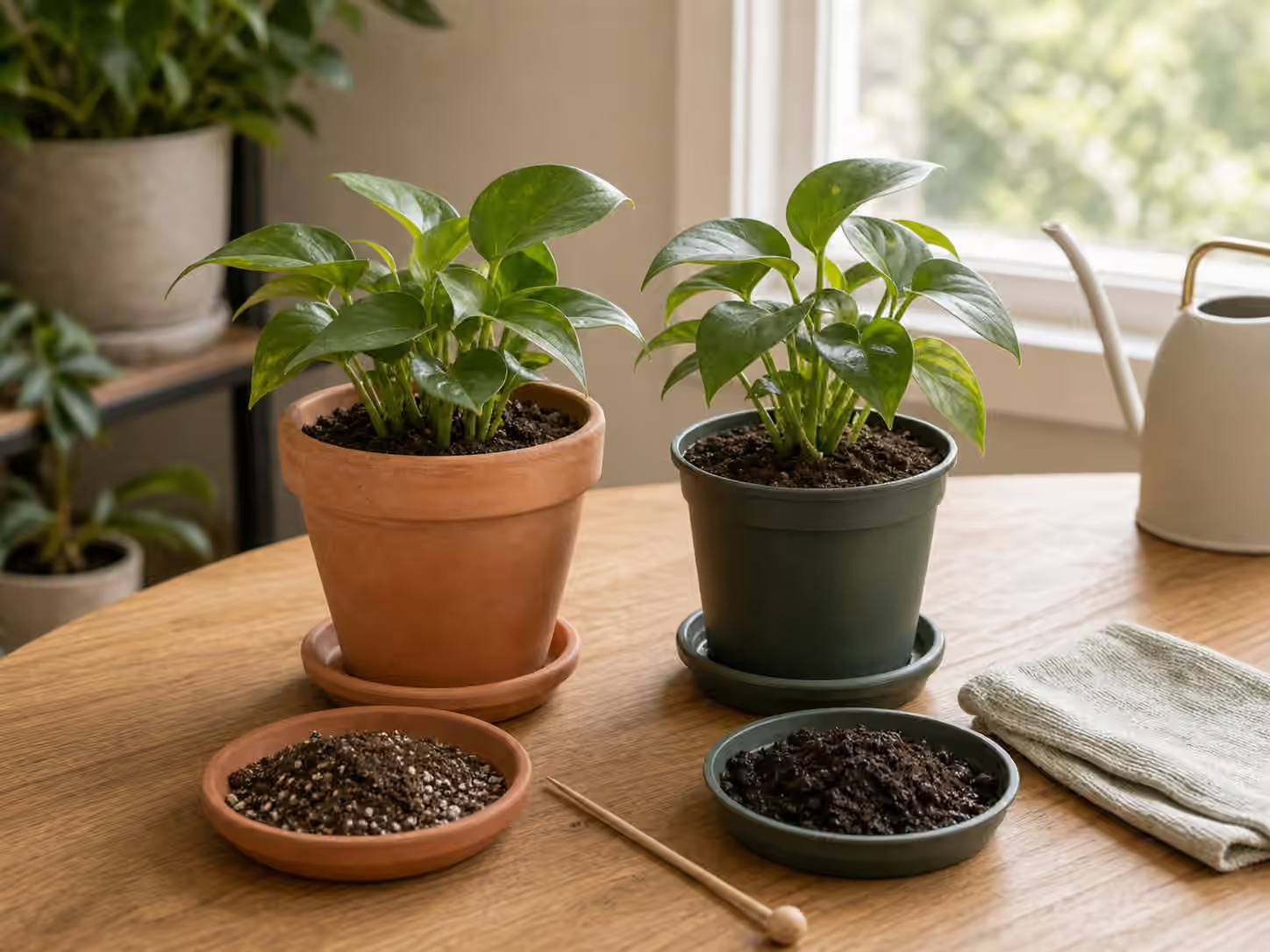
The simplest way to understand the choice is to think about drying speed. Unglazed terracotta is porous. Water can move into the clay and evaporate from the sides, so the mix often dries faster than it would in a similar plastic pot. Plastic is nonporous. It holds moisture inside the pot until the plant uses it, the air reaches the surface, or water drains out through the bottom. That does not make one material good and the other bad. It means the same plant, in the same window, may need a different rhythm depending on the container.
How Terracotta Changes The Read
Terracotta is useful when a plant has roots that dislike staying wet, when the room is cool and dim, or when the owner tends to water too often. A porous clay pot can make the margin for error a little wider because the sides participate in drying. This is why many beginners reach for terracotta after reading about Root Rot Basics for Houseplants or Overwatered vs Underwatered Houseplants . The pot cannot save a plant from constant watering, blocked drainage, or a poor mix, but it can help a reasonable routine dry more cleanly.
The same quality can become a problem for plants that prefer steadier moisture. A thirsty peace lily, a small fernlike plant, or a thin-leaved tropical plant may wilt more often in terracotta if the owner waits too long. The surface can look dry while the deeper root ball still has some moisture, or the edges can dry faster than the center. A beginner may then water in small sips, which wets the top and edges without fully resetting the pot. If that pattern sounds familiar, the guide to Moisture Meters, Fingers, and Pot Weight is more useful than guessing from the color of the clay.
Terracotta also leaves evidence. Mineral crust on the outside or rim is common where water evaporates through the clay and leaves dissolved solids behind. A little pale residue does not automatically mean the plant is in danger. Heavy crust paired with brown tips, stalled growth, or a pot that never gets a thorough draining may point toward water quality, fertilizer buildup, or tiny sip watering. That belongs beside Water Quality for Houseplants and Fertilizer Without Guesswork , not in a panic about the pot alone.
How Plastic Changes The Read
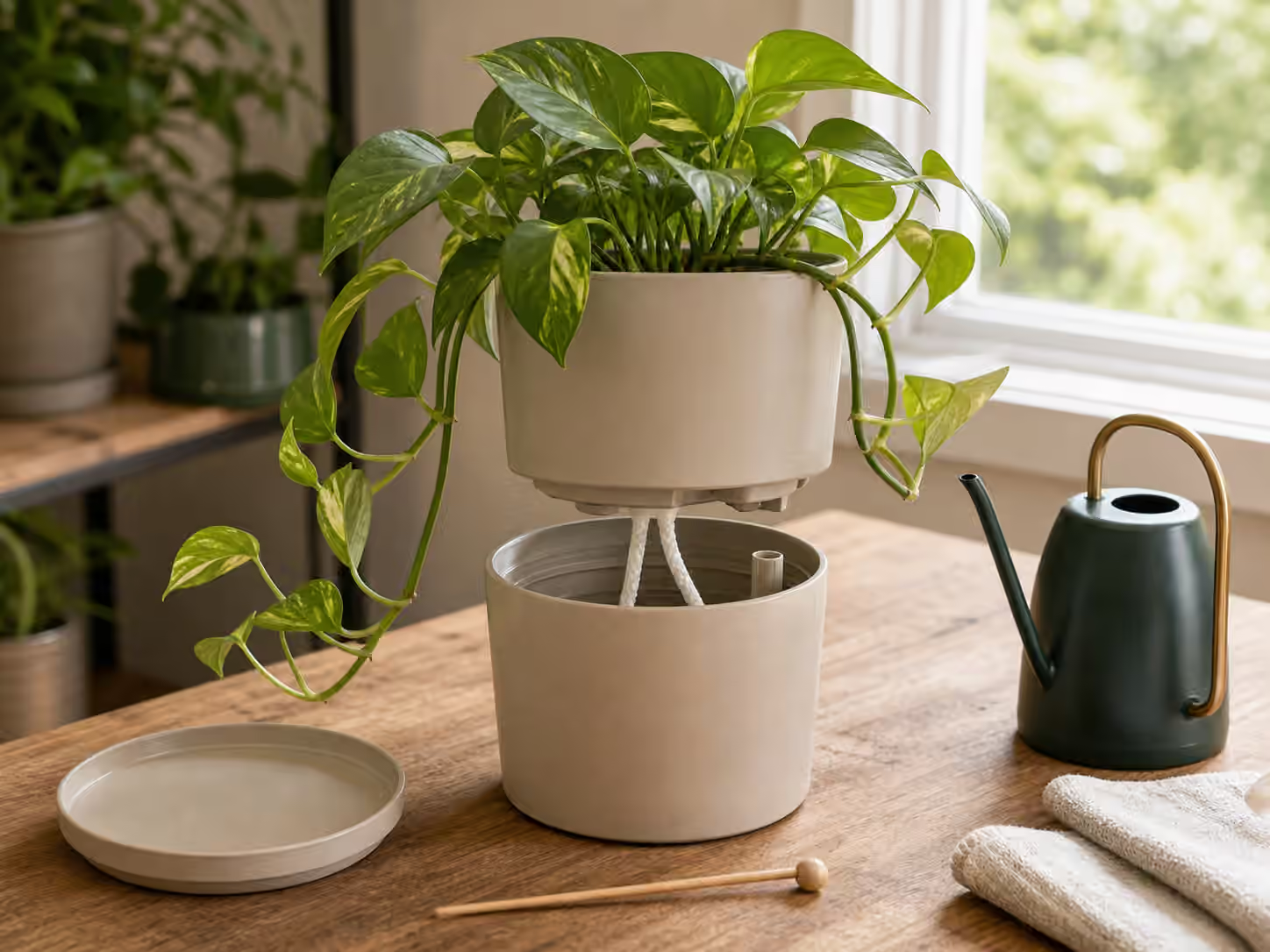
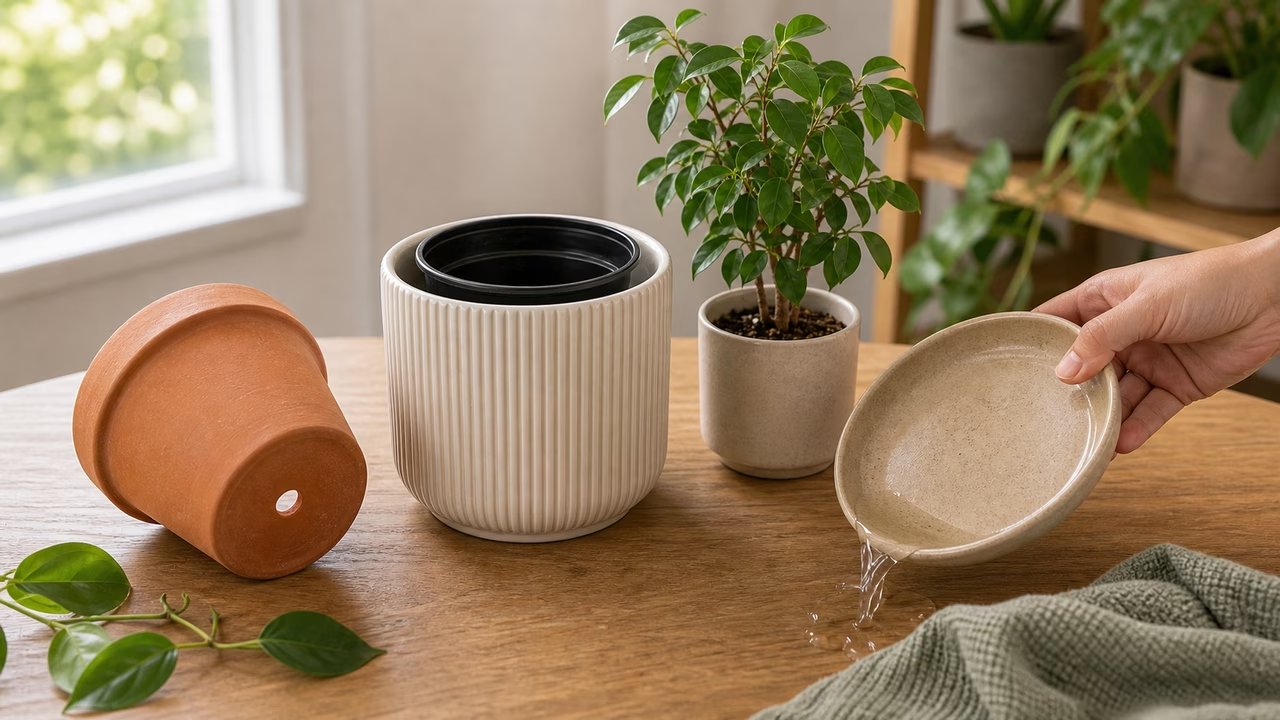
Plastic pots are often easier on moisture-loving plants and easier on people who forget to water. They are light, inexpensive, easy to clean, and often have generous drainage holes in nursery form. A plant can live happily in its plain nursery pot inside a decorative cachepot as long as runoff is not trapped around the roots. That setup is not a downgrade. It is one of the most readable indoor arrangements because you can lift the inner pot, check its weight, inspect the drainage holes, and empty the outer container after watering.
Plastic becomes risky when the owner treats it like terracotta. If a plant was drying every four days in clay and then moves to plastic, the old habit may keep the new pot wet for too long. The symptoms can look confusing because overwatered roots and underwatered leaves can both droop. The actual clue is the pot: heavy, cool, dark mix several days after watering means the plant does not need more water yet. If the plant is in a plastic pot inside a cachepot, the first check is not the leaf. It is whether water is sitting hidden at the bottom, the same issue covered in Drainage Holes and Cachepots Explained .
Plastic also hides drying from the side. You cannot judge moisture by looking at the wall of the pot unless it is clear. That can be an advantage because the pot does not wick moisture away unevenly, but it asks for better observation. Lift the pot before and after watering. Feel how much weight changes. Check the mix below the surface with a skewer or finger when appropriate. Over a few cycles, the pot teaches you its pace.
Match Material To Plant, Room, And Habit
A good choice begins with the plant’s roots and leaves. Thick, drought-tolerant roots or stems often appreciate a faster-drying setup, especially in low light. Thin leaves, rapid wilt, or plants that resent hard drying may prefer plastic or glazed ceramic with a well-aerated mix. But the room matters just as much. A sunny, warm, airy window can make plastic perfectly safe. A cool shelf far from glass can make terracotta useful for the same species. Pot material is one variable in a whole setup, not a personality test for the plant.
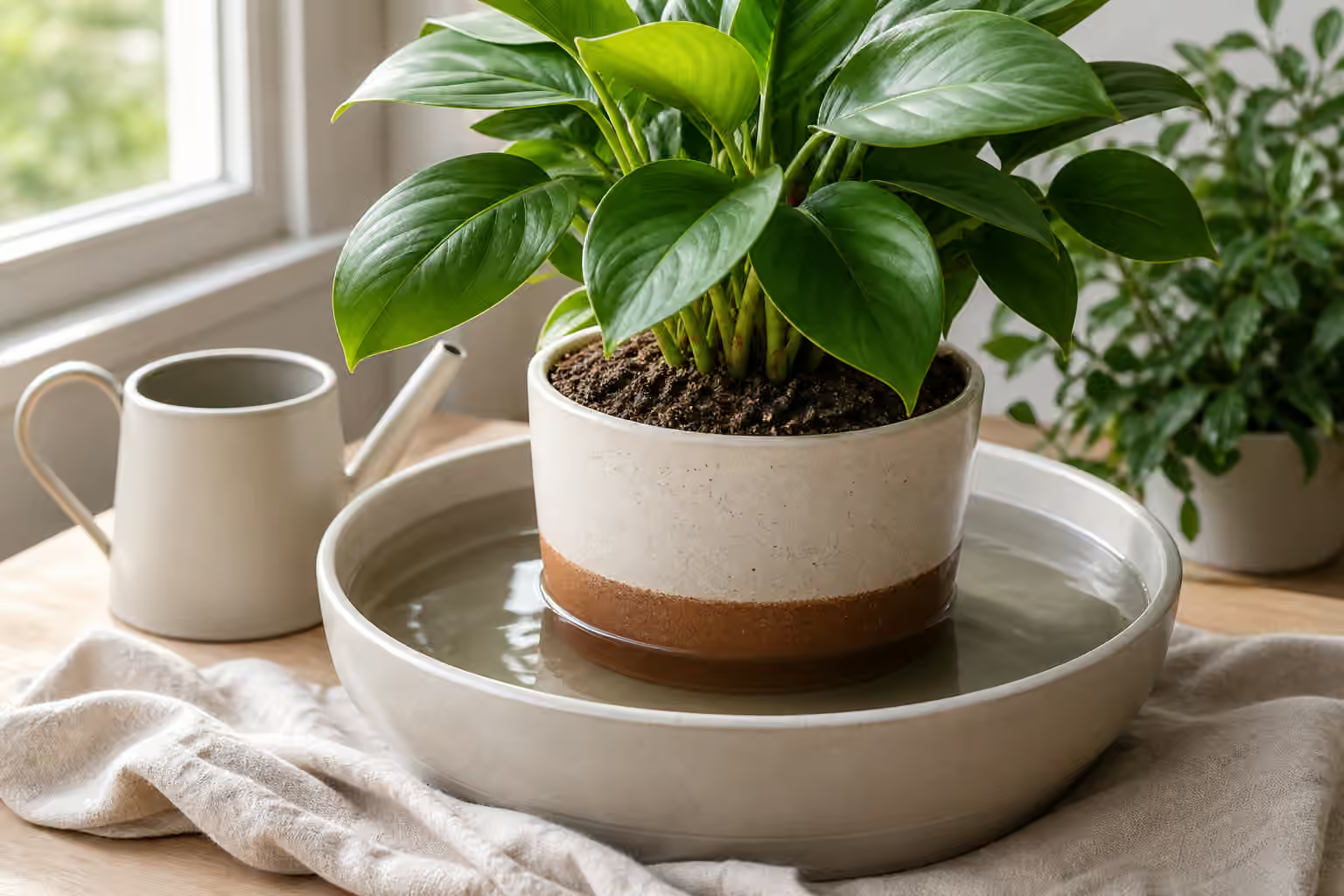
Your habit matters too. If you water because a calendar says so, terracotta may reduce damage but will not teach the real skill. If you forget plants until they collapse, plastic may give a wider buffer, but it can also encourage long wet periods after a rescue soak. The better clinic question is how the pot helps you notice. A pot you can lift easily, drain fully, and inspect without drama is better than a beautiful pot that turns every watering into guesswork.
Size can overwhelm material. A huge terracotta pot can still stay wet because the root ball is small compared with the mix volume. A snug plastic pot with chunky, airy mix can dry faster than an oversized clay pot packed with dense peat. Before blaming material, read Pot Size and Plant Stability and Potting Mix for Houseplants . The best pot material cannot compensate for a container that gives roots too much cold, wet soil to occupy.
Switching Without Shocking The Routine
When you move a plant from plastic to terracotta, do not keep the old interval by force. Water thoroughly, let the pot drain, then watch the weight and mix depth. The first few cycles are calibration. The plant may dry sooner than expected, but that does not mean it wants tiny daily sips. It usually wants a full watering only when the root zone has reached the right level of dryness for that plant.
When you move from terracotta to plastic, slow down. The pot may stay heavy longer, especially in winter or after a move away from bright light. This is the moment when people accidentally overcorrect, watering because the top looks dry or because the plant used to be thirsty in clay. Give the plastic pot time to show its pace. If the plant begins to yellow from the lower leaves while the mix stays wet, the setup is telling you to pause, not to add fertilizer or another product.
Do not repot only because a pot material sounds more correct. Repotting disturbs roots, and a stressed plant may need steadier conditions before another change. If the current pot drains, fits, and lets you read moisture, a material switch can wait until the plant is actively growing or genuinely ready for repotting. When to Repot a Houseplant gives the timing question more room.
The practical answer is usually calm. Use terracotta when faster drying and weight help the setup. Use plastic when steadier moisture, easy inspection, and nursery-pot flexibility help the setup. In either case, water by the pot you have, not by the pot you wish it were. The plant does not care what the container says about your style. It cares whether the roots get air, moisture, support, and time to recover between changes.