Houseplant advice often talks about light and water as if the room itself is neutral. Real rooms are not neutral. A plant can sit in bright enough light and still struggle because the leaves touch cold glass at night, a heating vent dries one side, a summer window bakes the pot, or a door sends cold air across the foliage every evening. Temperature stress is easy to miss because it leaves symptoms that resemble watering mistakes, pest damage, or ordinary aging.
Think in microclimates, not room labels
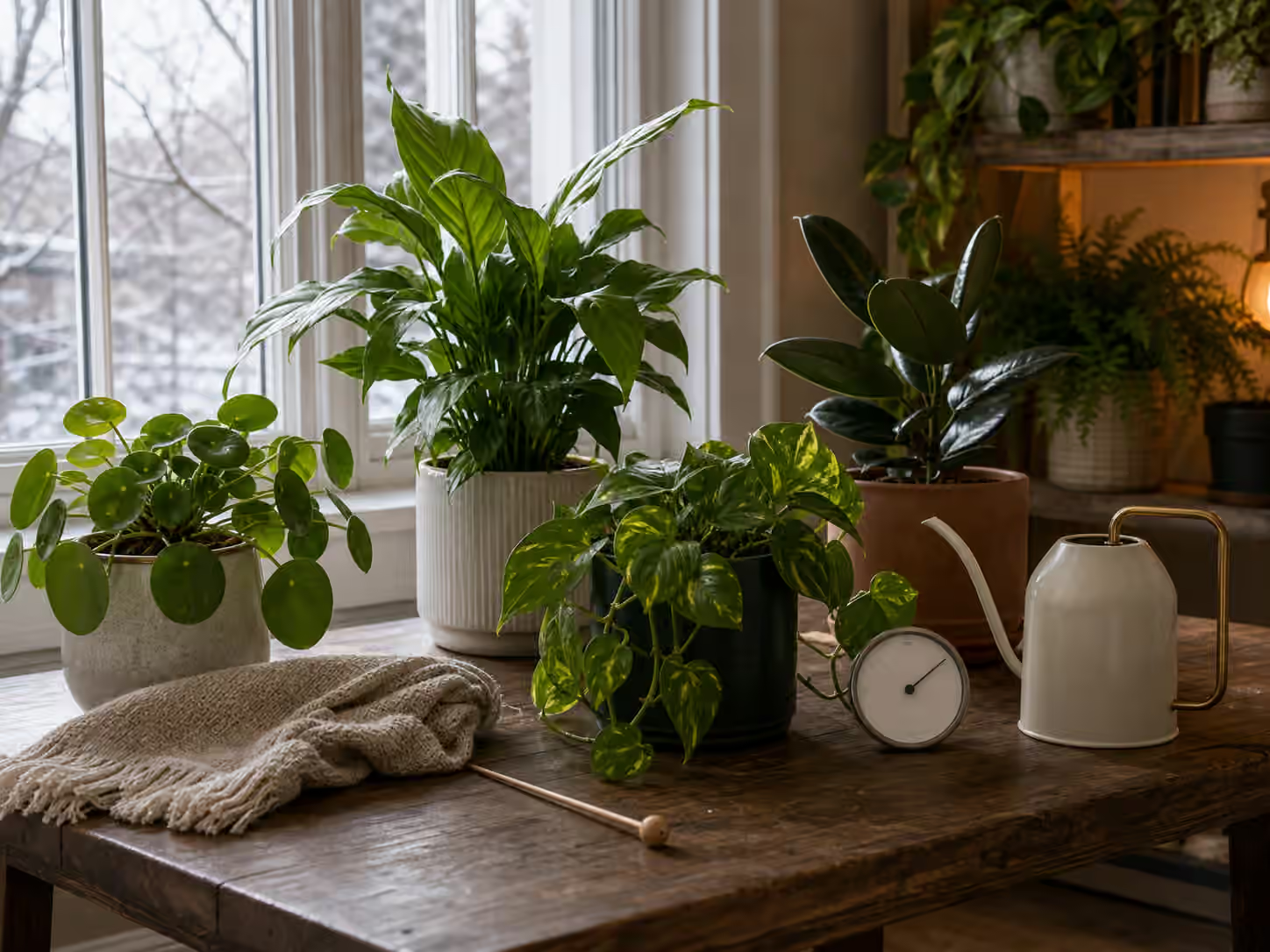
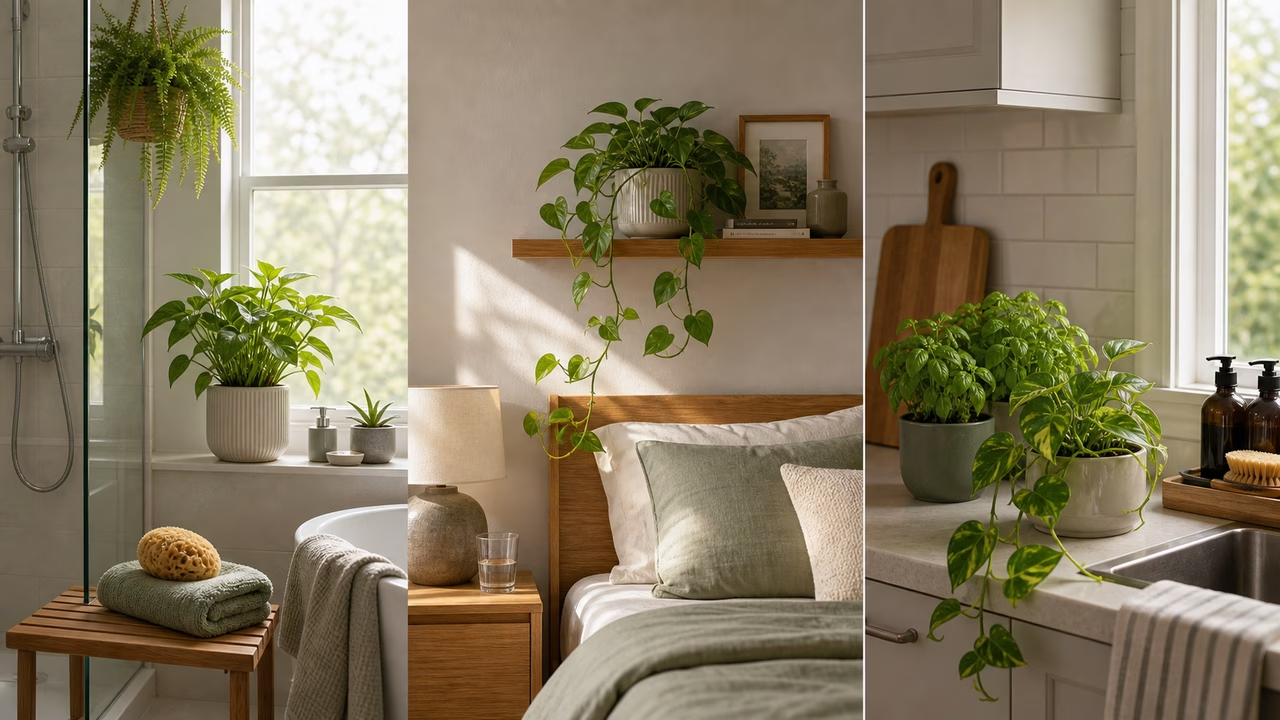
The thermostat tells you the average air near the sensor, not the condition around every leaf. A plant on a windowsill may experience colder nights than the sofa area. A plant on a shelf above a radiator may dry faster than the same plant one meter away. A hanging basket near an exterior door may feel a rush of air every time the door opens. Even a small apartment can contain several plant climates, and the plant only experiences the one around its pot and leaves.
Cold stress often appears after a clear event: a delivery box left outside, a plant carried uncovered through winter air, a leaf pressed against a cold pane, or a night near a drafty window. Leaves may develop dark translucent patches, limp areas, sudden yellowing, or blackened edges depending on the plant and severity. Heat stress can be quieter. Leaves near a vent may brown at the tips, curl, crisp along exposed edges, or lose water faster than the rootball can replace it. A hot window can create tan scorched areas that look different from slow brown-tip development.
The overlap with watering is what makes this confusing. A cold rootball can stay wet longer because the plant is using less water. A hot dry stream from a vent can make a plant droop even when the watering routine seemed fine last month. Before changing the schedule, walk the room. Feel the glass, notice the vent path, stand where the plant sits when heat or air conditioning is running, and compare that spot to the room’s comfortable center. The placement guidance in North, South, East, and West Windows becomes much more useful when temperature is part of the reading.
Separate light problems from temperature problems
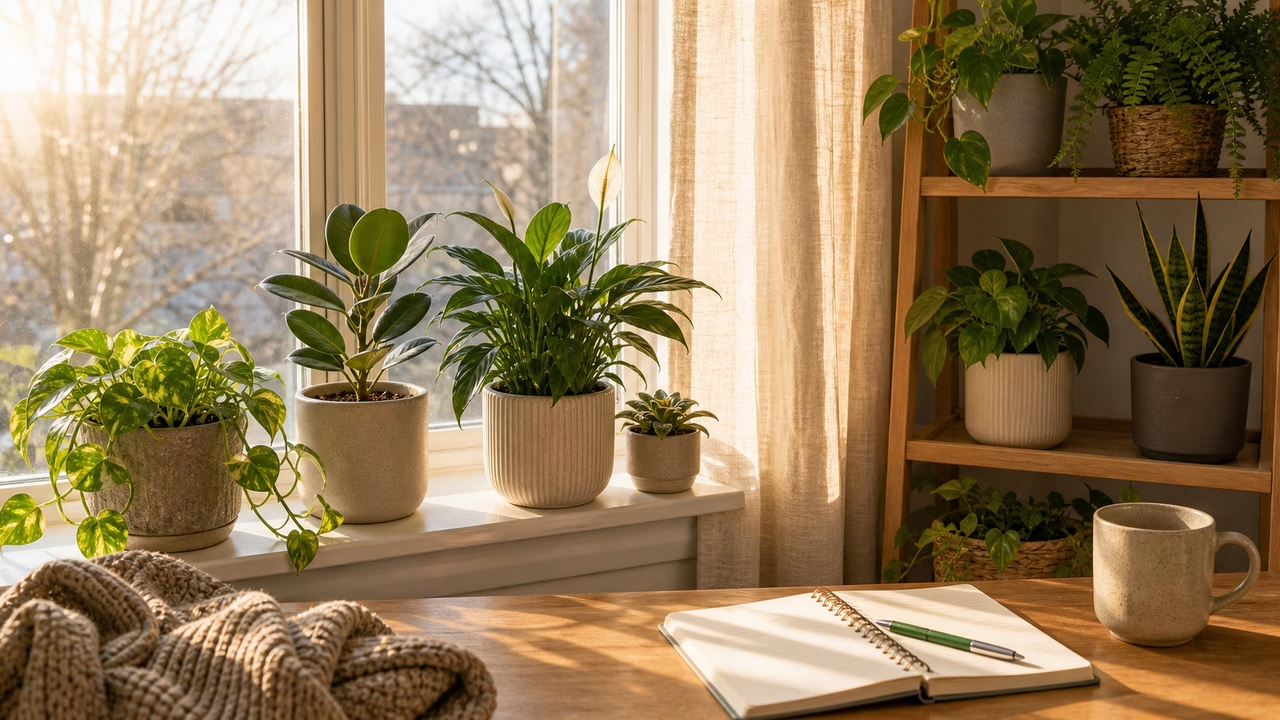
Light and temperature travel together near windows, but they are not the same issue. A south or west window can be bright and hot at some times of year, while the same window can be bright but chilly in winter. A plant moved closer to glass for more light may gain energy during the day and lose comfort at night. A sheer curtain may soften direct sun without changing the cold pocket behind it. Treating all window trouble as “too much light” or “not enough light” misses these mixed conditions.
Look at the pattern of damage. Sun scorch often appears where direct rays hit the leaf surface, especially after a sudden move or seasonal sun-angle change. Cold contact damage may appear on the side touching glass or facing a draft, sometimes after one cold night. Vent stress often affects the side facing moving air and can dry the pot unevenly. Low light tends to show through smaller new growth, slower drying, leaning, legginess, or older leaves being shed gradually. If the marks are hard to classify, Sunburn and Scorched Houseplant Leaves and Seasonal Light Changes Indoors help narrow the difference.
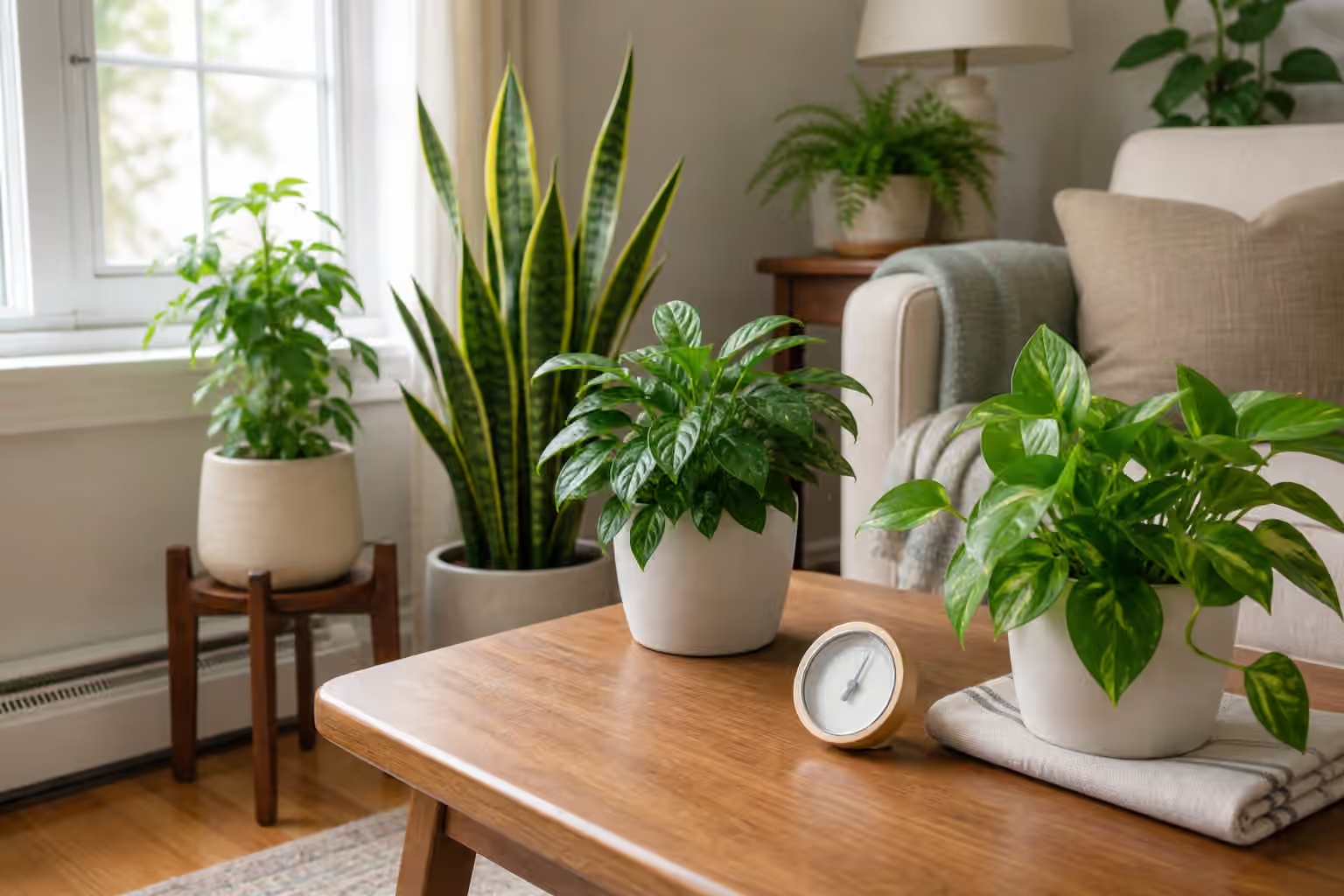
A small thermometer can be useful, but only if you place it where the plant actually sits. Numbers from the middle of the room do not explain a cold sill. More important than the exact reading is the swing. Many common houseplants tolerate ordinary household variation, but they dislike abrupt changes and prolonged extremes. If a location moves from warm daylight to chilly night glass, or from calm air to a blast of heated air, the plant may keep sending stress signals even while the rest of the care seems correct.
Move plants with enough patience to learn
When temperature stress is likely, the first fix is usually distance, not drama. Pull the plant a little back from the window at night, raise it off a cold stone sill, move it out of the direct vent path, or shift it to a stand where air can circulate gently without blasting the leaves. If the plant needs the window for light, try changing the angle rather than sending it to a dim corner. Better placement often comes from small moves that preserve light while avoiding the harshest pocket.
Do not strip all damaged leaves immediately. A badly collapsed or rotting leaf can be removed, but many marked leaves still feed the plant. More importantly, existing damage helps you track whether the problem is still active. If the same side keeps browning after the move, the stress may continue. If old marks remain stable and new growth looks clean, the adjustment probably worked. This is the same slow diagnostic rhythm used in Houseplant Clinic for Beginners : observe, change one thing, then let the plant answer.
Watering usually needs a second look after a placement change. A plant moved away from a heat vent may dry more slowly. A plant pulled back from a cold window into brighter, warmer room air may begin using water more steadily. A plant moved from a chilly sill to a lower-light table may stay wet longer even though it feels safer from cold. Keep using pot weight and soil checks rather than carrying the old routine into the new spot. Moisture Meters, Fingers, and Pot Weight is especially relevant after a temperature correction because the drying rhythm can shift within a week.
Seasonal checks prevent repeated stress
A good plant spot is seasonal. Winter glass can be too cold for leaves that were comfortable in fall. Summer sun can turn a gentle spring window into a hot afternoon exposure. Heating and cooling systems change the airflow pattern long before the calendar tells you to change plant care. Room habits change too: curtains close earlier, doors open more often, fans move, and furniture gets rearranged around holidays or guests.
Make a short seasonal walk part of plant care. Stand near each cluster when heat or air conditioning is running. Notice which leaves are closest to moving air. Check whether a plant has grown into contact with glass. Feel the pot after a cold night. Look for one-sided crisping, sudden droop after a weather change, or soil that no longer dries on its usual rhythm. This is not a complicated checklist; it is a way to keep the room visible instead of treating the plant as if it lived in a diagram.
Some plants are more expressive than others. Ficus may shed leaves after a move or draft. Peace lilies may wilt quickly when roots cannot keep up with heat. Thin-leaved tropical plants often show dry-air and temperature swings sooner than snake plants or ZZ plants. Plant profiles such as Ficus Care for Beginners and Peace Lily Care for Beginners can help set expectations, but the room still has the final say.
Give stressed plants a quiet recovery
Once temperature stress is corrected, recovery is usually visible in stability, not in old leaves repairing themselves. Damaged tissue stays damaged. The better signs are no new marks, firmer stems, steadier pot drying, and new leaves that emerge normally. Keep fertilizer light or paused until the plant is actively growing in a stable place. Avoid repotting unless root or drainage evidence points there. A stressed plant benefits from fewer simultaneous demands.
Temperature care is ordinary home awareness applied to plants. Keep leaves off cold glass. Keep pots away from hidden heat pools. Respect vent paths. Recheck windows when the season changes. A plant that sits in a comfortable microclimate is easier to water, easier to diagnose, and less likely to send mixed signals that lead to overcorrection.