Many houseplants sold as tidy tabletop plants are young versions of plants that climb, sprawl, lean, or trail as they mature. A small monstera can sit upright in a nursery pot for a while, then begin reaching sideways. A philodendron may produce longer spaces between leaves when it has nothing to climb. A pothos can trail beautifully from a shelf, but the same plant can be trained upward if the support and light make sense. Support is not decoration only. It changes how the plant holds itself, how leaves face light, and how easy the pot is to water, inspect, and move.
Decide what the plant is trying to do
Before buying a pole or trellis, look at the plant’s growth habit. Does it make stiff upright stems that only need gentle staking while they thicken? Does it produce vines that naturally hang and look healthy as trailers? Does it make aerial roots, larger leaves near support, or a main stem that leans under its own weight? Does the pot tip because the plant’s mass has moved to one side? The right support depends on the actual plant, not on a trend.
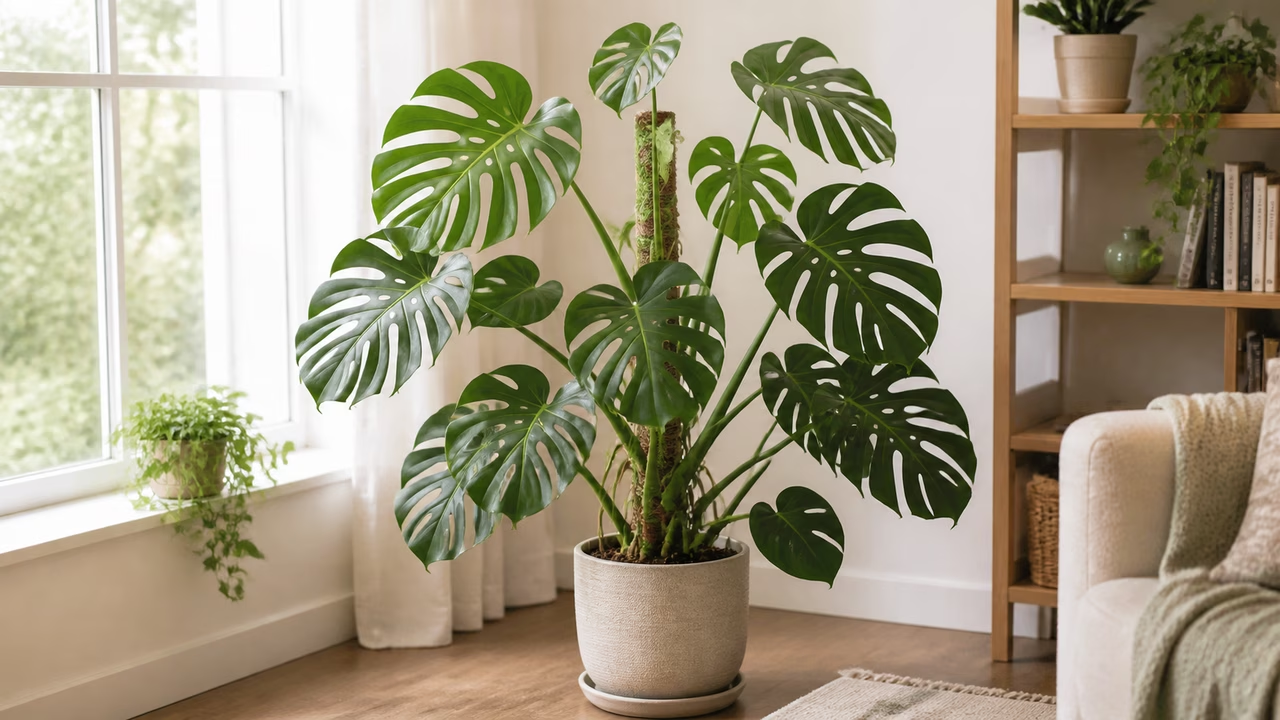
Monstera, many philodendrons, some pothos, hoyas, syngoniums, and other common indoor plants can all be trained, but they do not need identical structures. A moss pole, coir pole, bamboo stake, flat board, wire trellis, wall clips, or simple plant ring each changes the plant differently. A large-leaved climber may need a sturdy vertical support anchored in the pot. A fine vine may need only a small trellis or a decision to trail. A plant with heavy stems may need pot stability as much as stem support.
Light comes first. A plant that is stretching because the room is dim will not become compact simply because it is tied to a pole. Support can organize growth, but it cannot replace energy. If leaves are getting smaller, spaces between nodes are lengthening, and the plant is leaning toward a window, read How to Check Indoor Plant Light before treating the support as the main issue. A support works best when the plant has enough light to make strong new growth after it is guided.
Match support to roots and pot
Adding a support changes the pot. A pole pushed into a small container can disturb roots, crowd the mix, or make the plant top-heavy. A tall trellis in a lightweight nursery pot can tip easily. A damp moss pole may change moisture near one side of the rootball. A support attached only to loose soil may wobble and damage stems each time the plant is moved. These practical details matter more than the name of the product.
If the plant is due for repotting anyway, support can be added during the repot so roots, pot, and pole are arranged together. If the plant is stable and not due, you can sometimes add a smaller stake near the edge with minimal disturbance. The repotting decision should come from roots and pot behavior, not from the support alone. When to Repot a Houseplant and Pot Size and Plant Stability are useful companions because a beautiful pole in an unstable pot is still a bad setup.
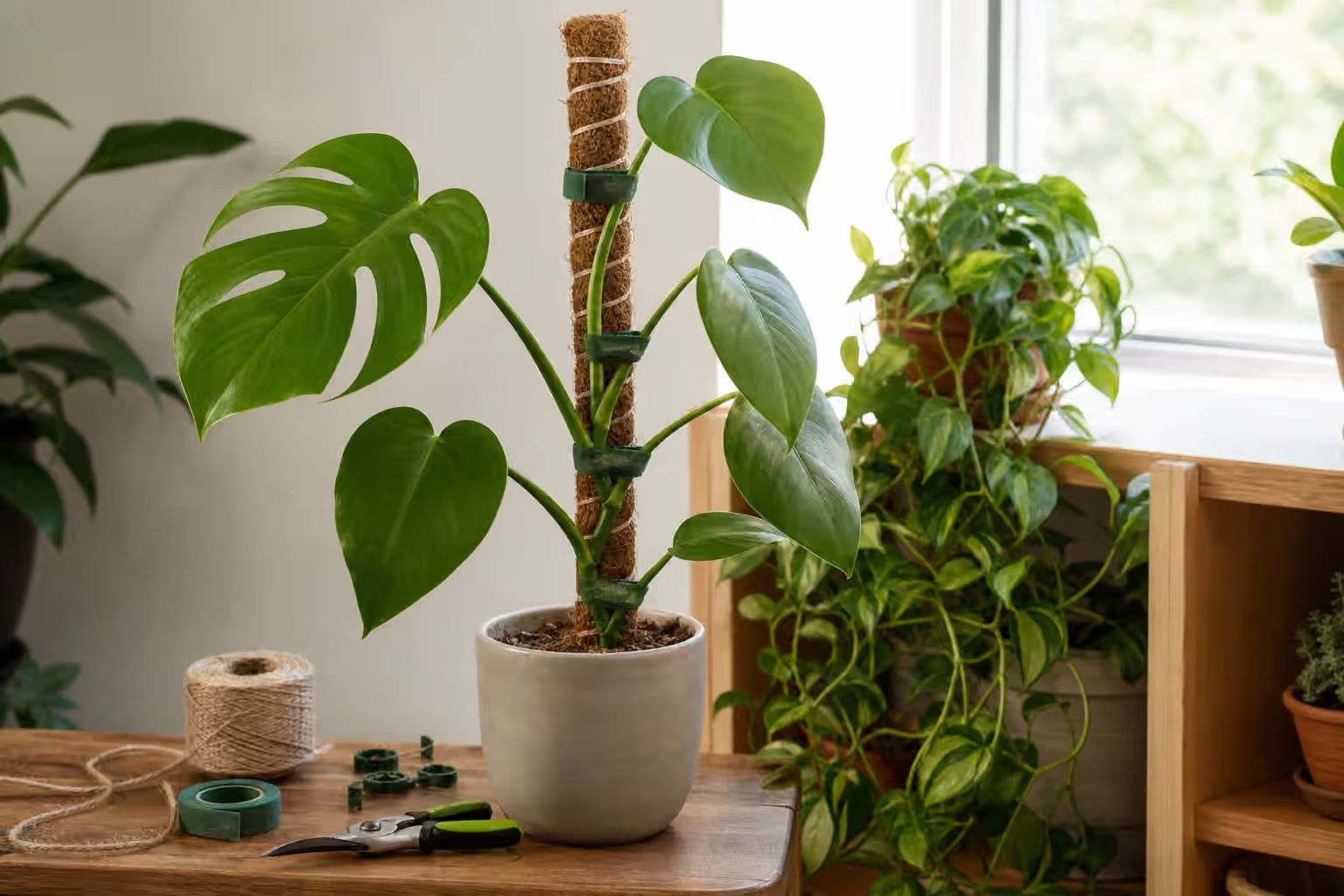
Use ties that hold without cutting. Soft plant tape, loose twine, flexible clips, or fabric strips are safer than wire pressed directly into a stem. Tie around the support and stem with enough room for growth. The tie should guide the plant, not strangle it into position. Check old ties as stems thicken. A support that was gentle in spring can become tight months later, leaving dents or restricting growth.
Train new growth rather than forcing old growth
Young stems are easier to guide than old woody or brittle ones. If a plant has already sprawled sideways for a long time, do not expect every stem to bend upright in one session. Choose the main line of growth, attach it gently, and let future leaves follow the support. Older stems may remain angled, and that is acceptable if they are healthy. Forcing them can snap petioles, tear roots, or leave a plant looking tidy for a day and damaged afterward.
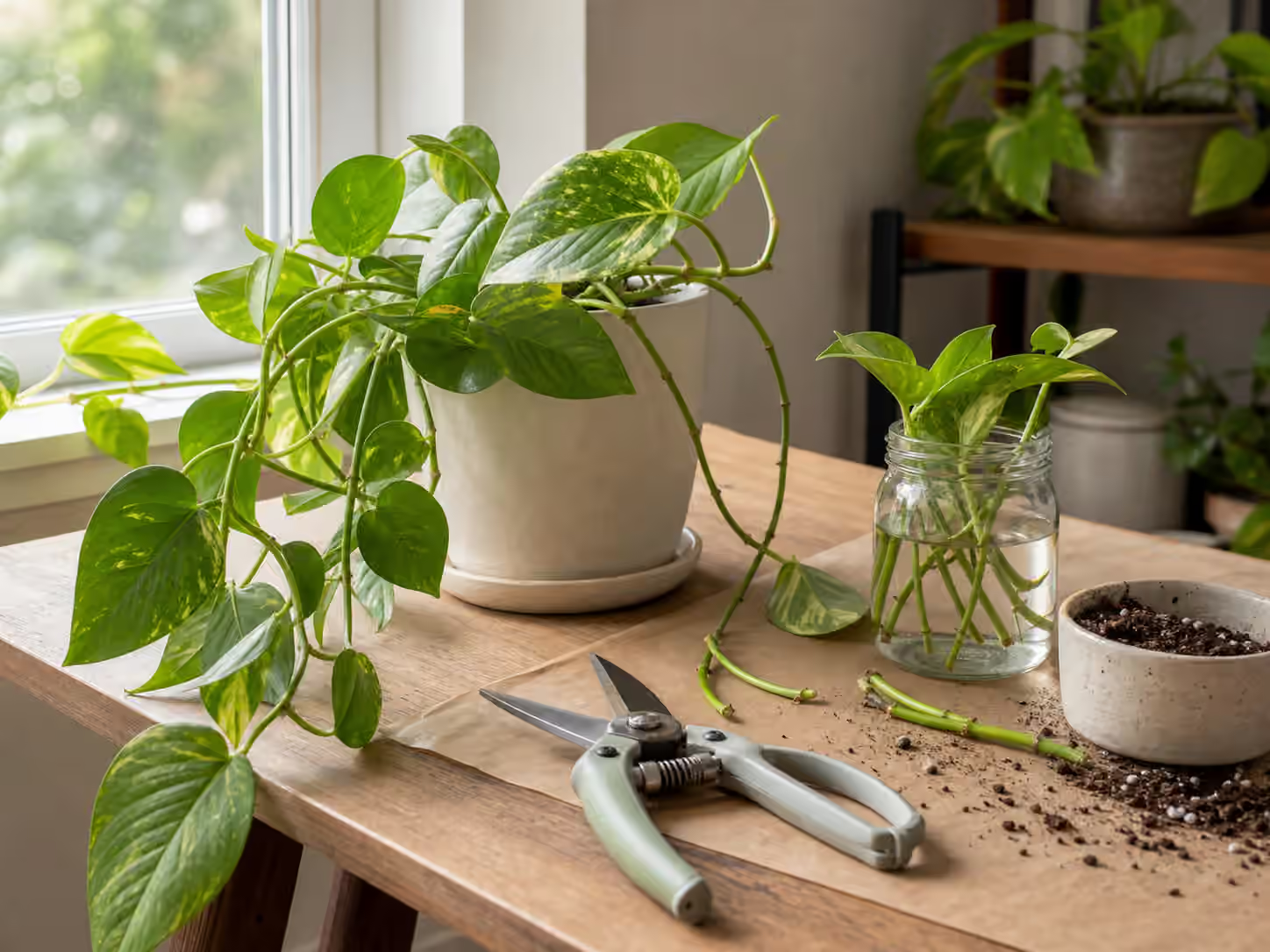
Pruning and propagation can be part of the support plan. A long bare vine may look awkward tied to a pole, but cuttings from healthy nodes can root and later be planted back for fullness. A leggy pothos may be better refreshed with pruning than wrapped endlessly around a trellis. Pruning Leggy Houseplants and Propagation: Water, Soil, Division, and Patience give that work a calmer rhythm. The support should serve the plant’s next season of growth, not preserve every old stem at any cost.
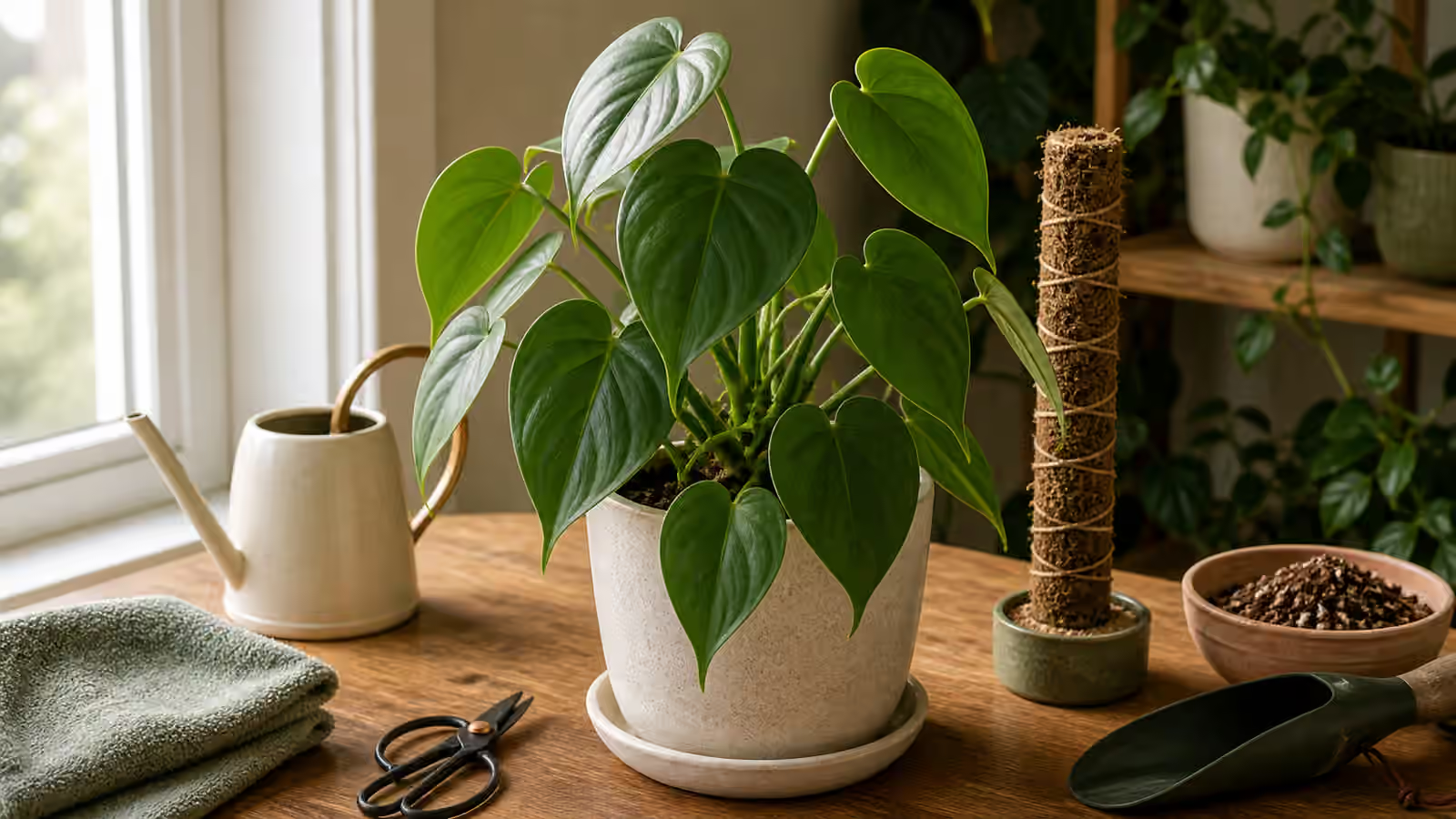
For climbing aroids, aerial roots often search for texture and moisture. A moss or coir pole may give them something to grip, but it only works as a living support if it stays usable in your care routine. If keeping a pole evenly moist becomes unrealistic, a plain stake or board may still offer structure without pretending to be a humid tree trunk. Be honest about the room and your habits. A simple sturdy support that you maintain is better than a complicated one that becomes dry, loose, or moldy.
Keep inspection and watering easy
A supported plant should become easier to care for, not harder. You still need to lift or rotate the pot, check leaf undersides, water evenly, and notice pest signs. Dense wrapping around a pole can hide mealybugs, scale, or spider mites. A trellis pushed against a wall can make one side impossible to inspect. Vines clipped too tightly to a shelf can be difficult to move when you need to isolate the plant. The habits in Houseplant Pest Inspection Routine still apply after the plant looks styled.
Watering can also change. A taller, fuller plant may use more water in good light, while a newly repotted plant with a large support and extra mix may dry more slowly at first. If a moss pole is watered separately, some moisture may run into the pot unevenly. Watch pot weight and drying behavior after the support is added. If the plant starts yellowing and the pot stays heavy, the setup may be holding more moisture than the roots can use. If the leaves droop quickly and the pot is light, the larger canopy may simply be using water faster.
Stability deserves repeated checks. As leaves grow larger on one side, the center of gravity shifts. A pot that felt safe at repotting can become easy to knock over later. This matters in homes with pets, children, narrow walkways, or plants placed on tall stands. Support for the stem is only one part of support for the whole object in the room. Plant Stands, Shelves, and Room Safety covers that wider setup.
Choose the simpler form when it fits
Not every vine needs to climb. A trailing pothos on a shelf, a hoya allowed to loop, or a philodendron pruned for fullness can be healthy without a pole. Some plants are sold with supports because it helps them look upright in the store, not because that exact structure is required forever. If the plant is growing well, easy to water, and safe in the room, support can remain minimal.
The best time to add a support is when it solves a real problem: leaning stems, unstable pots, leaves crowded against a surface, growth that needs guidance, or a climbing plant reaching for something it does not have. The best support is the one that fits the plant’s habit, the pot’s stability, the room’s light, and your willingness to maintain it. A supported houseplant should still look like a plant, not a craft project holding a stressed stem in place. When the structure disappears into better growth, it is doing its job.