Spider plants are often described as easy, and in many homes they are. They grow in ordinary pots, tolerate a range of rooms, and produce plantlets that make the plant feel generous. Their easy reputation can hide the details that keep them looking good: bright enough light, a pot that drains, a watering rhythm that reaches the roots without keeping them stale, and a calm response to brown tips. A spider plant does not need complicated care. It needs consistency and a little respect for its thick root system.
Use Light To Shape The Plant
A spider plant can survive in medium light, but it usually looks better with bright indirect light. In a dim room, the arching leaves may become softer, growth may slow, and variegated leaves can lose some contrast. In a bright spot near a window, the plant has more energy to produce fuller leaves and plantlets. The plant does not need harsh midday sun pressed against the glass. Strong direct sun can bleach or scorch leaves, especially if the plant has been living in lower light.
Read the whole plant rather than one leaf. A few bent leaves may come from handling or a crowded shelf. Pale leaves across the plant may point to too much sun, old exhausted roots, or nutrition only after light and watering have been checked. Long floppy growth with fewer plantlets often points back to light. The placement guides for Bright Indirect Light Explained and North, South, East, and West Windows help turn “bright” into something you can test in the room.
Spider plants also respond to seasonal changes. A winter window that gives gentle usable light may become warmer and stronger later in the year. A summer shelf that is protected by outdoor trees may become dim after the sun angle changes. Move the plant gradually when possible. Sudden relocation can make watering clues harder to read because the pot may dry at a different speed before the leaves show obvious change.
Water The Root Ball, Then Let It Breathe
Spider plants make thick, pale storage roots that can hold water. Those roots help the plant recover from short dry spells, but they do not enjoy sitting in stale wet mix. Water when the pot has partly dried, then water thoroughly enough that the root ball is refreshed and excess drains away. After that, let the pot lighten before watering again. The rhythm is simple, but it depends on pot size, mix, light, and temperature.
A common mistake is watering only the top surface because the plant looks busy and delicate. Small sips can leave the lower root ball dry while encouraging damp surface conditions. Another mistake is treating a spider plant in a plastic hanging pot the same as one in terracotta. Terracotta may dry faster along the edges. A plastic cachepot may hold moisture for longer than expected. Moisture Meters, Fingers, and Pot Weight is useful because spider plants can fool a surface-only check.
If the plant droops, check the pot before assuming thirst. A very light pot with dry mix points toward water. A heavy pot with limp leaves points toward roots, drainage, cold, or low light. A plant that dries within a day or two after thorough watering may be very root-filled or in a small pot. A plant that stays wet for a week in a dim room may need better light, a more breathable mix, or a different potting setup.
Brown Tips Are A Clue, Not A Verdict
Spider plants often develop brown tips. The cause can be inconsistent watering, mineral buildup, fertilizer salts, dry air, old leaf age, or physical rubs from a shelf. The important question is whether new leaves are improving. A few old brown tips on otherwise firm leaves do not mean the plant is failing. Repeated fresh browning across new growth asks for a slower read of water quality, feeding, drying rhythm, and placement.
Trim brown tips only for appearance, and cut into dead tissue rather than deep into healthy green leaf. Scissors should be clean, and the cut should not become a daily ritual. Trimming does not solve the condition that caused the browning. If water quality seems involved, Water Quality for Houseplants gives a calmer way to think about minerals and salts. If the pattern is mostly crisp leaf ends, Brown Tips on Houseplants is a better reference than pest panic.
Fertilizer should be modest. Spider plants can grow well with restrained feeding during active growth, but fertilizer will not compensate for darkness or a failing root system. Overfeeding can contribute to tip burn and salt buildup. If the plant is making new leaves and the pot drains clearly, a light routine may help. If it is stalled, yellowing, or sitting wet, fix the growing conditions first.
Understand Plantlets Before Cutting Them Off
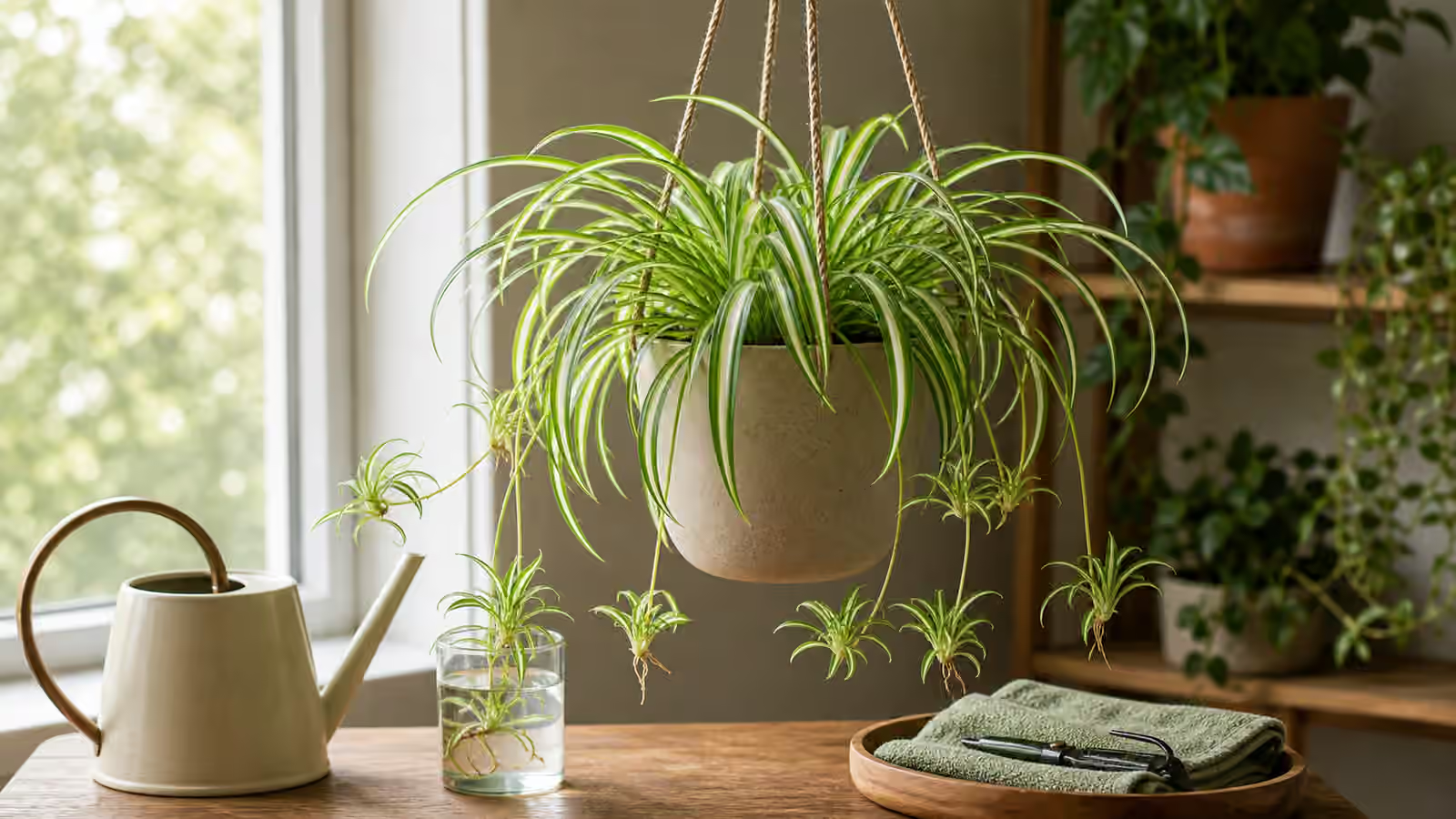
Spider plant babies are plantlets produced on long arching stems. They are normal, not a sign that the plant is desperate. A mature plant in enough light often produces them after flowering. You can leave them attached for the full fountain shape, remove them for propagation, or prune some stems if the plant is becoming hard to water and inspect. The choice is about care and shape, not obligation.
If you propagate a plantlet, wait until it has small root nubs or enough size to handle gently. It can root while still attached to the parent in a small pot of mix, or it can be cut and rooted separately. Water propagation can work, but the move into potting mix still requires patience. A tiny plantlet in a large wet pot is easy to overwater. The broader propagation guide, Propagation: Water, Soil, Division, and Patience , explains why new roots need air as much as moisture.
Plantlets also add weight. A hanging spider plant with many babies can become heavier and more awkward to water. Check hooks, shelves, stands, and the pot itself. A plant that was safe when small can become easy to bump when the stems hang into a walkway. The room setup matters as much as the plant care, especially in homes with pets or children.
Repot When Roots Change The Watering Story
Spider plants can become root-filled without immediate decline. Their thick roots may crowd the pot, push the plant upward, or make water run quickly around the root mass. Repotting is useful when the plant dries too quickly, becomes unstable, stops making healthy new growth despite good light, or has roots circling so densely that water cannot enter the center. It is not necessary every time you see a root near a drainage hole.
Choose a pot only a little larger and keep drainage clear. A sudden jump into a large pot can leave too much wet mix around the root ball. If the old root mass is tight, loosen only what you need so water can move into the new mix. Spider plants usually recover from sensible repotting, but they still deserve the slower approach in Repotting Without Panic .
After repotting, expect the watering rhythm to change. Fresh mix may hold moisture differently. A larger pot may stay wet longer at first. A divided plant may pause while roots settle. Keep the plant in useful light, water when the mix is ready, and judge the outcome by new leaves rather than by old bent foliage. A healthy spider plant is not perfect. It is readable, sturdy, and able to keep making clean new growth in the conditions you provide.