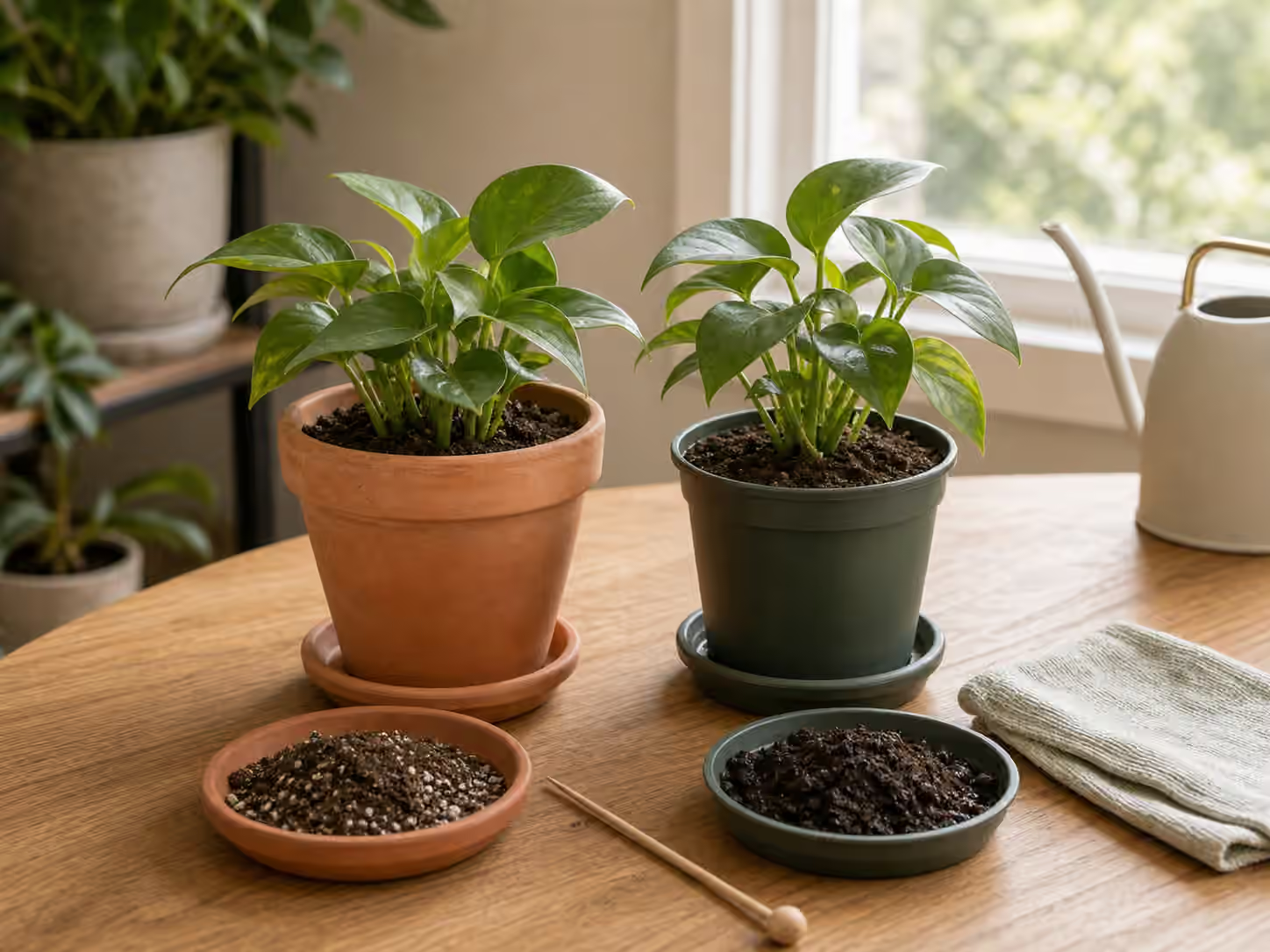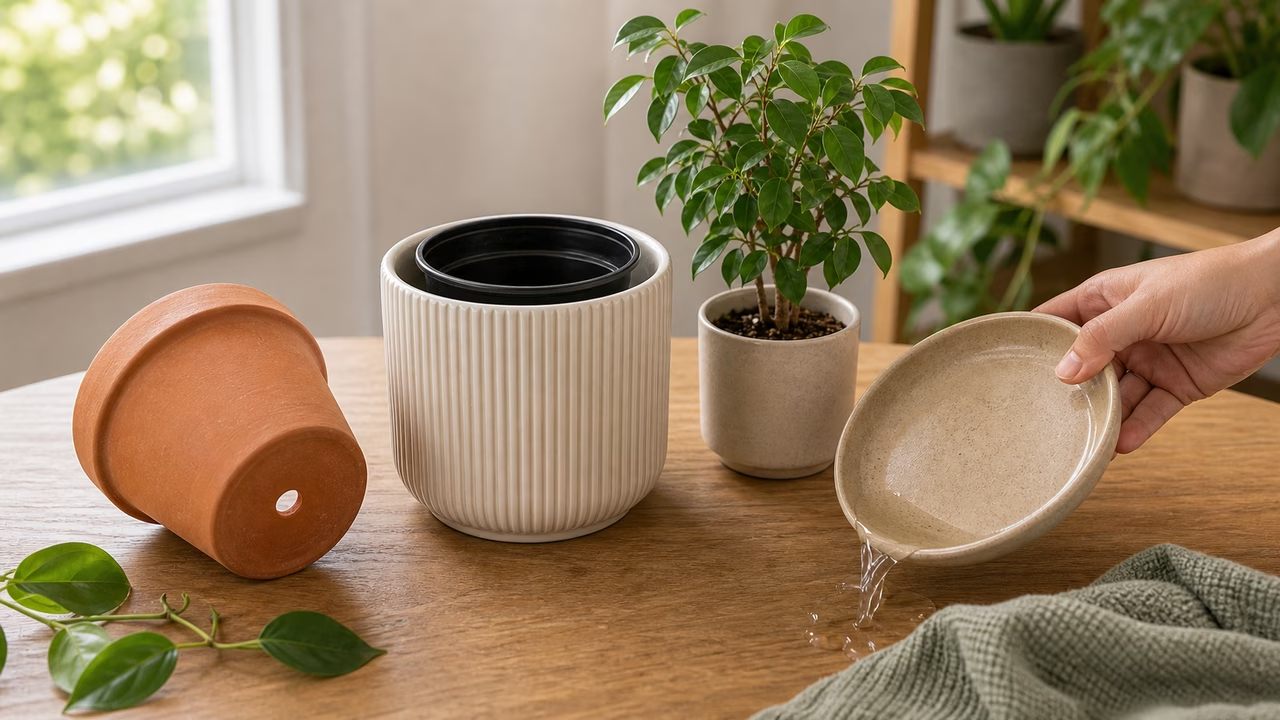
Self-watering pots are not a promise that a houseplant can stop being observed. They are a different watering system, and like any system, they work best when the plant, potting mix, light, and owner habit all make sense together. A reservoir can smooth out moisture for a thirsty plant, but it can also hide a wet root zone from a person who already waters too generously.
The useful question is not whether self-watering pots are good. The useful question is what problem they solve in your room. A plant that wilts between reasonable waterings, lives in bright enough light to use moisture, and has roots filling the pot may benefit from steady access. A plant in a dim corner, a dense mix, or a container much larger than its roots may not need a reservoir at all. It may need more light, better drainage, or a smaller pot.
Understand What The Reservoir Actually Does
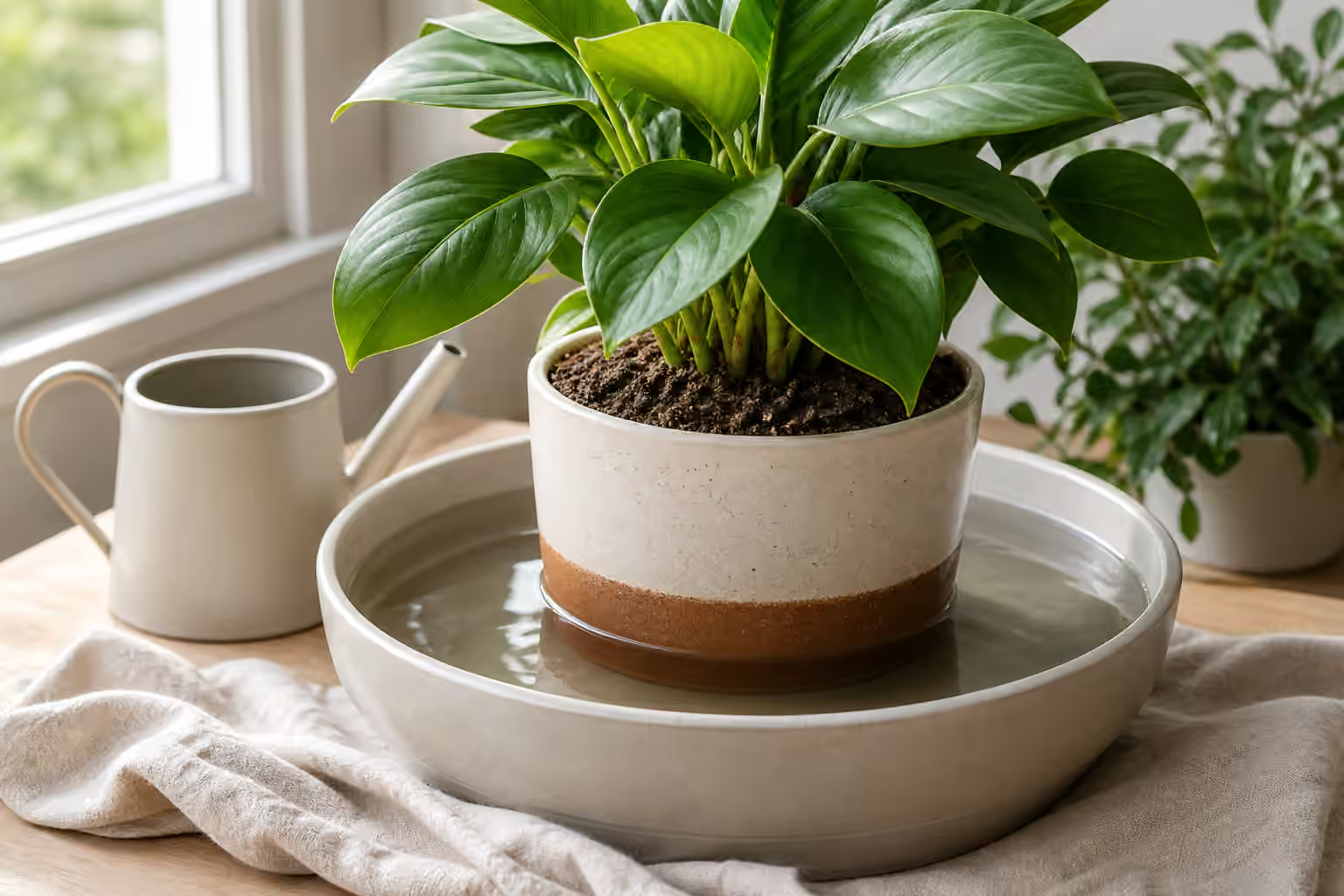
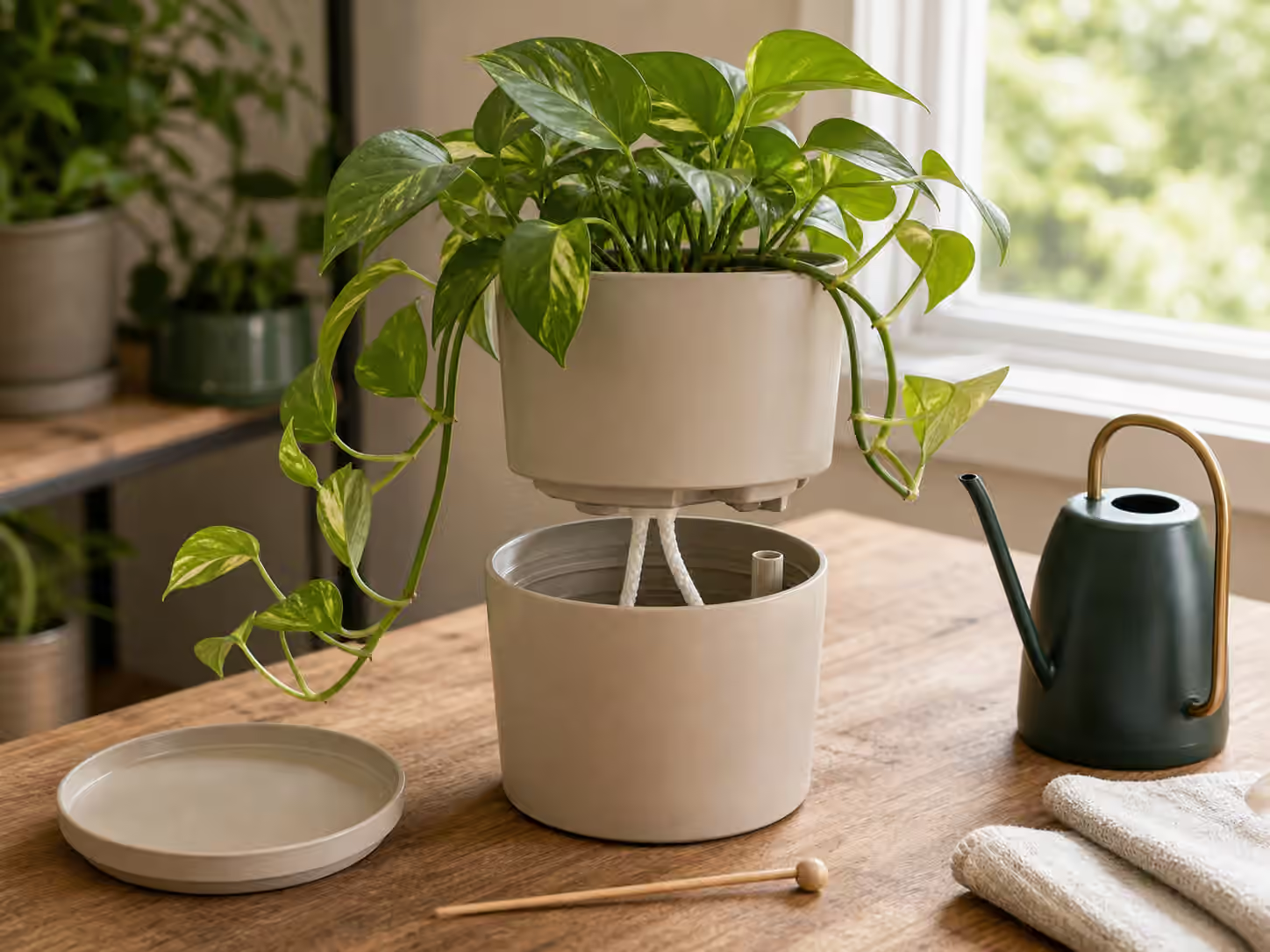
Most self-watering planters let water sit below the root zone while a wick, porous insert, or capillary column moves moisture upward. The top of the pot may look dry while deeper mix stays evenly damp. That can be helpful for plants that resent repeated drought, but it changes the old habit of reading only the soil surface. If you keep topping up the reservoir because the top looks pale, you may keep the lower mix wet for weeks.
This is why the first setup should be slow. Water the plant normally from above when it is first potted, let excess drain, and give the roots time to establish in the new container before relying fully on the reservoir. Some planters recommend a settling period because roots need contact with the mix before capillary watering becomes reliable. Even when the planter design differs, the principle stays the same: the plant has to occupy the pot before the reservoir can serve the roots well.
A reservoir also changes fertilizer behavior. Nutrients dissolved into standing reservoir water can concentrate, sit, or move unevenly depending on the system. If you fertilize, use a restrained routine and watch for salt crust, brown tips, or stalled growth. The guide to Fertilizer Without Guesswork pairs naturally with this topic because reservoir watering can make casual feeding harder to interpret.
Choose Plants That Can Use Steady Moisture
Self-watering pots tend to suit plants that prefer consistent moisture and are actively growing in enough light. Many trailing tropical houseplants, peace lilies, and similar leafy plants can adapt when the mix is airy and the reservoir is not treated as an endless swamp. A cactus, succulent, or plant with thick drought-storing tissues may object to the same system unless the design, mix, and timing are very carefully managed. For dry-leaning plants, the safer starting place is usually Indoor Succulents Without Overwatering rather than a reservoir.
Light is the hidden partner. A plant under bright indirect light uses water more predictably than the same plant several feet into a dim room. If the plant is not receiving enough usable light, a self-watering pot can keep roots wet while the leaves lack the energy to grow. That combination often looks like yellowing, soft stems, fungus gnats, and a plant that seems both watered and unhappy. Before blaming the planter, read How to Check Indoor Plant Light and Bright Indirect Light Explained .
Root size matters as much as plant type. A newly rooted cutting in a large self-watering pot may sit in more damp mix than it can use. A mature plant with a full root system can pull moisture more evenly. If the pot is oversized, the reservoir may only make the mismatch harder to see. Pot Size and Plant Stability is worth revisiting before moving a small plant into a clever container.
Keep The Mix Airy Enough
Reservoir watering needs oxygen as well as moisture. A dense, fine, compacted mix can stay wet and sour even if the pot design is sound. The mix should hold enough moisture to wick but still contain air spaces. Bark, perlite, pumice, coarse particles, or an appropriate indoor mix can help depending on the plant. The goal is not to make every pot chunky. The goal is to avoid a heavy sponge that keeps roots wet without air.
If the plant was already struggling in compacted soil, moving it into a self-watering pot without changing the root environment can carry the problem forward. Hydrophobic old mix may resist even wetting at first, then stay unevenly damp once it finally absorbs water. Collapsed mix may wick too much and dry too slowly. Compacted and Hydrophobic Potting Mix gives that diagnosis more detail than a planter guide can.
The wick or insert should also stay clean and functional. Old roots, algae, mineral buildup, and soil particles can interfere with water movement. If a planter suddenly stops working as expected, do not assume the plant changed its mind. Inspect the physical path from reservoir to mix. Empty stale water, rinse removable parts according to the planter’s instructions, and restart with a plain observation cycle before adding treatments.
Read Wet Roots Before Refilling
The most common mistake is treating the fill line as a command. A reservoir that has gone down does not always need immediate refilling, especially in cooler seasons or after a move to lower light. Let the pot approach the plant’s preferred moisture range before filling again. For many indoor plants, that means checking the mix and pot weight, not only the water window or float.
Watch for symptoms that belong to wet roots rather than thirst. Lower leaves yellowing while the pot remains heavy, droop that does not improve after watering, soft stems near the soil line, sour odor, and fungus gnats all suggest the setup is too wet or too slow to dry. Pair those observations with Overwatered vs Underwatered Houseplants before assuming the reservoir needs more water.
Fungus gnats deserve special mention because reservoirs can keep the lower pot damp while the top still grows organic surface film. Sticky traps may show adult gnats, but the calmer correction is usually moisture management, debris removal, and a more readable drying rhythm. Fungus Gnats on Houseplants is the better next guide if small flies are part of the picture.
Use Self-Watering As A Tool, Not A Disguise
A self-watering pot should make care easier to read, not harder to question. Keep the first month boring. Note when you fill the reservoir, when it empties, how heavy the pot feels, what the top inch of mix does, and whether new growth looks firm. If the plant improves, stay steady. If it declines, remove the reservoir from the story temporarily by emptying it, checking the root zone, and watering from above only when the plant needs it.
Be careful with vacations. Filling a reservoir before leaving can help an established plant, but it is not a universal travel solution. A plant that was already too wet, recently repotted, or sitting in low light may decline faster with extra water available. A reservoir buys time only when the rest of the setup supports water use.
Self-watering pots are best for people who are willing to learn the system. They are not ideal for someone who wants to stop looking at plants altogether. The plant still needs enough light, a pot that fits, an airy mix, clean water movement, and occasional inspection. When those pieces line up, a reservoir can smooth the rhythm. When they do not, it can hide the same old problem under a neater container.