A root-bound plant is not just a plant with visible roots. It is a plant whose root system has filled the container enough that water, air, stability, or new growth is starting to suffer. Some houseplants tolerate a snug pot for a long time. Others stall, wilt quickly, or push themselves upward when the container no longer supports healthy root behavior. The clinic task is to tell snug from trapped before you repot.
The phrase root-bound can lead to rushed repotting because it sounds like a plant emergency. Usually it is slower than that. Roots grow toward the edge of a pot, turn, branch, and sometimes circle. A few roots at the drainage holes may simply mean the plant explored its space. A dense mat that sheds water, dries almost immediately, lifts out as one hard cylinder, or leaves little room for mix tells a different story.
Separate Roots From Watering Problems
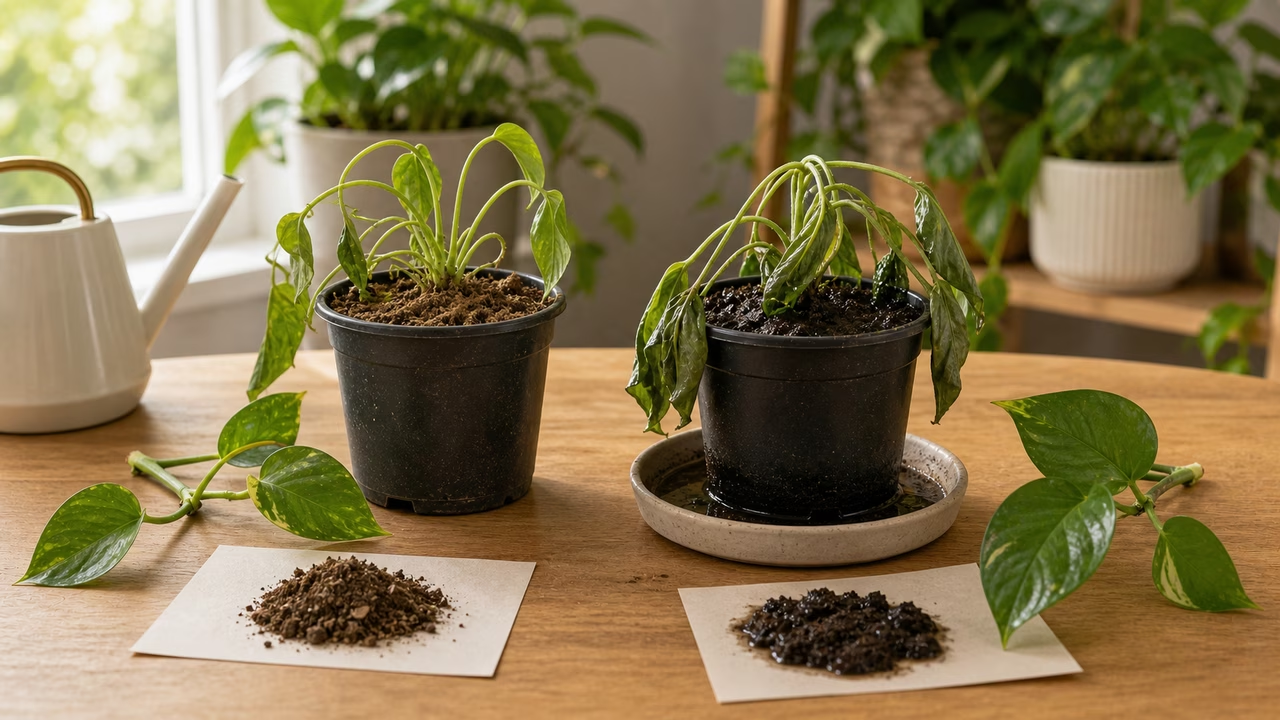
Fast wilting is one of the most common clues, but it is not proof by itself. A plant can wilt quickly because the pot is truly full of roots and holds little usable moisture. It can also wilt because the mix has become hydrophobic, the plant is in hot sun, the roots are damaged, or the owner waters in small sips that never reach the center. Before repotting, water thoroughly when the plant actually needs water, let the pot drain, and observe how long it stays evenly moist.
If water runs straight down the sides and out the drainage holes while the root ball remains dry, the issue may be a tight root mass, a shrunken peat-based mix, or both. Soaking and rehydrating the existing root ball may help temporarily, but if the pattern returns quickly, the plant may need fresh mix and more room. Compacted and Hydrophobic Potting Mix sits close to this problem because dry channels can mimic a container that is too small.
Overwatering can confuse the same diagnosis. A plant with damaged roots may wilt even though the mix is wet. If you see droop, yellowing lower leaves, and a pot that stays heavy, do not assume the plant needs a larger container. A larger pot may add more wet mix around roots that are already struggling. Read Overwatered vs Underwatered Houseplants and Root Rot Basics for Houseplants before upsizing a wet, declining plant.
Read The Pot Before Pulling The Plant
The outside of the pot can tell part of the story. Roots growing from drainage holes, a nursery pot that bulges, mix that rises above the rim, or a plant that tips because the top is much larger than the root volume all suggest the container deserves inspection. A plant that dries a day after a thorough watering in moderate conditions may also be asking for more room. The pattern matters more than any single clue.
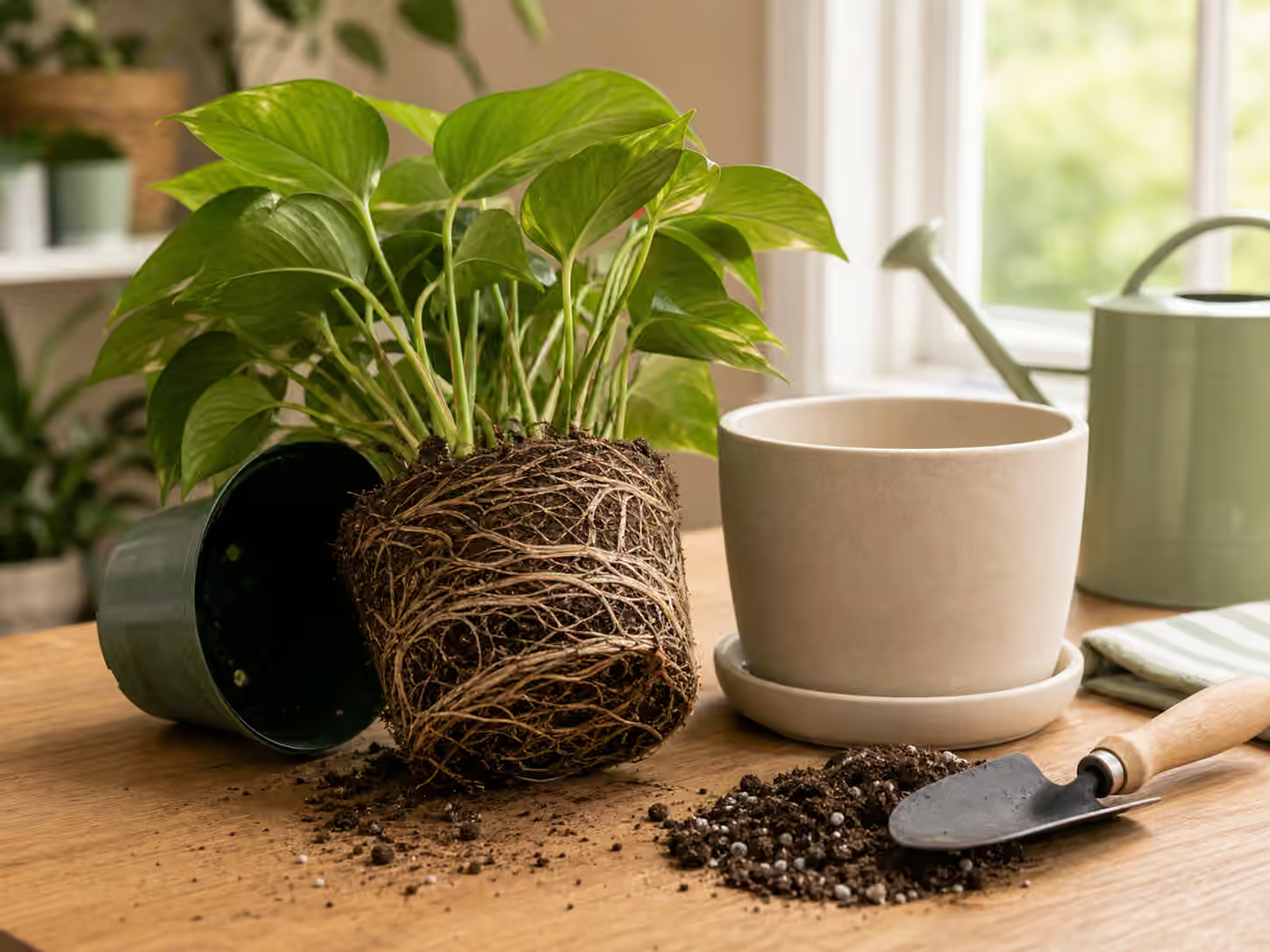
Clear nursery pots make this easier because you can see root density without disturbing the plant. Opaque pots ask for a gentler check. Squeeze a flexible nursery pot lightly to loosen the sides, tip the plant into your hand or onto a covered surface, and keep the root ball supported. If it resists, do not yank by the stems. Tap the pot, slide a dull tool around the edge, or wait until the mix is slightly moist and more cooperative.
When the plant comes out, look for proportions. Healthy roots should usually be firm and pale to tan, with enough mix between them to hold moisture and air. A root-bound plant may show thick circling roots around the outside, a tight bottom mat, or a shape that exactly preserves the pot with little loose mix. The goal is not to punish every circling root. The goal is to decide whether the plant can still use the container it has.
Decide Whether To Repot Now
A plant that is growing actively, drying too fast despite thorough watering, and showing a crowded but healthy root ball is a good repotting candidate. A plant that is pest-ridden, freshly moved, cold-stressed, severely wilted, or declining from wet roots may need stabilization first. Repotting is useful when it solves the current constraint. It is stressful when it is added to every other stress.
The next pot should usually be only modestly larger. Moving from a tight small pot into a much larger one can surround the root ball with wet mix the plant cannot use quickly. That is especially risky in low light or cool rooms. Pot Size and Plant Stability explains why the container should match the root system as well as the height of the plant.
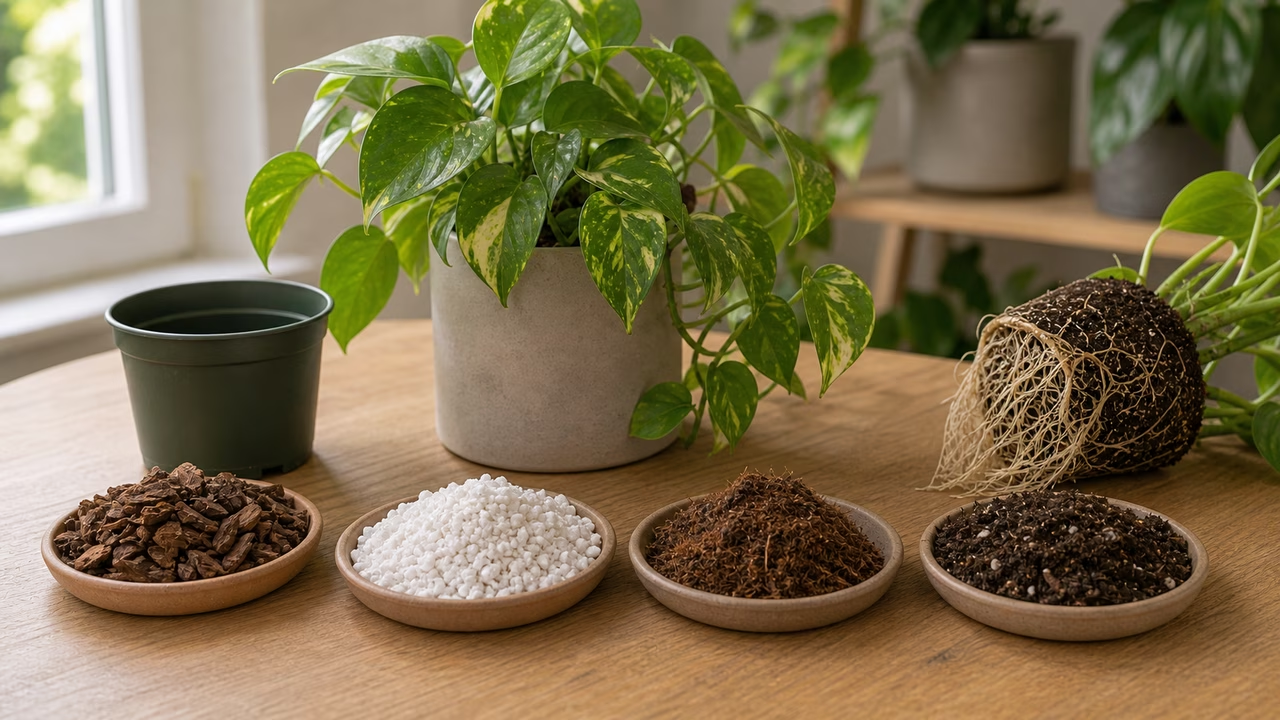
Fresh mix matters as much as pot size. If the old mix has collapsed, turned sour, or become water-resistant, simply placing the old root cylinder into a larger pot may preserve the original problem. Loosen what you can without shredding the plant, remove loose exhausted mix, and refill with an appropriate blend that balances air and moisture. For most beginner houseplants, Potting Mix for Houseplants is the better companion than a specialized recipe.
Handle Circling Roots Calmly
A tight root ball often needs light teasing, not surgery. Work the outer roots loose with your fingers when they separate easily. If a thick bottom mat has formed, you can loosen the edges and remove dead, mushy, or brittle material. Avoid ripping through healthy roots just to make the plant look less root-bound. The plant needs working roots after the repot, not a dramatic before-and-after photo.
Some resilient plants tolerate firmer root work, while sensitive plants resent disturbance. A pothos or snake plant may forgive a rougher hand than a thin-rooted tropical plant. Even then, the safest beginner approach is to disturb only as much as the problem requires. If water could not enter the old root ball, open the sides enough that fresh mix and moisture can connect. If the plant was simply snug and healthy, a gentle shift may be enough.
After repotting, water to settle the mix, let excess drain fully, and place the plant back into suitable light. Do not fertilize immediately as a reward for repotting unless the plant’s normal routine and product label support it. Fresh disturbance asks for steady care, not celebration. Watch new growth, pot weight, and the speed of drying over the next few weeks.
When Snug Is Fine
Not every plant needs a larger pot when roots appear. Some plants bloom or grow well when a little snug. Some slow-growing plants spend years in a container if watering, mix, and light remain balanced. A beginner collection can get into trouble by repotting every plant on a schedule rather than reading each root system. The guide When to Repot a Houseplant is deliberately broader because timing includes season, growth, stress, and the owner reaching for a change too quickly.
Use root-bound as a diagnosis, not a label of shame. A crowded root ball says the plant has been alive and growing in that space. The question is whether the space still works. If water passes through too fast, growth has stalled despite good care, the pot cannot support the plant, or the roots have consumed most of the mix, repotting has a clear purpose. If the plant is steady, the pot dries predictably, and new growth looks normal, the best move may be to leave it alone a little longer.