Leggy growth is not a moral failure and it is not always a crisis. A houseplant stretches because its stems are following the strongest usable light, because the plant has grown past the shape that looked tidy on a shelf, or because old vines kept lengthening while the base stayed quiet. The bare stretch between leaves can make a pothos, philodendron, tradescantia, hoya, or cane begonia look tired even when the roots are still functioning. Pruning can help, but only if the cut is paired with a better read of the room.
The useful question is not “Should I cut this plant back?” It is “What problem am I asking the cut to solve?” A cut can shorten a vine, remove a weak section, encourage new branching, and create cuttings for a fuller pot. It cannot make a dark corner bright, undo months of low-light stretching, or force a stressed plant to recover faster than its roots can support. If the plant became leggy because it sits far from a window, start with How to Check Indoor Plant Light and Bright Indirect Light Explained before you turn pruning into the main event.
Read The Stem Before You Cut
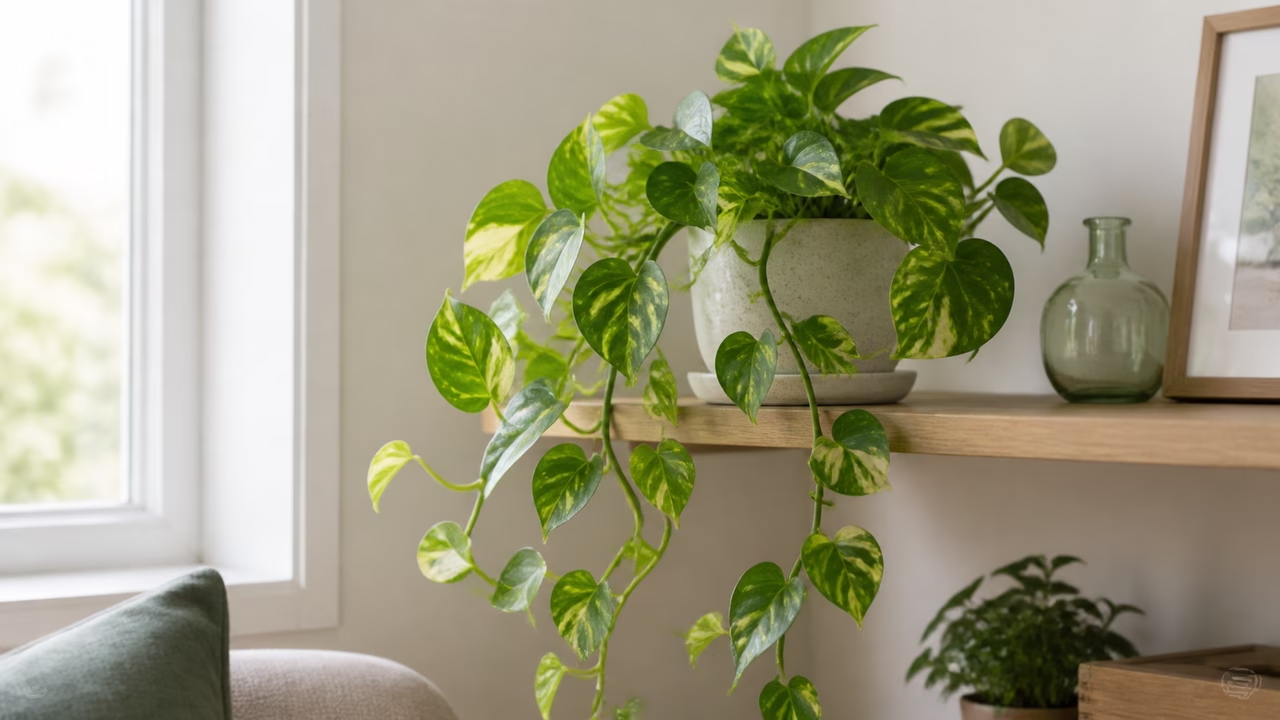
A leggy stem gives you a timeline. The tight leafy part usually marks a period of better light or stronger growth. The long bare internodes usually mark weaker light, faster stretching, or older vine growth that was never trimmed. Leaves clustered only at the tip can mean the plant kept extending toward the window while the older nodes stayed shaded. A plant that is full on the window side and sparse on the room side may not need a dramatic haircut. It may need rotation, a closer position, or a clearer view of the sky.
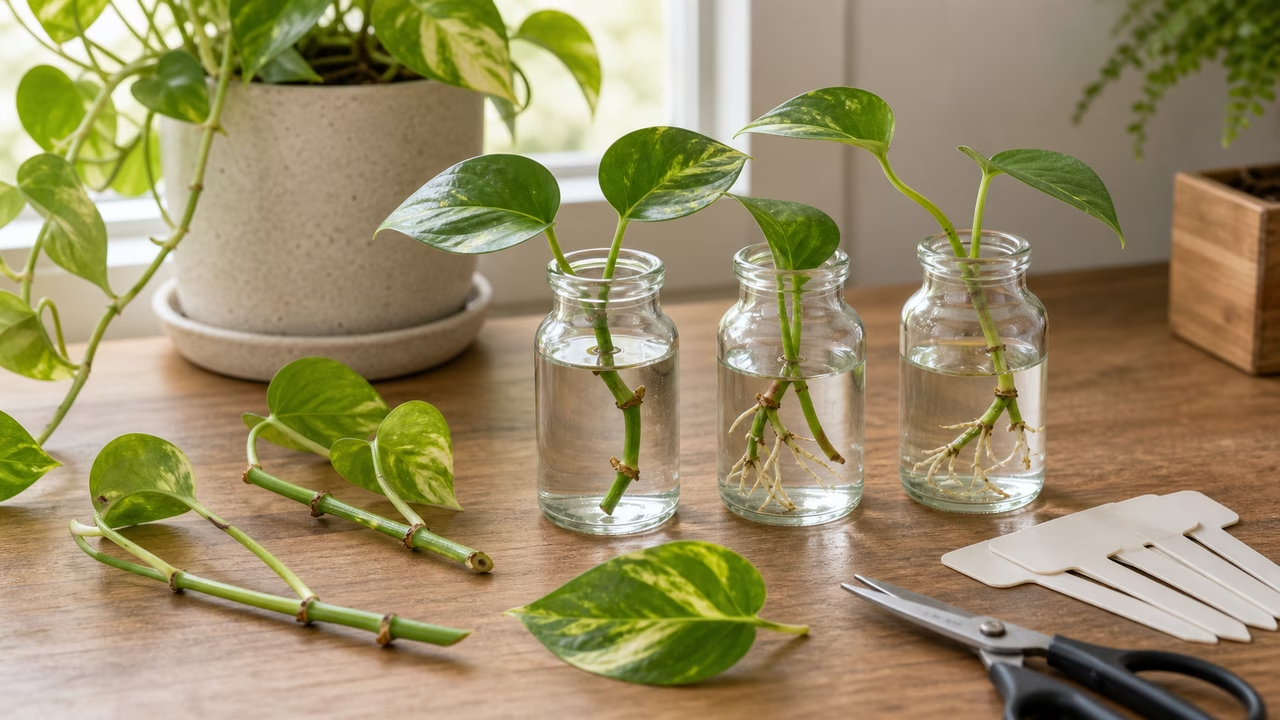
Look for nodes before you pick up pruners. A node is the small joint where a leaf, aerial root, or dormant bud can emerge. On a pothos vine, it may look like a raised ring or a little brown root nub opposite a leaf. On a philodendron, it may sit along the stem where the petiole attaches. A useful pruning cut leaves healthy nodes on the mother plant and healthy nodes on the cutting. A bare stem with no viable nodes is not a magic wand; it is usually just a piece of stem.
Also read the newest growth. If the newest leaves are getting smaller, paler, farther apart, or thinner, the plant is still living with the condition that made it stretch. Cutting it hard without improving light may produce another round of weak growth. If the newest leaves are firm and well spaced after a recent move, the plant may already be improving, and the cut can be gentler. The guide to Seasonal Light Changes Indoors matters here because a vine that stretched in winter may look much more capable once spring light returns.
Prune To Redirect, Not Punish
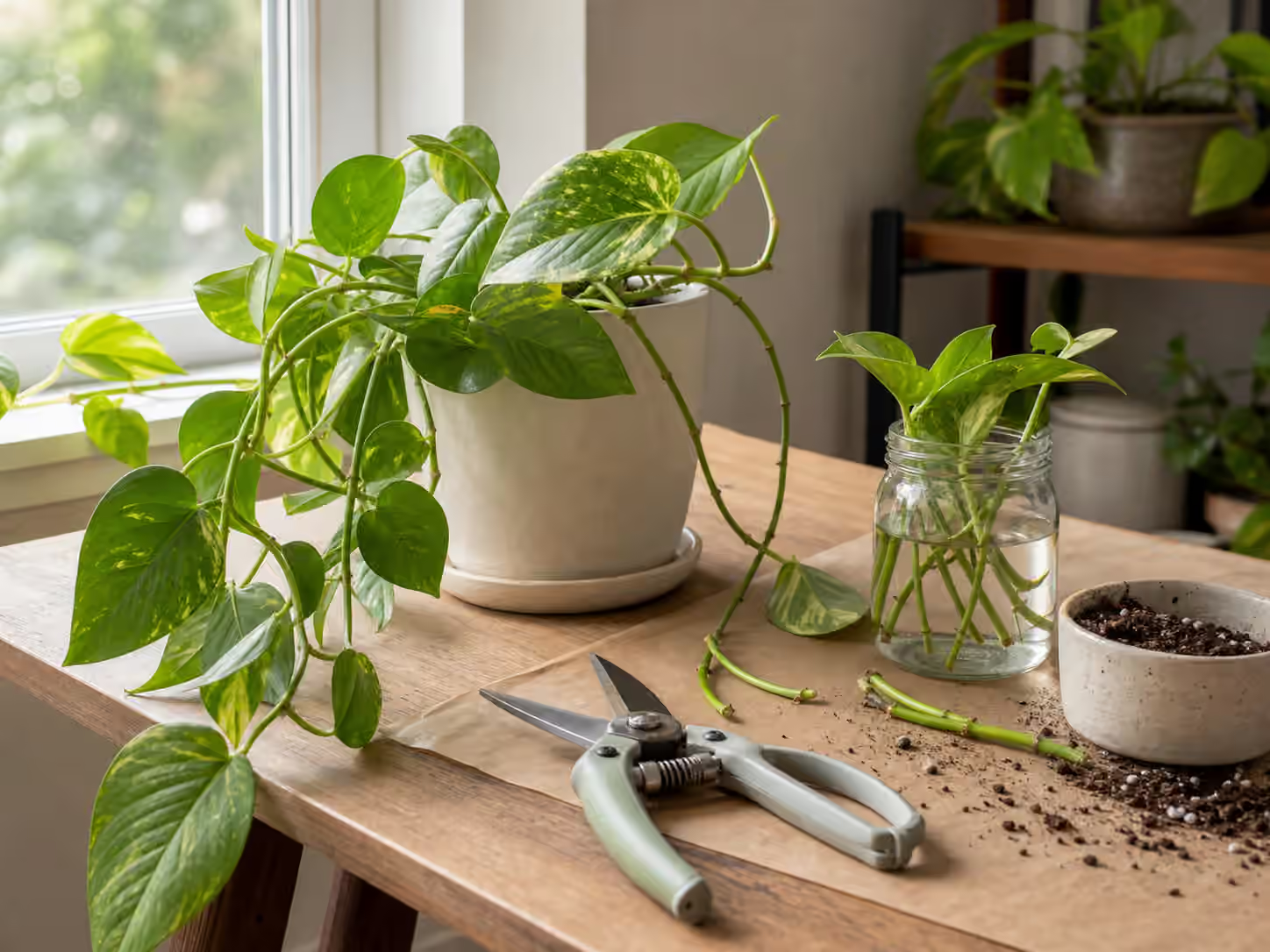
A good pruning session is usually smaller than the anxious version in your head. Start with the one or two stems that bother the plant’s shape most or that have the clearest healthy nodes. Clean pruners are easier on the stem than a dull kitchen scissor that crushes tissue. Make the cut just above a node on the mother plant, leaving a short stub rather than slicing flush against the joint. That remaining node is where new growth may eventually wake, provided the plant has enough light and energy.
The cutting should also have nodes. A leafy tip with several nodes can go into water or a small pot of moist mix, depending on the plant and your habits. Pothos is forgiving, which is why Pothos Propagation is a useful companion to this guide. The broader guide to Propagation: Water, Soil, Division, and Patience helps with plants that do not behave exactly like pothos. The point is not to save every inch of vine. The point is to turn the healthiest sections into future fullness.
For a sparse pot, place rooted cuttings back into the original container only when the existing plant and pot can support them. A pot that already stays wet too long should not receive extra cuttings just because the top looks empty. More stems mean more leaves, but they also mean a different watering pattern, more shade at the soil surface, and more places for pests to hide. If the original pot has poor drainage or stale mix, use the guidance in Drainage Holes and Cachepots Explained before you decide fullness is the only goal.
When Waiting Is Better Than Cutting
Do not prune heavily just after a plant arrives home unless you are removing damaged or pest-suspicious material. A new plant is already adjusting to different light, watering, airflow, and handling. The New Plant Quarantine Checklist gives you a better first move: inspect, isolate, and learn the plant’s baseline before styling it. A patient first month often prevents a chain of changes that makes every later symptom harder to interpret.
Wait when the plant is wilted from drought, sitting in wet mix, recovering from root work, or showing active pest signs. Pruning asks the plant to seal wounds and redirect growth. That is a reasonable request for a stable plant, but a poor request for one whose roots or leaves are already struggling. If stems are soft at the base, the pot smells sour, or the plant keeps declining despite wet soil, Root Rot Basics for Houseplants is more urgent than shaping. If fine webbing, sticky residue, or moving specks appear, use Houseplant Pest Inspection Routine first.
Waiting also makes sense during the dimmest part of the year in many homes. Some plants tolerate a light trim in low light, but a hard cutback often looks disappointing when growth is naturally slow. If the plant is safe, hydrated correctly, and pest free, you can mark the stems you dislike, improve placement, and prune when the plant is ready to grow. That timing turns pruning from a reaction into a clean reset.
Aftercare Is Mostly Restraint
After pruning, keep the plant boring. Return it to the best suitable light you can offer, water by soil condition and pot weight, and avoid compensating with fertilizer the next day. Fresh cuts do not need a feast. They need a stable plant with working roots. If you are tempted to water because the plant looks smaller, pause. A trimmed plant may use water more slowly because it has less leaf area. Stop Watering Houseplants on a Schedule is especially relevant after a cutback because the old rhythm may no longer match the new plant.
Watch the nodes, not the old bare sections. A stem that stays bare below the cut may still be alive, but the useful evidence is whether new buds swell, whether the next leaves are closer together, and whether the plant holds steady. Some vines branch readily. Some send one new leader and continue upward. Some older woody sections respond slowly or not at all. That is why cuttings matter. They give you a second path toward fullness instead of putting all hope into one old stem.
If cuttings are rooting in water, change the water when it clouds and keep the jar in bright, gentle light rather than deep shade. Roots that formed in water are delicate at first, so the transition back to potting mix should be calm. Tuck rooted cuttings into a small area of fresh mix, firm them just enough to stand, and water lightly so the mix settles around the roots. The aim is contact, not a swamp.
Fix The Pattern That Made The Plant Leggy
Pruning is satisfying because it gives an immediate before-and-after. The deeper repair is slower. Move the plant closer to usable light if the old spot was dim. Rotate it only after you understand which side is reaching, because constant rotation in weak light can leave every side slightly dissatisfied. If the plant lives on a shelf away from glass, Grow Lights for Houseplants may be more honest than repeated trimming. A light that is too far away becomes another decoration; a well-placed light changes the plant’s actual growth.
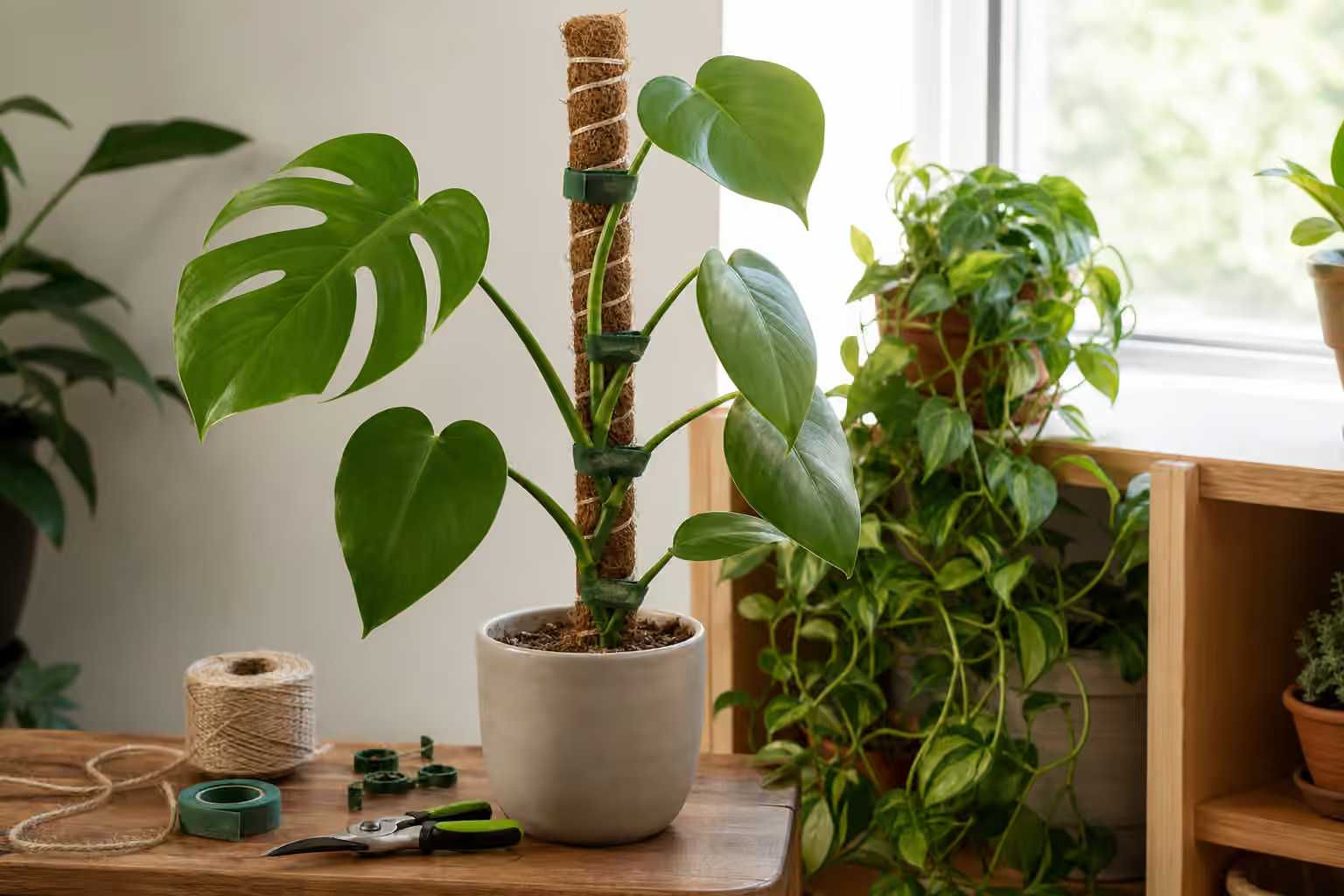
Think about support as well. A trailing plant can look leggy because the vines are hanging in ways that hide their leaves. A small trellis, a moss pole for the right plant, or a higher shelf may make existing growth easier to read. That is not a substitute for pruning dead or weak sections, but it can prevent unnecessary cuts. Plant shape is partly biology and partly furniture.
Over the next month, treat the plant as a conversation rather than a project. The cut gave you cleaner lines and useful cuttings. The room will decide what happens next. If new growth is compact, the leaves look firm, and the pot dries at a predictable pace, keep the routine steady. If the new growth stretches again, the plant is answering clearly: the scissors did their part, and now the light has to change.