Pothos has a reputation as the plant that survives anyone, and there is truth in it: this trailing vine tolerates a wider range of neglect than most houseplants and forgives mistakes that would sink a fussier species. But “survives” and “thrives” are different words, and the gap between a pothos that is merely alive in a dark corner and one that is full, glossy, and growing comes down to a few readable habits. This guide treats the plant honestly, neither as an unkillable novelty nor as a delicate thing, and shows you what to watch so a beginner pothos becomes a plant you can actually read.
Light: the difference between surviving and growing
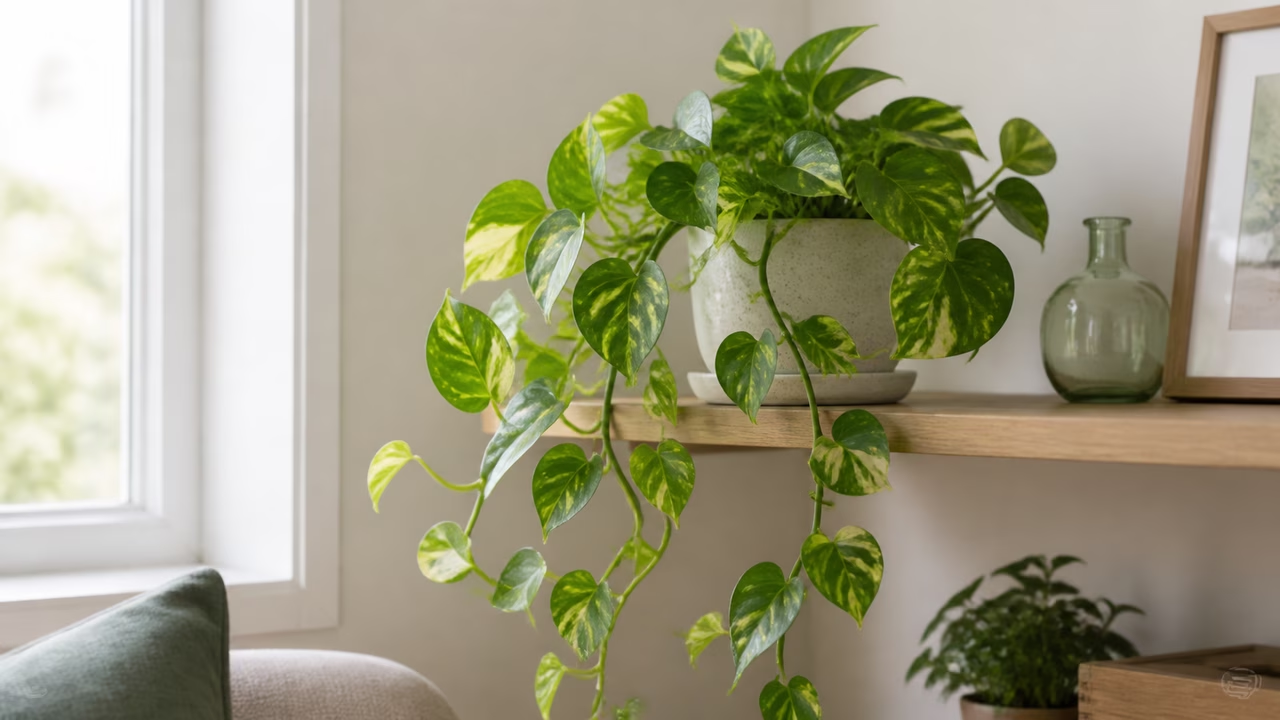
The single biggest lever on a pothos is light, and it is also the one people most often misjudge because the plant is so slow to complain. Pothos will stay alive in a dim room for a long time, which is exactly why it gets stuck in dark corners, but low light produces small leaves, long bare stretches of stem between leaves, and painfully slow growth. Give it bright indirect light and the same plant fills out with larger leaves spaced closely along the vine. There is a useful early clue in variegated types: a golden or marbled pothos kept too dark will start pushing out plainer, greener leaves because it cannot afford the pale patches that do not photosynthesize, so fading variegation is often the plant asking for more light rather than a defect. Direct midday sun through glass can scorch the leaves, so the target is a spot that is bright but out of the hot beam. If you are unsure how to judge a given window, the clinic’s how to check indoor plant light and bright indirect light explained guides walk through reading a spot before you commit a plant to it.
Watering: let it dry, then soak
Pothos is a plant that far prefers drying out to staying wet, which makes it easy to keep well if you drop the idea of a fixed watering day. The reliable method is to check the soil rather than the calendar: push a finger a couple of inches down, and water thoroughly only when that depth feels dry. When you do water, soak the whole root ball until it runs from the drainage holes, then empty any saucer or cachepot so the roots are not left sitting in standing water. This soak-and-dry rhythm suits the plant’s roots far better than frequent small sips, which keep the surface damp while the core stays either bone dry or permanently wet. A pothos also tells you when it is thirsty in an unusually clear way: the leaves go soft and slightly limp, and they perk back up within hours of a good drink. That visible wilt is a helpful safety net for beginners, but do not use it as your only signal, because letting the plant collapse repeatedly stresses it over time. For the broader case against calendar watering, see stop watering houseplants on a schedule .
Reading yellow leaves
Yellow leaves are the question new pothos owners ask most, and the answer depends entirely on which leaves and how many. An occasional yellow leaf low down on an old vine, especially the oldest leaf near the base, is usually just the plant retiring a leaf it no longer needs, and it is nothing to worry about. Widespread yellowing, several leaves at once, or yellowing on newer growth is a different message and most often points to soil that has stayed too wet for too long. When several leaves turn at once, resist the instinct to water more; instead check whether the pot has been staying soggy, whether the container drains, and whether you have been watering before the soil had a chance to dry. Yellowing plus mushy stems means the trouble has reached the roots, and root rot basics for houseplants is the guide to read next. The pattern is the clue: old and occasional is normal, widespread and wet-soiled is a watering problem, and knowing which one you have keeps you from overcorrecting.
Pruning and shape
Left alone, a pothos tends to grow into a few long vines that trail farther and farther while the base thins out, which many people actually want for a cascading look but others find scraggly. Pruning is how you steer it. Cutting a vine just above a leaf encourages the plant to branch from that point, so trimming the longest stems back makes the whole plant fuller and bushier rather than a handful of bare runners. The cuttings you remove are not waste, because pothos is one of the easiest plants to propagate, and a few trimmed vines can become new plants or be tucked back into the same pot to thicken it up. If your plant has gone long and sparse, the fuller-plant approach in pruning leggy houseplants applies directly, and the trimmings lead naturally into the next step.
Propagation, briefly
Because pothos roots so willingly, propagating it is the natural companion to pruning, and it is worth mentioning here even though it has its own full guide. Every cutting needs a node, the small bump on the stem where a leaf meets the vine, because that is where new roots emerge; a bare leaf with no node will never root. A node cutting placed in water grows roots reliably over a couple of weeks in decent light, and once those roots are a few inches long the cutting is ready for a small pot of soil. The full walkthrough, including how long to wait and how to move a water-rooted cutting into soil without shocking it, lives in pothos propagation .
The calm next action
Give the pothos genuinely readable light rather than a dark corner, water only after checking that the top couple of inches have dried, and prune the longest vines to keep the plant full and to generate cuttings. When leaves yellow, read the pattern before reacting: occasional and low is normal, widespread and wet-soiled is a watering correction. Note the date of any change and let the next few weeks of new growth tell you whether it worked. For the wider troubleshooting mindset, pair this with houseplant clinic for beginners , and compare notes with the similarly forgiving snake plant care for beginners , ZZ plant care for beginners , and monstera care for beginners .
When to get help or stop
Pothos is forgiving enough that most of its problems resolve with a light and watering adjustment, but not every problem is ordinary care. Stop the home experiment and get qualified help when the situation involves pet chewing or ingestion, pesticide exposure, heavy mold, severe allergies, an unsafe infestation, or a plant that keeps declining after you have corrected light and watering. A houseplant guide can organize your observations and point you toward the likely cause, but it is not a replacement for a veterinarian, clinician, landlord, remediation professional, or licensed pest-control professional when the problem crosses into their territory.