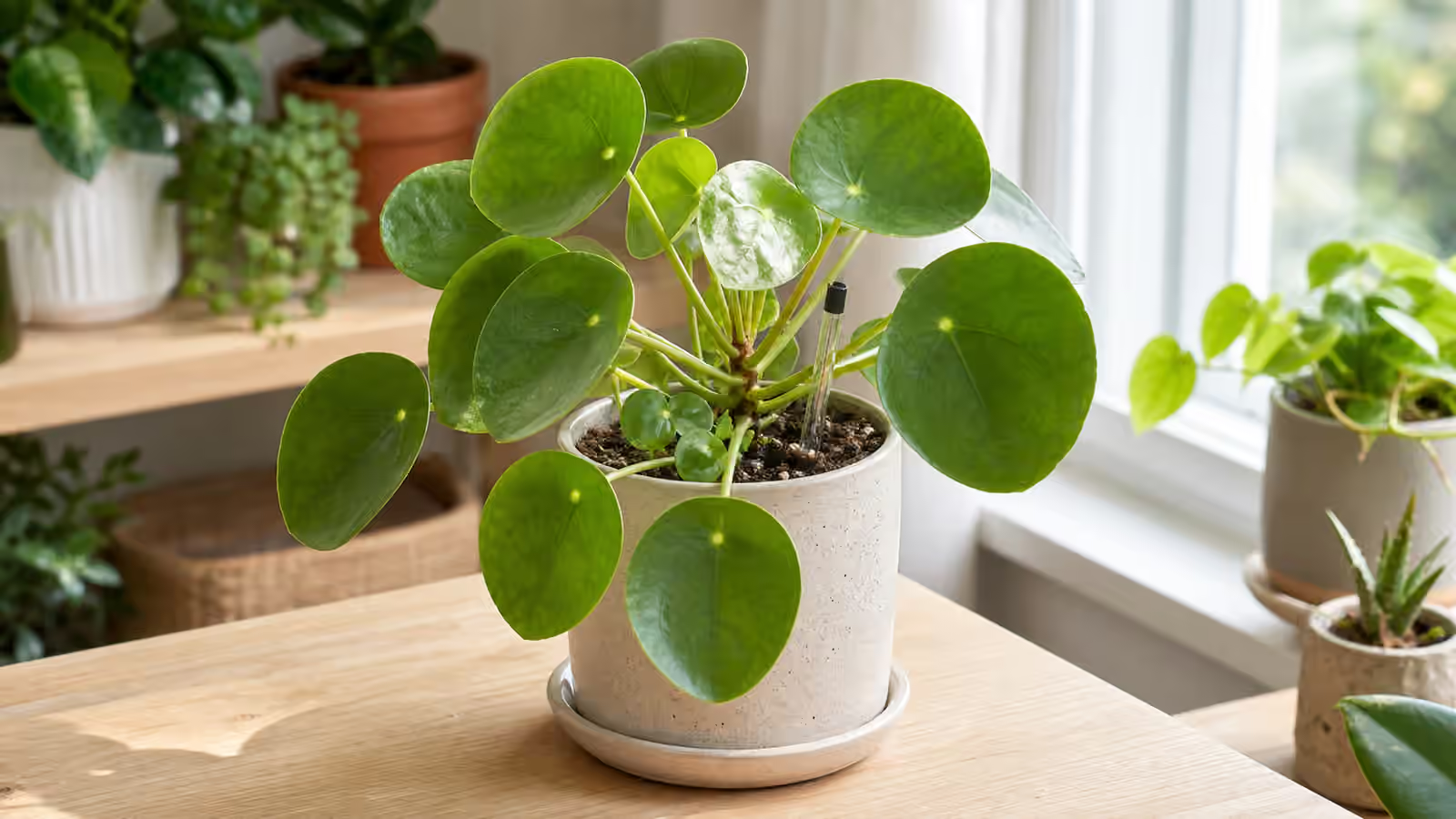
Pilea peperomioides is often described by its round leaves, but the shape of the plant tells a more useful care story. The leaves turn toward light, the main stem can lean as it grows, and small pups often appear at the base when the plant is settled. A pilea that looks charming in a photo can become lopsided, pale, yellowing, or crowded indoors if light, watering, rotation, and repotting are handled casually. The plant is not difficult, but it is honest about inconsistent care.
Give Bright Light And Rotate On Purpose
Pilea likes bright indoor light more than many owners expect. In a dim spot, it may stretch, lean hard toward the window, produce smaller leaves, and hold moisture too long. In harsh direct sun, leaves can scorch or fade, especially if the plant was grown in gentler light. The middle ground is bright filtered light, gentle morning sun, or a well-placed grow light that supports steady growth without overheating the leaves.
Because pilea leaves face the strongest light, rotation matters. A plant left in one position can become one-sided as petioles reach toward the window. Rotating a small amount every week or two can help the plant grow more evenly, but heavy-handed rotation every day is unnecessary. The aim is to prevent a hard lean, not to deny the plant its natural orientation.
If the plant is already leaning, do not solve the whole problem with a stake. A stake can support a curved stem, but it does not provide energy. Move the plant into better light gradually, rotate thoughtfully, and let new growth show whether the location is better. Window Direction for Houseplants and Bright Indirect Light Explained can help you judge the spot rather than relying on the room’s mood.
Water Evenly, Then Let The Pot Breathe
Pilea does not want to stay soggy, but it also does not appreciate being ignored until the whole plant collapses. Water when the mix has dried enough for that pot and room, water thoroughly, let excess drain, and then wait. The rhythm should be based on the pot’s behavior rather than a fixed weekly habit. A small plant in bright light may dry faster than expected. A larger pot in weak winter light may stay damp much longer.
Yellow lower leaves can come from age, overwatering, underwatering, low light, or adjustment after a move. That is why the pot tells the stronger story. If leaves yellow while the pot is wet for many days, check drainage, light, and root health. If leaves droop and the pot is truly dry, water completely and watch recovery. If the plant repeatedly droops between waterings, the mix may be hydrophobic, the pot may be too small, or the room may be hotter and brighter than the routine assumes.
The guides Stop Watering Houseplants on a Schedule and Overwatered vs. Underwatered Houseplants are useful because pilea symptoms can look similar from opposite causes. The calm habit is to check before reacting.
Use A Modest Pot And A Mix That Rewets
Pilea roots do well in a potting mix that holds some moisture but does not collapse into a wet block. If water runs around the edges and the center remains dry, the plant may wilt soon after watering. If the mix stays wet and heavy for a week, roots may struggle. A good mix should rewet evenly, drain clearly, and hold enough air for roots to function.
Repotting should be modest. A pilea with round leaves and pups may look like it needs a large pot, but the root system may not. Moving into too much soil can slow drying and make watering harder. If the plant is root-bound, dries very quickly, or has a tired compacted mix, move up only slightly and keep drainage clear. When to Repot a Houseplant gives a good decision path.
Cachepots are common with pilea because the plant is decorative. That is fine if the inner pot drains and you empty extra water after watering. It is not fine if the nursery pot sits in a hidden puddle. Drainage Holes and Cachepots Explained is one of the simplest ways to prevent quiet root stress.
Manage Pups Without Turning The Pot Into A Project
A happy pilea often produces pups from the base or nearby roots. These small offsets can be left in place for a fuller plant or separated when they have enough size and roots to survive. Removing every pup immediately is not necessary. Leaving every pup forever can crowd the pot and make watering harder. The right choice depends on the look you want, the strength of the parent plant, and whether the pot is becoming congested.
If you separate a pup, do it gently and avoid turning the whole parent plant into a bare-root operation unless the pot already needs a reset. A pup with its own roots has a better chance than a tiny shoot removed too early. After separation, keep the new plant in bright gentle light and evenly managed moisture. Do not flood a small cutting because it looks delicate.
Propagation should follow plant health. If the parent is declining from low light or wet soil, fix those conditions first. A cutting or pup in the same bad setup will not escape the underlying problem. Houseplant Propagation Methods can help you decide when propagation is a backup and when it is just another stress.
Read The Leaves And Stem Together
Cupped leaves, pale leaves, yellow lower leaves, brown spots, and leaning stems all need context. Leaves may cup from light, water, root stress, or normal growth. Lower leaves can yellow as the plant ages, especially if the main stem is becoming taller. A bare lower stem is not automatically a disease; it may be the plant maturing or responding to old low-light conditions. New leaves tell you more about the current setup than old leaves do.
Brown patches deserve a slower look. They may be sunburn, physical damage, edema from uneven water uptake, pest injury, or old stress. If spots are spreading or new leaves are distorted, inspect closely. Pilea is not the first plant people associate with pests, but aphids, thrips, mites, or mealybugs can still arrive with new plants or nearby pots. New Plant Quarantine Checklist and Houseplant Pest Inspection Routine are useful if the plant came from a crowded shelf.
Fertilizer should stay modest. Feed only when the plant is actively growing in good light with healthy roots, and follow labels. Fertilizer cannot correct weak light or wet soil. If new leaves are small and pale, check light and roots before feeding. Houseplant Fertilizer Without Guesswork keeps that choice grounded.
Pilea care works best as a steady rhythm. Give the plant bright filtered light, rotate enough to keep the shape balanced, water from evidence, keep the pot breathable, and manage pups when they are ready. The plant’s round leaves make every tilt visible, but that visibility is useful. It shows you how the room is shaping the plant.