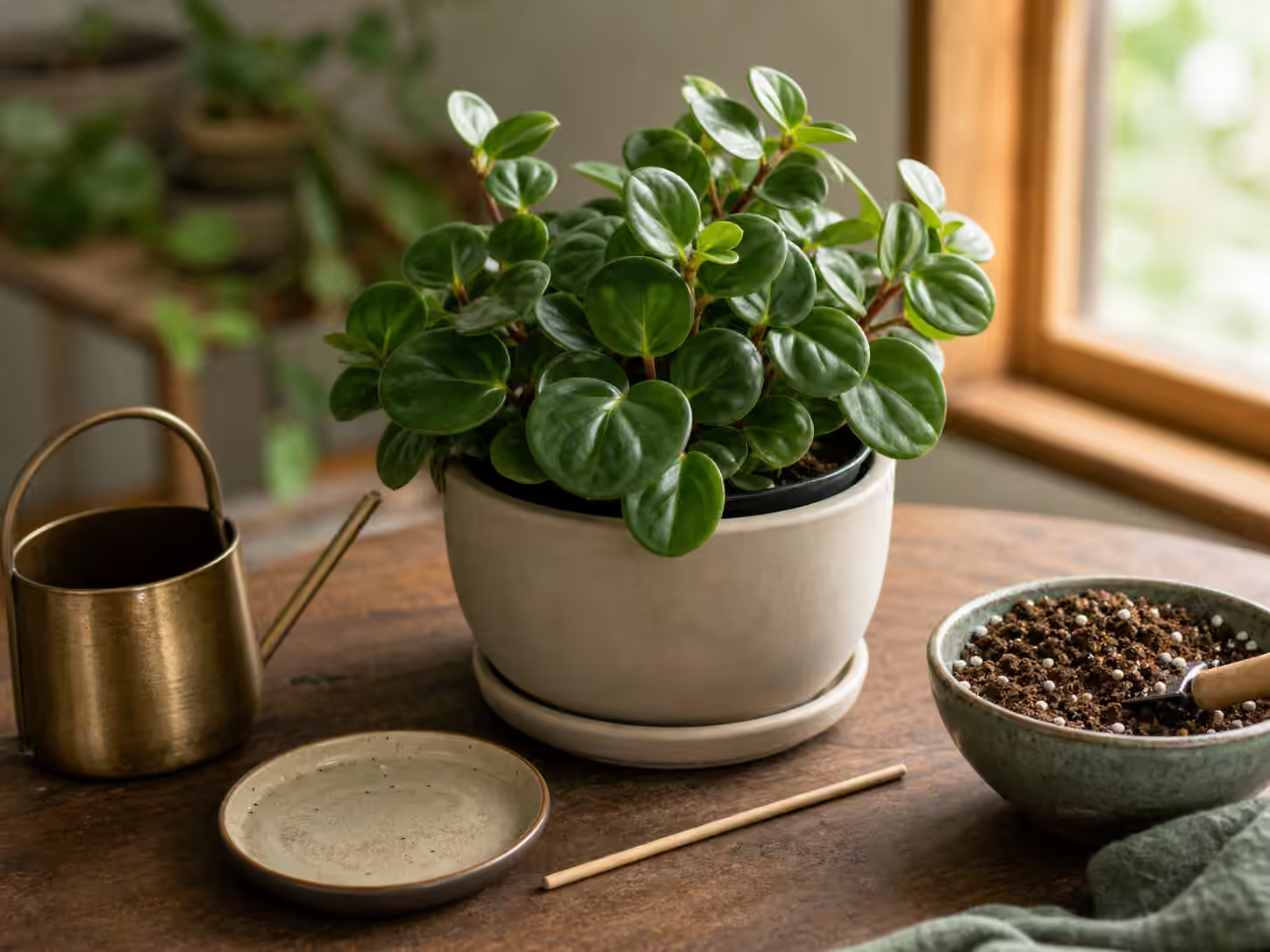
Peperomias look sturdy because many have thick leaves, compact stems, and a tidy tabletop shape. That sturdy look can make people treat them like tiny shrubs that need frequent attention. Most peperomias are easier when you remember that the plant is small, the root system is modest, and the leaves often store more water than their size suggests. The beginner mistake is rarely neglect for a few days. It is usually an oversized pot, a dim corner, and repeated watering before the roots have had air again.
Peperomia is a broad group. Some have round coin-like leaves, some have rippled leaves, some trail, and some stand upright with thicker stems. The details change by plant, but the indoor care pattern is consistent: bright indirect light, a breathable potting mix, a container close to the size of the roots, and watering that waits for real need. A peperomia does not need a dramatic care routine. It needs you to stop treating the surface of the soil as the whole story.
Bright Indirect Light Keeps Growth Compact
Most peperomias do well in bright indirect light. A spot near an east window, a bright room set back from stronger glass, or a shelf under a sensible grow light can keep growth firm and compact. In a dim room, stems may stretch, leaves may space out, and the pot may stay wet longer than expected. The plant may still look alive, but the slower water use makes every watering decision riskier.
Direct hot sun is a different problem. Thick leaves can scorch, fade, or develop pale damaged areas if a plant moves suddenly from a protected shop shelf to a hot window. Morning sun may be fine for many homes, while intense afternoon sun through glass can be too much. If the light question feels vague, use Bright Indirect Light Explained to translate the phrase into real window behavior. The plant’s shape is often the best report. Compact new leaves usually mean the light is useful. Long gaps between leaves usually mean the plant is reaching.
Rotate only when needed. A compact peperomia on a windowsill may grow toward the light, but constant turning can make it harder to see whether the latest change helped. If one side is clearly stronger, give the pot a gentle quarter turn every so often rather than moving it around the house.
Respect The Small Root System
Peperomias are easy to overpot. A tiny plant placed in a large decorative container can sit in a ring of wet mix that the roots do not occupy. The top may look dry while the lower zone remains damp. The leaves may look firm until the roots begin to struggle, then the plant can drop leaves, soften at the stem, or develop odd surface marks. The pot should match the root ball more than the size you hope the plant will become.
Drainage matters, but drainage holes alone do not make a large pot safe. The mix also needs enough air, and the plant needs enough light to use water. A peat-heavy nursery plug inside a much larger pot can behave like two different soils at once: dry around the edges and wet in the original core. If you repot, step up modestly and use a mix that drains while still holding enough moisture for fine roots. The general principles in Potting Mix for Houseplants apply well here, especially the idea that mix behavior in your room matters more than a perfect recipe.
A peperomia in a snug pot is not automatically suffering. If it dries predictably, stands firmly, and makes clean new growth, waiting can be the better choice. Repot when the mix has collapsed, watering no longer enters evenly, the plant is unstable, or roots have filled the container enough to change the drying rhythm. Pot Size and Plant Stability is useful because the issue is not only root room. It is whether the whole pot-and-plant system works.
Water By Weight And Texture
Peperomias usually prefer to dry partly before watering again. The exact depth depends on the plant, pot, mix, and room, but the habit is the same: check before watering. Lift the pot. Feel the mix below the surface if the plant and pot allow it. Notice whether leaves are firm or beginning to soften. A very light pot and slightly flexible leaves may point toward water. A heavy pot and soft stems point toward roots, light, or overwatering rather than thirst.
Small sips can be misleading. They dampen the surface, encourage fungus gnats, and leave the lower root ball unchanged. When the plant actually needs water, water enough to refresh the root zone and let extra drain away. Then wait. A plant in a tiny pot near bright light may dry faster than one in a glazed cachepot on a dim shelf. Moisture Meters, Fingers, and Pot Weight is a better companion for peperomias than a calendar because the pot can change speed with season and placement.
Do not panic if the plant pauses after repotting or propagation. Peperomias may spend time rebuilding roots before leaves show improvement. During that period, the pot often uses water slowly. Keep the setup bright and stable, water only when the mix is ready, and resist adding fertilizer as a rescue.
Read Leaf Drop And Edema Carefully
Peperomias can drop leaves for several reasons. A few old leaves near the base may be ordinary aging. Sudden leaf drop after a move may reflect a change in light, temperature, or watering. Leaves dropping from a plant in wet mix point toward root stress. Leaves that turn limp or translucent deserve a closer look at the stem and roots, especially if the pot has been staying damp.
Leaf edema is another common source of confusion. Some peperomias develop raised bumps, corky patches, or pale blister-like marks when water balance is off. It can look like pests or disease, but it often begins with roots taking up water faster than leaves can use or release it. Overwatering, uneven watering, low light, cool rooms, and sudden changes can all contribute. The guide to Leaf Edema on Houseplants gives that symptom its own space, and it is especially relevant for thick-leaved plants.
Inspect before treating. Turn leaves over, look at new growth, and check stems near the soil line. Sticky residue, moving specks, cottony clusters, or webbing are pest clues. Random corky marks on older thick leaves, paired with a wet or inconsistent pot, may be a care-rhythm problem. If you are not sure, isolate the plant and observe rather than spraying first.
Propagate Without Rushing The New Plant
Peperomias can often be propagated from stem cuttings, leaf cuttings, or divisions, depending on the type. The important beginner lesson is that a cutting is not a finished plant just because it has a tiny root. New roots need air, gentle moisture, and a pot small enough that the mix does not remain wet around them. A cutting moved from water into a large pot can fail because the new root system is too small for the wet volume.
Use a modest container and keep the mix lightly moist rather than soaked. Bright indirect light helps the cutting make energy without overheating tender tissue. A clear cover or humid spot can help some cuttings, but stagnant dampness can also invite rot. The broader propagation guide, Propagation: Water, Soil, Division, and Patience , is useful because it treats new roots as living tissue rather than a trophy.
A settled peperomia is quiet. It grows in small increments, holds its shape, and asks for less drama than its glossy leaves suggest. Give it usable light, a pot that matches its roots, airy mix, careful watering, and patient observation. The plant will not always look perfect, but it becomes much easier to read when the setup stops changing around it.