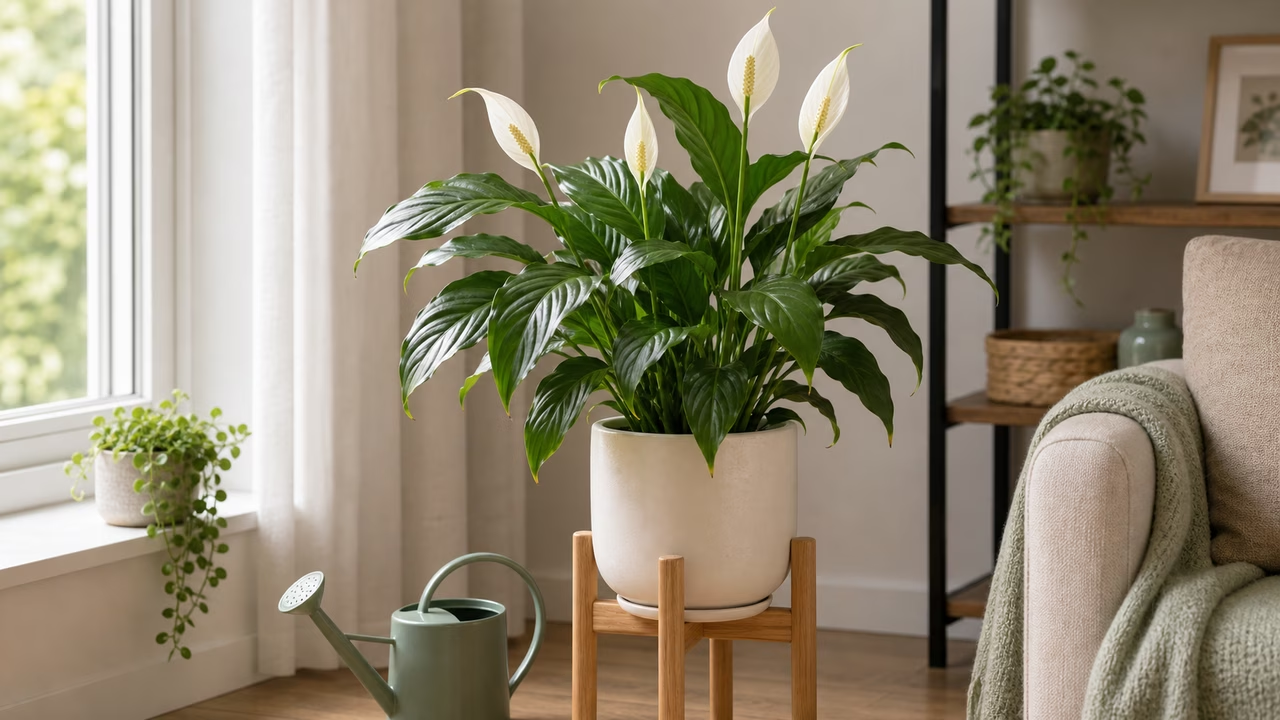
The peace lily is one of the most communicative houseplants a beginner can own, and that is both its gift and its trap. When it wants water, it does not drop a subtle hint; it collapses into a dramatic full-plant wilt that looks like a genuine emergency. That theatrical droop makes the peace lily wonderfully easy to read, but it also tempts people into a cycle of panic-watering that slowly does more harm than the occasional thirsty afternoon ever would.
Reading the famous wilt
A peace lily that has gone limp and dramatic will, in most cases, recover fully within a few hours of a thorough watering, springing back up as though nothing happened. That resilience is exactly why the wilt is a poor watering signal to rely on. Every time the plant is allowed to collapse and then rebound, it takes a small toll, and leaf tips often brown as a result of that repeated stress. The better habit is to check the soil before it reaches the collapse point. Feel an inch or two down, and water when the top of the pot has dried but before the whole thing goes bone dry. You are aiming to water on the strength of the soil, using the wilt only as a backstop that tells you that you cut it a little too close, not as your primary cue.
Just as important, a peace lily can also wilt from too much water, when soggy soil has begun to rot the roots and they can no longer move water up to the leaves. This is the trap: a wilting plant in already-wet soil does not need more water, it needs less. Always check whether the soil is wet or dry before responding to a droop, because the same symptom points in opposite directions depending on what the soil is doing. The clinic’s guide to overwatered vs underwatered houseplants walks through telling those two apart.
Brown tips and what they are telling you
Crispy brown leaf tips are the peace lily’s other common complaint, and they usually trace back to inconsistency rather than any single dramatic mistake. Letting the plant swing repeatedly between soaking wet and bone dry is the most frequent culprit, and the fix is a steadier watering rhythm rather than a special product. Very dry indoor air, a buildup of minerals and fertilizer salts in the soil, or sensitivity to something in tap water can all contribute as well. If brown tips keep appearing, look first at whether your watering has been erratic, ease off on fertilizer, and consider whether the plant is sitting next to a heat vent that dries it out. Existing brown tips will not turn green again, so judge your progress by whether the newest leaves come in clean.
Light that supports leaves and blooms
Peace lilies are famous for tolerating low light, and they genuinely will survive in a fairly dim room, which is why they end up in office corners and windowless bathrooms. Survival and thriving are not the same thing, though. In deep shade a peace lily holds onto its leaves but rarely produces the white flowers people prize, because blooming takes more light than mere survival does. To get those blooms, give the plant bright, indirect light: near a window but out of direct, hot sun, which can scorch and bleach the foliage. If your peace lily is healthy and green but stubbornly refuses to flower, the answer is almost always more light, gently applied, rather than a special bloom feed.
The pet-aware part, handled honestly
Peace lilies contain insoluble calcium oxalate crystals, and chewing on the leaves can irritate the mouth and throat of a curious cat or dog. This does not mean you cannot keep one; it means placement matters. Set the plant where pets cannot reach it, on a high shelf or in a room they do not frequent, so a bored animal is not tempted to nibble. If a pet does chew a peace lily, treat that as a veterinary question rather than a plant-care one and contact your vet, following the boundary in the note above. The Pawstead guidance on pet-aware home setup and ingestion boundaries is a sensible companion when you are arranging plants around animals.
Everyday care that keeps it easy
Beyond water and light, the peace lily asks for very little. It appreciates average household warmth and dislikes cold drafts and sudden temperature swings, so keep it away from chilly windows in winter and from air-conditioning blasts in summer. It enjoys somewhat humid air, which is part of why it does well in bathrooms with a source of light. Wiping the broad leaves with a damp cloth now and then keeps them glossy and lets you spot any pests early. Feed lightly during the growing season if at all, since peace lilies are not heavy feeders and too much fertilizer contributes to those brown tips. When the plant becomes crowded and dries out faster and faster after each watering, that is the cue to move it up a pot size.
Watching it settle over time
Give any change a few weeks before you judge it, and watch the new growth rather than the old. If you have steadied the watering and improved the light, the leaves that emerge next should come in clean and firm, and a well-lit, content plant will eventually reward you with its white spathes. If it keeps declining despite honest, consistent care, that is a signal to look harder at drainage, roots, or pests rather than to keep adjusting one thing at a time in a hurry.
When to step back
A plant clinic can help you read wilting, tips, and light, but it is not a substitute for professional help. If a pet has chewed the plant, if you are facing a serious pest outbreak or mold, or if the peace lily keeps failing after you have genuinely corrected its care, bring in a veterinarian or another qualified professional rather than continuing the home experiment.