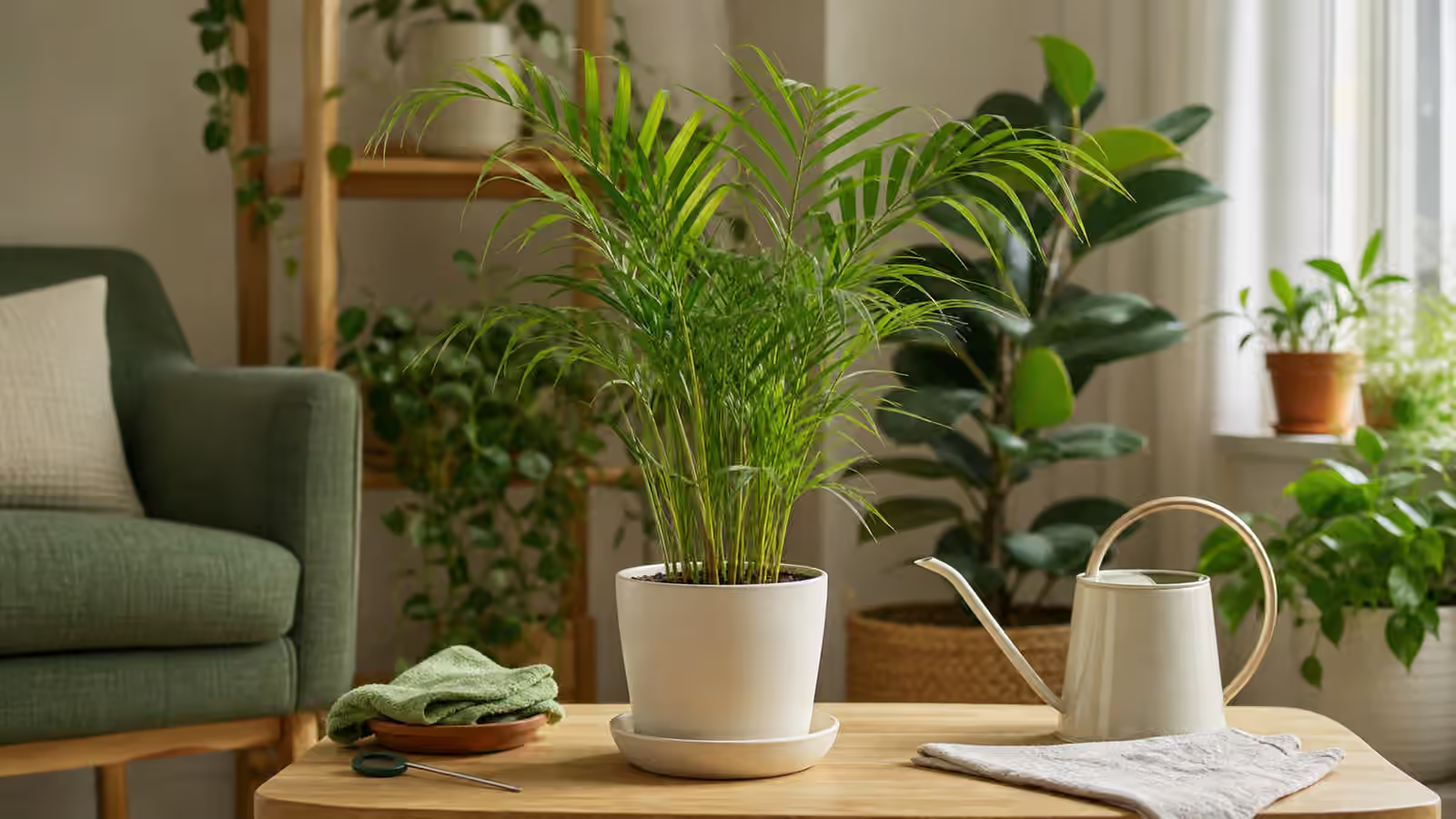
Parlor palm has a reputation as an easy indoor palm because it tolerates ordinary rooms better than many palms. That tolerance is useful, but it can be misunderstood. A parlor palm is not a plastic-looking plant that thrives on neglect, and it is not a fast tropical specimen that will become lush in a dark corner. It grows slowly, prefers gentle steady conditions, and shows stress through brown tips, yellowing fronds, thin growth, or pests hiding among fine leaflets.
Choose Gentle Light, Not A Forgotten Corner
Parlor palm can handle lower light than many showier houseplants, but lower light is not the same as no light. In a dim room, growth slows, the pot dries more slowly, and the plant becomes easier to overwater. The fronds may stay green for a long time while the plant quietly produces little new growth. A brighter position with filtered light often gives a healthier plant as long as it is not placed in harsh direct sun.
Direct hot sun can burn fronds, especially if the plant was grown and sold under shade. Gentle morning light or bright indirect light is usually safer. If you move the plant closer to a window, do it gradually and watch the leaflets. Bleached patches or crispy areas on the sun-facing side suggest too much exposure. A plant that leans, thins, or keeps the soil wet for too long may need more usable light. How to Check Indoor Plant Light is useful because palm fronds can make a plant look fuller than its energy budget really is.
Do not expect fast growth after a light improvement. Parlor palm is naturally measured indoors. Success may look like a firm new spear, steadier color, and a pot that dries predictably, not a sudden flush of huge fronds.
Keep Moisture Steady Without Keeping The Pot Wet
Parlor palm usually prefers a more even moisture rhythm than a desert succulent, but the roots still need air. Water when the mix has dried enough for the pot and room, water thoroughly, and let excess drain. Do not keep the plant sitting in a saucer of water because the top looks delicate. Fine leaflets can make the plant seem thirsty even when the root zone is wet.
Brown tips are one of the most common complaints. They can come from underwatering, overwatering, low humidity, mineral buildup, fertilizer salts, heat vents, cold drafts, or old damage. The tip itself does not name the cause. Check the whole setup: light, pot weight, water quality, drainage, and recent changes. Brown Tips on Houseplants helps separate those possibilities.
A wooden skewer or careful finger check is often enough. If the upper mix is dry but the center remains damp, wait. If the pot is light and the plant has been drying evenly, water fully. If water runs straight through and the root ball stays dry, the mix may have become hydrophobic. Compacted and Hydrophobic Potting Mix gives a better answer than repeated tiny splashes.
Pot And Soil Choices Should Reduce Guesswork
A parlor palm is often sold as several small palms grouped in one pot. That cluster can look full while the roots are relatively fine. A huge pot may hold too much moisture around the root zone, especially in a lower-light room. Choose a pot that fits the root ball and drains clearly. A decorative outer pot is fine if water is not trapped inside it after watering.
The mix should hold moderate moisture while staying open enough for air. Dense soil that remains heavy for a long time can stress roots. A mix with some perlite, fine bark, or other structure can help, depending on the room. The goal is not a dry cactus setup. The goal is predictable watering: the plant receives moisture, drains, and then dries gradually rather than staying swampy.
Repot only when there is a reason. Slow growth does not automatically mean the palm needs a larger pot. Look for roots packed tightly, mix that no longer wets or drains properly, or a plant that dries too fast despite appropriate light. If the plant is newly purchased and the pot is functioning, give it time to acclimate before disturbing it. Acclimating a New Houseplant is a useful first step.
Clean Fronds Gently And Trim Old Damage
Parlor palm fronds gather dust, and dust reduces the plant’s already modest indoor light. Cleaning should be gentle because the leaflets are narrow and easy to crease. Use a soft damp cloth, a careful rinse when the pot can drain well, or a gentle shower if the plant is healthy and the room allows it to dry. Support the fronds rather than dragging hard across them. Cleaning Dusty Houseplant Leaves has the broader technique.
Brown tips can be trimmed for appearance, but trimming does not solve the cause. Leave a tiny margin of dry tissue instead of cutting into green leaf, and avoid reshaping every leaflet until the plant looks artificial. Fully yellow or dead fronds can be removed near the base with clean tools. Do not remove many green fronds from a slow-growing palm just because the shape is not perfect. The plant needs those leaves to make energy.
Fertilizer should be restrained. A slow palm in weak light is not asking for heavy feeding. Feed modestly during active growth if light, water, and roots are sound, and follow labels. If brown tips appear after feeding, consider salt buildup, dry pockets, or too much fertilizer before feeding again. Houseplant Fertilizer Without Guesswork keeps the decision proportional.
Inspect The Fine Leaflets For Pests
The fine structure of a parlor palm can hide pests until damage is noticeable. Spider mites are a common concern on indoor palms, especially in dry rooms or on stressed plants. Look for fine stippling, dull leaflets, delicate webbing, and a dusty look that does not wipe away like ordinary dust. Scale and mealybugs can also settle near stems and leaf bases.
Inspection should be routine rather than panicked. Turn the pot, look along the undersides, check where fronds emerge, and compare new growth with older growth. If you find a problem, isolate the plant and identify it before treating. Spider Mites on Houseplants and Houseplant Pest Inspection Routine are better than guessing from a single brown tip.
Airflow helps, but avoid strong blasts from vents. A parlor palm near forced hot air may dry unevenly and brown. A plant pressed into a crowded corner may stay dusty and hard to inspect. Give it enough space that fronds are not constantly bent by traffic and cleaning is possible.
Parlor palm care is quiet work. Give the plant gentle usable light, a pot that drains, steady but not soggy moisture, clean fronds, and regular pest checks. Accept slow growth as part of the plant rather than a problem to force. A healthy parlor palm earns its place by staying calm and readable in the room.