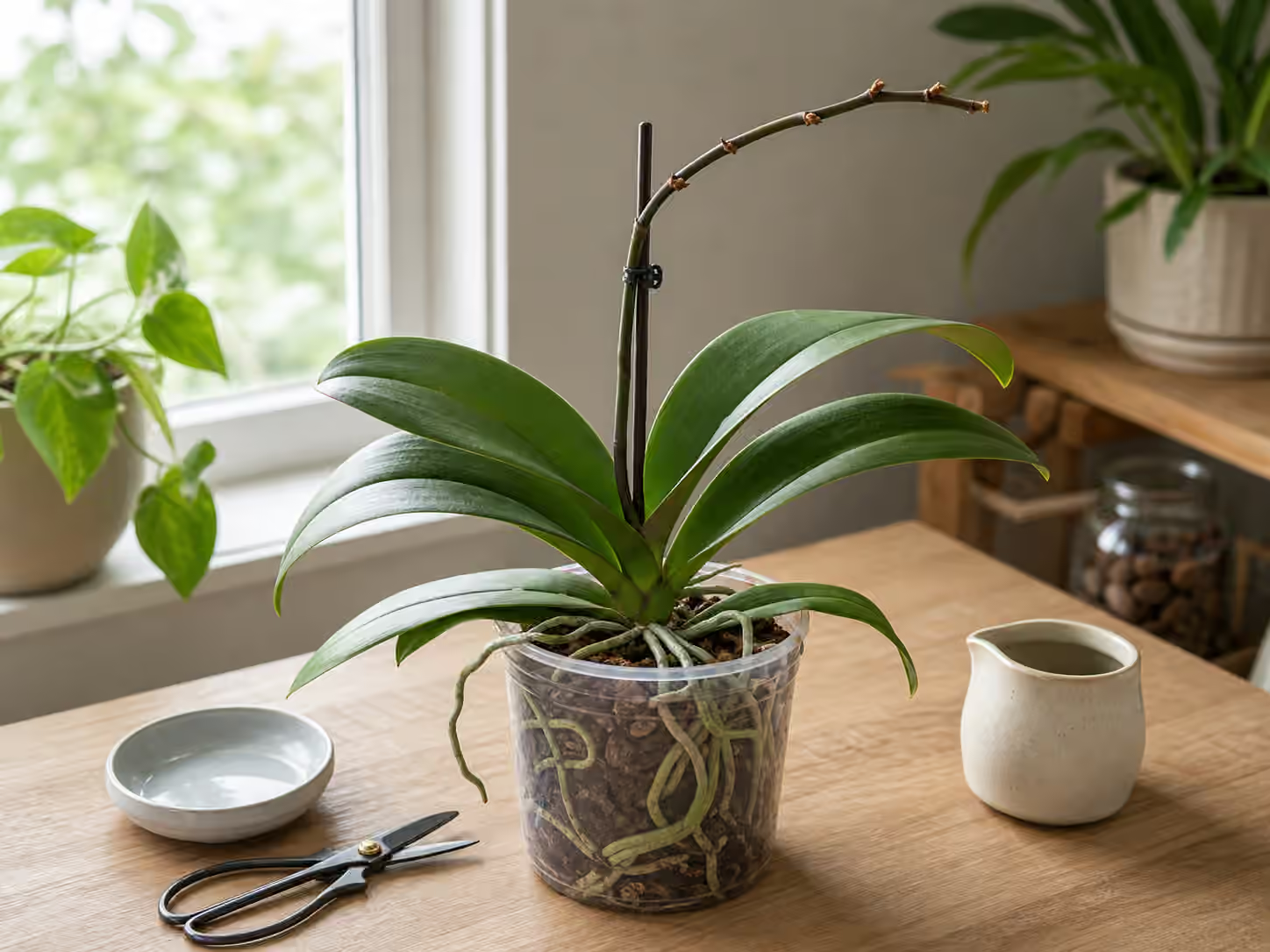
A moth orchid after bloom can look like a mystery object. The flowers have fallen, a bare spike remains, the roots may be green or silvery, and the clear pot often sits inside a decorative sleeve with no obvious care logic. Many orchids decline at this stage because they are treated either as disposable bouquets or as fragile specialists. A Phalaenopsis orchid is neither. It is a houseplant with unusual roots, and the after-bloom period is when root care matters more than display.
Most moth orchids sold for homes are Phalaenopsis types. Their roots are often in bark, moss, or a mixed medium rather than ordinary potting soil. Some roots grow inside a clear pot. Some grow into the air. That is normal. The plant’s health after bloom depends on firm leaves, firm roots, usable light, and a potting medium that lets water drain and air return.
Keep The Light Bright But Gentle
Moth orchids usually do best in bright indirect light indoors. A bright east window, a filtered south or west window, or a very bright room set back from hot glass can work. Too little light may keep the plant alive but reduce future blooming and slow water use. Too much direct sun can scorch broad leaves, especially if the plant came from a protected store display.
Look at leaf color and placement. Firm medium green leaves are usually a better sign than very dark floppy leaves or yellowing sun-stressed patches. If the plant leans strongly toward a window, the light may be weak or one-sided. If leaves closest to the glass show pale tan damage, the light may be too harsh. Bright Indirect Light Explained helps turn those observations into placement decisions.
After bloom is not a punishment period in a dark corner. The plant needs light to rebuild energy and make leaves and roots. If it was displayed on a dining table during bloom, move it to a brighter suitable spot once the flowers fade. Keep the change gentle. A plant that has been away from windows should not go straight into hot sun.
Learn What Healthy Orchid Roots Look Like
Orchid roots can confuse new owners because they do not behave like the fine brown roots of many houseplants. Healthy Phalaenopsis roots are usually firm. They may appear silvery when dry and greener after watering. Aerial roots outside the pot can look untidy but are not automatically a problem. Soft, hollow, black, sour-smelling, or mushy roots are more concerning.
The clear nursery pot is useful because it lets you read moisture and roots without unpotting the plant. If you place that pot inside a decorative container, make sure water does not sit at the bottom after watering. A sleeve that hides standing water can rot roots while the top looks elegant. The same drainage logic from Drainage Holes and Cachepots Explained applies, even though the medium is bark or moss rather than standard mix.
Do not cut firm aerial roots because they look strange. They help the plant take in moisture and anchor itself. Trim only dead or rotten roots during a proper repot, using clean tools. If you are not repotting, leave roots alone and focus on watering, light, and airflow.
Water The Medium, Then Let Air Return
Watering depends on the medium. Bark usually dries differently from sphagnum moss. Bark may dry faster at the edges and hold moisture deeper inside. Moss can stay wet for much longer than it looks, especially in a cool room or decorative sleeve. The goal is to wet the root zone and then let air return before the next watering. Constant wetness is not orchid kindness.
Many moth orchids can be watered by taking the inner pot to the sink, running water through the medium, letting it drain fully, and returning it to the display pot only after runoff has stopped. Avoid leaving the plant sitting in a pool. Ice-cube watering is often marketed as simple, but it can hide the real question: whether the roots and medium are actually drying and re-wetting in a healthy rhythm. A careful room-temperature watering gives you more information.
Use root color, pot weight, and condensation as clues, but do not rely on one sign alone. Silvery roots may be dry, but a mossy center can still hold moisture. A heavy pot is a reason to wait. A plant in lower light will use water more slowly. Moisture Meters, Fingers, and Pot Weight is written for general houseplants, but the habit of checking the whole container rather than a calendar is exactly right for orchids.
Decide What To Do With The Flower Spike
After flowers fall, the old spike may remain green, turn brown from the tip, or dry completely. If it is brown and dry, cut it back near the base with clean scissors. If it remains green, some growers cut above a node and hope for a side branch, while others remove the spike so the plant can focus on roots and leaves. For a beginner caring for a stressed or weak plant, removing the spent spike is often the calmer choice.
A rebloom is not proof of perfect care, and no rebloom is not proof of failure. Future flowering depends on plant maturity, light, root health, seasonal cues, and time. A plant with firm leaves and active roots is doing useful work even without flowers. The after-bloom period may last many months. Treat it as normal plant care rather than an emergency.
Fertilizer should be modest and timed to growth. An orchid with healthy roots in good light may benefit from a restrained orchid-appropriate feeding routine, used according to the label. A plant with failing roots, stale medium, or low light should not be pushed with fertilizer. Fertilizer Without Guesswork is a useful reminder that feeding supports growth; it does not repair poor conditions.
Repot When The Medium Breaks Down
Orchids are often sold packed tightly in moss or aging bark. Over time, bark breaks down and holds less air. Moss can become compacted. A plant may need repotting after bloom if the medium stays wet too long, smells stale, has collapsed, or roots are declining. It is usually better to repot after flowering than while the plant is carrying a full display, unless rot demands earlier action.
Use an orchid potting medium suited to Phalaenopsis and a pot that fits the roots. Do not bury the crown. Keep the plant stable, but avoid packing the medium so tightly that air cannot move. After repotting, watering rhythm changes because fresh bark may repel water at first and then settle into a new pattern. Watch roots and pot weight rather than following the old timing.
If the plant is newly purchased and looks healthy, you may not need to repot immediately. Let it acclimate, learn how the medium dries in your home, and inspect for pests or root issues. Acclimating a New Houseplant applies to orchids too, even though their pots look different.
Keep Leaves And Crowns Dry Enough
Water sitting in the crown of a Phalaenopsis can be risky, especially in cool or still rooms. Water the medium rather than pouring into the center of the leaves. If water collects there, blot it gently. Leaves can be wiped when dusty, but support them with your hand and avoid forcing them. A cracked leaf is not automatically a crisis, but damaged tissue should be kept clean and dry.
Inspect for pests around leaf bases, undersides, and old flower spikes. Sticky residue, cottony clusters, scale-like bumps, or distorted new growth should lead to isolation and identification before treatment. Houseplant Pest Inspection Routine gives the inspection rhythm without assuming every blemish is an infestation.
A moth orchid after bloom is not empty. It is between displays, rebuilding the system that makes the next one possible. Give it bright gentle light, learn its roots, water the medium thoroughly and let air return, manage the old spike calmly, repot when the medium demands it, and judge progress by firm leaves and new roots. Flowers are a season. Healthy roots are the plant.