Fuzzy growth on the surface of a houseplant pot can make a calm plant owner suddenly feel as if the whole room has become suspicious. A pale patch appears near the stem, a green film creeps along one damp corner, or a chalky ring forms where water dries at the edge of the pot. The plant may look fine, which makes the decision harder. Soil-surface changes can point to ordinary decay in organic potting mix, slow drying, mineral buildup, stale air, or a pot that is staying wet longer than the roots can use. The useful move is to read the setup before you scrape, repot, spray, or throw the plant away.
The first question is where the growth lives. A thin pale fuzz on the potting mix is different from soft dark tissue at the plant crown, a sour smell from the root ball, or residue on a wall, shelf, basket, or floor. Houseplant soil is full of organic matter, roots, bark, peat, coir, composted material, and fine particles that hold moisture. When the surface stays damp and shaded, fungi and algae can use that material. That does not automatically mean the plant is doomed, but it does mean the pot is giving you information about moisture, air, and time.
Read The Surface Before You Disturb It
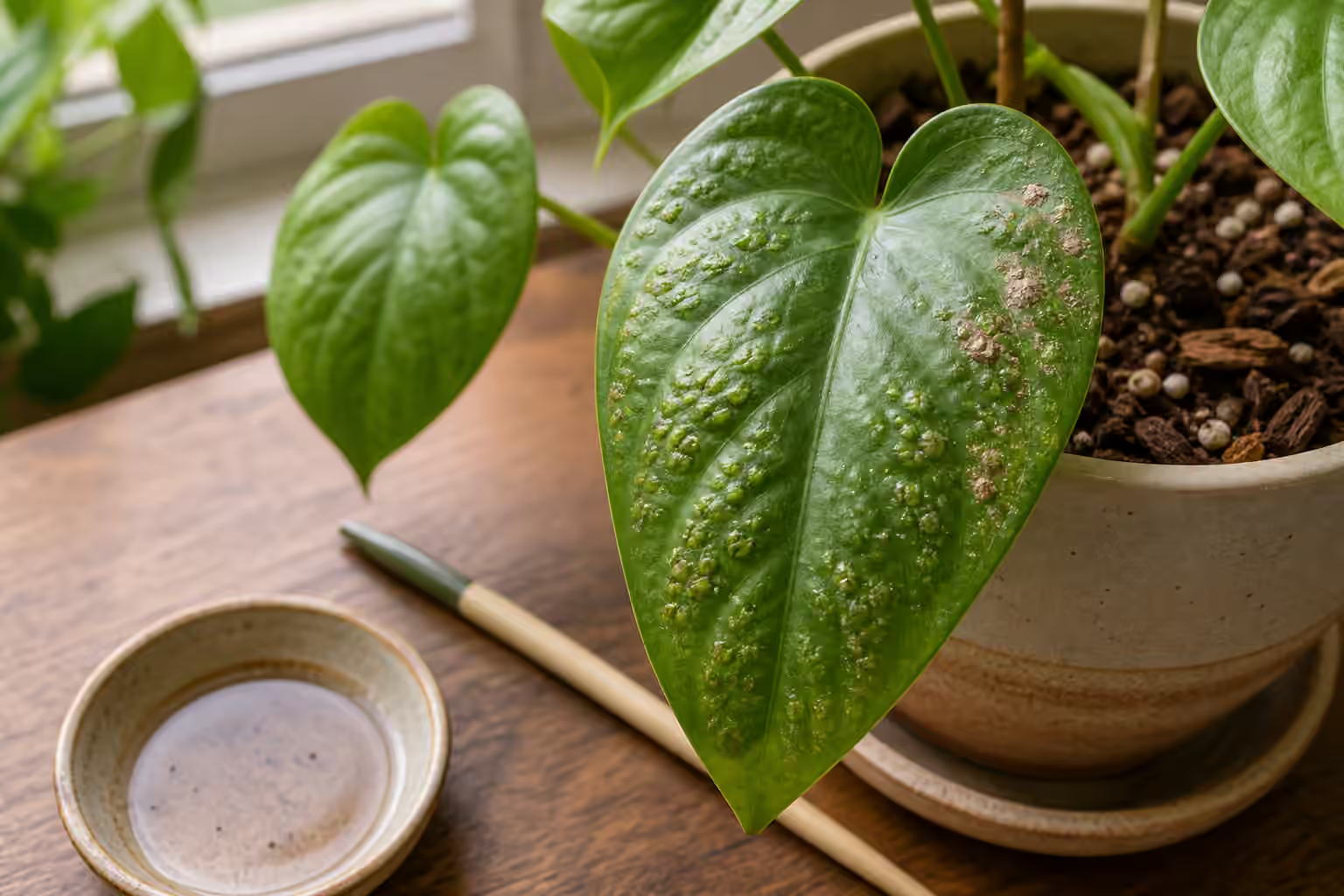
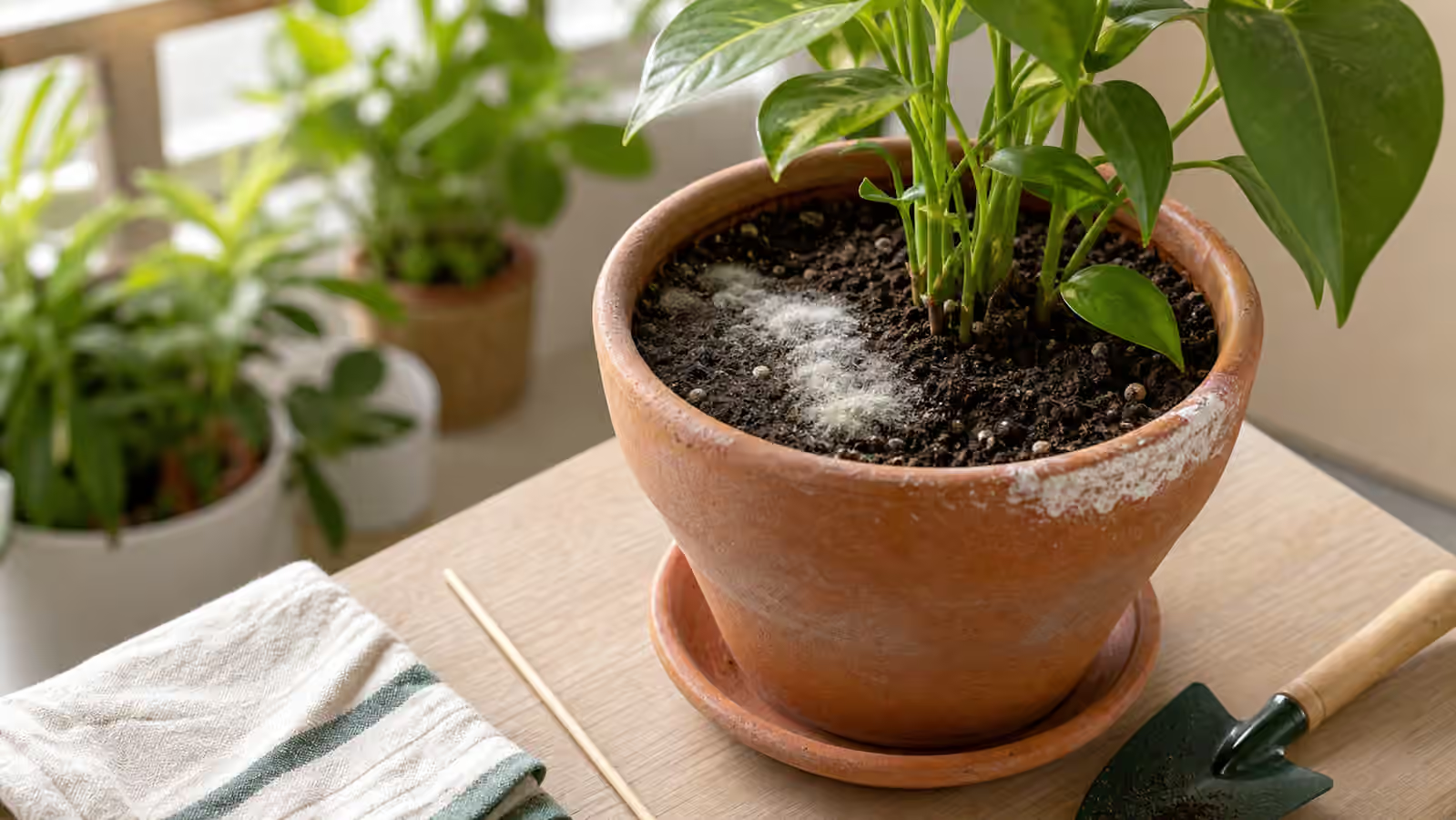
Look closely before touching anything. White or pale gray fuzz that sits on the top layer often belongs to the surface environment rather than the plant itself. Green film usually points toward light hitting a damp surface, especially in clear nursery pots, glazed saucers, or consistently wet topsoil. Chalky white crust often behaves differently: it may look dry, gritty, or powdery and can come from dissolved minerals in water or fertilizer salts left behind as moisture evaporates. Those clues lead to different corrections, so treating every pale mark as the same problem can send you in the wrong direction.
Smell and texture matter, but they should be used gently. A normal potting mix can smell earthy. A stale, sour, swampy odor is more concerning because it suggests the pot is not drying in a healthy rhythm. Press the top layer lightly with a wooden skewer or spoon handle instead of digging aggressively with your fingers. If the top half inch is damp several days after watering and the pot still feels heavy, the surface growth is probably part of a larger slow-drying pattern. The guide to Moisture Meters, Fingers, and Pot Weight is useful here because it keeps the question grounded in the whole pot, not only the most visible patch.
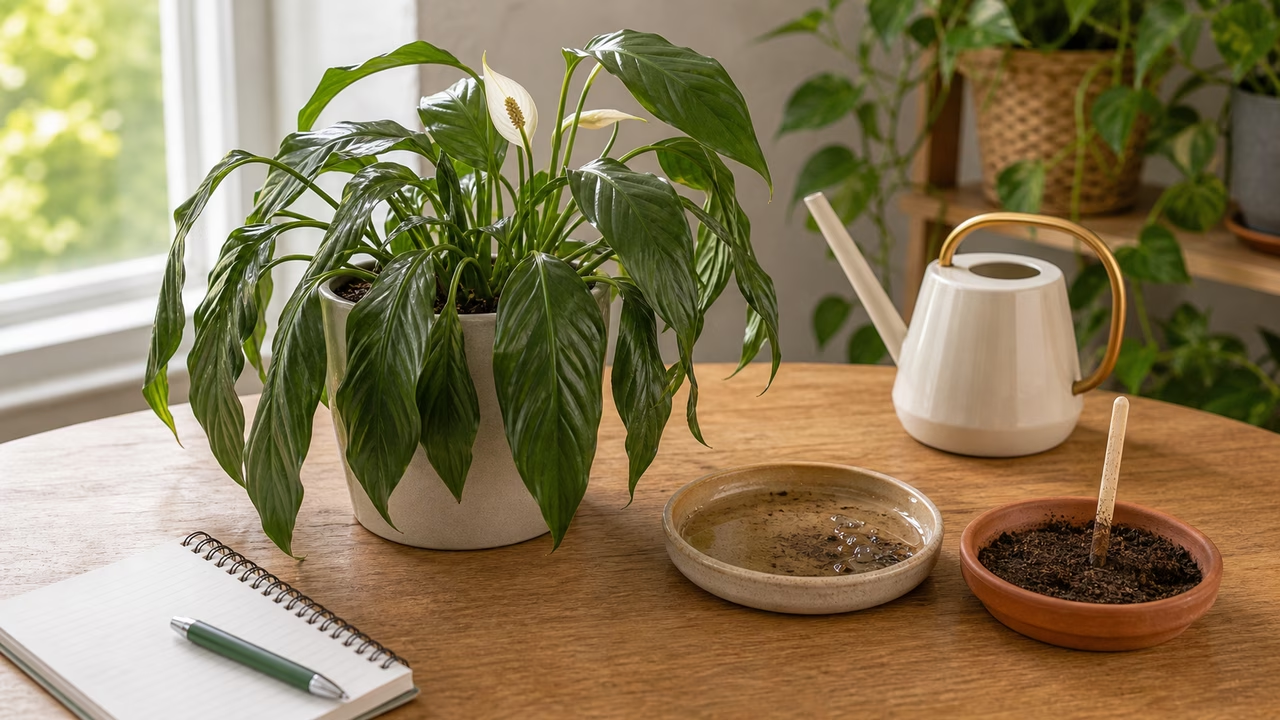
Also read the plant. Firm new growth, stable leaves, and a pot that dries predictably tell one story. Yellowing lower leaves, drooping despite wet soil, soft stems at the soil line, and a pot that never seems to lighten tell another. If the plant itself is declining, pair this guide with Overwatered vs Underwatered Houseplants and Root Rot Basics for Houseplants before assuming a surface scrape is enough.
Why Soil Surfaces Stay Damp
Most soil mold complaints begin with drying speed. A pot may be too large for the root system, the mix may be too fine, the room may be cool, the plant may be far from usable light, or the watering habit may be based on a calendar instead of the pot. A plant in low light uses water slowly because photosynthesis is limited. A decorative cachepot with hidden runoff keeps the bottom layer wet even when the top looks only mildly damp. A dense peat-heavy mix can look neat in the bag and then behave like a sponge indoors.
This is why the calm correction is usually environmental rather than dramatic. Let the pot dry to an appropriate depth for that plant before watering again. Empty saucers and cachepots after drainage. Move the plant into brighter suitable light if the current spot is dim. If the pot is oversized, wait for a stable moment and consider a better match between root ball, pot size, and mix. Stop Watering Houseplants on a Schedule , Drainage Holes and Cachepots Explained , and Pot Size and Plant Stability all sit near this problem because a fuzzy surface is often the visible edge of an ordinary setup mismatch.
Airflow helps, but it is not a substitute for correct watering. A crowded shelf with leaves pressed together, pots touching, and little space above the soil can keep the surface humid. Moving the plant a few inches forward, spacing pots apart, or cleaning fallen leaves from the mix can make the surface less inviting to growth. A fan across a room can help air feel less stagnant, but blasting a stressed plant with moving air can dry leaves while the root zone remains wet. The target is a room where soil and leaves dry at a normal pace, not a harsh correction that creates a new symptom.
Scraping Is A Small Step, Not The Cure
It is reasonable to remove a light surface patch when the plant is otherwise stable. Use a spoon or small trowel to lift the affected top layer, replace it with a small amount of fresh appropriate mix if needed, and keep the next watering restrained. That act makes the pot cleaner and easier to observe. It does not solve the cause if the pot still sits wet, the cachepot still holds runoff, or the plant still lives in a dark corner.
Avoid turning a surface patch into a chemical project. Household cleaners, scented sprays, oils, vinegar, cinnamon piles, and improvised disinfecting routines can injure roots, alter the soil surface, or create residue that makes the next observation harder. If a labeled plant treatment is ever considered, the label matters, and the problem should be correctly identified first. For an ordinary indoor plant pot, a better first response is usually to remove dead leaves, improve drainage behavior, let the mix dry appropriately, and watch whether the growth returns.
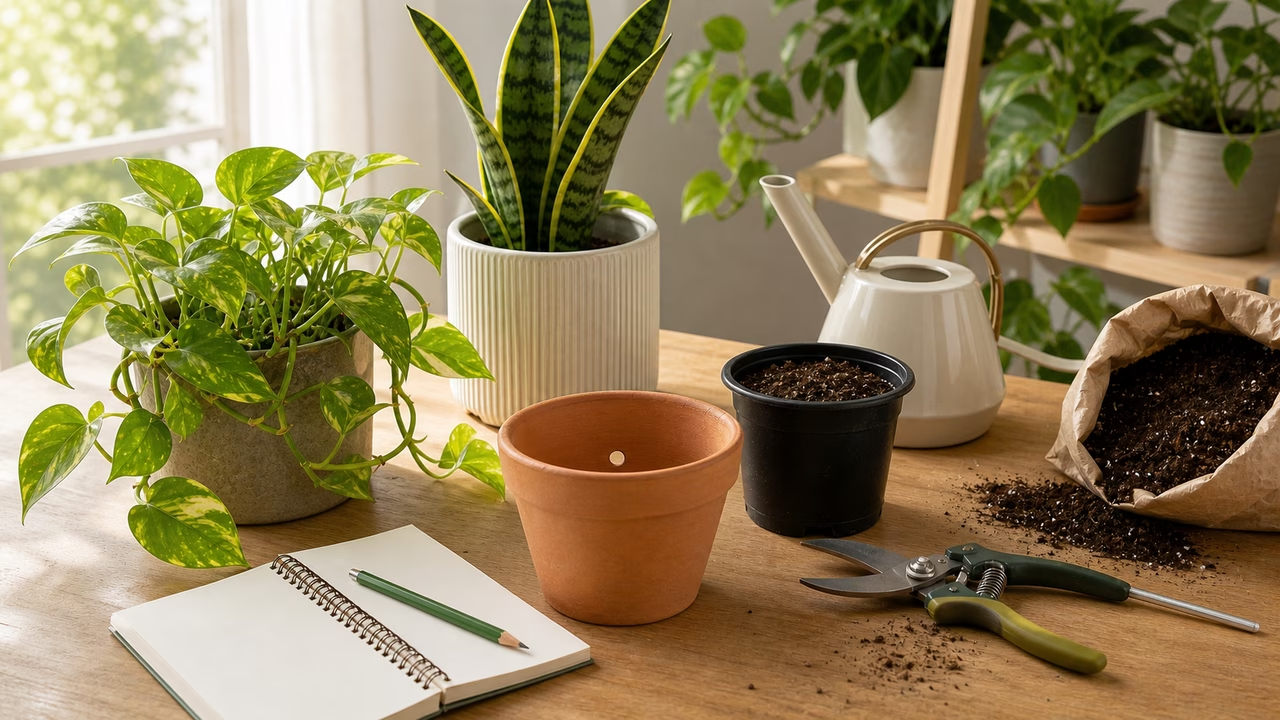
Repotting belongs later unless the evidence points to the root ball. Pulling a stressed plant apart because of a small surface patch can create more trouble than the patch itself. Repot when the mix has collapsed, the pot smells sour, roots are compromised, the plant is root-bound and drying oddly, or the container setup is clearly wrong. When to Repot a Houseplant and Repotting Without Panic can help you decide whether the timing supports that much disturbance.
Mineral Crust Is A Different Conversation
Chalky crust at the pot rim or soil surface often comes from what water leaves behind. Tap water can contain dissolved minerals. Fertilizer can leave salts when used too heavily or when the pot is never flushed by thorough drainage. Terracotta pots can show pale deposits on the outside because water evaporates through the clay and leaves minerals behind. This residue may look alarming beside fuzzy growth, but it is not the same thing.
If the plant has brown tips, stalled growth, or a heavy crust that keeps returning, think about water and fertilizer habits. Watering in tiny sips can wet the surface while leaving residues in place. Fertilizing a plant that is not actively growing can add salts the plant is not using. A pot without drainage traps the whole problem. Water Quality for Houseplants and Fertilizer Without Guesswork give this side of the issue more room than a mold guide should.
The fix for crust is still measured. You can brush a dry rim gently, remove the worst of a crusted top layer, and water thoroughly only when the plant actually needs water, letting excess drain away. You can reduce fertilizer strength or frequency when growth is slow. You can switch water sources for a sensitive plant if the evidence points that way. What you should not do is chase every pale mark with a new additive. The pot is already telling you that too much residue and too little drainage clarity are part of the story.
Watch For Pests And Decay
Soil-surface growth often travels with other clues. Fungus gnats like damp organic surfaces, so a fuzzy pot that also has small flies hovering around the soil needs pest monitoring. Sticky traps can show activity, but they do not replace the moisture correction. Fungus Gnats on Houseplants is the natural next guide if the soil surface problem comes with movement near the pot.
Dead leaves on top of the soil deserve attention too. They create a small compost layer indoors, especially when they sit damp under the canopy. Remove fallen leaves, old flowers, rotten stakes, decorative moss that stays wet, and any debris that keeps the top layer shaded and moist. Decorative top dressings can look tidy, but they can also hide moisture and make inspection harder. A beginner clinic works better when the soil surface is readable.
New plants deserve a slower read. A plant from a greenhouse, shop, or shipping box may arrive with damp mix, old leaves tucked into the pot, or a surface that behaves differently from your home routine. Use New Plant Quarantine Checklist before combining that pot with the rest of your collection. Quarantine is not only about insects. It gives you time to learn how the pot dries, whether surface growth returns, and whether the plant was already carrying a root or soil issue.
When To Stop Casual Troubleshooting
Stop treating this as a simple houseplant task when the concern leaves the pot. Growth on walls, floors, window frames, furniture, baskets, carpets, or ventilation surfaces is not a plant-care problem. Strong odors, visible spread beyond the container, severe allergies, respiratory symptoms, pet chewing, pesticide exposure, or unsafe disposal questions belong with qualified help. The same boundary applies when a plant is heavily infested, rotting badly, or not worth the ongoing risk to nearby plants.
For a minor pot-only issue, the next week should be quiet. Remove the surface patch if it is light, clean away debris, confirm that water can drain, let the pot dry by condition rather than habit, and improve placement if the room is dim or crowded. Then watch the plant, the pot weight, and the returning surface. If the top stays cleaner and the plant remains steady, the correction was enough. If the growth returns quickly, the pot is still holding too much moisture at the surface, and the setup deserves another careful read rather than a louder reaction.