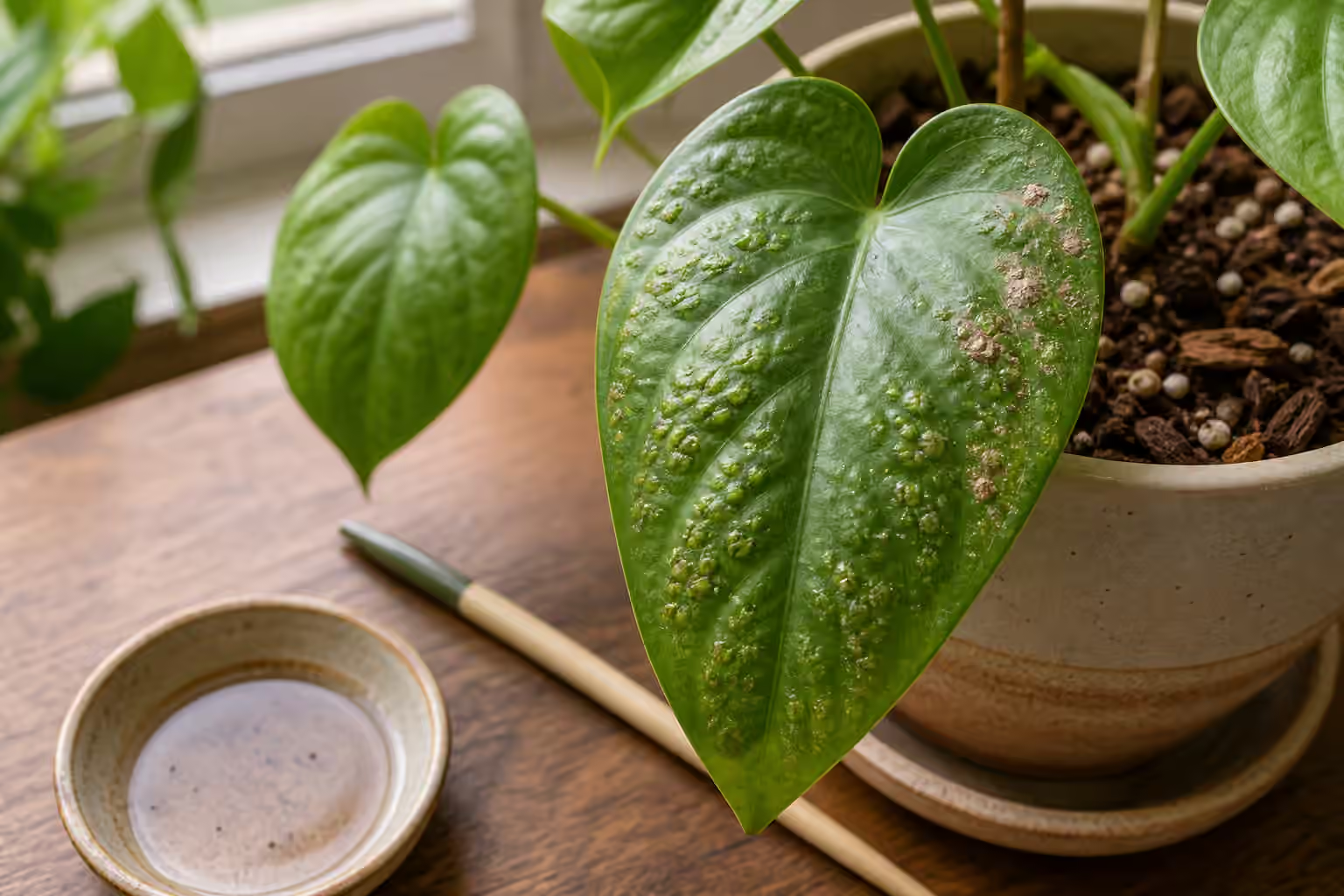
Leaf edema is one of the stranger houseplant problems because it looks like a surface issue but often begins with water balance. A leaf may show tiny raised bumps, pale blister-like marks, corky patches, or rough speckling, especially on plants with thick or succulent leaves. It can be mistaken for pests, disease, mineral residue, or mechanical damage. The useful response is to slow down, inspect the pattern, and ask why the plant may be taking up water faster than the leaves can use or release it.
Recognize The Pattern Before Treating
Edema-like marks are usually part of the leaf tissue rather than something sitting on top of it. They may feel raised, rough, corky, or slightly blistered. On some leaves they appear pale at first and later turn tan, brown, or cork-colored. The marks often do not wipe off. They may appear on the underside of leaves, along veins, or in scattered patches. Older damaged tissue will not become smooth again, so the goal is to prevent new marks rather than polish old ones away.
That pattern is different from dust, hard-water spots, honeydew, webbing, or insects. Dust wipes away. Mineral spots often sit on the surface and follow splash patterns. Pest damage may come with moving specks, sticky residue, black dots, webbing, or distorted new growth. Leaf spot problems may spread with wet-looking or sunken tissue. If you are unsure, inspect under bright light with a hand lens and compare the plant with Spots, Speckles, and Marks on Leaves before reaching for a treatment product.
Edema is also not a moral judgment on the plant owner. It often appears when several ordinary conditions overlap: moist roots, low light, cool temperatures, still air, a pot that dries slowly, or a plant that was watered heavily before a cloudy stretch. The plant takes up water, but the leaves cannot process and transpire it at the same pace. Some cells are damaged, and the surface later shows the record.
Look At Water And Light Together
Water is usually part of the story, but watering alone rarely explains everything. A plant watered the same way in bright warm conditions may be fine, then develop edema-like marks when days become darker, the room cools, or the pot is moved away from a window. The amount of water did not change, but the plant’s ability to use it did. That is why the first correction is often a better match between watering and light.
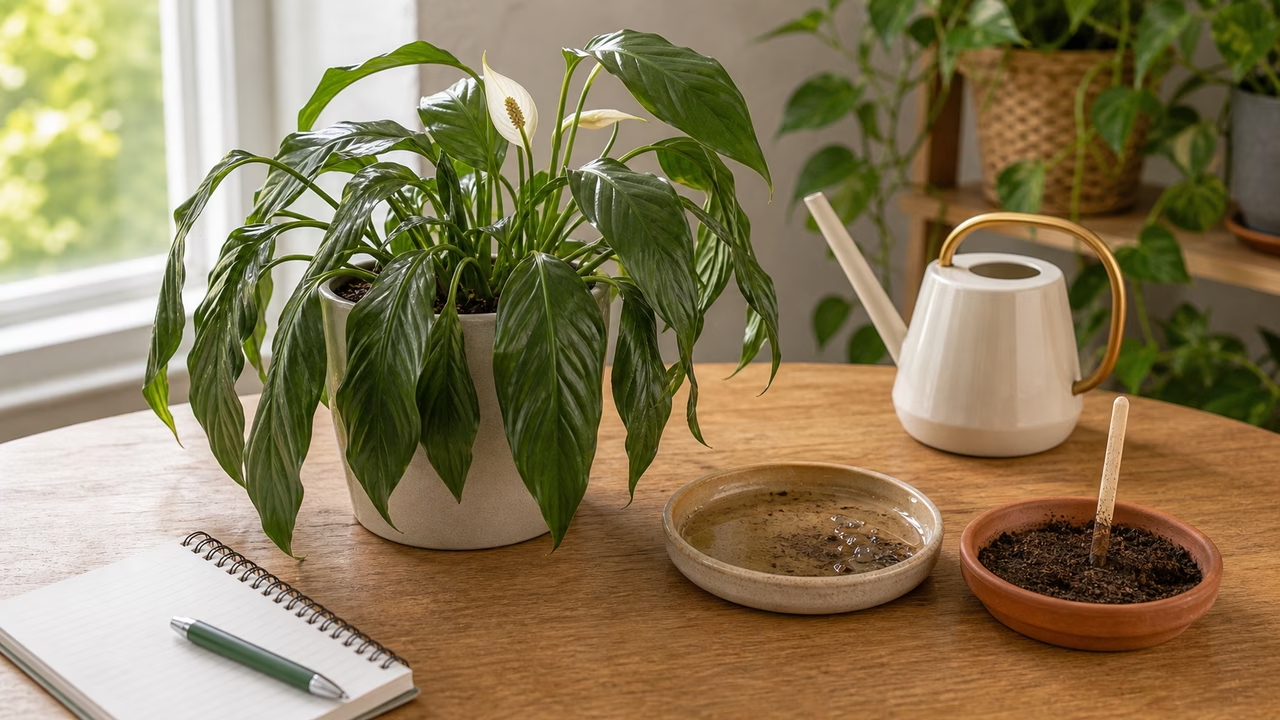
Check how long the pot stays heavy after a thorough watering. If it remains wet for many days, the plant may be receiving more water than the current light and airflow can support. Move the plant into brighter indirect light if the species can handle it, and wait longer between waterings. Do not punish the plant by letting it collapse completely dry. Aim for a clearer wet-dry rhythm where roots receive water and then regain air.
The guide Stop Watering Houseplants on a Schedule is especially important here. A weekly watering habit can work for a while and fail when the room changes. Pot weight, deeper moisture checks, and the plant’s current growth tell a better story than the calendar. If the plant is in low light, edema-like marks are one reason to improve the placement before blaming the leaf surface.
Check The Pot, Mix, And Drainage Path
A pot that drains poorly can keep roots too wet even when the owner thinks the routine is careful. Decorative cachepots can hide standing water. Dense potting mix can stay saturated below a dry-looking top layer. A large pot around a small root ball can hold moisture the plant cannot use quickly. These are ordinary setup problems, and they matter more than the label on the plant.
After watering, make sure excess water actually leaves the pot and is emptied from the saucer or cachepot. If water pools under the inner pot, the bottom of the root ball may remain wet long after the top feels fine. If the mix has compacted, water may move unevenly, leaving some areas wet and others dry. Drainage Holes and Cachepots Explained and Potting Mix for Houseplants are good next reads when edema appears with a slow-drying pot.
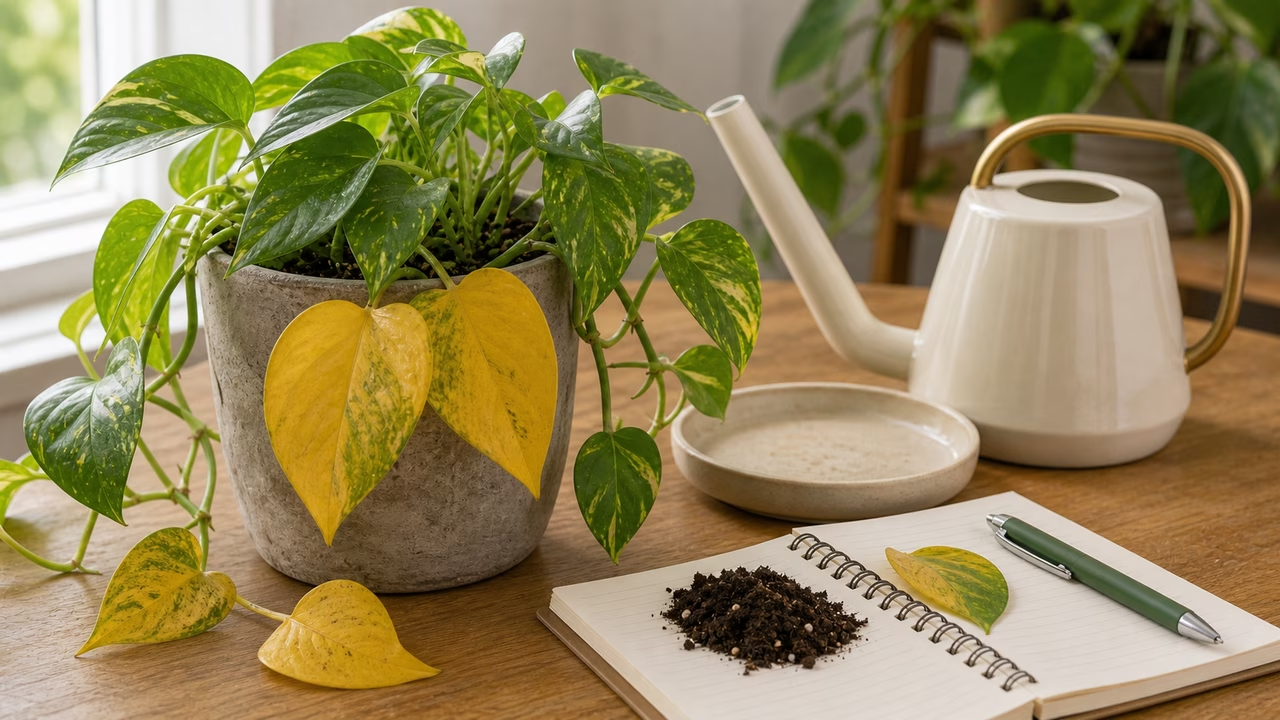
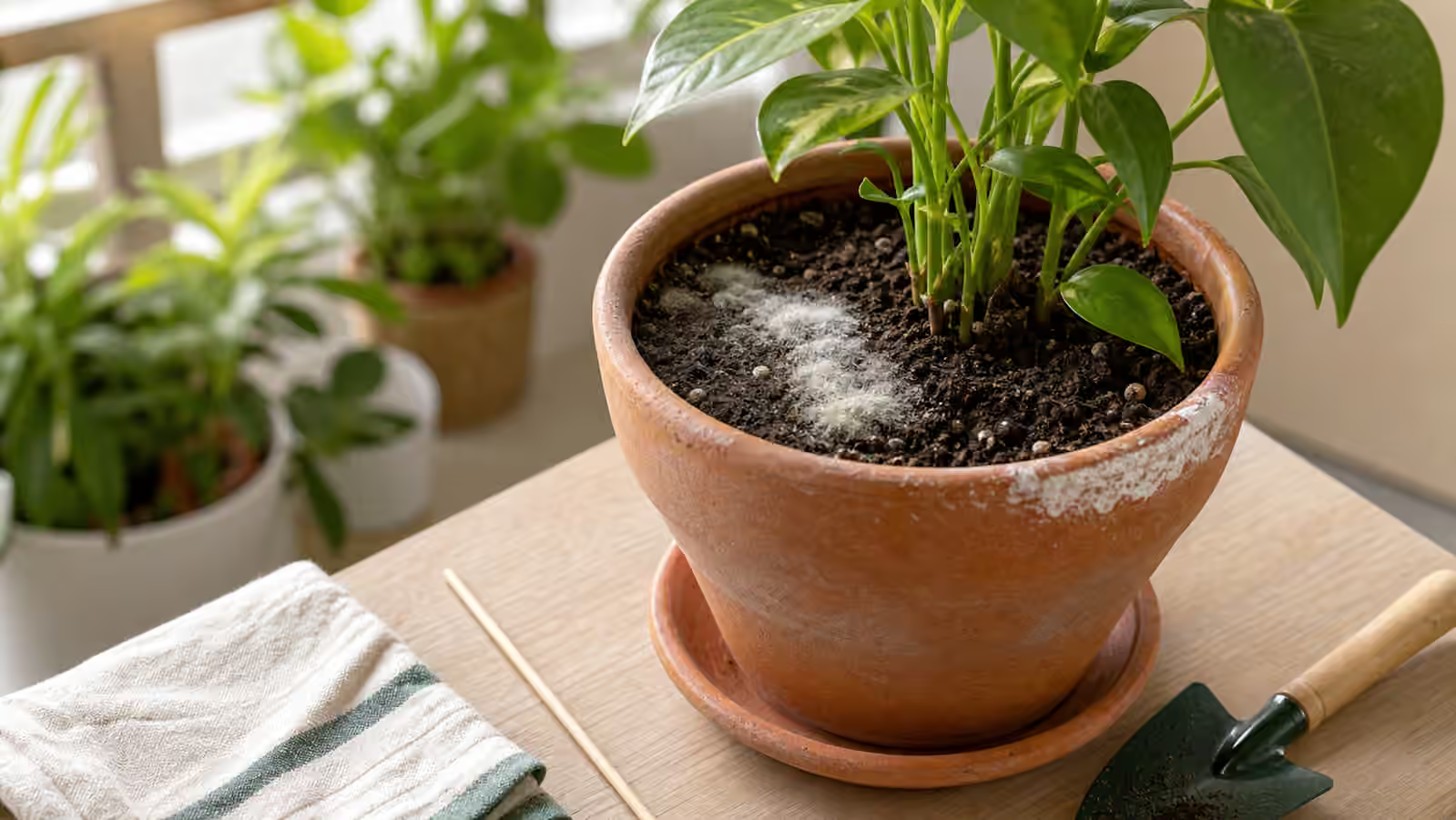
Do not rush into a dramatic repot if the plant is otherwise stable. A plant with a few old marks and a pot that can be corrected by watering less often may not need root disturbance. Repotting becomes more reasonable when the mix is sour, collapsed, waterlogged, hydrophobic, or much too large for the root system. If roots smell bad, leaves yellow broadly, or stems soften, the problem has moved beyond cosmetic edema and into root health.
Improve Airflow Without Creating Draft Stress
Leaves release water through transpiration, and still damp air can slow that process. This does not mean a houseplant needs a fan blasting at it. It means the plant should not be trapped in a cold, crowded, stagnant corner where the pot stays wet and leaves remain still. Gentle room air, space between plants, and a placement away from cold glass can help the water balance.
Temperature matters because cool roots and cool leaves use water more slowly. A plant on a winter windowsill may receive enough light during the day but still sit in a cold pocket at night. A plant near an air conditioner may be both chilled and inconsistently watered. A plant above a heat vent may dry leaves while the pot remains damp below. Temperature, Drafts, and Heat Vents helps connect these room clues to leaf symptoms.
Crowding also makes inspection harder. If leaves overlap tightly, old marks can be missed until they seem sudden. Pests can hide in the same spaces. Pull the plant forward when you water, inspect both sides of leaves, and give it enough room that air and light reach the canopy. The change does not need to be dramatic. A few inches of space can make the plant easier to read.
Judge Recovery By New Leaves
The existing marks are not going to disappear. Corky tissue remains corky, and blistered areas may age into tan scars. That can be frustrating, but it also makes validation simple: watch the next leaves. If new growth is clean after you improve the watering rhythm, light, drainage, and airflow, the plant is responding. If each new leaf develops marks, the imbalance is still present or the original diagnosis was incomplete.
Keep notes for a month. Record where the plant sits, when you water, how heavy the pot feels afterward, and whether new marks appear on new or old leaves. This prevents the common mistake of treating the same old scars again and again. A photo can be useful because it shows whether a mark is actually spreading or only becoming more visible as tissue ages.
If you see moving pests, sticky residue, spreading wet lesions, severe leaf collapse, or signs of root rot, shift the investigation. Edema is one possible explanation for raised or corky marks, not a universal answer. A calm plant clinic habit is to let the evidence choose the next step. When water balance is truly the issue, the cure is usually less dramatic than the symptom: more usable light, less frequent watering, clearer drainage, gentle airflow, and patience for better leaves.