Succulents are often sold as easy plants, but indoors they are easy only when the room gives them what they were built to use. Thick leaves and stems store water. That storage helps them survive dry stretches, but it also means they can decline quietly when they sit in dim light and wet mix. The most common indoor mistake is treating a succulent like a small tropical foliage plant because the pot looks cute on a shelf.
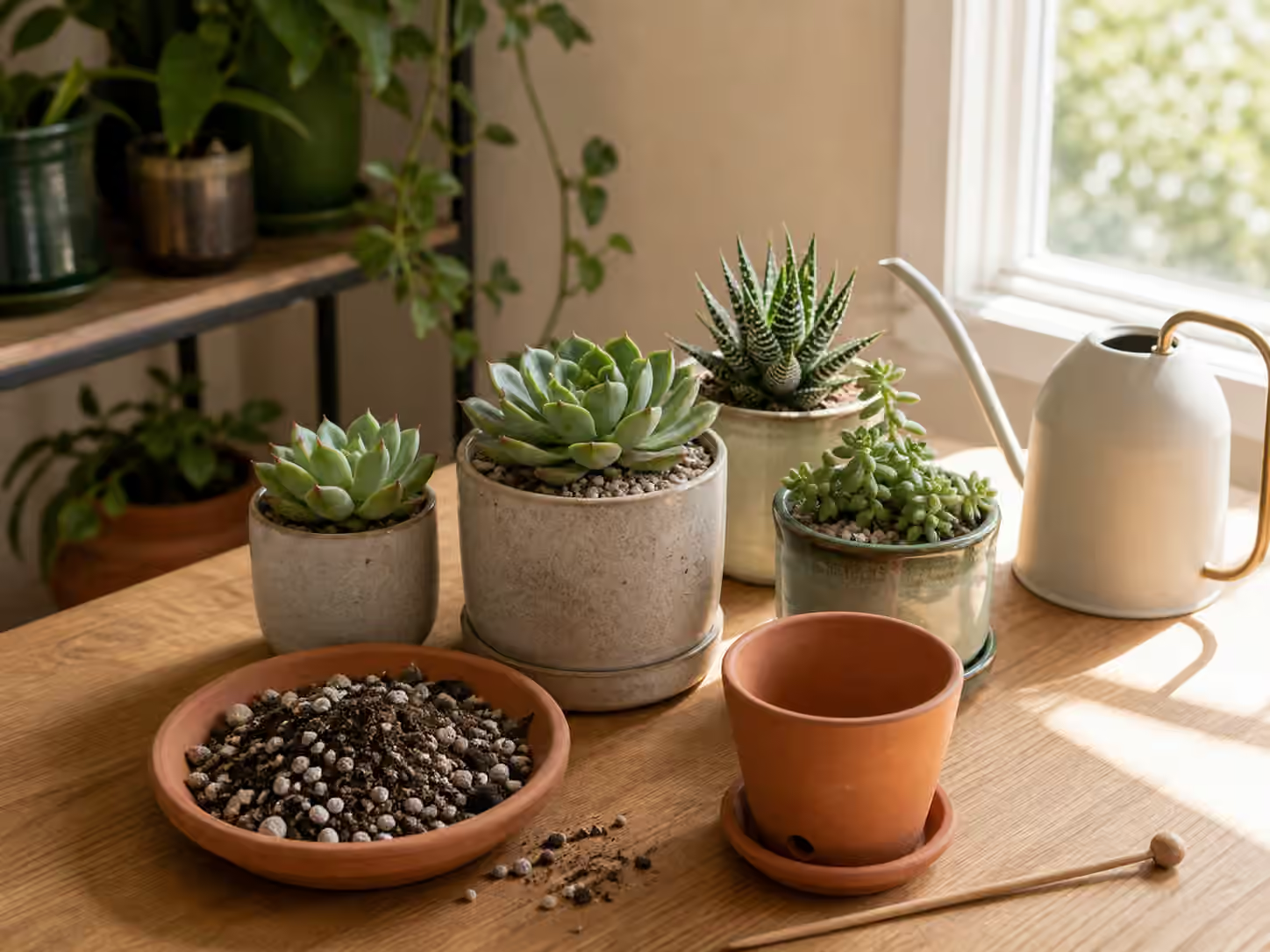
The phrase succulent covers many different plants, from echeverias and haworthias to jade plants, aloes, holiday cacti, and string-of-pearls relatives. They do not all want identical care, but most indoor failures come from the same narrow set of problems: too little light, too much water, dense soil, pots without drainage, and rescue watering after the plant has already lost roots. A good clinic routine starts with those basics before chasing rare explanations.
Light Is The First Watering Tool
Succulents need enough light to use water. In a dim room, the pot can stay damp long after watering because growth is slow and evaporation is weak. The plant may stretch toward the window, lose compact shape, drop lower leaves, or fade into a dull green. Watering less often helps, but it cannot fully replace light. A succulent kept far from glass may survive for a while and still slowly decline.
A bright window is usually the starting point indoors. South and west windows can be useful, but they can also scorch plants that were grown under softer nursery conditions. East windows may suit some plants better, while very low-light windows may not be enough. Move gradually when increasing light. Sudden hot sun on a plant that lived on a store shelf can burn leaves before the plant adapts. Sunburn and Scorched Houseplant Leaves explains that pattern beyond succulents.
If natural light is weak, a grow light can help only if it is close and strong enough to matter. A small decorative lamp across the room will not keep an echeveria compact. The plant should be close enough to receive usable light without overheating, and the setup should still be safe to water. Grow Lights for Houseplants is worth reading before buying a light because distance and coverage matter more than hopeful packaging.
Water Deeply, Then Let The Pot Dry
Succulents generally prefer a full watering followed by a real drying period. A few drops every couple of days keeps the surface busy while the deeper roots may remain confused, dry, or stale. When the plant needs water, water the mix thoroughly and let excess drain away. Then wait until the pot is appropriately dry before watering again. The interval will change with light, season, pot size, plant type, and room temperature.
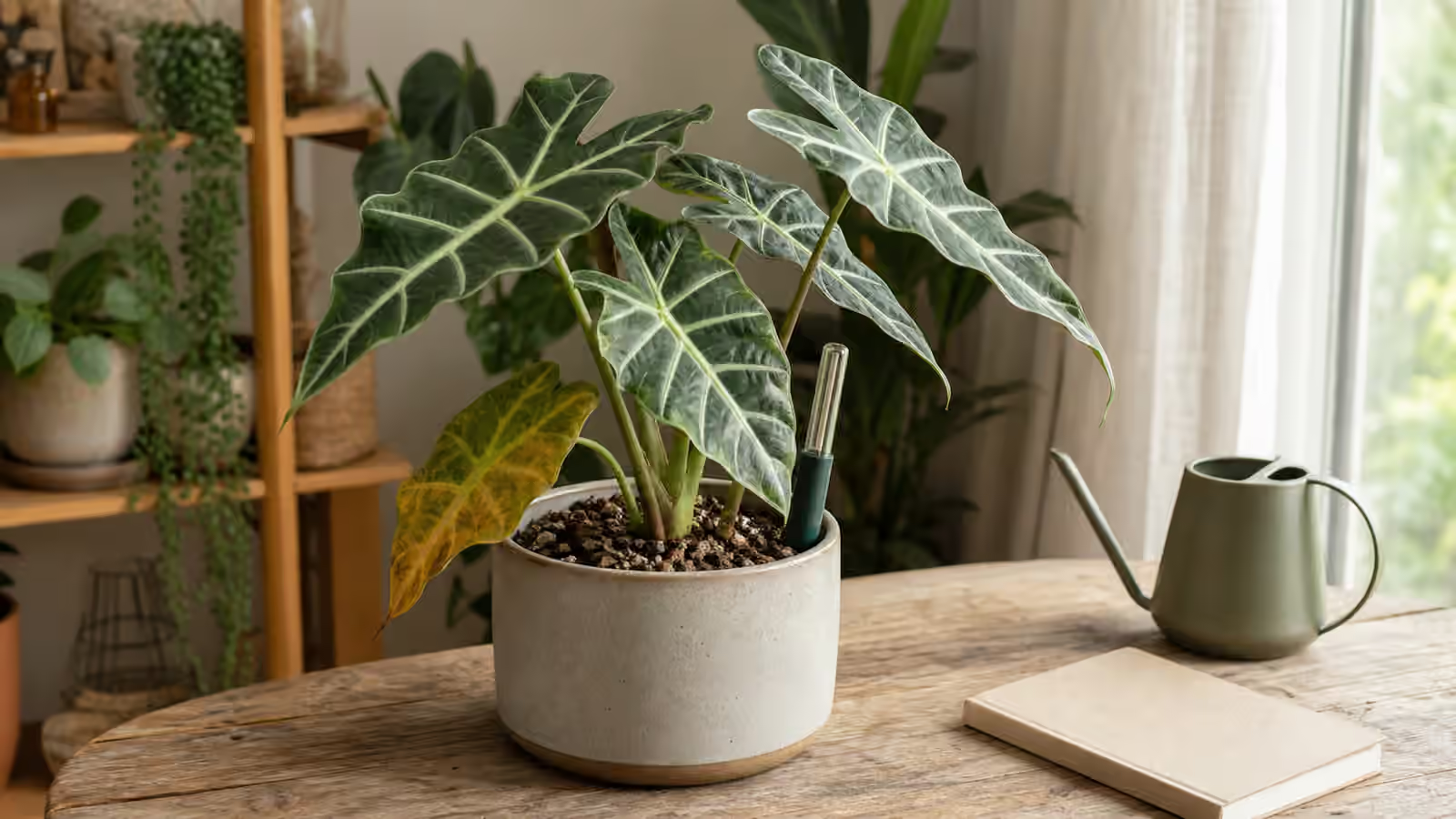
The leaves can help, but they are not the only test. Some succulents wrinkle slightly when thirsty. Some lower leaves naturally dry as the plant grows. Some leaves turn translucent, soft, or yellow when overwatered. A plant can also look wrinkled after root loss because damaged roots cannot take up water even when the soil is wet. That is why pot condition matters. If the mix is wet and the leaves are collapsing, more water is not the answer.
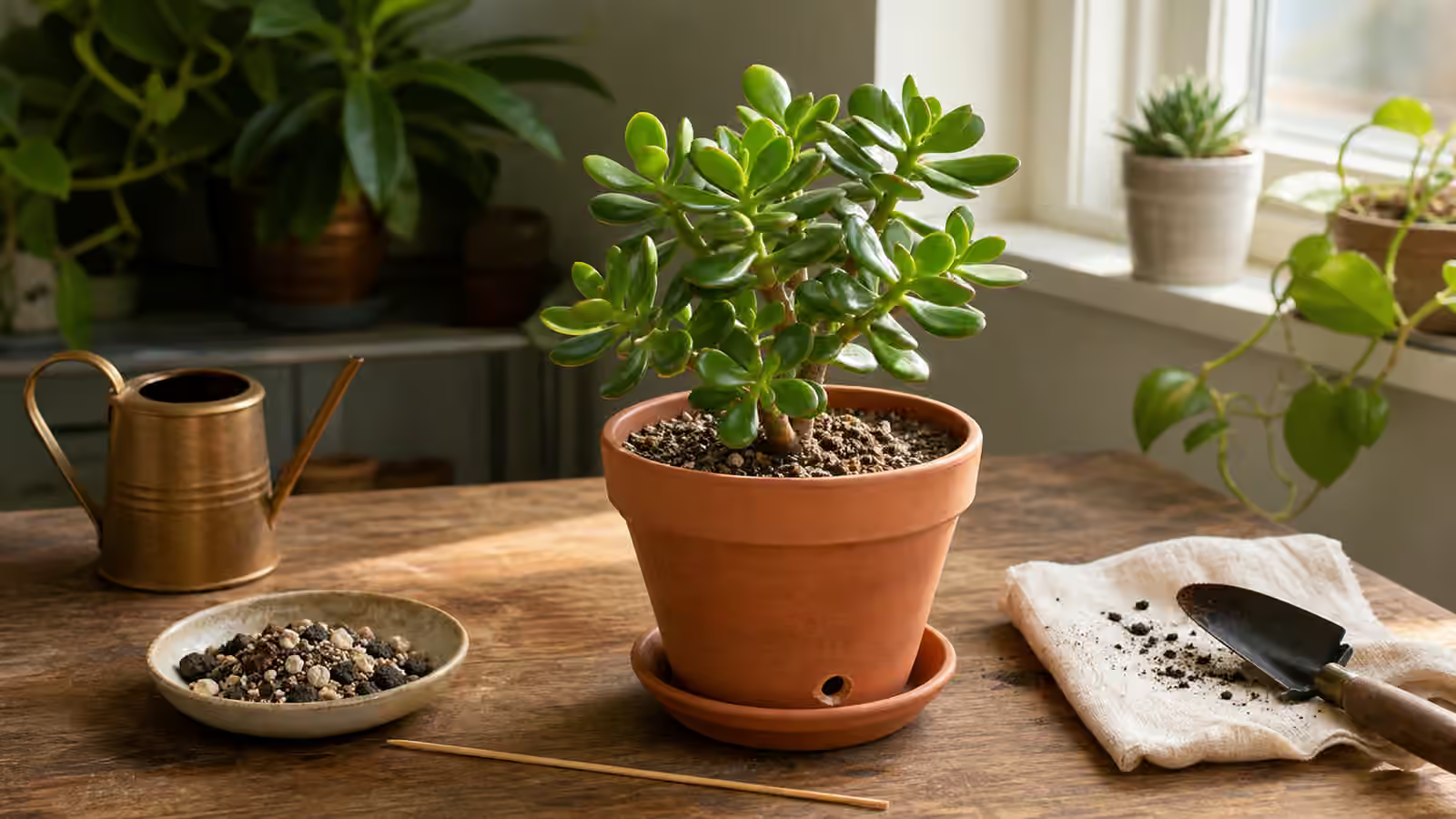
Use the pot as evidence. A small terracotta pot in bright sun may dry quickly. A glazed pot in a cool room may stay wet for weeks. A drainage hole matters because trapped water removes the dry-down period succulents depend on. If the container is decorative and closed, keep the plant in a nursery pot inside it and remove the inner pot to water and drain. Drainage Holes and Cachepots Explained is one of the most important succulent guides even though it is not written only for succulents.
Use A Mix That Does Not Behave Like A Sponge
Many succulents do better in a gritty, airy mix than in dense general potting soil. The mix should wet, drain, and dry without collapsing around the roots. Perlite, pumice, coarse sand sold for horticultural use, fine bark, and mineral particles can all play roles depending on the plant and local supplies. The goal is not a decorative bowl of rocks on top. The goal is a root zone that gives moisture and air in a rhythm the plant can use.
Top dressing can be misleading. A layer of pebbles may look dry while the soil below stays wet. It can also make it harder to see fungus gnats, fallen leaves, or surface mold. If you use a top dressing, keep it thin enough that inspection remains possible, and do not let appearance replace pot weight and depth checks. Mold on Houseplant Soil covers the broader issue of hidden wet surfaces.
Repotting a succulent from nursery soil should be timed with care. If the plant is new, inspect it, let it acclimate, and avoid soaking it repeatedly while it adjusts. If the nursery mix is extremely dense or the pot has poor drainage, a measured repot may be better than months of fighting the wrong setup. Acclimating a New Houseplant helps keep that first week calm.
Diagnose Decline Without Tugging Every Leaf
Overwatered succulents often show soft, translucent, yellowing, or mushy leaves, especially near the lower part of the plant. Stems may darken or collapse. The pot may smell stale or stay heavy. Underwatered succulents more often show wrinkling, thinning, or puckering while the pot is dry. Those are broad patterns, not fixed rules. The root system decides whether the plant can use water.
If a succulent is rotting, remove it from wet conditions and inspect the stem and roots. Firm healthy tissue can sometimes be rerooted, depending on the plant. Mushy tissue should be removed from the healthy plant area with clean tools, and unsafe or heavily decayed material should be discarded. Do not keep watering a rotting plant because the leaves look thirsty. That usually deepens the problem. When to Toss a Houseplant can help when saving one plant risks nearby pots.
Stretching is different from rot. A succulent reaching upward with long gaps between leaves is asking for more light, not less water alone. You can improve light and keep the plant alive, but the stretched section will not become compact again. Future growth can be better. Some plants can be cut and rerooted once conditions improve, but propagation should follow a stable setup rather than replace it. Houseplant Propagation Methods gives that decision more context.
Seasonal Restraint Matters
Many indoor succulents slow during darker or cooler months. That does not mean they should be abandoned, but it does mean the watering rhythm should stretch. A plant that dried quickly on a summer sill may sit damp much longer in winter. Fertilizer should also slow when growth slows. Feeding a plant that lacks light and active growth can leave salts in the mix and stress roots.
Summer can bring the opposite problem. A sunny window may become much hotter, and a small pot may dry faster than expected. The answer is still not a fixed schedule. It is observation: pot weight, leaf firmness, light intensity, and the time since the last full watering. Seasonal Light Changes for Houseplants helps connect the calendar to what the plant actually experiences.
The best indoor succulent care is plain. Give the plant as much suitable light as your room can safely provide. Use a pot and mix that dry clearly. Water fully when the plant needs it, then let the root zone breathe. Avoid rescuing every wrinkle with a splash and every slow month with fertilizer. Succulents are not easy because they need nothing. They are easy when you let their dry-storage design set the rhythm.