Indoor ferns have a reputation for being fussy because they object visibly when the room does not suit them. A pothos may tolerate a missed watering with little comment. A fern may respond with crisp tips, shed leaflets, or a tired gray cast. That sensitivity is not a demand for constant misting and daily rescue. It is a request for steadier conditions: useful light, evenly moist but breathable mix, moderate humidity, and protection from hot, dry, or cold air.
Choose Bright Filtered Light
Most common indoor ferns want enough light to keep replacing fronds, but they usually dislike hot direct sun on tender foliage. Bright filtered light near an east window, a bright bathroom with a real window, or a room set back from stronger glass can work better than a dark corner. In too little light, the pot may stay wet, new growth may weaken, and the plant may look thin. In too much direct sun, fronds can bleach, crisp, or collapse on the exposed side.
The phrase “low light fern” can mislead beginners. Some ferns tolerate lower light than sun-loving plants, but they still need usable light. A bathroom with no window is not bright because it feels humid. A shelf across a dim room may keep a fern alive for a while and still make watering difficult. If you are unsure, compare the space with How to Check Indoor Plant Light before changing fertilizer or pot size.
Seasonal light matters too. A fern that does well near winter glass may need protection when sun strengthens. A summer room shaded by trees may become brighter after leaves fall outdoors. Move the plant gradually and watch where damage appears. One scorched side tells a different story than an evenly tired plant.
Keep Moisture Even Without Suffocating Roots
Ferns often prefer a more consistent moisture rhythm than drought-tolerant houseplants. That does not mean swampy soil. Roots still need air. Let the surface begin to dry slightly, check the mix below it, and water before the whole root ball becomes hard and shrunken. When you do water, water thoroughly enough to refresh the root zone, then let excess drain away. A fern in a pot without drainage is much harder to manage because every watering becomes a guess.
The potting mix should hold moisture while staying open enough for air. Dense collapsed mix can keep roots wet and starved for oxygen. Very coarse or hydrophobic mix can shed water so quickly that the center stays dry. If water runs around the edge and the fern wilts anyway, the root ball may need slow rewetting or a future repot into a more balanced mix. Compacted and Hydrophobic Potting Mix is helpful when watering no longer seems to enter the pot properly.
Pot size changes the rhythm. A small fern in a warm bright room can dry quickly. A fern moved into a pot much larger than its roots may sit wet too long. Self-watering systems can work for some plants, but they should be matched to root health, light, and mix rather than used as a way to stop paying attention. The plant still needs observation.
Humidity Helps, Misting Is Not A Plan
Many ferns appreciate more humidity than a dry heated or air-conditioned room provides. The mistake is assuming that misting leaves once or twice a day creates a stable environment. The water disappears quickly, and in a cool or crowded space it can leave fronds damp without improving the room. Wet foliage plus stale air can create new problems while the root zone remains unchanged.
A steadier approach begins with placement. A bright bathroom or kitchen can help if it has real light and airflow. Grouping plants can create a slightly kinder microclimate, but they still need space for inspection and air movement. A humidifier can help when several plants need it and the room can handle the appliance responsibly. Keep reservoirs clean, protect surfaces, and avoid soaking walls, wood, outlets, curtains, and leaves. Houseplant Humidity Without Misting covers those tradeoffs in more detail.
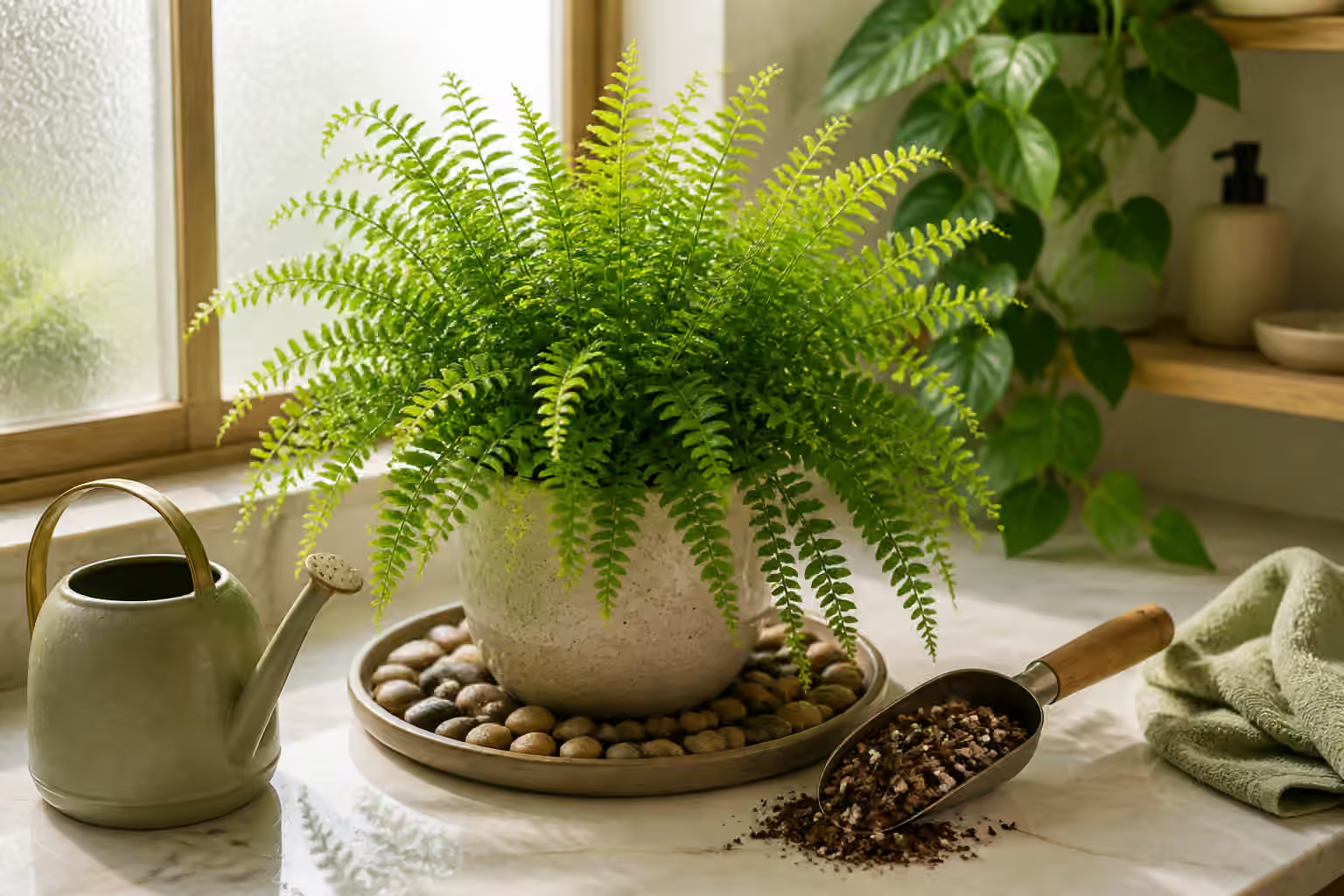
Pebble trays are modest tools. They can protect a surface and keep the pot above drained water, but they do not turn a dry room into a greenhouse. The pot should not sit in water unless the setup is designed for that and the plant is responding well. Hidden standing water under a fern is still standing water.
Read Crispy Fronds Carefully
Crispy fern fronds can come from underwatering, dry air, hot vents, direct sun, old frond age, or a root system that is too wet to function. That range is why the pot matters. A light pot with dry mix and crisp fronds points toward missed moisture. A heavy pot with crisping foliage points toward root stress, cold, low light, or stale conditions. The same symptom can come from opposite causes.
Look at where the crisping begins. Tips and outer edges may reflect dry air, uneven watering, salts, or old damage. Whole fronds collapsing after a missed watering can be a drought response. Pale patches on the window-facing side suggest sun or heat. Fronds yellowing from the base while the pot stays wet deserve a root and drainage check. Overwatered vs Underwatered Houseplants is useful because ferns make both mistakes look urgent.
Prune dead fronds cleanly near the base, but do not strip the plant for neatness. Partly green fronds still contribute energy. If the plant has declined badly, removing every imperfect frond may leave it with too little leaf surface to recover. Focus on improving conditions and watch for new growth. Ferns often show progress through fresh fronds emerging from the crown rather than by repairing damaged foliage.
Keep Air Moving Without Draft Stress
Ferns dislike extremes. Hot dry air from a vent can crisp fronds quickly. Cold drafts can damage tender growth. Stagnant damp corners can keep the surface wet and invite soil issues. The ideal is gentle room air, not a blast. Keep ferns away from heaters, air conditioners, frequently opened cold doors, and glass that becomes very hot or cold.
Air movement also affects pests and inspection. Dense fern foliage can hide scale, mites, or other small problems. It can also trap dropped leaflets and debris near the crown. During watering, take time to turn the pot, lift fronds gently, and look near the soil surface. If the plant is too crowded to inspect, the display is working against care.
A fern that thrives indoors is not being pampered every hour. It is placed where light, moisture, humidity, air, and pot size agree most of the time. That agreement is the quiet work. Once the setup is steady, fern care becomes less about emergency misting and more about watching the pot, trimming spent fronds, and protecting new growth from the few room conditions that ferns are right to dislike.