Hoyas can be wonderfully sturdy houseplants, but they are easy to misunderstand. Their thick leaves suggest drought tolerance, their vines suggest a fast trailing plant, and their flowers create expectations that a young indoor plant may not be ready to meet. A hoya is often happiest when treated as a bright-light, airy-rooted plant that prefers patience over fussing. It does not want to be soaked every time you admire it, and it does not want to be repotted every time a vine looks bare.
Give The Plant Enough Usable Light
Many hoyas tolerate ordinary indoor rooms, but stronger growth and flowering usually depend on bright light. Bright indirect light near a window, gentle morning sun, or filtered stronger light often suits common hoyas better than a dim shelf. In lower light, the plant may stay alive while producing long searching vines with fewer leaves, slower drying mix, and little reason to flower. The vine is not being difficult. It is looking for energy.
Direct sun should still be introduced carefully. Some hoyas handle a few hours of mild sun, while others scorch if moved suddenly from soft store light to hot glass. Watch leaf color and texture. Red or bronze stress coloring can be normal in brighter light for some plants, but bleaching, crisp patches, or heat-softened leaves mean the exposure is too much. Sunburn and Scorched Houseplant Leaves helps separate a light injury from general browning.
If you use grow lights, distance and duration matter. A hoya pressed too close to a strong light can stress, while a weak light across the room may do little. The plant’s response is more useful than the product description. New leaves, firmer vines, and a pot that dries at a predictable pace are good signs. If the plant remains stalled under a light, read Grow Lights for Houseplants before adding fertilizer.
Keep The Root Zone Airy
Hoya roots need moisture, but they also need air. Many common hoyas prefer a chunky, fast-draining mix rather than dense potting soil that stays wet around fine roots. Bark, perlite, pumice, coco chips, and similar structure can help, depending on what is available and how the room behaves. The exact recipe matters less than the result: water enters the root ball, drains clearly, and the mix does not remain stale for many days in the plant’s normal light.
A hoya in a tiny nursery pot may dry quickly, while a hoya in a large decorative pot may stay wet long enough to decline. Do not choose a much larger pot just because the vines are long. The root system may still be modest. A large volume of damp mix around a small root ball is one of the easier ways to turn a resilient plant into a problem. Pot Size and Plant Stability is especially relevant when a trailing or trellised hoya looks bigger above the soil than it is below.
Drainage holes matter. A cachepot can be useful if the nursery pot drains freely and excess water is emptied afterward. A sealed decorative container that holds water against the roots is a different setup. If you love a decorative pot, use it as an outer sleeve rather than as a hidden reservoir. The guide to Drainage Holes and Cachepots Explained covers this kind of arrangement more directly.
Water Less Often, But Water Well
The safest hoya habit is not tiny splashes. When the mix has dried enough for that plant and pot, water thoroughly, let excess drain, and then wait. Thick leaves and stems store some moisture, which means the plant can tolerate a dry interval better than a soggy one. That does not mean leaving the plant bone dry for months. It means checking the pot rather than following a calendar.
Use pot weight, a skewer, and leaf feel together. Leaves that are slightly more flexible than usual can suggest the plant is ready for water, but leaf feel varies by species and age. A skewer or finger can show whether the center is still damp. Pot weight teaches you the drying rhythm. If the plant is in a chunky mix, the top may dry quickly while the middle still holds enough moisture. Stop Watering Houseplants on a Schedule is the core habit here.
Overwatering symptoms can look vague at first. A hoya may yellow leaves, drop newer growth, soften near the base, or stop using water. If the pot stays heavy, do not answer by watering again. Check light, drainage, pot size, and root smell if the evidence points below the soil. Root problems are easier to prevent than to reverse, and hoyas often decline slowly enough that owners keep changing the wrong thing.
Support, Trail, Or Let The Vine Search
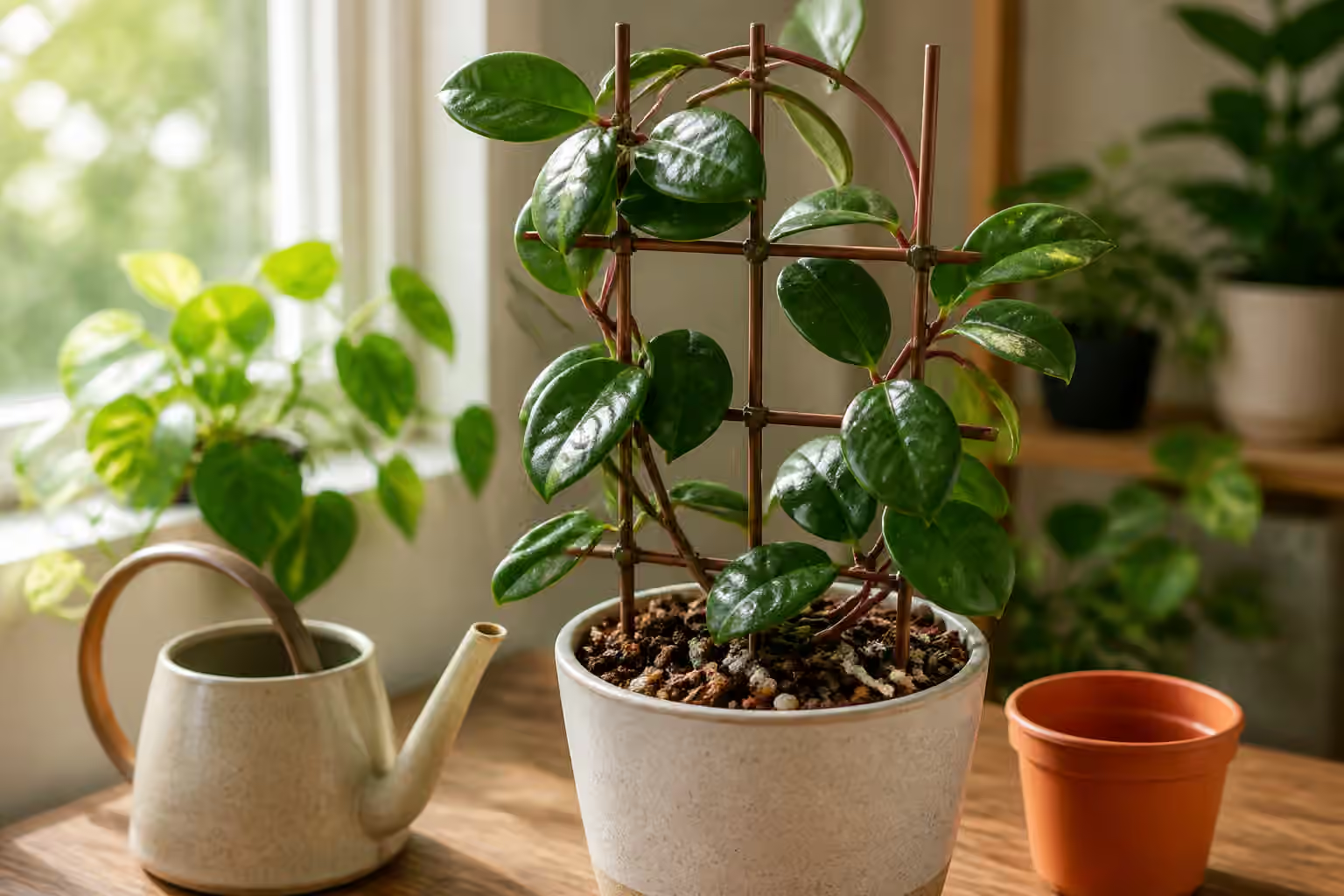
Hoyas can trail, climb, loop, or wander depending on the species and setup. A small trellis can keep vines organized and help leaves face light. A hanging pot can suit a trailing form. A shelf can work if the vines do not become tangled with other plants. The best shape is the one that lets you water, inspect, and move the plant without breaking stems.
Bare searching vines are normal on many hoyas. A vine may extend before leaves fill in. Cutting every bare vine because it looks awkward can remove the growth that would have produced leaves or flowers later. If a vine is healthy, flexible, and not in the way, give it time. If it is truly excessive or damaged, prune above a node and keep the plant in better light afterward. Supporting Climbing Houseplants gives a useful framework for deciding whether structure is helping or merely decorating.
Be gentle with old flowering spurs, often called peduncles. Some hoyas can bloom again from the same spur. Removing spent flower structures for neatness may reduce future blooms. That does not mean you must preserve every dry stem forever, but it does mean you should learn what flower spurs look like on your plant before pruning casually.
Be Patient About Flowers
Hoya flowers are a reward of maturity and conditions, not proof that the owner has earned a badge. A young cutting may need time. A plant in dim light may not have the energy. A plant that is repotted too often may keep rebuilding roots instead of settling. Temperature shifts, seasonal light, watering rhythm, and species differences all matter. The best beginner approach is to grow the plant well first and treat flowers as a later signal.
Fertilizer can support active growth, but it cannot create flowers from a stressed plant in poor light. Feed lightly only when the plant is growing and the root setup is sound. Too much fertilizer can leave salts in the mix and brown leaf edges. If flowering is the only reason you are feeding, pause and check whether the plant has enough light and stable roots first. Fertilizer Without Guesswork keeps that decision grounded.
Inspect hoyas carefully because pests can hide along stems, under leaves, and near nodes. Mealybugs are especially easy to miss on a waxy, vining plant until they settle into crevices. Isolate suspicious plants, confirm what you are seeing, and avoid spraying blindly. A hoya grows best when its care is boring in the right way: bright enough light, airy roots, complete but infrequent watering, patient support, and measured pruning. When those pieces line up, the plant can take its time without becoming a mystery.