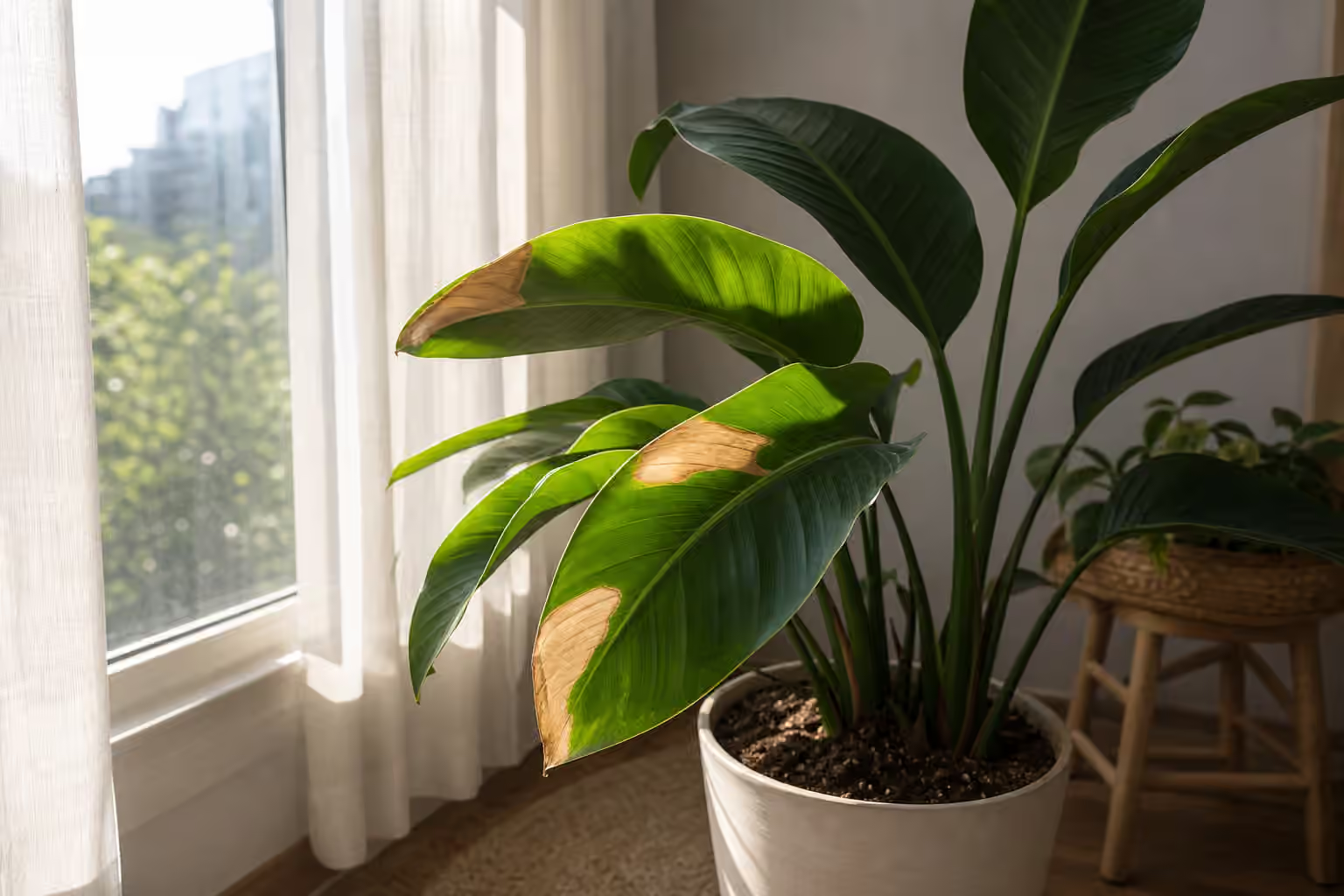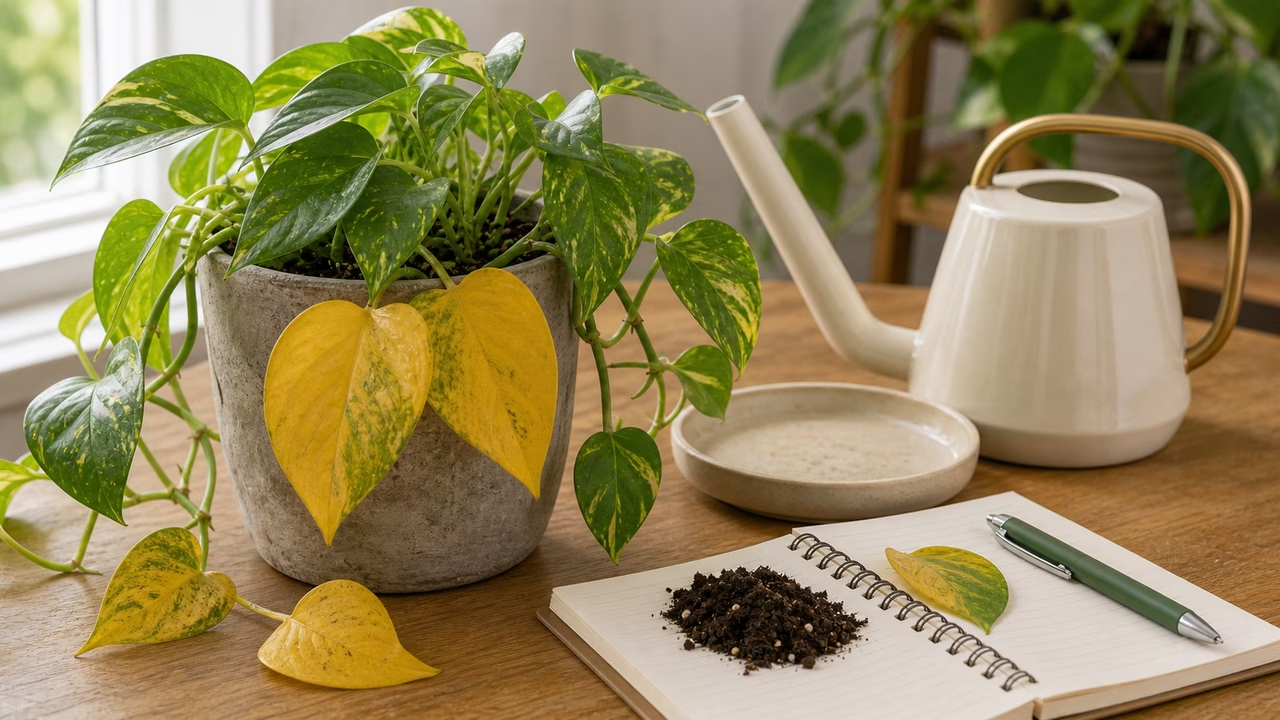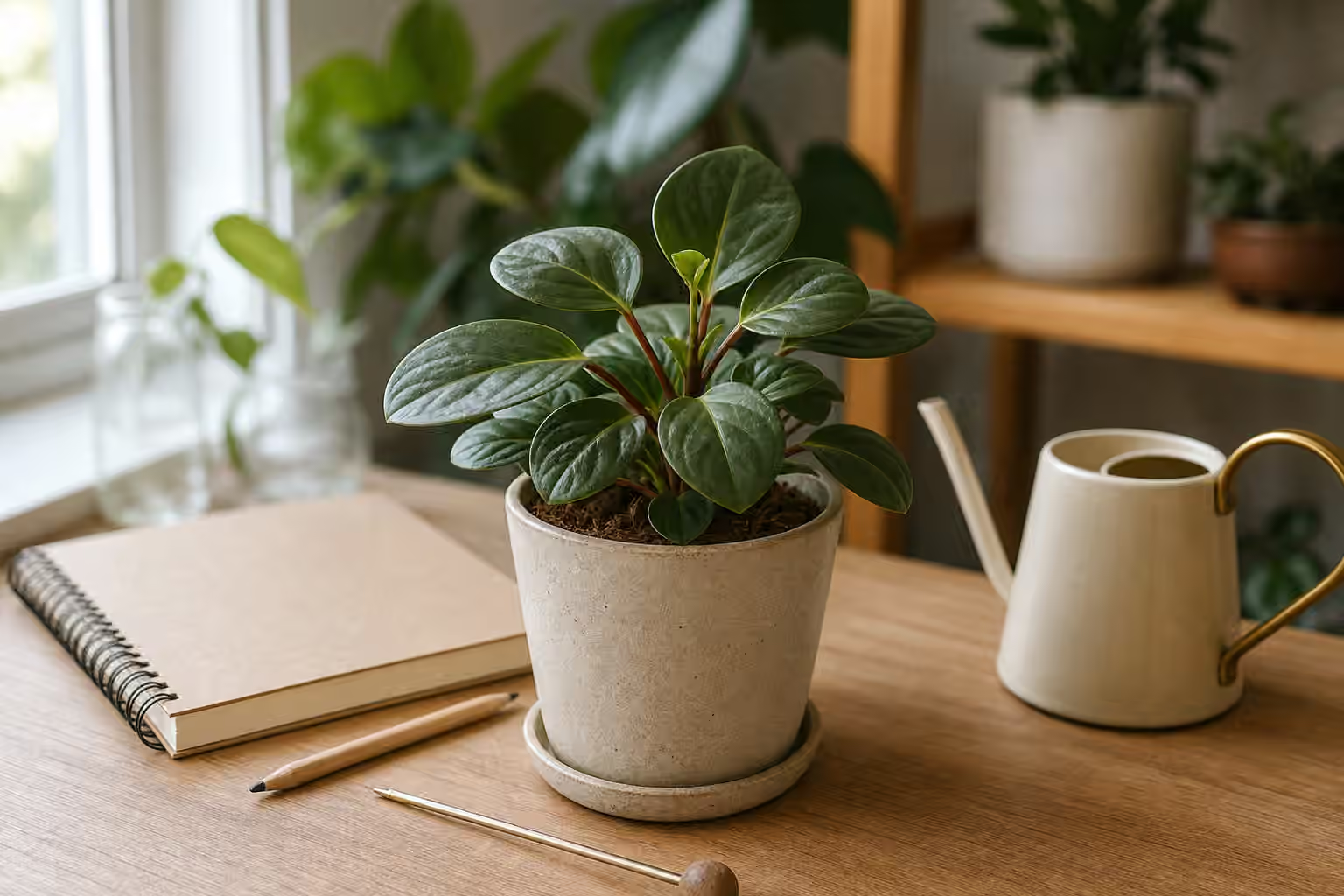
A houseplant that stops growing is harder to read than a houseplant with a dramatic yellow leaf. There may be no collapse, no pest swarm, and no obvious rot. The plant simply sits there. A new leaf stalls, vines stop lengthening, or a rosette holds the same shape for months. Stalled growth can be normal rest, a light problem, root stress, pot trouble, pest pressure, or a plant moving at its natural pace. The useful question is not “What product makes it grow?” It is “Which part of the setup is limiting growth right now?”
First Decide Whether The Pause Is Normal
Indoor plants do not grow at one constant speed. Many slow down when days are shorter, light is weaker, temperatures are cooler, or the plant has recently been moved. A newly purchased plant may pause while it adjusts to different light and watering. A recently repotted plant may spend energy rebuilding roots before producing leaves. A cutting may look inactive above the soil while it makes roots below. These pauses are not failure if the plant remains firm and stable.
Look for quiet health. Leaves should hold normal texture. Stems should be firm. The pot should dry at a reasonable pace. New buds may be small but not blackened or mushy. A plant that looks unchanged for a few weeks after a move can simply be settling. Acclimating a New Houseplant is a helpful reference because new owners often change too many variables before the plant has had time to answer.
Species pace matters too. A fast pothos in bright light can make a slow-growing plant look broken by comparison. A ZZ plant, snake plant, hoya, or succulent may grow in bursts rather than continuously. Comparing unlike plants creates false urgency. Compare the plant with its own previous behavior and with what the room provides.
Light Is Usually The First Limit
Growth requires energy, and indoor light is often weaker than it feels to human eyes. A plant in low light may stay green but stop producing new leaves. It may also use water slowly, making the pot stay wet and roots less active. Before adding fertilizer or moving to a larger pot, check whether the plant has enough usable light for growth.
Move beyond vague labels. “Bright room” may mean direct sun near one window and dim shade on a shelf ten feet away. Use shadows, window direction, distance from glass, seasonal changes, and plant response. If the plant leans, stretches, makes smaller leaves, or takes a long time to dry, light deserves attention. How to Check Indoor Plant Light and Bright Indirect Light Explained can help you test the actual spot.
Improve light gradually when needed. A plant stalled in a dim corner should not be moved straight into harsh afternoon sun. Shift it closer to a suitable window, use a sheer curtain if necessary, or consider a grow light when natural light is not enough. Then wait. New growth takes time, and old leaves may not change much. The first sign of success may be a firmer new leaf or a pot that begins drying more predictably.
Roots Decide What The Top Can Do
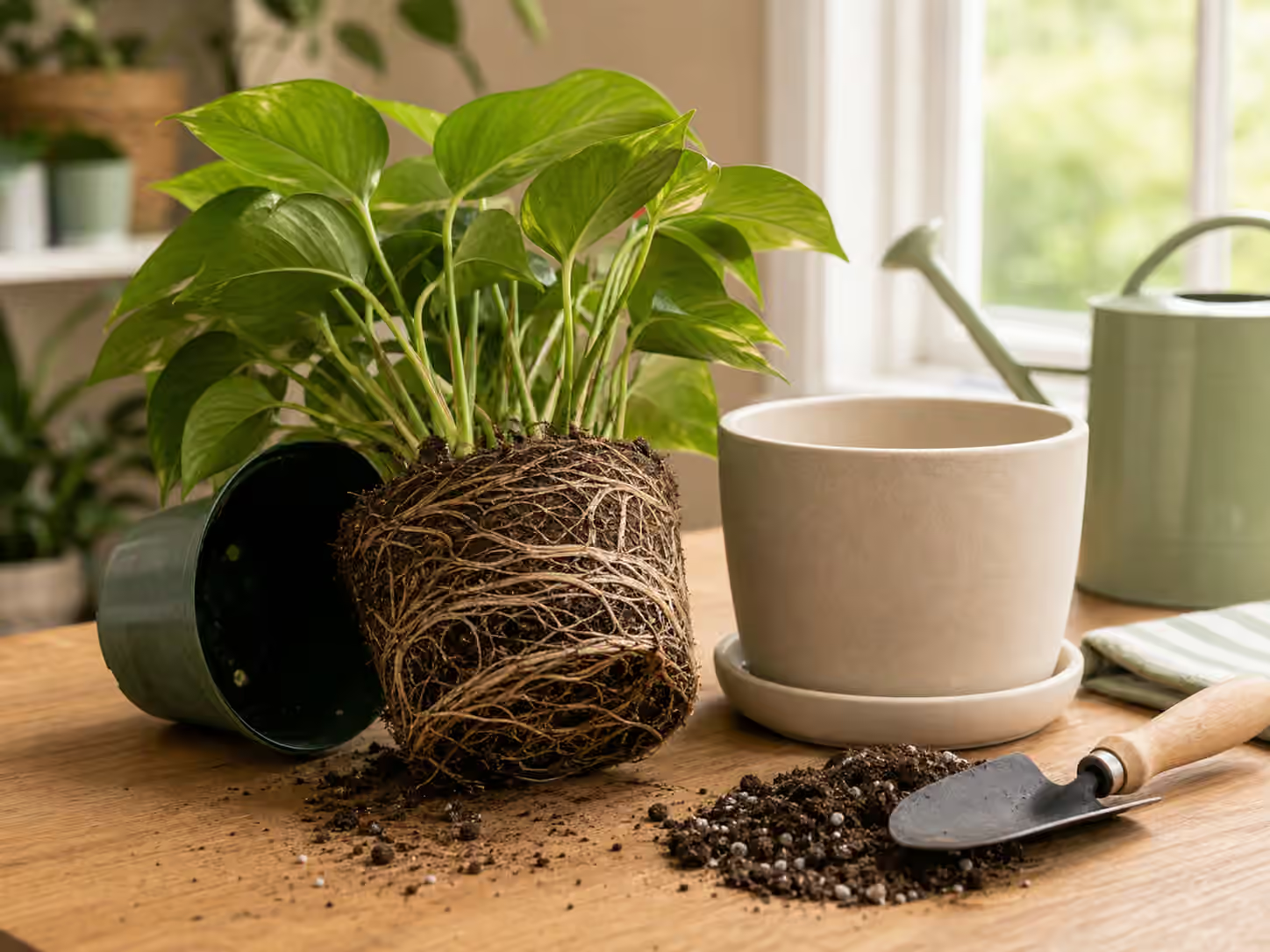
A plant cannot grow well above the soil if the roots are struggling below it. Root stress can come from staying wet too long, drying to a hard hydrophobic mass, being packed tightly in a small pot, sitting in dense collapsed mix, or being disturbed repeatedly. The leaves may not show an obvious root problem at first. They may simply stop.
Check the watering story before unpotting. Does the pot stay heavy for many days? Does water run straight through without moistening the center? Does the plant wilt soon after watering? Does the pot feel packed with roots? These clues tell you whether to inspect more deeply. Root-Bound Houseplant Signs and Root Rot Basics for Houseplants cover opposite root problems that can both stall growth.
Repotting is useful only when it solves the actual root issue. A plant in dense sour mix may need a reset. A root-bound plant that dries too fast may need a slightly larger pot. A plant in a pot already too large does not need even more soil. If the plant was recently repotted, more disturbance may delay growth further. Repotting Without Panic is the safer mindset: correct the problem, keep the change proportional, and let the plant recover.
Watering Can Keep A Plant In Neutral
Both overwatering and underwatering can stall growth. Too much water in low light reduces root oxygen and discourages new leaves. Too little water, especially in a pot that never fully rewets, keeps the plant in survival mode. The confusing part is that both situations can produce small leaves, drooping, and a general lack of progress. That is why pot weight and deeper checks matter more than the top surface.
A stalled plant often tempts people into alternating extremes. They forget it for too long, then drench it repeatedly out of guilt. Or they water constantly because no new leaf appears. A better routine is steady and evidence-based. Water when the pot and plant show need. Water thoroughly enough to reach the root zone. Let excess drain. Then wait until the mix has dried to the appropriate point for that plant.
If you have been watering by calendar, stop long enough to relearn the pot. Lift it after watering, again a few days later, and again when you think it is ready. Use a skewer or finger to compare the top and center. The guide Moisture Meters, Fingers, and Pot Weight gives a practical way to make those observations less mysterious.
Fertilizer Helps Only After Conditions Support Growth
Fertilizer is not a wake-up command. It supports growth when the plant already has enough light, healthy roots, and an active growing rhythm. Feeding a plant in low light, wet soil, or root distress can add salts without solving the limit. Feeding harder because nothing happened after the first dose can make the setup worse.
If the plant has been in the same potting mix for a long time, receives good light, has healthy roots, and is beginning active growth, a restrained fertilizer routine can help. Follow labels, use modest strength, and avoid feeding a stressed plant as if fertilizer were medicine. Watch for salt crust, brown tips, or sudden leaf edge damage. Fertilizer Without Guesswork is the natural next read before changing plant food.
Pests can also stall growth before they become obvious. Thrips may distort new leaves. Mealybugs can hide in nodes. Spider mites can dull foliage. Scale can sit quietly on stems. If a plant stops growing and the newest leaves look damaged, inspect before fertilizing. Houseplant Pest Inspection Routine gives a calmer path than guessing.
Give One Change Enough Time
The hardest part of stalled growth is waiting after a reasonable correction. A plant moved to better light may need weeks to show new growth. A repotted plant may need time to rebuild roots. A pest-treated plant may stop declining before it begins growing. If you change light, water, pot, fertilizer, and pruning all at once, you will not know what helped or what caused the next symptom.
Choose the strongest clue and change one meaningful variable. Write down the date, the location, the watering, and what you expect to see. Photograph the newest growth. Then give the plant time unless it declines quickly. Success may be modest at first: a bud opening, a new root visible through a clear nursery pot, a vine tip firming, or the pot drying in a more normal rhythm.
A houseplant that has stopped growing is asking for diagnosis, not pressure. Check whether the pause is seasonal or post-move. Check light before fertilizer. Check roots before pot size assumptions. Check watering before rescue products. When the limiting condition improves, growth usually returns in the plant’s own language and at the plant’s own speed.