Humidity advice gets messy because it often starts with a spray bottle. A plant owner sees crisp edges, curled leaves, or a dramatic tropical plant on social media, then hears that the plant wants more humidity. The next step seems obvious: mist the leaves. The trouble is that a quick mist usually changes the surface for a moment, not the room the plant is living in. It can make a caretaker feel active while leaving the plant in the same dry corner, under the same vent, or beside the same cold window.
The calmer way to think about humidity is to treat it as one part of the growing environment, not as a rescue treatment. Light, watering, drainage, pot size, air movement, and seasonal changes usually explain more of a plant’s behavior than humidity alone. A prayer plant with curling leaves in a hot window may need gentler light before it needs a gadget. A pothos with brown tips may be reacting to inconsistent watering, mineral buildup, or old damage. A fern crisping beside a heater may truly be in dry air, but the useful fix is a steadier placement, not a daily blast from a mister.
What Humidity Can And Cannot Fix
Humidity affects how quickly water leaves leaf surfaces and potting mix. In a very dry room, tender leaves can lose moisture faster, thin new growth can unfurl poorly, and plants adapted to damp understories may look tired even when the roots are not dry. That does not mean every brown edge is a humidity problem. The same edge can come from over-fertilizing, letting salts build in the mix, allowing soil to swing between soaked and bone dry, or moving a plant into stronger light before it has adjusted. The guide to Brown Tips on Houseplants is a useful companion because it keeps humidity in that wider diagnostic frame.
Humidity also cannot compensate for weak light. A plant in a dark bathroom may enjoy the shower steam for a few minutes, but it still needs enough usable light to grow. This is why room-based plant advice can mislead people. Bathrooms are not automatically good plant rooms, bedrooms are not automatically gentle plant rooms, and kitchens are not automatically bright plant rooms. The room guide for Bathroom, Bedroom, and Kitchen Plants starts in the right place: check the window, the traffic, the cleaning products, and the safety of the spot before treating humidity as the deciding feature.
The most useful question is not “Does this plant like humidity?” Most common indoor plants would prefer a stable, moderate environment over a perfect number chased with constant intervention. A better question is “Is dry air the limiting problem in this room after light, watering, drainage, and pests have been checked?” That phrasing protects you from solving the loudest symptom while ignoring the actual cause.
Read The Room Before Buying Equipment
Start by noticing where the plant sits through a normal day. A bright window with a heat vent below it can dry leaves and soil quickly. A cold pane can create chilly nights and damp mornings. A shelf packed close to a sunny window may be warmer at leaf level than the room feels to you. A plant on top of a refrigerator, beside an air purifier, near a door, or under an air-conditioning stream may live in a little weather system of its own.
A small hygrometer can be helpful if you treat it as a clue rather than a verdict. The exact number matters less than the pattern. A room that sits moderately humid most of the day but drops sharply when heat or air conditioning runs is different from a room that is dry all the time. A plant shelf that reads higher because many pots are grouped together is different from a single plant on an exposed side table. If a meter makes you fuss more, put it away after you learn the pattern. The plant still matters more than the device.
Look at timing too. Many homes become drier in heated seasons and more humid in warm rainy seasons. That shift changes watering speed, pest pressure, and the risk of stagnant dampness. The guide to Seasonal Light Changes Indoors is relevant here because lower winter light and drier heated air often arrive together. Plants may use less water because light is weaker, while leaves experience drier air because heating runs. Watering more aggressively can leave roots wet at exactly the time the plant is growing more slowly.
Grouping Plants Helps, But It Is Not Magic
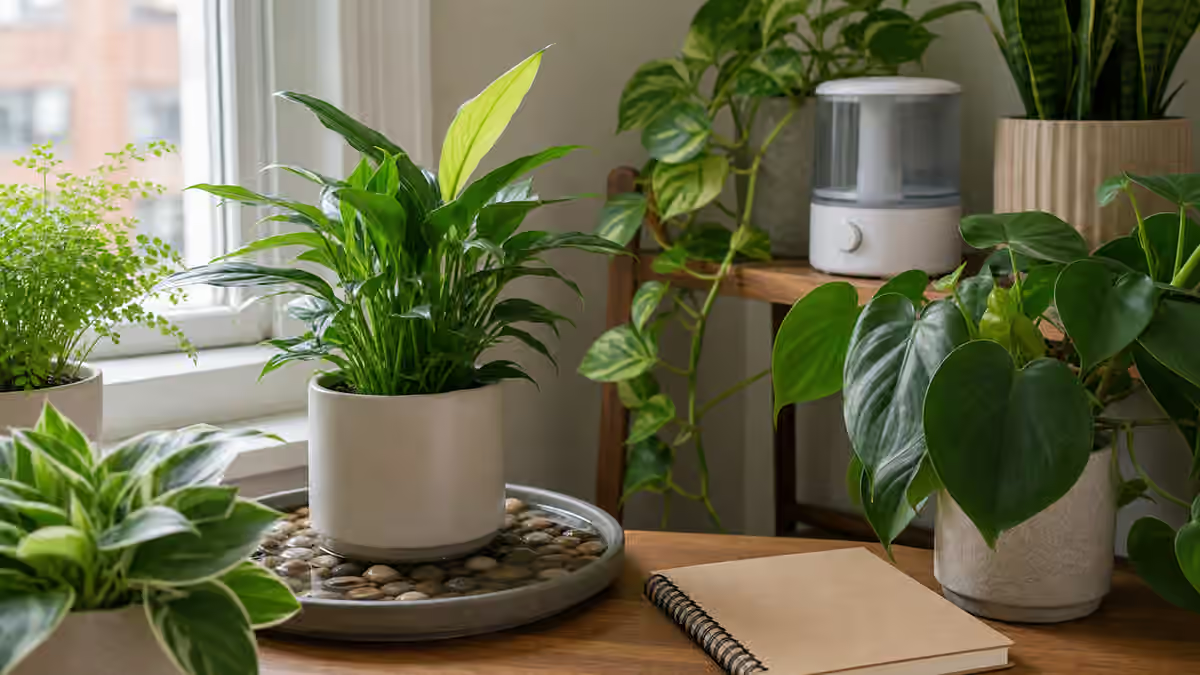
Grouping plants is the least dramatic humidity adjustment and often the most practical. Several pots together create a slightly more buffered pocket of air than one pot isolated on a bare table. The effect is modest, but it can matter for plants with thinner leaves, especially when the group is also in better light and away from direct drafts. A plant shelf can become easier to manage because watering, inspection, and rotation happen in one place.
The tradeoff is that crowded plants hide problems. Leaves touch, air moves less freely, and pests can travel from one plant to the next before you notice. Group plants with enough space to see the stems, lift each pot, and check leaf undersides. If a new plant arrives, do not tuck it straight into the humid cluster just because it looks pretty there. Use the New Plant Quarantine Checklist first, then move it into the group after the inspection period feels uneventful.
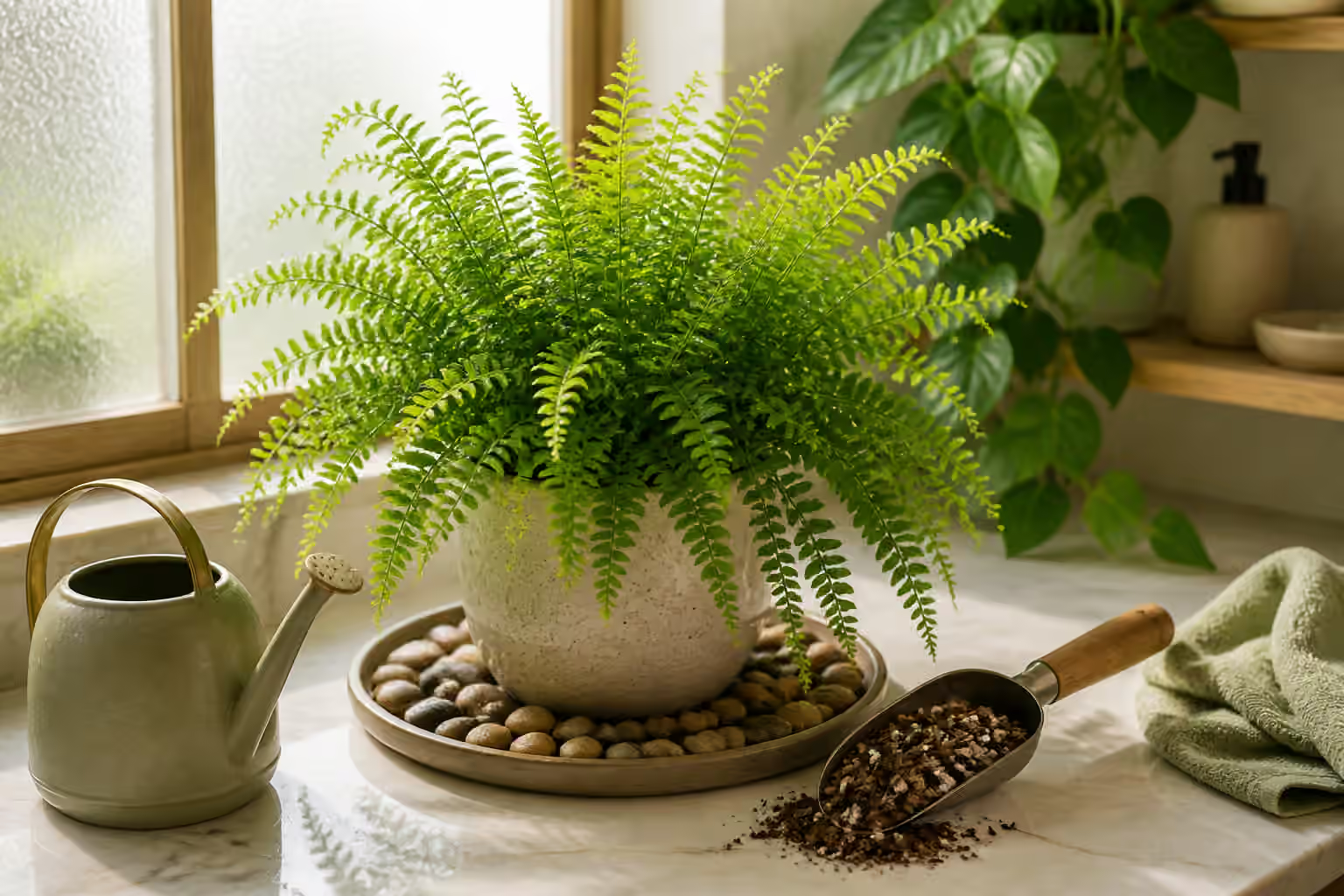
Pebble trays are similar: useful in a modest, specific way, not a miracle. A shallow tray with stones and a little water can keep the bottom of a pot above standing water while adding a damp surface nearby. The pot should not sit in water, and the tray should be cleaned often enough that it does not become a sour, dusty, algae-coated dish. A tray is most sensible for one or two plants that appreciate a slightly gentler microclimate. It is less sensible as an excuse to keep a plant in poor light or to let drainage water collect unnoticed.
When A Humidifier Makes Sense
A humidifier is worth considering when several plants are genuinely struggling in dry air, the room is otherwise suitable, and you can manage the appliance responsibly. It is not only a plant choice. It is also a home setup choice. Water sits in a reservoir, electricity is nearby, surfaces can become damp, and mineral dust can appear with some devices depending on water and model. Follow the appliance instructions, keep water fresh, clean it on schedule, and place it where mist or vapor does not soak walls, wood, books, outlets, curtains, or the plants themselves.
The goal is a steady room, not a dramatic cloud. Heavy fog around leaves looks impressive but can create wet surfaces without fixing the broader setup. Wet leaves in low airflow can invite other problems, especially when light is weak or temperatures drop. A plain timer or built-in setting can keep the habit boring, which is usually better for plants and rooms. If the device needs constant attention to avoid damp shelves or puddles, the setup is too fussy for everyday care.
A humidifier also belongs in the same decision tree as grow lights and placement. If a plant is already short on light, adding humidity may keep it looking softer while it continues to decline slowly. If you are building a plant shelf in a darker room, read Grow Lights for Houseplants before assuming humidity is the missing piece. Better light often changes how a plant uses water, how quickly soil dries, and how resilient new growth becomes.
Why Misting Usually Disappoints
Misting is not evil. It can rinse dust before wiping, help you inspect a plant closely, or make a plant-care moment feel pleasant. The problem is the promise attached to it. A few sprays rarely raise humidity around a plant for long. Leaves dry, the room equalizes, and the plant returns to the same conditions. If someone mists more often to compensate, the habit can become messy: water spots on leaves, damp windowsills, wet furniture, slippery floors, and false confidence that humidity has been solved.
Misting can also distract from pests. Fine webbing from spider mites, sticky residue from scale, or speckled damage from small insects can be misread as dry-air trouble. Curling leaves are especially easy to over-attribute to humidity. Before reaching for a sprayer, inspect the tight new growth and leaf undersides as described in Curling Leaves on Houseplants . Tiny pests are easier to manage when noticed early, and humidity talk should never become a reason to skip inspection.
There is also a temperament issue. Misting rewards constant fiddling. Good houseplant care often asks for the opposite: a stable spot, a clear watering rhythm, enough light, and patience. If a plant looks a little imperfect but new growth is healthy, the best humidity decision may be to leave the room alone. Not every crisp tip deserves a new product, and not every tropical label means the plant needs a special corner.
A Practical Humidity Routine
Choose one plant or group to observe for a month. Keep the plant in a suitable light position, water by soil and pot weight rather than by calendar, and make sure drainage is clean. Notice whether the newest leaves are emerging cleanly, whether older damage is simply staying old, and whether the room changes when heating, cooling, or weather shifts. If the plant improves after being moved away from a vent or grouped with other plants, you learned something without buying anything.
If dry air still seems likely, try the smallest durable adjustment first. Move the plant away from the vent. Group it with compatible plants. Add a clean pebble tray only if the pot remains above the waterline. Consider a humidifier only when the room and your habits can support it safely. Do not combine every fix at once, because then you will not know what helped.
The quiet test is new growth. Old brown edges will not turn green again, and curled leaves may keep their shape even after conditions improve. Watch the next leaf, the next root push, and the pace of decline. A stable plant that grows cleanly after a placement change is giving you better evidence than a humidity number on a device. Houseplant humidity is useful when it helps you build a steadier room. It becomes noise when it turns care into daily performance.