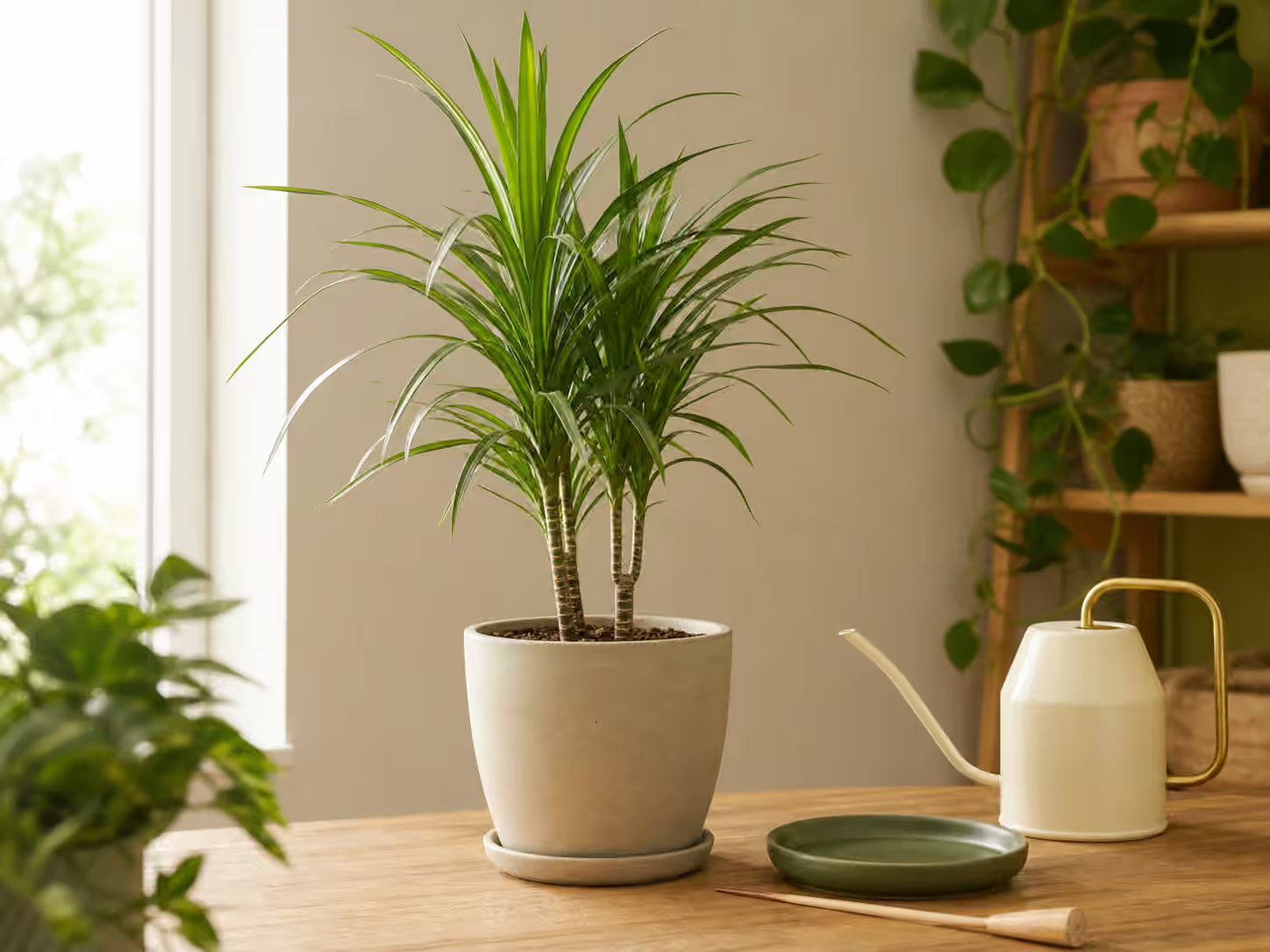
Dracaenas earn their beginner reputation because they can live for years in ordinary rooms, but they are not indifferent objects. Their narrow leaves, cane stems, and slow steady growth make small problems show up gradually. A dracaena may tolerate a dim corner longer than many plants, then begin to lean, shed lower leaves, or collect brown tips after months of imperfect watering and light. The useful care habit is to read the pattern before you try to make the plant look new again.
Many plants sold as dracaena are upright cane forms, compact rosettes, or long-leaved tabletop plants. Corn plant, dragon tree, and several striped-leaf forms are common examples. They do not all have identical habits, but the indoor care pattern is similar: bright filtered light if possible, moderate watering, a pot that drains, protection from cold drafts, and restraint with fertilizer. The plant often declines from repeated small mismatches rather than one dramatic mistake.
Give It Enough Light To Use Water
Dracaenas are often marketed for low light, which can be misleading. Low light survival is not the same as healthy growth. A dracaena in a dim hallway may stay green for a while, but it will use water slowly, lean toward the nearest window, make weaker new leaves, and shed older foliage as the plant balances energy. A brighter room with indirect light usually gives a sturdier plant and a clearer watering rhythm.
Start by looking at the direction of growth. If the whole crown leans toward glass, the light is probably coming from one side and may not be strong enough. If new leaves are much smaller than older ones, or the plant stays damp for many days after watering, light belongs in the diagnosis. The guide to How to Check Indoor Plant Light is useful because it turns vague brightness into observations you can repeat. A move closer to a window should still be gradual, especially if the plant has been in a dim room. Harsh direct afternoon sun can bleach or scorch leaves that have not been acclimated.
Window distance matters more than the name of the room. A dracaena several feet from a bright window may do better than one pressed into a dark decorative corner. If a window has strong sun, use distance, a sheer curtain, or a side placement rather than assuming the plant wants darkness. The goal is useful light without hot leaf surfaces.
Water Deeply, Then Wait
The classic dracaena mistake is watering by sympathy. The plant looks a little tired, so it receives a small drink. A week later it looks the same, so it receives another. Over time, the top layer keeps getting damp while the root ball never moves through a healthy wet-to-drier rhythm. Dracaenas generally prefer to dry partly between thorough waterings. They do not want to remain soggy, and they do not benefit from constant sips.
Lift the pot before watering. A light pot, dry upper mix, and leaves that feel slightly less firm may point toward water. A heavy pot, cool damp mix, and yellowing lower leaves point elsewhere. If the plant is in a decorative cachepot, remove the nursery pot to water and let excess drain away before returning it. Standing runoff in the outer pot is one of the quiet ways a supposedly easy plant develops root trouble. Drainage Holes and Cachepots Explained pairs naturally with dracaenas because many are sold as decorative floor plants where the outer container hides the real water story.
If the root ball has become very dry, water may run down the sides without wetting the center. In that case, a slower soak can help rehydrate the mix, but it should be followed by drainage and a return to normal waiting. Bottom Watering Houseplants is helpful when water seems to pass through too quickly, while Stop Watering Houseplants on a Schedule is the better reset when the problem is habit.
Brown Tips Need Context
Brown tips are common on dracaenas, and they can come from several overlapping causes. Inconsistent watering, mineral buildup, fertilizer salts, dry air near vents, old leaf age, and physical rubbing against walls or blinds can all mark the ends of leaves. The first question is whether the tips are old and stable or appearing fresh on new growth. A plant with a few older brown tips and clean new leaves may simply carry old history. A plant producing new damage every month is still reacting to something in the setup.
Water quality can matter for some dracaenas, but it should not become the first explanation for every imperfect leaf. Check watering rhythm, drainage, light, and fertilizer before buying complicated fixes. If several sensitive plants in the room show similar tip burn, or if the pot develops crust and the plant has repeated edge damage, Water Quality for Houseplants gives a calmer way to test that idea. If the main symptom is crisp ends across many leaves, Brown Tips on Houseplants keeps the diagnosis wider than one cause.
Trim only dead tissue if appearance bothers you. Cutting deep into green leaf creates a fresh wound and can make the plant look more stressed. A clean diagonal trim that leaves a thin brown margin is enough. The more important fix is preventing the next round of damage.
Read Canes, Crowns, And Lower Leaves
Older lower leaves naturally yellow and drop as a dracaena grows upward. That is different from a rapid wave of yellowing, a soft cane, or a crown that collapses. Firm canes and steady new growth are reassuring. A cane that feels soft, wrinkled, hollow, or sour-smelling deserves closer root and stem inspection. A plant that loses many leaves while the pot stays wet may be telling you that roots are failing rather than asking for more water.
Repotting should follow evidence. Dracaenas often prefer a snug but not strangled pot. If the plant is stable, drying normally, and making healthy growth, a root near the drainage hole is not an emergency. Repot when the pot is unstable, the mix has collapsed, roots have filled the container so thoroughly that water cannot enter evenly, or the plant dries too fast despite thorough watering. A small step up in pot size is usually better than a dramatic move into a large decorative planter. Pot Size and Plant Stability is especially relevant for tall cane plants because the container has to support the whole object, not only hold roots.
Do not bury canes deeper to make the plant stand straighter. That can keep stem tissue too damp. If the plant leans because it has grown toward light, improve the light and rotate carefully over time. If it leans because the pot is too small or the root ball has shifted, repotting or staking may be part of the reset.
Keep The Room Predictable
Dracaenas dislike sudden cold, hot dry vents, and repeated moves from place to place. A plant beside an exterior door may show winter stress on one side. A plant near a heating vent may develop crisp tips while the pot still feels damp. A plant against a cold window can suffer leaf damage that looks like water trouble at first glance. Temperature, Drafts, and Heat Vents helps separate room stress from root stress.
Fertilizer belongs in the background. Feed lightly only when the plant is actively growing in adequate light and the root setup is sound. More fertilizer will not fix a dim room, a wet pot, or a soft cane. It can leave salts in the mix and make brown tips worse. If the plant has not made new growth for a long time, start with light, roots, and watering rhythm before reaching for plant food.
A good dracaena routine feels uneventful. Put the plant where it has useful indirect light, water thoroughly only when the pot is ready, let excess drain, protect it from sharp room swings, and judge progress by new leaves rather than old blemishes. Dracaenas are slow enough that overcorrection can cause more trouble than the original symptom. A steady setup gives them the chance to prove they are as easy as their reputation suggests.