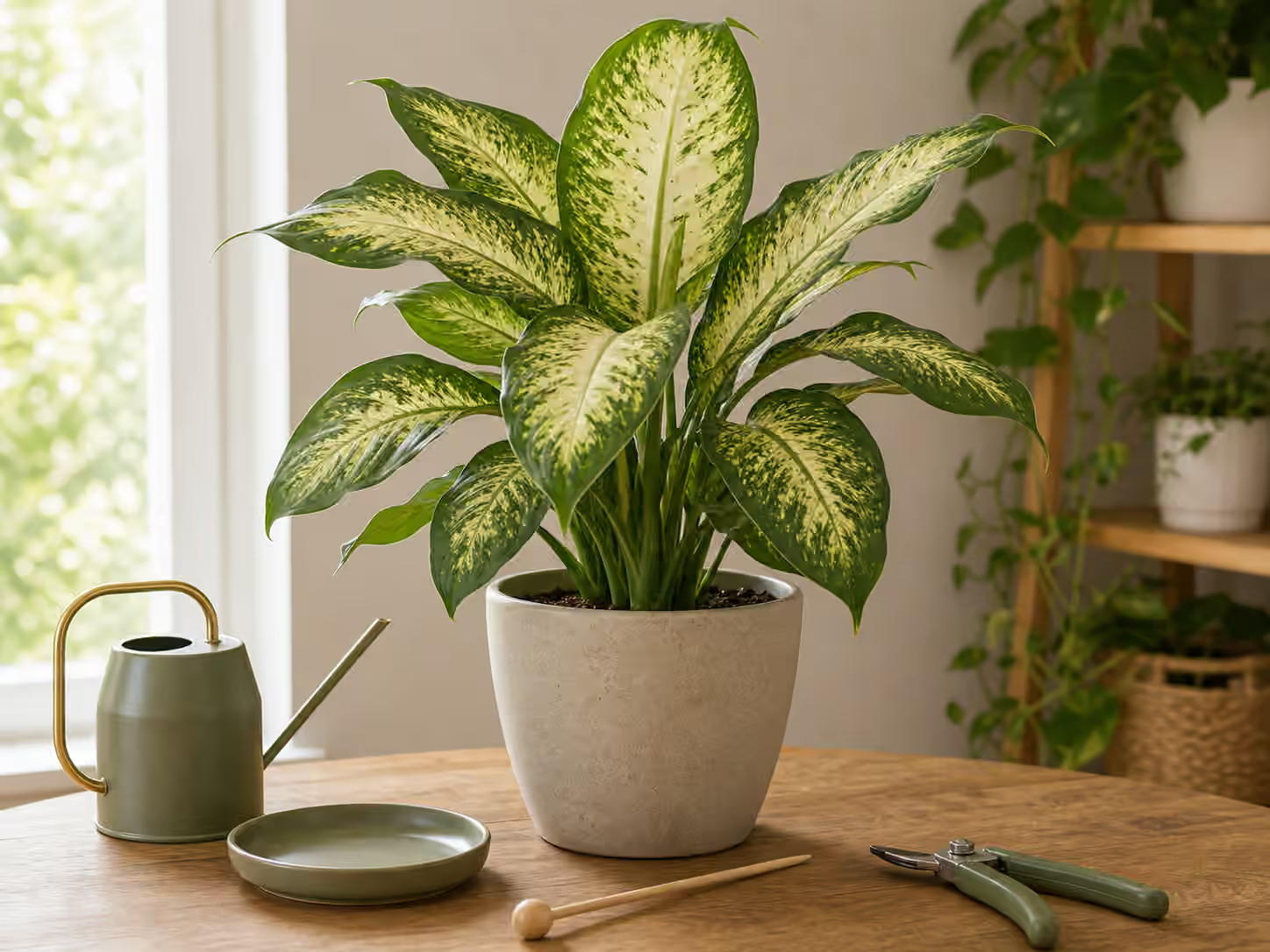
Dieffenbachia is a bold indoor plant: broad variegated leaves, thick stems, and a shape that can make a room feel greener quickly. It is also a plant that punishes casual assumptions. Too little light makes growth weak. Too much water can soften stems. Rough pruning and unsafe placement create problems that have nothing to do with horticulture. A good dieffenbachia routine is practical, steady, and aware of the people and animals sharing the room.
The plant is sometimes sold as dumb cane. The common name is a reminder that this is not a nibble-friendly houseplant. Placement is part of care. A dieffenbachia on a low table in a home with curious pets or small children is a different decision from the same plant in an adult-only office corner. Pet-Aware Houseplant Setup is worth reading before you choose the spot, because a healthy plant in the wrong room position is still a poor setup.
Give Filtered Light With Room To Grow
Dieffenbachia usually grows best in bright indirect light or medium-bright indoor light. It does not need harsh direct sun, and strong hot glass can scorch or bleach leaves. In a dim corner, though, the plant may stretch, lean, produce smaller leaves, and use water slowly enough that the pot becomes hard to manage. The broad leaves are good at showing both extremes if you read the pattern.
Look at new growth first. Clean leaves that open at a reasonable size suggest the plant has enough energy. Small pale leaves, long bare stem sections, or a whole plant leaning toward the window suggest the light is not doing enough. Scorched patches on the side facing a bright window suggest too much direct sun or a sudden move. How to Check Indoor Plant Light helps turn those clues into a repeatable room assessment.
Leave space around the plant. Dieffenbachia leaves can rub against walls, blinds, and shelves, causing tears or brown patches that look more alarming than they are. Crowding also makes it harder to inspect undersides and wipe dust. The plant may be decorative, but it should remain reachable for care.
Water When The Pot Is Ready
Dieffenbachia prefers a watering rhythm that keeps roots supplied but not stale. Let the upper mix dry partly, then water thoroughly enough that the root ball is refreshed and excess drains away. The plant does not want to sit in runoff inside a decorative pot. It also does not benefit from small nervous splashes that dampen the surface without moving through the root zone.
A drooping dieffenbachia should be checked, not automatically watered. If the pot is light and the mix is dry, water may be the answer. If the pot is heavy, cool, and damp, more water can make root stress worse. Yellowing lower leaves, soft stems, or a sour smell near the mix are stronger warnings than a single tired leaf. Overwatered vs Underwatered Houseplants is useful because dieffenbachia can make both errors look dramatic.
Pot size changes the risk. A small plant in a large pot may sit in too much wet mix. A tall plant in a small pot may become unstable or dry too quickly. The right pot is only a little larger than the root system and heavy enough to keep the plant upright. Drainage should be practical, not theoretical. If the outer container hides water, the setup needs a habit for checking it.
Yellow Leaves And Bare Stems Tell A Story
Older lower leaves eventually yellow and drop. That is normal, especially as the plant grows upward. The pattern matters. One old leaf fading slowly is different from several leaves yellowing after repeated watering, cold exposure, or a move to dimmer light. A plant that loses lower leaves while the top remains firm may simply be aging. A plant with soft stems, wet soil, and spreading yellow leaves needs a root and watering check.
Bare stems can appear as older leaves drop. If the plant is tall and healthy but leggy, pruning may be possible, but it should be done with clean tools and sap awareness. Wear gloves if you are sensitive, avoid touching your face, clean tools afterward, and keep cut pieces away from pets and children. Do not prune a stressed plant heavily just to force a shape. Give it better light and stable care first.
If a cane becomes soft or collapses, treat that as a serious plant-health clue. Soft stem tissue paired with wet mix often points to rot. You may need to remove damaged tissue, evaluate roots, or propagate from healthy stem sections only if the plant is otherwise worth saving. Root Rot Basics for Houseplants is the calmer reference when the problem moves beyond ordinary yellowing.
Clean Leaves And Inspect While You Work
Broad dieffenbachia leaves collect dust. Dust blocks some light, makes the plant look dull, and hides early pest clues. Wipe leaves gently with a damp cloth, supporting each leaf from below. Avoid leaf-shine products that leave residue or make diagnosis harder. A clean leaf is not only prettier; it is easier to read.
Cleaning is also inspection. Look under leaves, along the midrib, around petiole bases, and near new growth. Mealybugs and scale can hide in joints and on stems. Spider mites may leave fine stippling. Thrips can distort new leaves. Sticky residue, cottony patches, small shell-like bumps, webbing, or moving specks deserve isolation and closer identification. Cleaning Dusty Houseplant Leaves and Houseplant Pest Inspection Routine turn routine care into a useful checkup.
Avoid spraying because a leaf looks imperfect. Variegated leaves naturally contain pale tissue. Old mechanical damage remains visible. Brown edges can come from inconsistent watering, salts, dry air, or drafts. Treatment should follow evidence, not anxiety.
Protect It From Room Swings
Dieffenbachia prefers ordinary warm indoor conditions. Cold drafts, air-conditioning blasts, hot dry vents, and sudden window changes can all mark leaves or slow growth. A plant that looked fine in summer may struggle near cold glass in winter. A plant placed beside a heater may brown at the edges while the pot stays damp. Temperature, Drafts, and Heat Vents is useful when damage appears on one side or after a seasonal change.
Fertilizer should be light and conditional. Feed during active growth when the plant has enough light and healthy roots. Do not feed a plant that is sitting wet, losing leaves quickly, or trying to recover from root stress. Excess fertilizer can add salts and make leaf edges worse. If growth has stopped, use Houseplant Stopped Growing before assuming plant food is missing.
A well-kept dieffenbachia is not a plant you fuss over daily. It is a plant you place thoughtfully, water when the pot is ready, clean and inspect regularly, and prune with respect for sap and safety. When the newest leaves are firm, the pot drains clearly, and the plant has enough room and light, the broad foliage can stay handsome without turning every blemish into a project.