Sometimes the watering problem is not your schedule. It is the way the potting mix has aged. A pot can look watered because liquid passed through it, while the middle of the rootball remains dry. Another pot can stay wet because old mix has collapsed into a dense, airless mass. Both problems begin in the same place: the root environment no longer accepts and releases water in a useful way. Learning to spot compacted and hydrophobic mix keeps you from blaming the leaves for a problem hidden in the pot.
When water runs through but roots stay dry
Hydrophobic mix repels water instead of absorbing it evenly. This often happens after a peat-heavy or fine-textured mix dries hard. The surface may shrink away from the pot wall, forming a channel. When you water from above, liquid takes the easiest path down that gap and out the drainage holes. The saucer fills, the plant owner feels responsible, and the rootball remains dry in the center. The plant may wilt again soon after watering because the water never reached where roots needed it.
The clue is mismatch. The plant looks dry, the pot feels light, and yet water appears in the saucer almost immediately. The surface may resist wetting, forming beads or darkening only in patches. A wooden skewer inserted into the center may come out dry even after watering. The pot may feel heavier only at the bottom, while the upper rootball remains brittle. If you water a plant twice and it still behaves as if it is thirsty, the problem may be water movement rather than quantity.
Bottom watering can help rehydrate this kind of rootball, but it is not a permanent cure if the mix has become structurally difficult. The method in Bottom Watering Houseplants works as a reset because it gives dry material time to absorb moisture from below. Afterward, the real question is whether the pot returns to normal behavior. If top watering works again and the plant holds moisture predictably, the soak may be enough. If every watering becomes a rescue soak, the mix deserves attention.
When old mix collapses and stays wet
Compaction can create the opposite problem. Fine particles settle, bark breaks down, roots fill the air spaces, and repeated watering compresses the mix. Instead of holding both moisture and oxygen, the pot becomes dense. Water enters slowly, drains slowly, and leaves roots with less air. The plant may yellow, droop, or decline while the surface looks damp for days. A heavy pot that does not lighten on schedule is a warning sign, especially if light is adequate and temperatures are normal.
Dense mix can be mistaken for overwatering in the personal sense, as if the only solution is to water less. Watering less may slow the decline, but it does not fix a rootball that has lost structure. If the plant is in a pot that is too large, the outer mix may remain wet while roots occupy only part of the container. If a nursery plug sits inside a different outer mix, water may move unevenly through layers. If the plant has been in the same pot for a long time, the organic pieces may simply be tired.
The guide Potting Mix for Houseplants explains the balance between water retention and air. That balance is not only about the bag you buy on repotting day. It changes as a plant grows and as ingredients age. A mix that was fine two years ago can become too dense. A mix that dried once during neglect can become hard to rewet. The diagnosis comes from behavior over time, not from judging the surface alone.
Test gently before disturbing roots
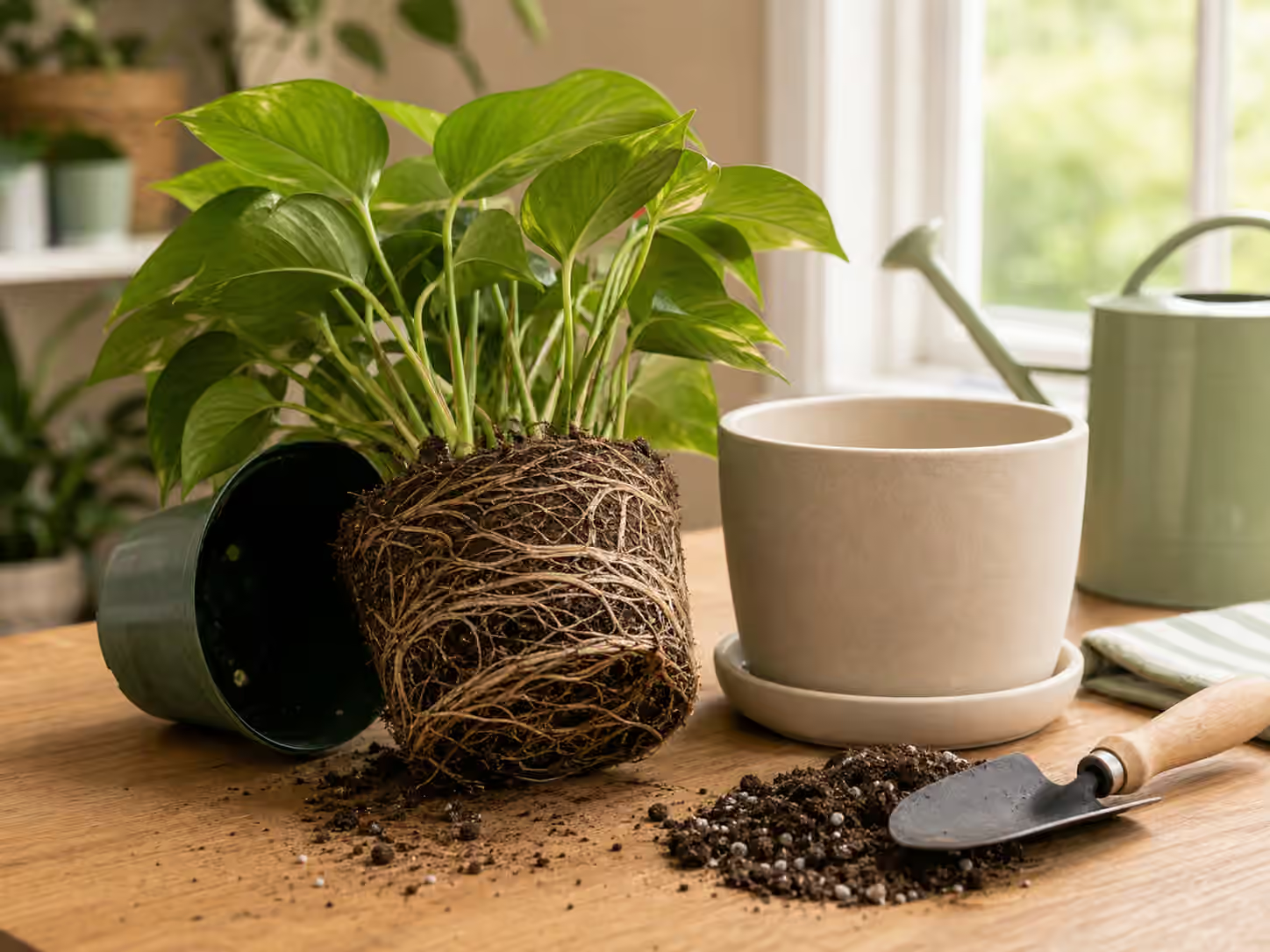
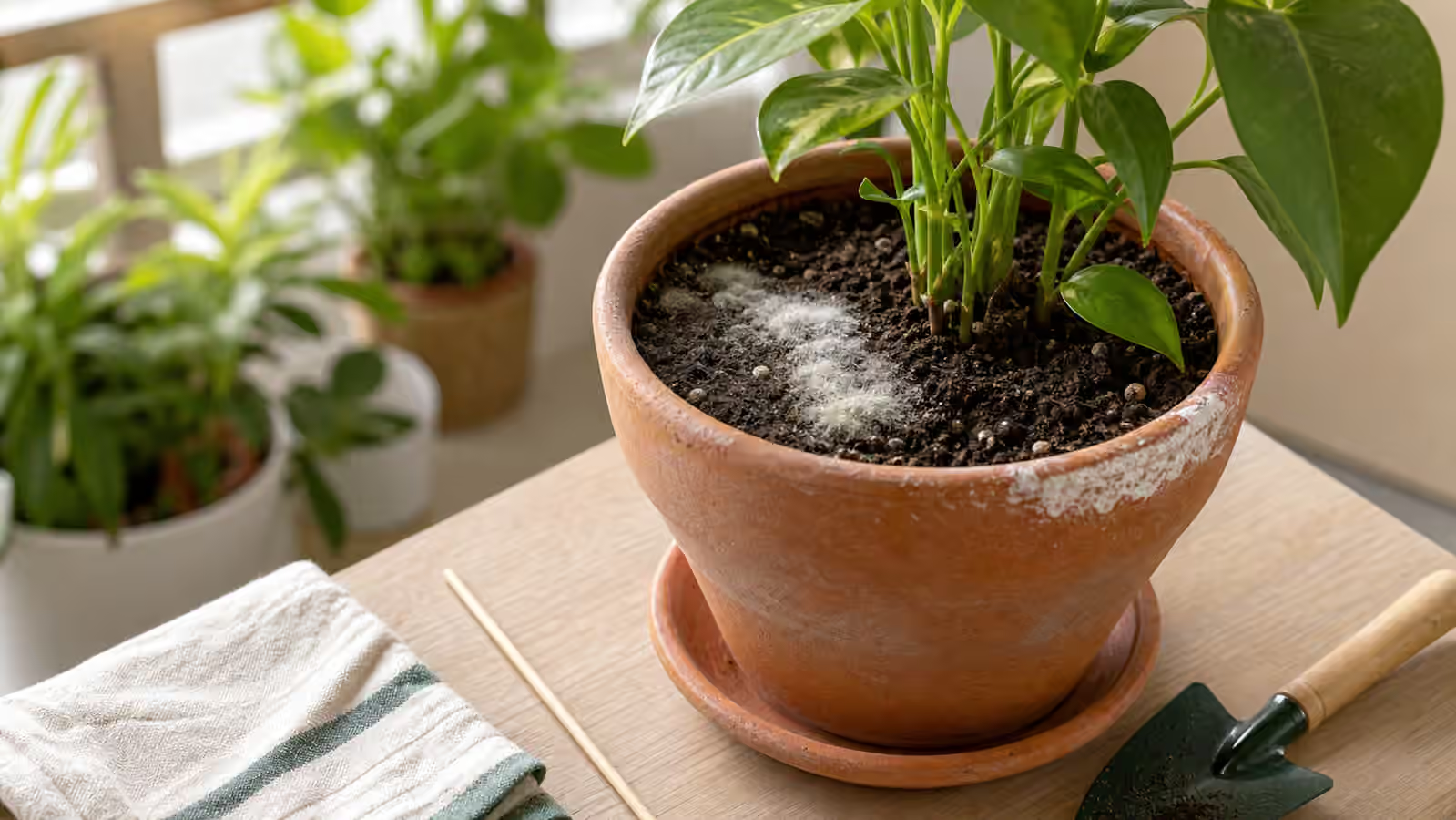
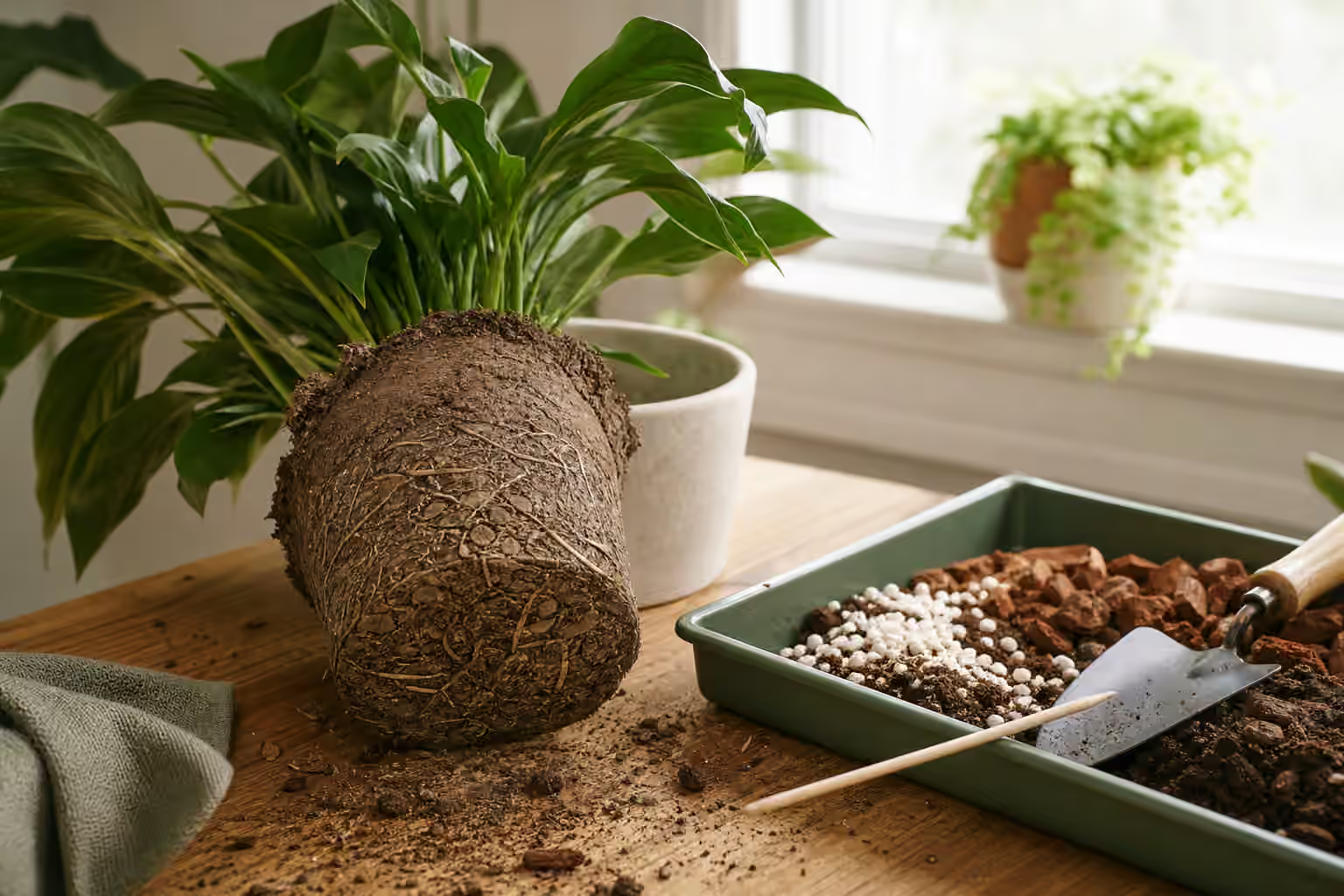
Before pulling a plant apart, gather evidence. Lift the pot before and after watering. Watch how quickly water appears from the drainage holes. Feel the surface after a few minutes. Use a wooden skewer to check the center. Look at the drainage holes for dense roots, sour smells, or mushy material. If the plant can be slid partly from the pot without tearing roots, inspect the outer rootball. A tight, dry cylinder, a hard crust, a sour wet base, or a mat of circling roots tells you more than the leaf color alone.
Be careful with plants that are already stressed. A full repot can help, but it can also add shock if done casually. If the plant is severely dry and the rootball is hydrophobic, rehydrate first so roots are less brittle. If the plant is wet and declining, let excess water drain and decide whether root inspection is urgent. Root Rot Basics for Houseplants is the better path when the evidence includes sour smell, black mushy roots, collapsing stems, or a pot that stays wet despite reasonable light.
Not every dry or dense surface means the whole pot is bad. Some mixes develop a crust while the lower rootball remains usable. Some plants naturally make dense root systems. Some pots dry fast because the plant is healthy, vigorous, and using water. The point is to connect the soil behavior to the plant’s symptoms and recent history. A thriving plant in a snug pot may not need intervention just because the top looks compact. A declining plant with confusing watering behavior deserves a closer look.
Refresh the mix with a reason
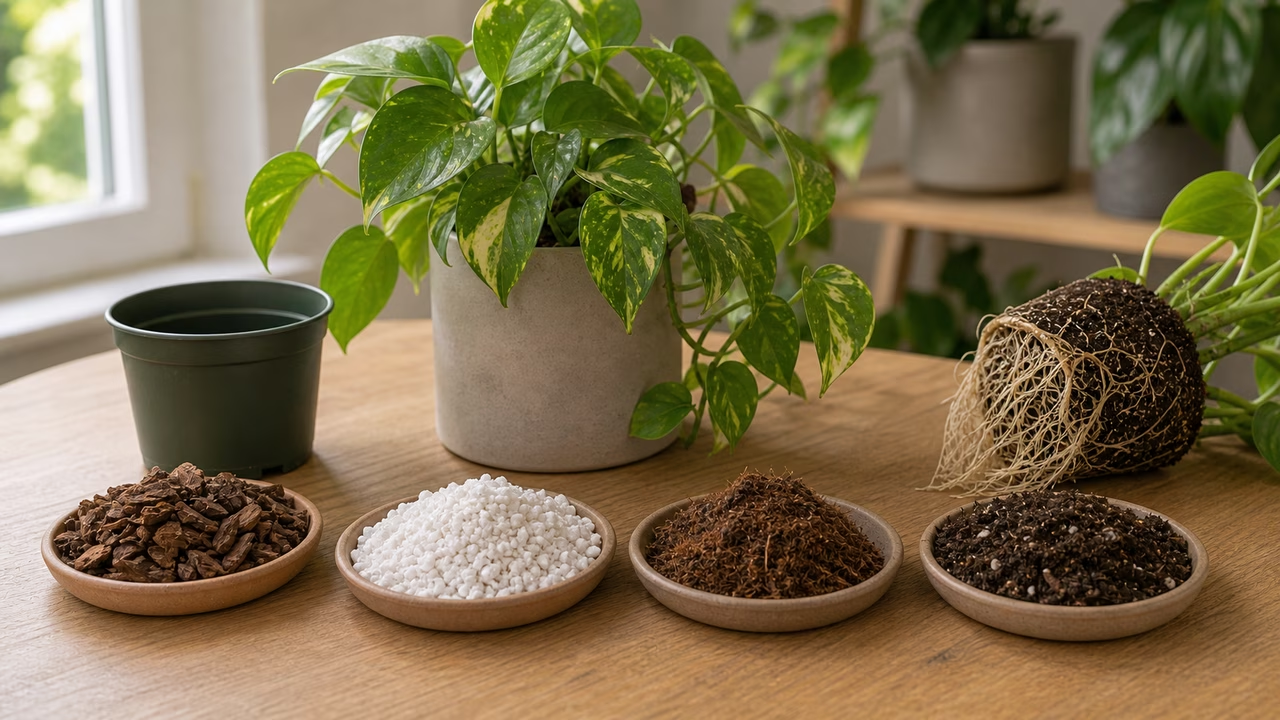
When a refresh is justified, keep the purpose clear. If the mix is hydrophobic, the goal is to restore even water entry. If it is compacted, the goal is to restore air space and drainage. If it is both old and rootbound, the goal is to give roots room without moving into an oversized container. Choose a potting mix appropriate to the plant and your room, not a dramatic recipe copied for a different environment. Chunky materials can improve air around thick roots, but a tiny-rooted plant in an overly coarse mix may dry unevenly and struggle.
Remove old mix gently where it falls away or where it is clearly harming water movement. Avoid tearing every fine root in pursuit of a perfectly clean rootball. If a nursery plug is creating a hard wet or dry core, loosen it carefully enough that water can move, but do not turn the plant into bare-root surgery unless the roots are already compromised. Repot into a container with drainage and only modest extra space. The advice in Repotting Without Panic is useful because this is a corrective task, not a makeover.
After repotting, the watering rhythm changes. Fresh mix may hold water differently than the old rootball. Airier mix may dry faster at the edges. A recently disturbed plant may use less water for a short period while roots recover. Check pot weight and moisture instead of returning immediately to old habits. New growth, steadier drying, and leaves that stop declining are better measures than the appearance of the repotting day.
Prevent the problem from returning
Prevention is mostly ordinary care. Water thoroughly when the plant needs it, then let excess water drain. Avoid leaving pots in standing water unless you are intentionally bottom watering for a limited soak. Do not let a moisture-loving plant dry to a brick-hard state repeatedly, but also do not keep a low-light plant wet because you fear dryness. Match pot size to roots. Refresh old mix when behavior shows it is no longer serving the plant.
A good potting mix is not magic. It is a structure that lets roots receive water, air, and support in a particular room. When that structure breaks down, the leaves tell a confused story. By reading how water enters, moves, and leaves the pot, you can solve the hidden problem instead of adding more water, less water, fertilizer, or pruning to a rootball that simply needs better conditions.