Dusty leaves are easy to ignore because they rarely look dramatic at first. A film builds on the surface, the plant still stands upright, and nothing seems urgent. Then a broad-leaf plant starts looking dull from across the room, a sticky patch goes unnoticed, or the newest growth seems pale and nobody is sure when the change began. Cleaning leaves is not about making a plant glossy for a photograph. It is a quiet inspection habit that helps the plant use light and helps you see trouble earlier.
The best cleaning routine is plain, gentle, and suspicious of miracle shine. Most houseplants do not need oils, food scraps, polish, or scented sprays on their leaves. They need dust removed without tearing tissue, clogging the surface, or leaving residue that attracts more dust. A damp cloth, clean water, and patience solve more problems than a cabinet full of products. If a plant looks dusty and weak at the same time, pair this routine with How to Check Indoor Plant Light because a clean leaf still cannot make up for a dark room.
Start With The Leaf, Not The Product
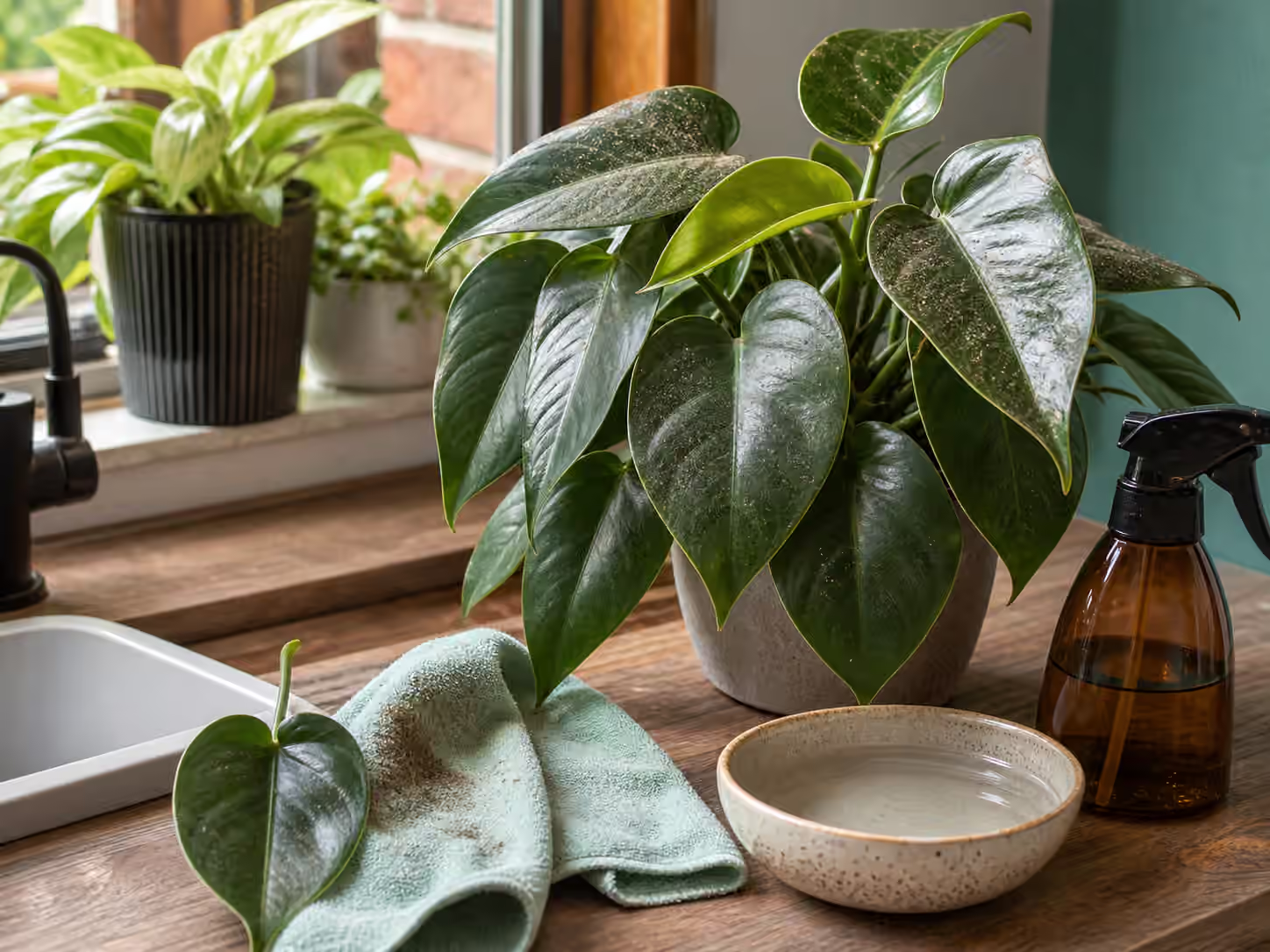
Before wiping, look closely. Ordinary household dust sits like a soft gray film and usually wipes away evenly. Mineral spots from hard water may leave pale rings or specks that do not move easily. Sticky residue can point toward sap, nectar, or pests such as scale and mealybugs. Fine pale speckling may belong in the pest conversation rather than the cleaning conversation. If you see webbing, moving dots, cottony clusters, or brown bumps that resist a gentle wipe, pause and use Houseplant Pest Inspection Routine before you spread the problem across the plant.
The leaf type decides the method. Smooth leaves on pothos, philodendron, monstera, rubber plant, peace lily, and many ficus plants can usually be wiped with a soft damp cloth while your other hand supports the leaf from beneath. Thin leaves need less pressure than thick leaves. Large leaves need slow strokes from the base toward the tip so you do not bend the petiole awkwardly. A plant with many small leaves may be easier to rinse than to wipe one leaf at a time, but rinsing changes the water situation in the pot, so it should be done with drainage in mind.
Fuzzy, waxy, powdery, or succulent leaves ask for more caution. Some plants carry fine hairs or a natural surface bloom that should not be scrubbed away. For those, a soft dry brush, a gentle puff of air, or simply leaving minor dust alone may be better than wiping. The goal is not a perfectly shiny collection. The goal is a plant that can be inspected without being damaged by the inspection.
What A Gentle Wipe Looks Like
Use plain lukewarm water first. Dampen the cloth, wring it so it is not dripping, and support each leaf as you wipe. The supporting hand matters because many houseplant leaves tear near the stem when pulled sideways. Work slowly enough to notice what comes off on the cloth. Gray dust is routine. Sticky amber residue, dark smears, or little shells on the cloth deserve a second look at stems and leaf undersides.
Avoid turning leaf cleaning into leaf polishing. Oils can leave a film, collect dust, and make it harder for you to read the plant. Some commercial shine products are used in retail settings because they make plants look fresh under store lights, but a home care routine should prioritize plant condition over display gloss. A naturally clean leaf has texture, veins, and small imperfections. It does not need to look laminated.
If you use a spray bottle, spray the cloth more often than the plant. Spraying the plant directly can push water into leaf joints, soil, furniture, and nearby electronics. It can also make the job feel like humidity care when it is really surface cleaning. The guide to Houseplant Humidity Without Misting explains why quick sprays rarely change the room in a durable way. For leaf cleaning, the spray bottle is just a way to dampen a cloth neatly.
Showering Can Help, But Drainage Comes First
A gentle shower can be useful for dusty plants with many leaves, especially when the plant is sturdy, the pot drains freely, and the room is warm enough for leaves to dry. The water should be gentle rather than forceful. The pot should not be left sitting in a decorative cachepot full of runoff. After rinsing, let the plant drain thoroughly before it returns to a saucer, shelf, or cover pot. Drainage Holes and Cachepots Explained is the right companion if you are not sure where the water goes after the shower.
Do not shower a plant just because the calendar says it is cleaning day. A plant with soggy mix, a suspected root problem, or a cold drafty room may be safer with a cloth. A plant that was watered yesterday may not need another full soak through the pot. Cleaning leaves and watering roots are different jobs, even when water is involved in both. Moisture Meters, Fingers, and Pot Weight helps keep that distinction practical because the pot’s weight tells you more than the leaf’s appearance.
After a rinse, give the plant air and light, not harsh sun. Wet leaves pressed against a wall, crowded shelf, or cold window dry slowly. Slow drying is not automatically a disaster, but it can make a routine messier than intended. Return the plant to a spot where leaves are not touching fabric, books, outlets, or painted surfaces. If the plant belongs on a high shelf, wait until dripping has stopped before lifting it back into place.
Cleaning Is Also Pest Inspection
Leaf cleaning is one of the least dramatic ways to notice pests early. As you wipe, turn a few leaves over. Check the midrib, the point where the leaf stem meets the main stem, and the tight new growth. Spider mites often announce themselves through fine stippling and webbing before a plant collapses. Scale can hide as small brown or tan bumps along stems. Mealybugs gather in protected joints. Thrips may leave streaky damage or dark specks. You do not need to identify every insect instantly, but you do need to notice when ordinary dust is not the whole story.
If the cloth keeps finding sticky patches, do not simply wipe harder. Sticky residue can travel from pests to nearby leaves and shelves. It can also attract dust, making the plant look dirty again quickly. The guides to Mealybugs and Scale on Houseplants and Aphids, Thrips, and Mystery Bugs Indoors give you a calmer next step than spraying first and asking questions later.
This inspection habit is especially useful after bringing home a new plant. A plant can look clean in a shop and still carry eggs, hidden insects, or residue from crowded benches. During quarantine, wipe only if the plant type tolerates it and keep the cloth separate from the rest of your collection. The New Plant Quarantine Checklist keeps that process organized without turning every new leaf into an emergency.
Match The Routine To The Room
Some rooms make plants dusty faster. Kitchens can add grease or fine cooking residue. Bedrooms can add fabric dust. Busy shelves collect dust from books, baskets, and moving air. Bathrooms may have cleaner air in one sense but can also expose plants to sprays, soaps, and cleaning products. The room placement guide for Bathroom, Bedroom, and Kitchen Plants is helpful because it treats the room as a whole setup rather than a plant label.
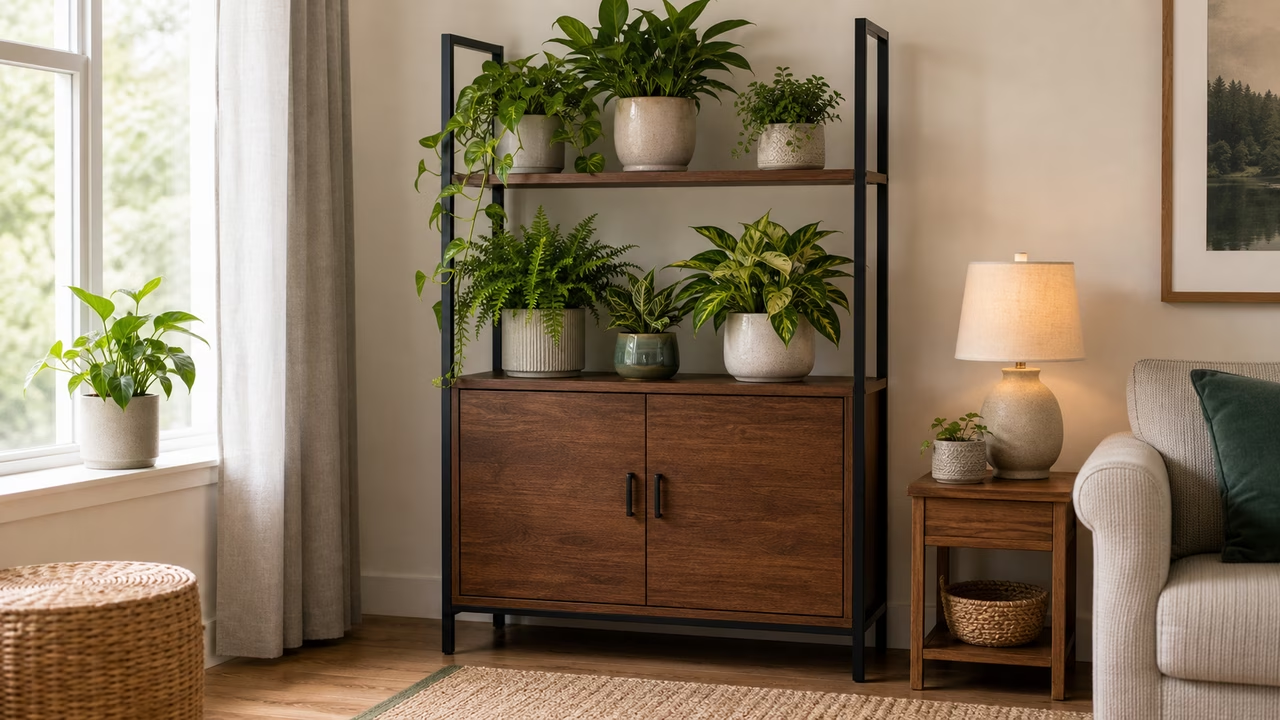
Plant stands and shelves matter too. A plant tucked tightly into a corner may be hard to wipe, hard to rotate, and hard to inspect. If you cannot reach the back leaves without knocking stems against the wall, the location is making care worse. Plant Stands, Shelves, and Room Safety is not only about tipping risk. It is also about access. A plant you can reach is a plant you can read.
Most homes do not need a strict cleaning schedule. They need a small signal. Clean when dust is visible, when you are already inspecting pests, after a renovation or dusty season, or before moving a plant into better light. Broad leaves may need attention more often than small textured leaves. Plants close to vents may collect dust differently than plants on a windowsill. The right rhythm is the one that keeps the plant readable without making care feel like constant grooming.
Leave The Plant Better, Not Busier
After cleaning, resist the urge to add more interventions. A freshly wiped plant does not automatically need fertilizer, a repot, a brighter window, and a watering. It may simply need to return to its stable place. If the leaves look cleaner but the plant still shows yellowing, drooping, or brown tips, then use the diagnosis guides for those symptoms rather than treating cleanliness as the full answer. Why Are My Houseplant Leaves Turning Yellow? and Brown Tips on Houseplants keep those observations in context.
The quiet benefit of cleaning leaves is that it slows you down. You see the new leaf before it hardens. You notice the pot is heavier than expected. You find the sticky node before the whole shelf is involved. You realize the plant near the kitchen window is collecting residue faster than the one in the bedroom. None of that requires a dramatic product. It requires a soft cloth, clean water, and enough attention to let an ordinary chore become useful plant reading.