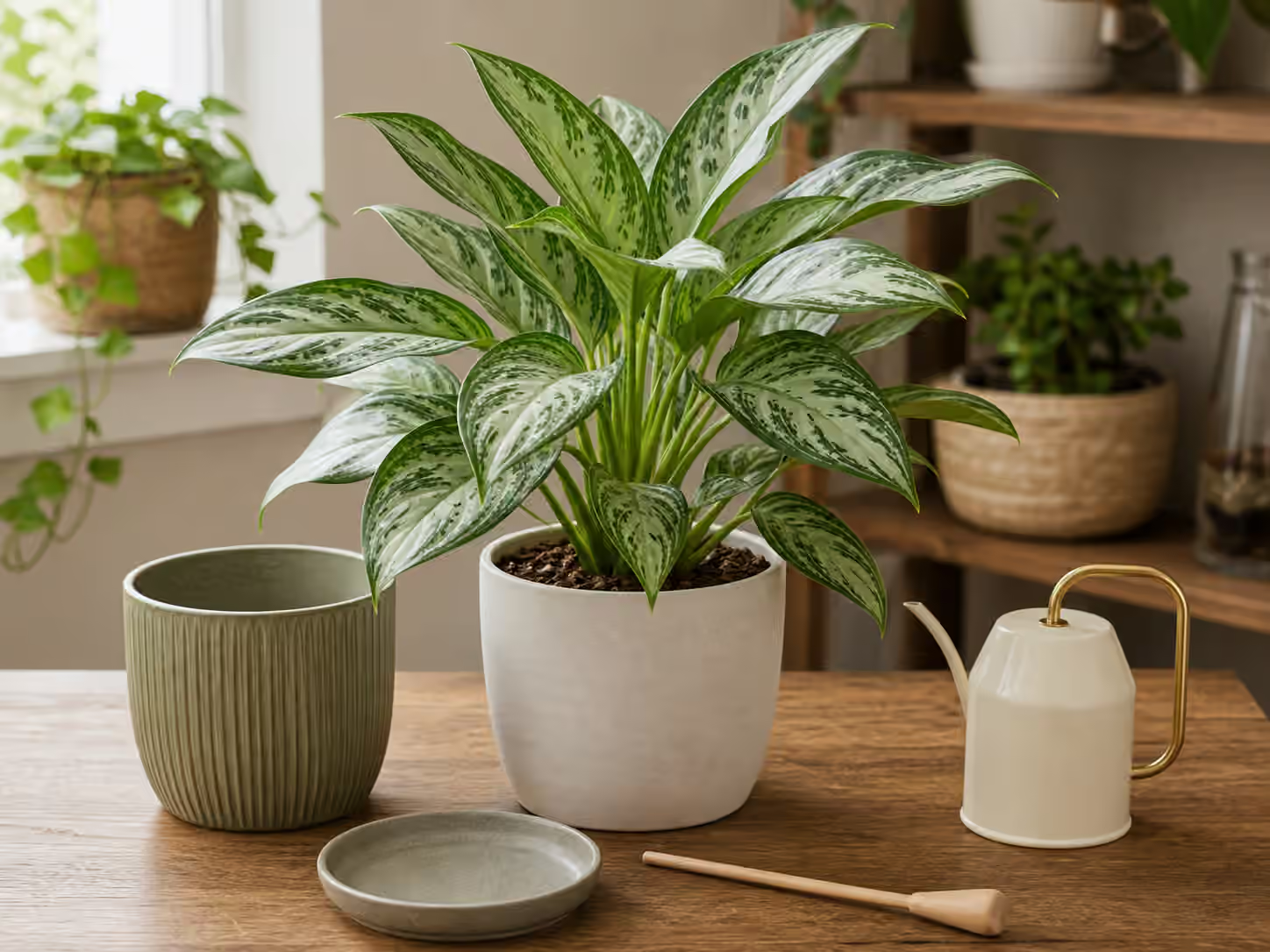
Chinese evergreens, also sold as aglaonemas, are forgiving houseplants when their limits are respected. They tolerate medium indoor light, hold attractive patterned leaves, and do not ask for constant pruning or fussing. That calm reputation can lead to two opposite mistakes: placing the plant in a room too dim for growth, or watering it as if it were a thirsty tropical plant in strong sun. A good routine sits between those extremes.
The plant’s strength is steadiness. A Chinese evergreen may not grow quickly indoors, especially in lower light, but it can remain handsome when the pot drains, the room is warm enough, and watering follows the plant rather than the calendar. The goal is not to push it into fast growth. The goal is to keep new leaves clean, roots healthy, and the room predictable enough that slow growth is not mistaken for decline.
Medium Light Is Tolerance, Not Magic
Chinese evergreens are often recommended for lower light rooms, and they are more tolerant than many colorful foliage plants. Still, every plant needs usable light to maintain roots and leaves. In a very dim corner, growth slows, variegation may look duller, and the pot may remain wet long after watering. The plant may survive, but the margin for watering mistakes becomes smaller.
A bright room without direct harsh sun is usually easier. The plant can sit a little away from a window, near filtered light, or under a modest grow light if the room is otherwise dark. Direct hot sun can bleach or scorch leaves, especially on pale or pink varieties. If one side of the plant fades or burns while the rest looks normal, read the window before changing fertilizer or water. Window Direction for Houseplants helps connect the symptom to the actual path of light through the room.
Variegation also affects tolerance. Leaves with more pale, silver, or pink tissue may need brighter indirect light than darker green types to keep growth strong. That does not mean they want a hot sill. It means the word “low light” should be treated as a range, not a promise. How to Check Indoor Plant Light is useful when a plant looks stable but never seems to grow or dry.
Water Less Often Than The Leaves Suggest
Chinese evergreen leaves can look broad and lush, which makes people assume the plant wants frequent water. Indoors, the roots usually prefer a more measured rhythm. Let the upper mix dry partly, check pot weight, then water thoroughly when the plant is ready. A heavy pot with damp mix should not be watered because a week has passed. A small sip on top of already damp soil only keeps the surface stale.
The exact timing depends on light, pot size, mix, room temperature, and season. A plant in a warm bright room may dry at a normal pace. A plant in a dim office corner may use water slowly enough that a fixed weekly routine causes trouble. If leaves droop, do not assume thirst until you have checked the pot. Wet roots can make leaves droop too. Overwatered vs Underwatered Houseplants is a natural companion because broad leaves can make both mistakes look similar.
Drainage should be visible and practical. If the plant sits in a nursery pot inside a decorative container, remove it to water or check the bottom after watering. Empty runoff before the pot returns to its outer sleeve. A Chinese evergreen can tolerate imperfect light better than it can tolerate standing water around roots for long periods.
Yellow Leaves Need A Slow Read
One lower yellow leaf now and then is normal. Older leaves age out as the plant redirects energy to newer growth. The pattern becomes more useful when several leaves yellow at once, yellowing moves upward, stems soften, or the pot remains wet. Yellow leaves near the bottom paired with a heavy pot often point toward watering, drainage, or low light. Yellowing after a cold draft may appear on exposed leaves or along one side of the plant.
Do not remove every yellowing leaf at the first hint of color. If it is still partly green and not mushy, the plant may be reclaiming resources. Remove leaves that are fully yellow, damaged, or decaying, using clean scissors. Then watch new growth. A plant with old yellow leaves and firm new leaves is telling a different story from a plant whose newest leaves emerge pale, small, or distorted. Why Are My Houseplant Leaves Turning Yellow? gives a wider diagnostic frame.
Brown tips and edges can come from inconsistent watering, salts, dry air near vents, old damage, or rough handling. Chinese evergreens do not usually need a complicated water routine, but repeated new edge damage deserves a look at fertilizer, drainage, and room stress. If the plant is near a heat vent or cold window, placement may be the first fix.
Pot Size Should Match Slow Growth
Because Chinese evergreens grow steadily but not explosively indoors, they often do best in a pot only a little larger than the root ball. A large pot full of wet mix can create more trouble than extra room solves. If the plant is stable, drying predictably, and producing new leaves, waiting to repot is reasonable. Repotting is useful when the mix has broken down, roots have crowded the pot enough to change watering, or the plant becomes top-heavy and unstable.
Choose a container with drainage and a mix that holds moisture without staying dense and airless. A general houseplant mix may work if it drains well in your room. If it behaves like a sponge, amend or replace it at the right time. The guidance in Repotting Without Panic fits this plant well because Chinese evergreens reward gentle, practical changes more than dramatic root work.
After repotting, expect watering to change. Fresh mix may hold water differently. A slightly larger pot may dry more slowly at first. Keep the plant in steady light and wait for the pot to tell you when water is needed. Fertilizer can wait until the plant is actively growing again.
Keep The Plant Warm, Clean, And Inspectable
Chinese evergreens prefer ordinary warm indoor conditions and dislike cold drafts. A plant near an exterior door, cold window, or air-conditioning blast can develop damage that looks like a watering issue. Heat vents can create the opposite problem by drying leaf edges while the root ball remains damp. Read the room before changing the root routine. Temperature, Drafts, and Heat Vents is useful when symptoms line up with one side of the plant or a seasonal change.
Dust can dull broad leaves and make pest inspection harder. Wipe leaves gently with a damp cloth when needed, supporting the leaf rather than bending the stem. Cleaning is also a chance to inspect undersides, petiole bases, and new growth. Mealybugs and scale can hide in tight spaces, and a plant that sits quietly in one corner can go unchecked for too long. Cleaning Dusty Houseplant Leaves turns that maintenance into observation rather than cosmetic fussing.
A Chinese evergreen is a good plant for learning restraint. Give it usable indirect light, water by pot condition, keep drainage real, protect it from cold and vents, and judge slow growth in context. If new leaves are firm and the pot dries in a predictable rhythm, the plant does not need to be pushed. It needs the same steady room for another season.