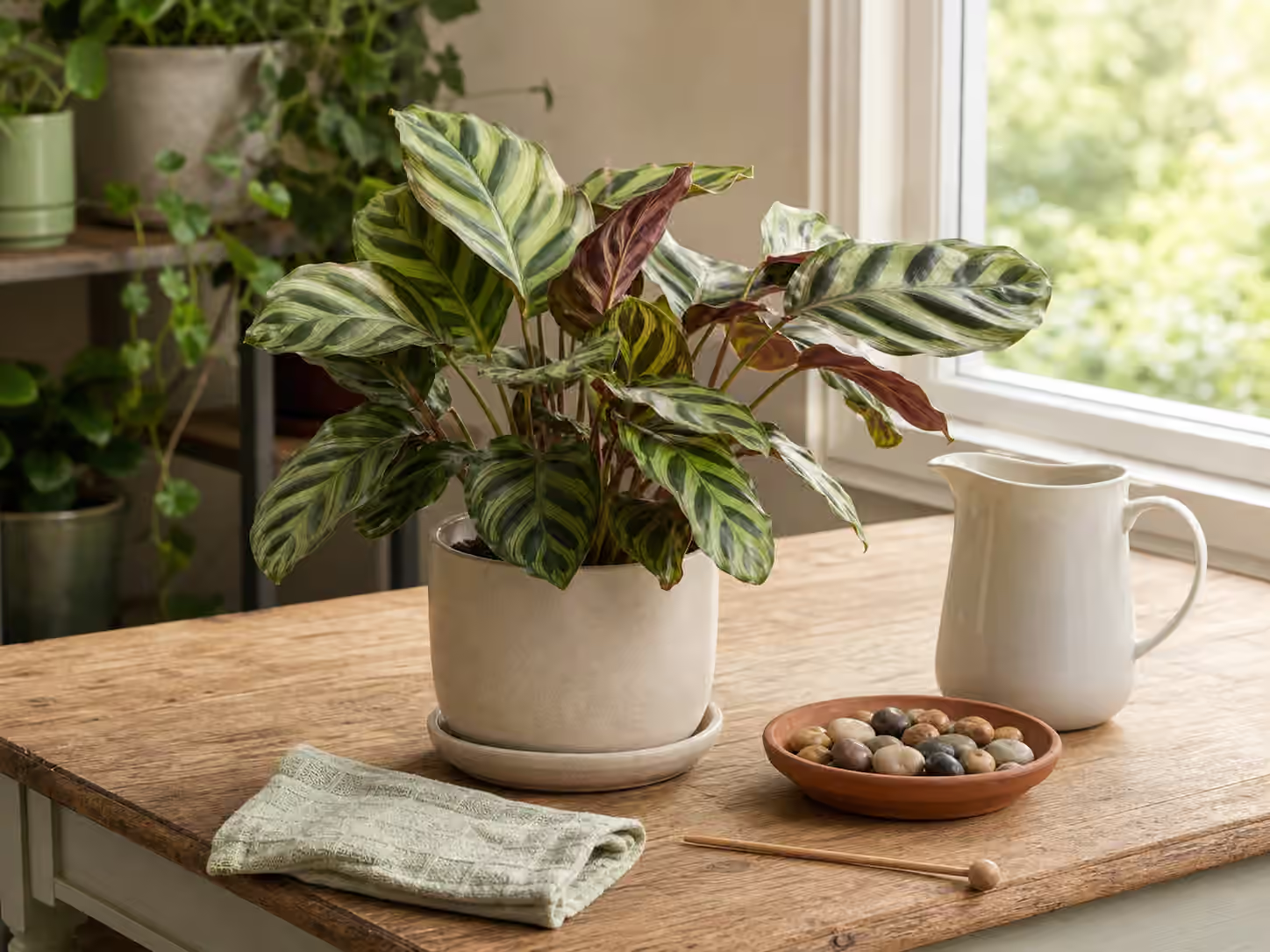
Calatheas and prayer plants are not impossible, but they are honest about small problems. Their patterned leaves show dry air, uneven watering, harsh light, mineral buildup, cold drafts, and pest pressure more quickly than many tougher houseplants. That sensitivity can make them feel dramatic. It can also make them good teachers if you read the whole setup before reacting to every curled edge.
The group includes several related plants sold under names such as calathea, goeppertia, maranta, ctenanthe, and stromanthe. They do not all behave exactly the same, but the indoor care pattern is similar: bright indirect light, steady but airy moisture, moderate warmth, decent humidity, gentle water habits, and regular pest inspection. The challenge is keeping those conditions steady without turning the plant into a daily crisis.
Give Bright Light Without Harsh Sun
Patterned leaves need enough light to support growth, but direct hot sun can scorch or fade them. A spot near an east window, a bright room set back from stronger glass, or a filtered window often works better than a dark corner or a blazing sill. If the plant stretches, produces smaller dull leaves, or stays wet for too long, the light may be too weak. If patches bleach, crisp, or appear mainly on the window-facing side, the light may be too harsh.
This is where Bright Indirect Light Explained becomes practical rather than abstract. Bright indirect light is not a mood. It is enough usable light for the plant to grow without the leaf surface overheating or burning. A sheer curtain, a shift to the side of the window, or moving the plant a little farther from afternoon sun can make the difference between a stable calathea and one that keeps producing crispy patches.
Calatheas also respond to seasonal shifts. A winter position that is safe and useful may become too intense in late spring, while a summer table may become too dim in winter. Watch the side of the plant facing the window and rotate only if the plant is growing unevenly. A little movement is fine. Constant relocation makes it harder to know what changed.
Keep Moisture Even, But Not Stale
These plants often resent drying to a hard wilt, yet they also dislike stale wet roots. The goal is evenly lightly moist, not soggy. Let the top layer begin to dry, then check deeper before watering. A pot that stays wet for many days in low light is not a calathea success story just because the top has not dried. Roots still need air.
A well-aerated mix helps. Fine dense soil can hold too much water around thin roots, especially in plastic or glazed pots. A mix with enough structure to drain and breathe is easier to manage than a heavy sponge. If the plant arrives in a nursery mix that stays wet too long in your home, do not rush to repot the first day, but do make a plan once the plant has acclimated. Acclimating a New Houseplant pairs well with calatheas because they often need a quiet transition before root disturbance.
Watering technique matters. A full watering with drainage when the plant needs it is better than nervous splashes. Tiny sips keep the surface damp, encourage gnats, and may not reach the center of the root ball. If the plant wilts dramatically, check the pot before assuming thirst. Wet roots can also make leaves collapse. Overwatered vs Underwatered Houseplants is especially useful for this group because the leaves can make both problems look urgent.
Read Curling And Brown Edges In Context
Leaf curl is a signal, not a diagnosis. A calathea may fold or move leaves with its daily rhythm, especially in changing light. That is different from tight curling that stays through the day, crispy edges, limp stems, or leaves that never reopen normally. Look at timing, pot moisture, room temperature, and recent moves before changing care.
Brown edges usually come from a mix of factors rather than one villain. Low humidity, inconsistent watering, mineral-heavy water, fertilizer salts, old damage, and too much direct sun can all contribute. If only older leaves have crisp edges while new leaves emerge clean, the current setup may be improving. If each new leaf opens with damage, the condition is ongoing. Brown Tips on Houseplants and Water Quality for Houseplants can help separate water residue from moisture rhythm.
Do not trim every imperfect leaf immediately. Damaged tissue will not heal, but the leaf may still feed the plant. Remove leaves that are mostly dead, diseased, or inviting decay. Keep partly functional leaves if they are not causing trouble. A calathea with a few worn leaves and clean new growth is often doing better than a plant that has been stripped for appearance.
Humidity Helps, Misting Usually Does Not
Calatheas often prefer more humidity than a dry heated room provides, but constant misting is a weak substitute. Misting briefly wets leaves and then disappears. In a cool or crowded space, it can keep surfaces damp without meaningfully changing the room. A steadier approach is grouping plants with space between them, using a properly maintained humidifier when the room supports it, or placing the plant in a naturally more humid bright room.
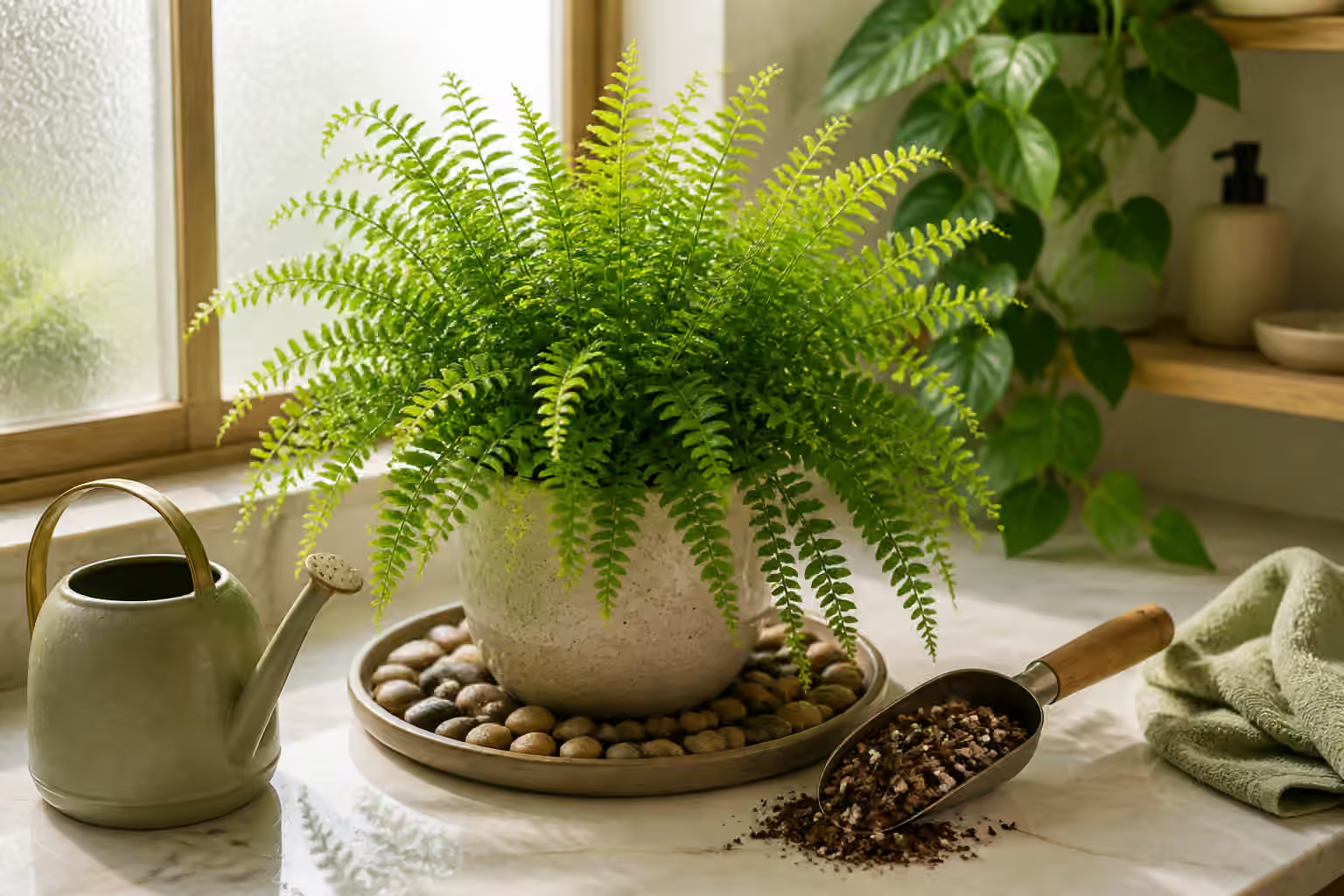
Pebble trays can protect a surface and create a small local zone, but the pot should not sit in water. The roots do not need a hidden swamp in the name of humidity. If humidity is the main suspect, measure the room broadly and look for patterns across several plants. If only the calathea is suffering, water quality, root moisture, pests, or light may be just as likely. Houseplant Humidity Without Misting keeps this topic grounded.
Temperature belongs with humidity. These plants dislike cold drafts, hot dry vents, and sharp swings. A leaf touching winter glass may crisp even if the rest of the room feels fine. A plant above a radiator may dry at the edges while the pot remains damp. Temperature and Drafts for Houseplants is a natural next read when damage appears on one side or during seasonal changes.
Inspect For Pests Before Blaming Sensitivity
Spider mites can be a real problem on thin-leaved houseplants, especially in dry rooms. Fine stippling, dull leaves, webbing in tight spaces, or a gritty feel under leaves should prompt close inspection. Thrips and other pests can also distort new growth. A calathea already stressed by dry air or uneven watering is easier to misread, so pest checks should be part of the routine rather than a last resort.
Use good light and inspect undersides, stems, and the newest rolled leaves. Isolate suspicious plants while you identify the issue. Avoid casual spraying without knowing what you are treating and without reading product labels. Spider Mites on Houseplants and Aphids, Thrips, and Mystery Bugs Indoors give the pest side more detail.
The calm calathea routine is steady and modest. Place the plant in bright indirect light. Keep the mix evenly moist but aerated. Improve humidity without soaking leaves. Use gentler water habits if the evidence points to mineral sensitivity. Check pests before blaming the plant’s personality. A perfect calathea leaf is lovely, but the real goal is a plant whose new growth tells you the room is becoming more predictable.