Bottom watering is a useful technique, not a personality. It helps when a dry rootball is reluctant to take water from the top, when a lightweight potting mix lets water run around the edges, or when you want to rehydrate a plant gently without blasting the soil surface. It becomes a problem when it turns into a ritual that keeps every pot sitting in water long after the rootball is evenly moist. The Houseplant Clinic approach is to use bottom watering for a specific condition, then return to reading the plant and pot.
What bottom watering actually does
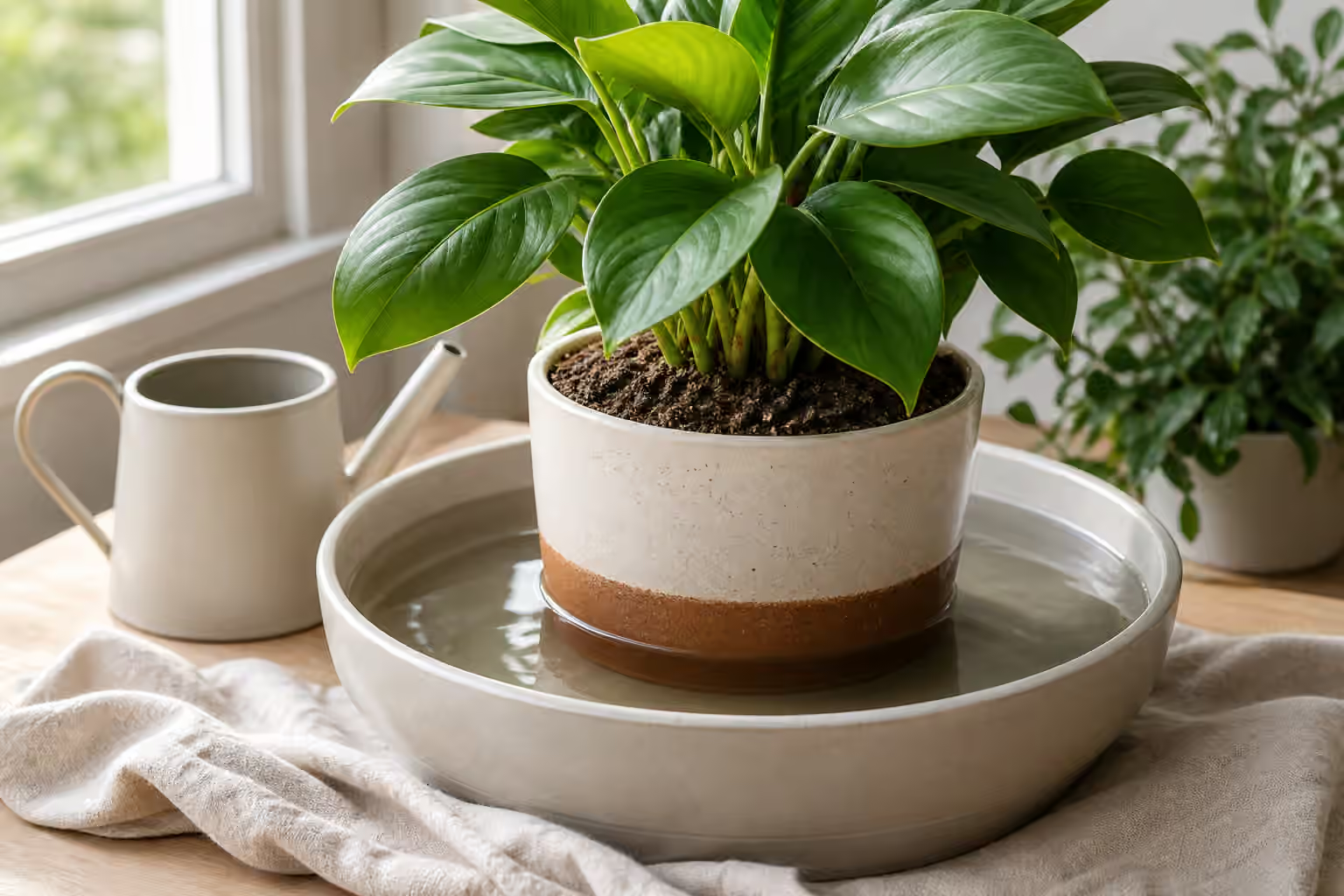
When a pot sits in shallow water, moisture moves upward through the drainage holes and into the potting mix. The process is slower than pouring water over the surface, which is exactly why it can help. A dry, peat-heavy, or compacted rootball may reject top watering at first. Water can bead on the surface, slide down a gap between soil and pot wall, and leave the center dry. From below, the mix has more time to absorb water through contact instead of impact.
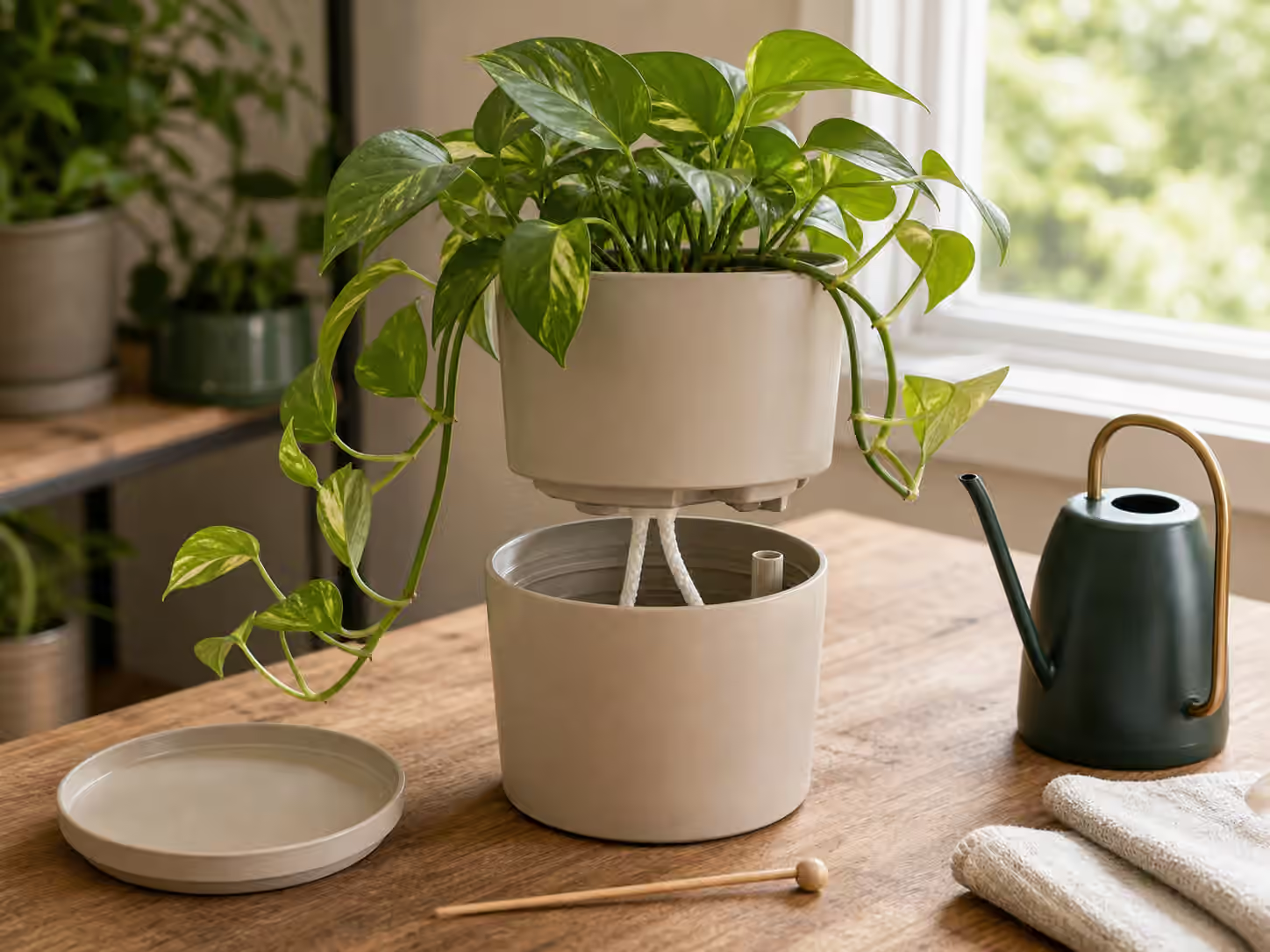
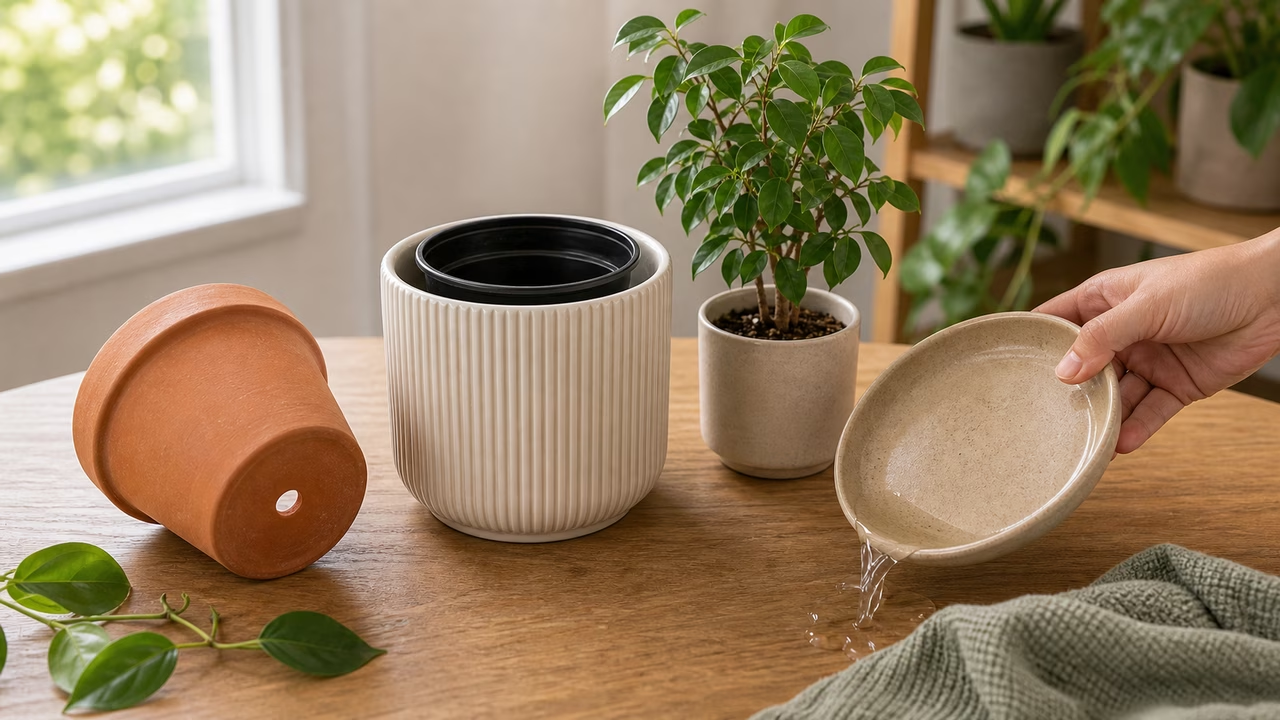
That does not mean bottom watering reaches every part of every pot. A very dense rootball can still have dry pockets. A tall pot may wick moisture unevenly. A pot with blocked drainage holes may absorb too slowly. A decorative cachepot can fool you into thinking the plant has drained when the inner pot is still sitting in a hidden pool. Bottom watering works best when the pot has real drainage holes, the basin is shallow enough to avoid flooding the entire pot wall, and you check the pot afterward rather than walking away.
The simplest sign that bottom watering is useful is a pot that feels light, has dry mix pulling slightly from the sides, and fails to absorb top watering evenly. That is different from a plant that is drooping while the pot is heavy and cool. A wilted plant in wet soil is not asking to be soaked again. If that distinction is not clear, pause with Overwatered vs Underwatered Houseplants before choosing a watering method.
Use a soak as a reset, not a habit
A good soak begins with preparation. Use a sink, tub, tray, or basin that is clean enough for plant care and deep enough to cover the drainage holes without submerging the whole pot. Set the plant in the water and give it time. You are not trying to drown the mix; you are allowing dry material to rehydrate. The top of the soil may darken, the pot may become noticeably heavier, and bubbles may escape from the drainage holes as air is replaced by water.
The important ending is drainage. Lift the pot, let water run out freely, and keep it out of a cachepot until dripping has stopped. Then lift the pot again and remember the weight. That heavy, freshly watered feel becomes part of your mental scale. Over the next days, the pot should gradually become lighter. If it stays heavy for a long time, bottom watering did not create the whole problem, but it revealed one: low light, dense mix, a pot that is too large, poor drainage, or a plant whose roots are not using water quickly.
This is why bottom watering should not be separated from the broader watering practice in Moisture Meters, Fingers, and Pot Weight . A moisture meter can misread some mixes, fingers only reach so deep, and visual soil checks can be fooled by dry surfaces. Pot weight connects the method to the whole rootball. After a bottom soak, weight tells you whether the plant has returned to a normal drying rhythm or whether the pot is holding more water than the roots can safely use.
When top watering is still better
Top watering has advantages that bottom watering does not replace. It flushes some accumulated mineral salts down and out of the pot when drainage is clear. It lets you observe how quickly water enters the mix. It shows whether water is running straight through channels, pooling on top, or escaping around the edge. It rinses the surface lightly when fertilizer residue or fine dust is present. A plant that is healthy, evenly potted, and drying predictably may not need bottom watering at all.
Some situations call for caution. If the pot has no drainage hole, bottom watering is not possible in the useful sense; the plant is simply sitting in a container that cannot empty. If roots are suspected to be rotting, soaking can make oxygen-starved conditions worse. If the plant is in a heavy decorative pot that cannot be lifted easily, a hidden reservoir of water may remain after the session. If there is a pest treatment or product on the soil surface, do not soak blindly; follow the label or avoid mixing methods until you know what is safe for that product.
Plants with fuzzy leaves, tight crowns, or leaves that spot easily are sometimes recommended for bottom watering because it keeps foliage dry. That can be helpful, but it should not distract from the roots. A plant does not benefit from dry leaves if the root zone stays wet for too long. The safer habit is to water in a way that suits the pot and plant, keep leaves reasonably dry when needed, and make sure the container drains fully afterward.
Diagnose the reason the pot needed soaking
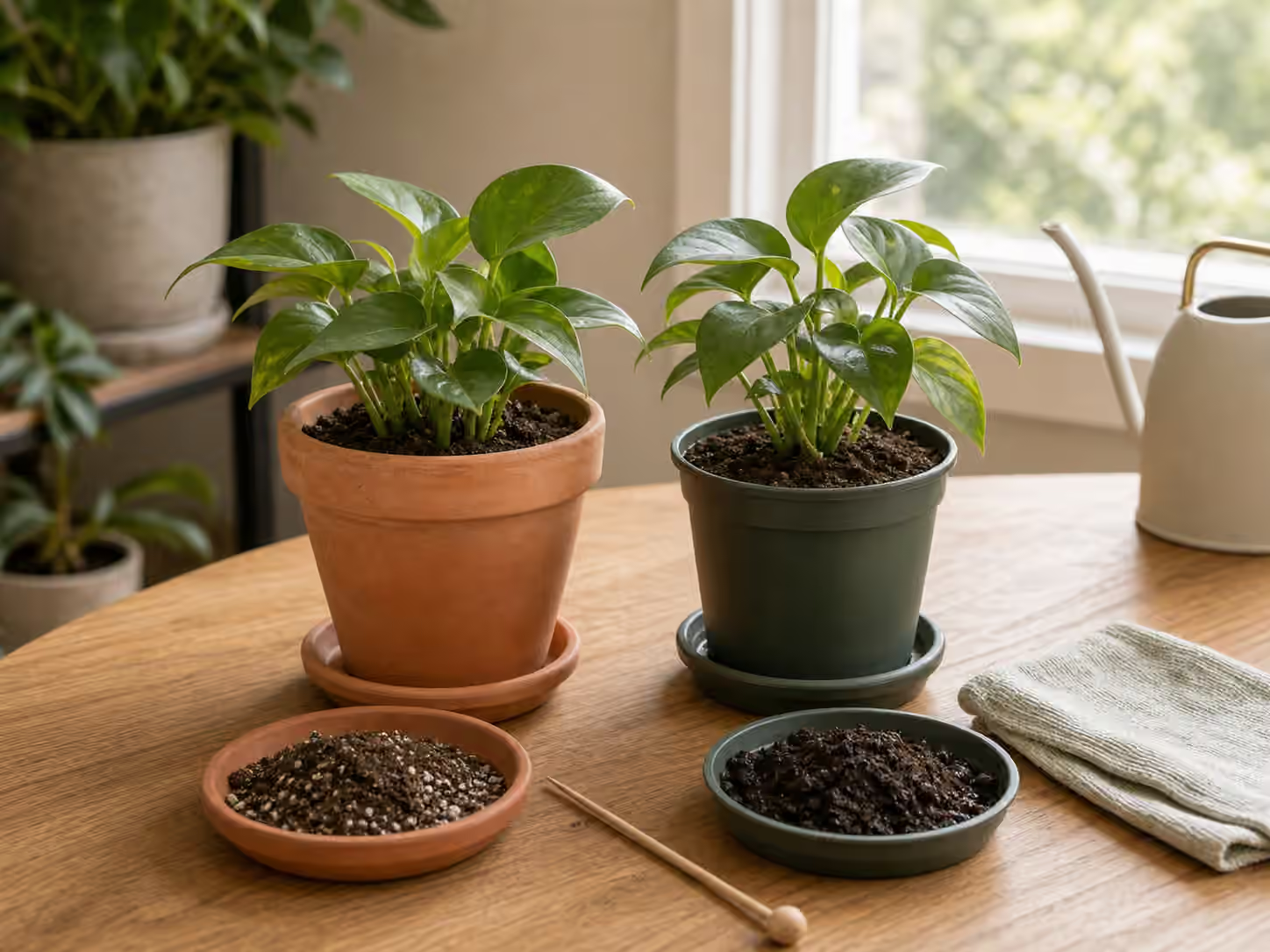
If a plant needs a bottom soak once after shipping, vacation neglect, or a hot week, that may be the whole story. If it needs soaking every time because top watering fails, the potting setup deserves attention. The mix may have become hydrophobic. The rootball may be packed too tightly. The plant may be in a nursery plug surrounded by a different outer mix. The pot may have dried so severely that it pulls away from the wall and creates a path for water to bypass the center.
In those cases, bottom watering is a bridge, not the destination. A bridge buys time and prevents repeated dry-core watering. Later, when the plant is stable, you may need to refresh the mix, loosen a tight outer root mat, or repot into a container that matches the roots. The guidance in Potting Mix for Houseplants and When to Repot a Houseplant helps you decide whether the setup is merely thirsty or structurally hard to water.
Watch the leaves after a successful soak, but do not expect damaged tissue to repair itself. A plant that was truly dry may regain firmness within hours, while old crispy edges stay crisp. Newer leaves and stems tell the cleaner story. If the plant droops again quickly, the rootball may be too small for the top growth, the room may be too hot, or the mix may be drying faster than your care rhythm allows. If the plant turns yellow while still heavy, the soak may have been applied to a wet-root problem by mistake.
Make the method quiet and repeatable
The best bottom watering routine is plain. Check the plant first. Use a clean basin. Let the pot absorb water only until the rootball is evenly moist. Drain completely. Record what happened if the plant has been confusing. Then wait for the next real signal before watering again. The technique should make the plant easier to read, not add another rule to obey.
For many homes, a mixed approach is most realistic. Top water most of the time when the pot accepts water well and needs occasional flushing. Bottom water when a dry rootball needs a slower reset or when a specific plant benefits from foliage staying dry. Avoid the argument over which method is universally correct. Houseplants live in particular pots, rooms, mixes, and seasons. The right method is the one that gets water to the roots, lets excess water leave, and gives the plant enough air afterward to keep growing.