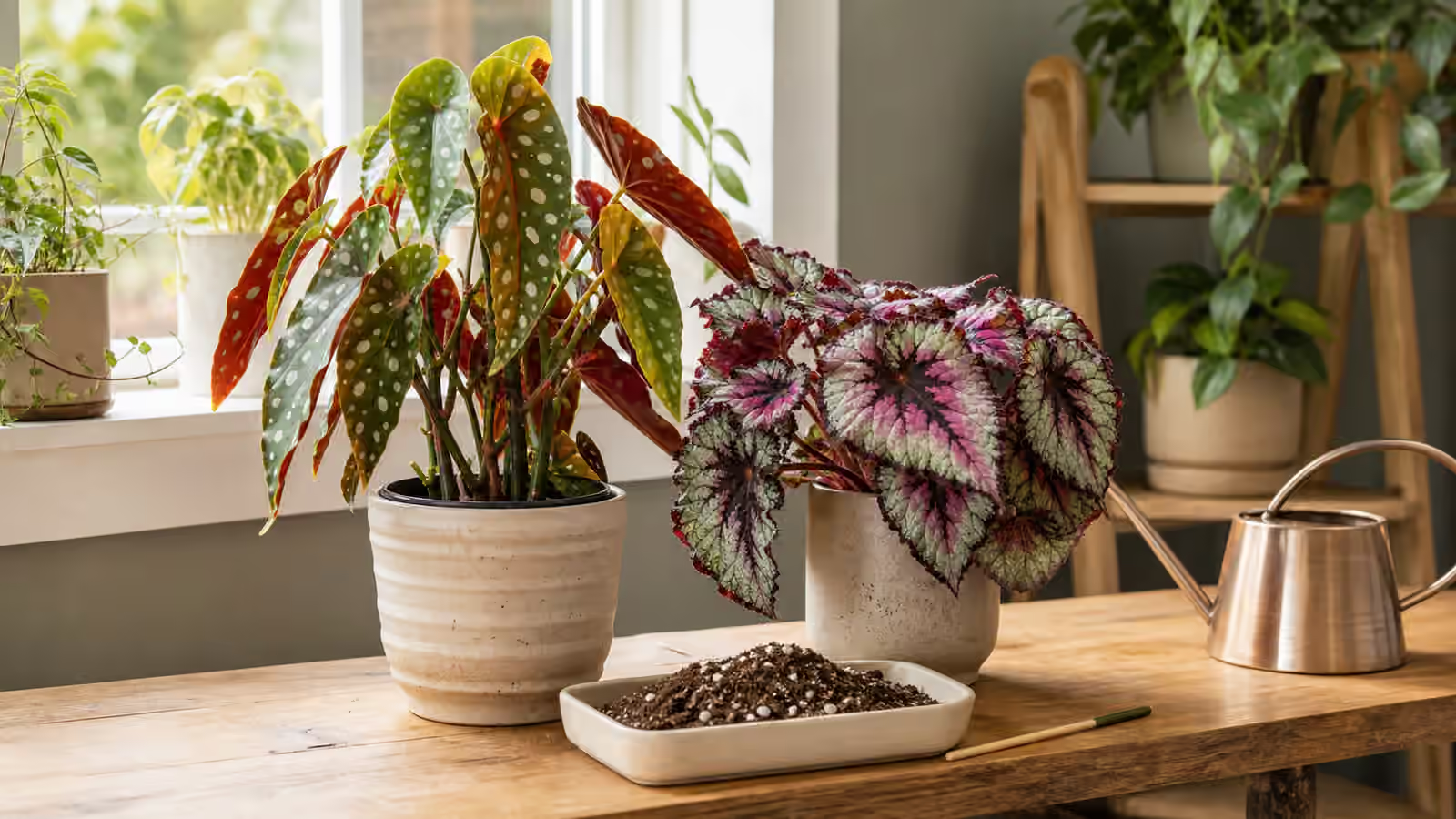
Indoor begonias can be generous plants when their particular growth habit is respected. A cane begonia with upright stems, a rex begonia with ornate leaves, and a rhizomatous begonia crawling across the pot do not behave exactly alike, yet they often fail for similar indoor reasons. They are kept too dim, watered from habit, left in heavy soil, chilled near glass, or crowded where leaves stay damp and stale. Begonia care is less about fussing over every patterned leaf and more about giving delicate roots and tender foliage a steady room.
Know Which Begonia You Are Reading
The word begonia covers many indoor shapes. Cane begonias grow on upright segmented stems and can become tall, branching plants with spotted or wing-shaped leaves. Rex begonias are usually grown for leaf color and texture, often with a more compact habit and a reputation for reacting strongly to poor conditions. Rhizomatous begonias creep across the soil surface and produce leaves from a thickened stem. Tuberous forms may be more seasonal. The label may not tell the whole story, so the plant’s structure is your first clue.
This matters because a cane begonia can be pruned and supported differently from a low rex begonia. A rex begonia may show stress quickly through crispy edges or collapsed leaves, while a cane begonia may stretch and shed lower foliage when light is weak. A rhizomatous plant may look as if it sits on the surface because that is how it grows. Before changing care, look at where new leaves emerge, how the stems hold themselves, and whether the plant is naturally upright, trailing, mounded, or creeping.
If you are unsure, treat the plant gently and read its response. Begonias are not usually plants for rough repotting, repeated location changes, or heavy-handed watering experiments. A quiet week of observation can tell you more than a shelf full of products.
Give Bright Filtered Light, Not Harsh Correction
Many begonias want bright filtered light. Too little light leads to weak growth, long spaces between leaves, slow drying soil, and a plant that becomes easier to overwater. Too much direct sun can bleach or scorch delicate foliage, especially patterned leaves that were grown under softer conditions. The useful place is often near a bright window with protection from the harshest direct exposure, or under a well-set grow light that does not heat the foliage.
Do not judge the room by human comfort alone. A corner that feels pleasant to sit in may be too dim for steady begonia growth. If the plant leans, stretches, makes smaller leaves, or holds wet soil for too long, light deserves a closer look. Bright Indirect Light Explained and How to Check Indoor Plant Light are useful companions because begonias often sit in decorative spots chosen for color rather than plant energy.
When improving light, move gradually. A plant from a store shelf or dim room can burn if placed suddenly against hot glass. Shift it closer, watch the next leaves, and compare the side facing the window with the side facing the room. Better light should make growth steadier, but it will not erase old crispy margins or repair leaves that were already stressed.
Water Carefully And Keep Foliage From Staying Wet
Begonia roots usually prefer even moisture with air, not a heavy saturated pot. The surface can dry while the lower mix remains damp, or the top can look fine while the center is stale. Water when the plant and pot show need, water thoroughly enough to reach the root zone, and let excess drain away. Then wait until the mix has dried to the right point for that plant. Calendar watering is especially risky because begonias respond quickly to the combination of wet roots and weak light.
The leaves can confuse the decision. A wilted begonia may be thirsty, but it may also have damaged roots. If the pot is dry and light is good, a full watering may help. If the pot is wet and the leaves are limp, more water can deepen the problem. Use pot weight, a skewer, and the plant’s recent history rather than the top surface alone. Moisture Meters, Fingers, and Pot Weight gives a practical routine for this kind of plant.
Avoid leaving begonia leaves wet for long periods indoors. Splashing the foliage, crowding plants tightly, or misting repeatedly can create a stale leaf environment even when the root zone is not the main problem. This is not a promise that dry leaves prevent every disease; it is simply a practical houseplant habit. Water the mix, keep air moving gently, and give leaves space to dry after any cleaning or accidental splash.
Soil, Pots, And Repotting Should Stay Gentle
A begonia potting mix should hold moisture but remain open enough for air. Dense soil that stays wet for many days is a common indoor problem. A small amount of bark, perlite, pumice, or other structure can help, depending on the plant and room. The goal is not an extreme cactus mix for every begonia. The goal is a root zone that wets evenly, drains clearly, and does not sour in ordinary indoor light.
Choose a pot size that matches the roots, not the visual spread of the leaves. A cane begonia may look large above the soil while still having a modest root ball. A rex begonia may decline in a pot that holds too much damp mix. If the nursery pot drains well and the plant is stable, there is no need to rush into a decorative upgrade. Use a cachepot as an outer sleeve if you want the look without trapping water. Drainage Holes and Cachepots Explained is relevant here because begonias often end up in pretty containers before their watering rhythm is understood.
Repotting should be measured. If the mix is collapsed, roots are crowded, or water behavior is clearly wrong, a careful repot can help. If the plant is only adjusting to a new home, wait unless the pot is unsafe. Acclimating a New Houseplant is a good first-week habit for begonias because early overcorrection causes many avoidable setbacks.
Prune For Shape And Renewal
Cane begonias can become tall and bare if they grow in weak light or are never pruned. Pruning above a node can encourage branching and keep the plant from becoming a single awkward stem. The cut should follow a care correction, not replace it. If the plant is leggy because it is too far from the window, pruning without better light simply starts the same pattern again. Pruning Leggy Houseplants explains that sequence beyond begonias.
Rex and rhizomatous begonias need a lighter hand. Removing dead leaves, cleaning crowded debris from the soil surface, and trimming damaged tissue can help airflow and inspection. Hard pruning a stressed plant because it looks untidy may remove the leaves it needs to recover. Let the plant show active growth before making large shape changes.
Many begonias propagate from stem cuttings, leaf pieces, or rhizome sections, depending on the type. Propagation is useful when a cane is getting tall, when a plant has sentimental value, or when you want a backup before a reset. It is not a cure for poor conditions by itself. Cuttings still need appropriate light, moisture, warmth, and patience. Houseplant Propagation Methods can help you match the method to the plant structure.
Read Leaf Problems Slowly
Crispy begonia edges may involve low humidity, inconsistent watering, salt buildup, sun scorch, cold drafts, or old stress. Pale or stretched growth may point toward low light. Limp leaves in wet soil raise concern about roots. Fine speckling, distorted new leaves, or sticky residue should trigger a pest inspection. The same visible symptom can come from several causes, so begin with the setup rather than naming the leaf.
Inspect the undersides and stem joints regularly. Begonias can attract pests, and their leaf texture can hide early damage. If you see movement, webbing, cottony clusters, or distorted new growth, isolate the plant and confirm the problem before treating. Spider Mites on Houseplants and Aphids, Thrips, and Mystery Bugs Indoors are better starting points than spraying blindly.
Good begonia care is steady rather than heroic. Give the plant bright filtered light, an airy root zone, careful watering, clean spacing, and pruning that matches its growth habit. Accept that old leaves may retire and that patterned foliage will show history. The aim is a plant that keeps producing sound new growth in the room you actually have.