Anthuriums are often bought for their glossy leaves and long-lasting colorful spathes, then treated like ordinary flowering gift plants. That mismatch causes many problems. An indoor anthurium is an aroid with roots that need air, leaves that prefer bright filtered light, and flowers that depend on the plant having enough energy rather than on constant feeding. If you care for the roots and the room first, the blooms become part of the plant’s rhythm instead of a pressure campaign.
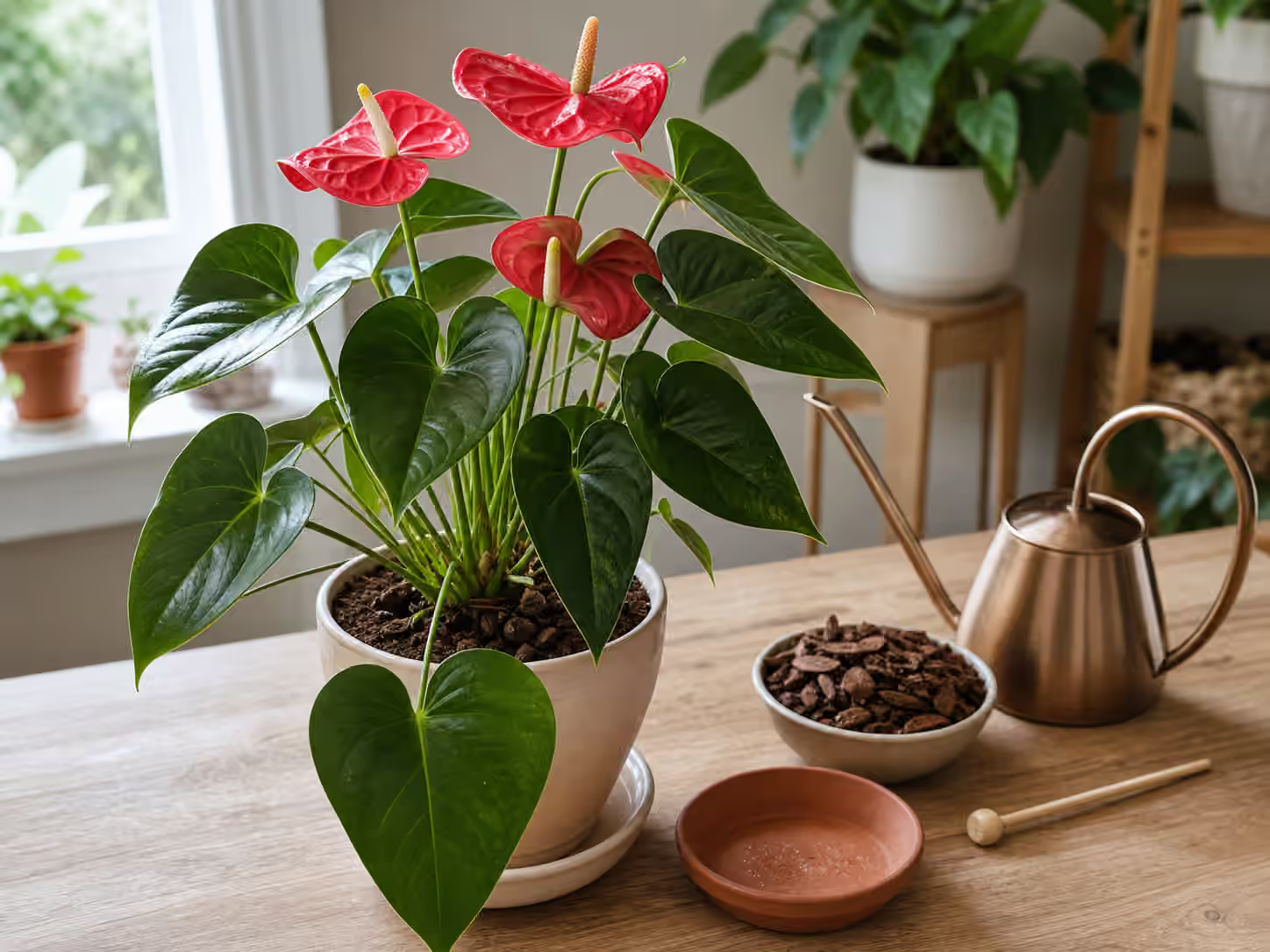
The red, pink, white, or green “flower” people notice is usually a spathe with a central spadix. It can last for weeks under good conditions, but the plant is not failing every time a spathe fades. Old blooms age, new leaves take energy, and indoor conditions change through the year. Good anthurium care is less about forcing constant color and more about keeping the plant able to make clean new growth.
Use Bright Filtered Light
Anthuriums usually want bright indirect light indoors. A dim shelf can keep a plant alive for a while, but it often reduces flowering, slows drying, and makes watering harder. A harsh hot window can scorch leaves and spathes. The best position is often near a bright window with filtered light, slightly to the side of stronger sun, or under a well-placed grow light that does not overheat the leaves.
Read the plant across several weeks. If new leaves are small, the plant leans, and the pot stays wet long after watering, light may be too low. If exposed leaves show pale tan patches, crispy areas, or damage mainly on the window-facing side, light may be too intense. Bright Indirect Light Explained is a useful companion because anthurium care depends on finding a middle ground rather than choosing between darkness and sun.
Do not move the plant every few days chasing a bloom. A stable bright position lets you learn its watering rhythm. If you need to increase light, do it gradually and watch leaf temperature, not only brightness. A plant grown in a protected shop or greenhouse corner can burn when suddenly pressed against hot glass.
Keep Roots Airy And Moist, Not Stale
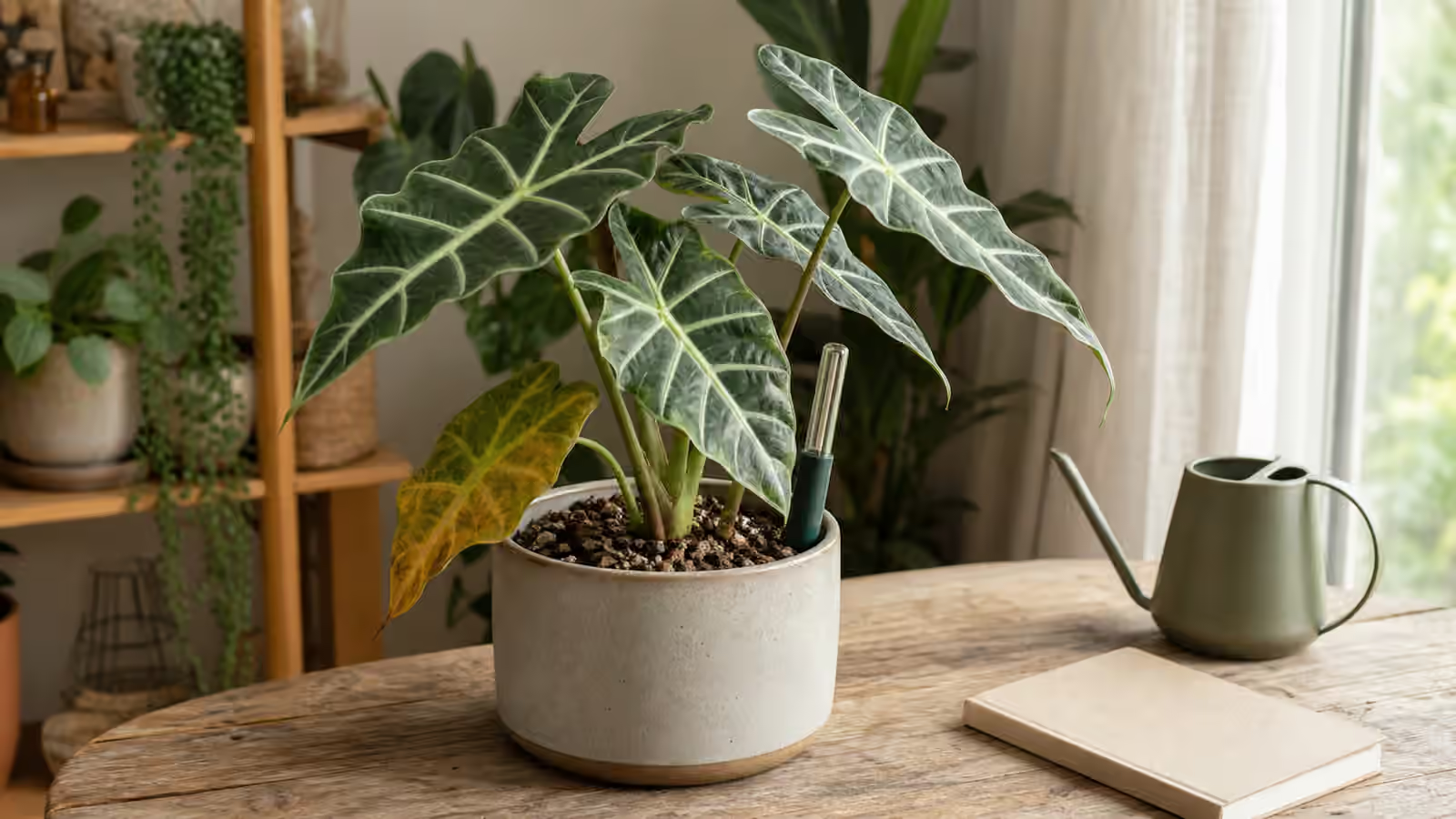
Anthurium roots need both moisture and oxygen. Many problems begin when a plant is left in dense, collapsed, or constantly wet mix. The top may look tidy while the center becomes stale. Roots may darken, soften, or stop taking up water, and the leaves may yellow or droop in a way that gets mistaken for thirst. More watering then worsens the condition.
A suitable mix usually has structure. Bark, perlite, coir, peat, and other components can all play roles, but the exact recipe matters less than behavior. Water should move through the pot, the mix should not collapse into a paste, and the root zone should dry enough between waterings that air returns. If the plant arrives in a dense nursery plug, let it acclimate before disturbing it unless there is evidence of rot or drainage failure. Acclimating a New Houseplant is helpful because anthuriums often need a quiet transition after purchase.
Water when the mix has begun to dry but before the plant is repeatedly wilting hard. Then water thoroughly and let excess drain away. A cachepot with standing water is especially risky because anthurium roots can decline while the top still looks attractive. If the plant is drooping, check pot weight, drainage, and root smell before assuming thirst. Overwatered vs Underwatered Houseplants gives that comparison a calmer structure.
Treat Humidity As Support, Not A Cure
Anthuriums often appreciate moderate humidity, but humidity does not compensate for poor light or stale roots. A plant in a dim wet corner will not become healthy because the air is damp. A plant near a hot vent may develop dry edges even while the pot remains too wet. The useful question is whether the whole environment is steady: light, warmth, airflow, moisture, and room placement.
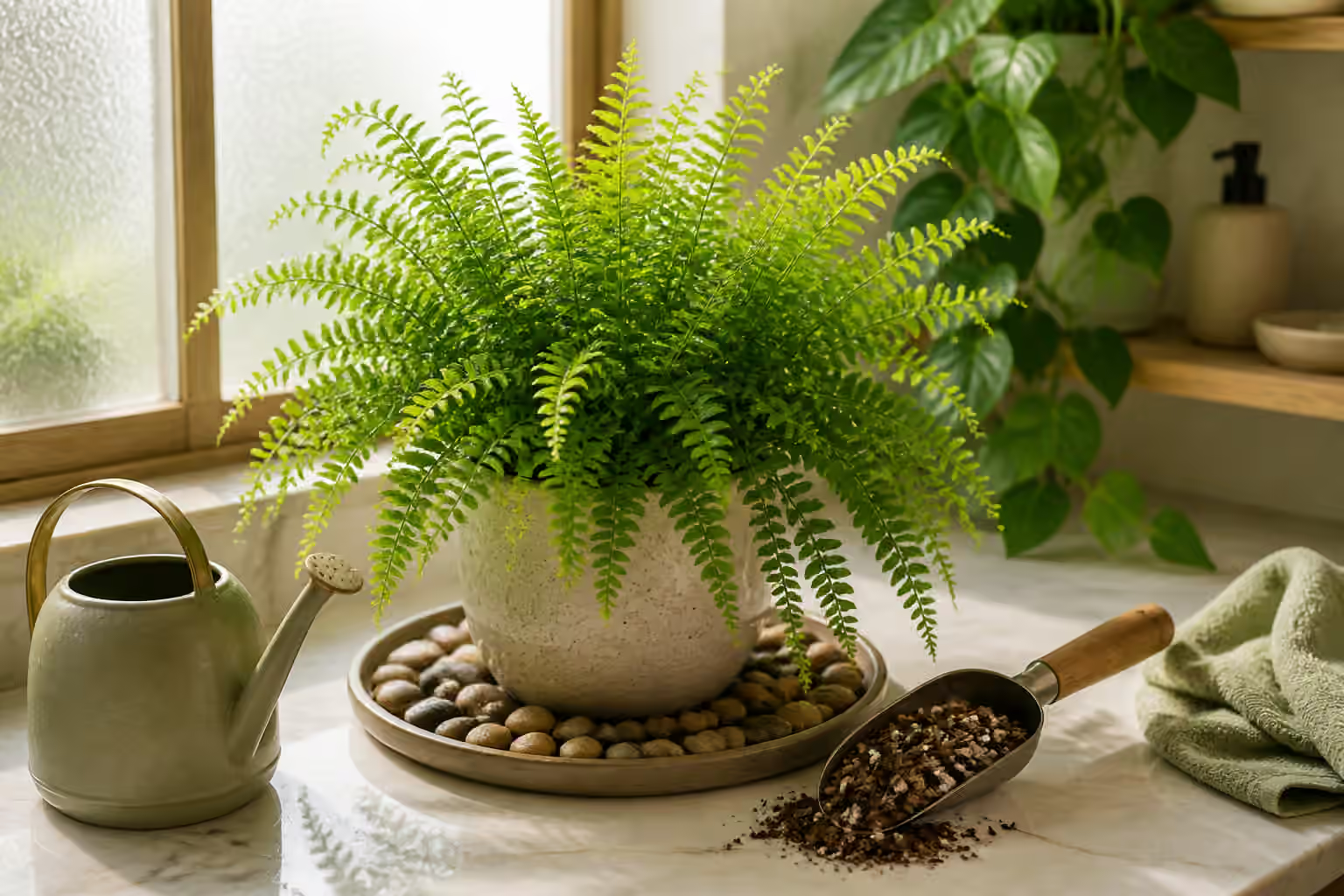
Grouping plants can create a slightly gentler local environment, but crowded leaves can hide pests and slow surface drying. A humidifier can help in a dry room if it is maintained responsibly and placed where vapor does not soak leaves, walls, furniture, or outlets. Pebble trays can protect surfaces and add a little local moisture, but the pot should not sit in water. Houseplant Humidity Without Misting keeps this topic grounded because misting is often a weak answer to a broader setup problem.
Temperature belongs in the same conversation. Anthuriums dislike cold drafts and sharp swings. Damage after a winter window move may look like watering stress at first. A plant placed where an air conditioner, heater, or door changes the microclimate may show uneven leaf wear. Read the side of the plant facing the stress source before changing the root routine.
Feed For Growth, Not Panic
Fertilizer can support an anthurium that is actively growing in good light with healthy roots. It cannot create blooms from a stressed plant in stale mix. Overfeeding can leave salts that burn root tips, brown leaf edges, or create crust on the surface. If blooms fade and the plant otherwise looks healthy, the answer may be time and light rather than more fertilizer.
Use restrained feeding during active growth and follow product labels. If the plant is newly purchased, recently repotted, root-stressed, or living in low light, wait. The guide to Fertilizer Without Guesswork is especially relevant here because blooming plants tempt people to treat fertilizer like a command. It is better understood as support for growth that the plant is already equipped to make.
Water quality can matter if leaf edges brown repeatedly, the pot shows crust, and other care factors are steady. Sensitive plants may respond to accumulated salts, especially when watering is shallow or drainage is poor. Before changing water sources, make sure the pot drains, the plant receives enough light, and feeding is modest. Water Quality for Houseplants helps separate a real residue pattern from ordinary old-leaf wear.
Inspect Glossy Leaves And Tight Spaces
Anthuriums can attract or hide pests on undersides, petioles, new growth, and the junctions where leaves emerge. Mealybugs, scale, spider mites, and thrips leave different clues. Sticky residue, cottony patches, small brown bumps, stippling, distorted new leaves, or moving specks should prompt isolation and close inspection. Glossy leaves can make pests easier to see, but only if you actually turn the plant and look.
Avoid casual spraying before identification. A stressed anthurium with wet roots and a few old blemishes does not need a pesticide experiment. If pests are present, read labels and treat according to the identified problem. Houseplant Pest Inspection Routine is a good first stop, and Mealybugs and Scale on Houseplants is especially useful for the tight stems and undersides where these pests can settle.
Prune old spathes and yellow leaves cleanly when they are mostly spent. Do not remove healthy leaves simply because the plant looks less floral than the day it came home. Leaves are the plant’s energy system. If the newest leaves are clean and the roots are sound, the plant is likely moving through a normal indoor rhythm.
An anthurium becomes easier when you stop measuring success only by color. Place it in bright filtered light, keep the root zone airy, water by condition, support humidity without soaking the plant, feed lightly only when growth justifies it, and inspect regularly. A plant that makes firm new leaves in a predictable setup is already on the path toward future blooms.