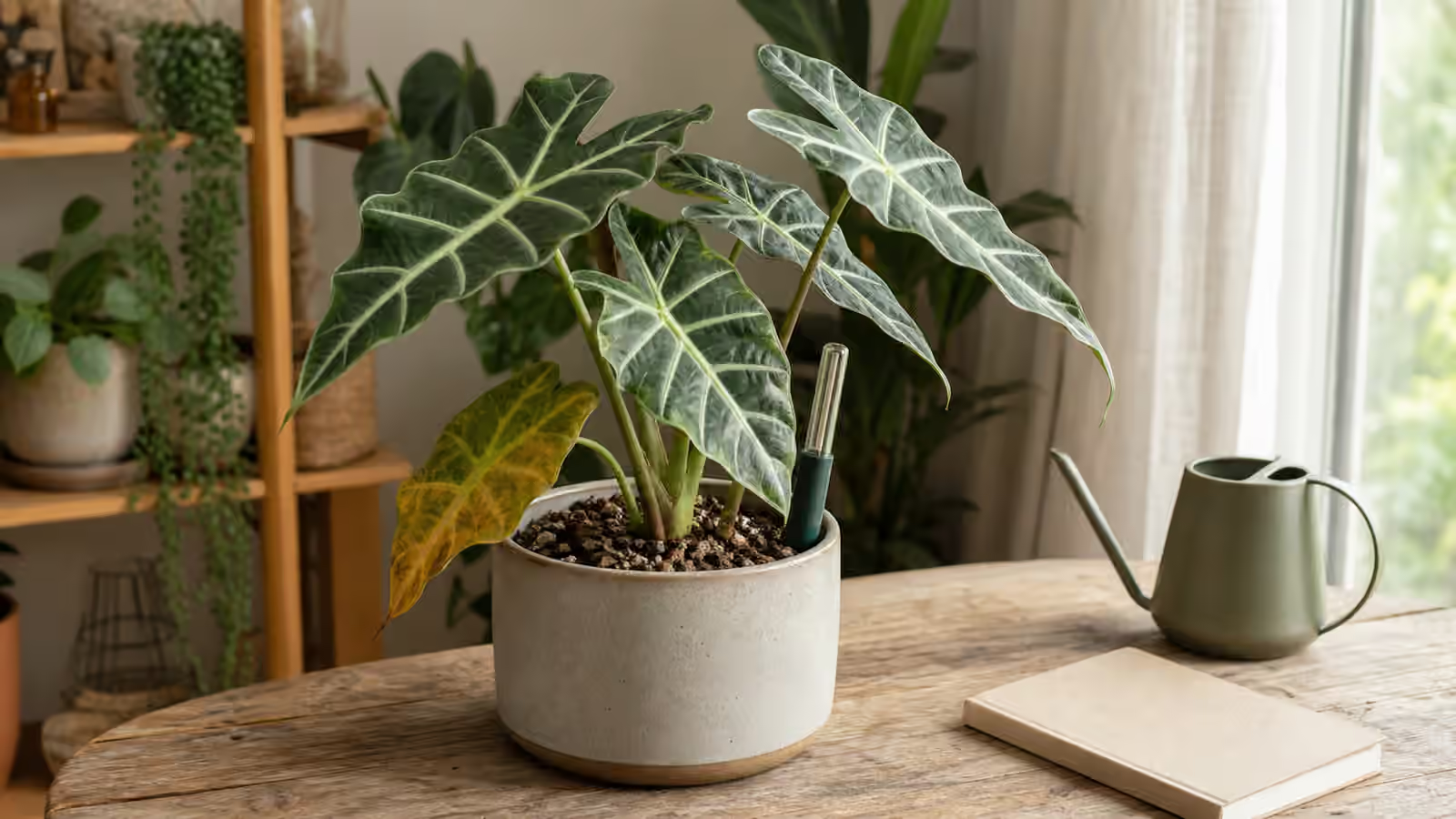
Alocasia can look dramatic in a room without being a mysterious plant. The large arrow-shaped leaves, raised veins, and upright stems make it easy to treat every change as a crisis, but most indoor problems come from a familiar set of conditions: weak light, wet heavy soil, dry air combined with uneven watering, cold drafts, pest pressure, and normal leaf turnover being mistaken for failure. The plant asks for attention, but it does not reward constant interference.
Start With The Light Before The Drama
Alocasia needs more usable light than many people expect from a leafy tropical-looking plant. A dim corner may keep a leaf or two alive for a while, but it often leads to slow growth, weak stems, long drying times, and a pot that stays wet longer than the roots can comfortably use. The plant may produce smaller leaves, lean toward the window, or lose older leaves without replacing them quickly. Those symptoms can look like a watering issue, but light is often the first limit.
Bright filtered light is usually the indoor target. Near an east window, close to a bright north window, or set back from stronger south or west exposure can work, depending on the room. Direct sun through hot glass should be introduced carefully because leaves that were grown in nursery shade can scorch when moved suddenly. If the room only has weak natural light, a grow light can help, but distance, coverage, and heat matter. How to Check Indoor Plant Light is the better starting point than guessing from how bright the room feels to human eyes.
The useful question is not whether alocasia likes “bright indirect light” as a phrase. The useful question is whether the specific leaf canopy has enough energy to grow and enough warmth and airflow for the pot to dry at a steady pace. When light improves, do not expect old leaves to repair. Watch the next leaf, the strength of the petiole, and the drying rhythm of the pot.
Water For Roots, Not For Mood
Alocasia dislikes both neglectful drought and soggy heaviness. That middle ground is where many indoor owners struggle. The plant can wilt when too dry, but it can also droop when the root zone is damaged or oxygen-starved. A dramatic droop does not automatically mean “water immediately.” Check the pot before reacting. Lift it, test deeper than the surface, and notice how long it has stayed damp since the last full watering.
Water thoroughly when the mix has dried to the appropriate point for the plant and pot, then let excess drain. The exact interval changes with season, light, pot size, room temperature, and soil texture. A large decorative pot in low light may stay wet for too long. A small nursery pot near a warm window may dry fast. Stop Watering Houseplants on a Schedule and Moisture Meters, Fingers, and Pot Weight are more useful than copying someone else’s weekly routine.
If a plant wilts while the mix is still wet, slow down. Check for cold exposure, root stress, and drainage trouble before adding more water. If it wilts when the pot is genuinely dry and light is good, water completely and let the plant rehydrate without turning the next week into a rescue campaign. Alocasia often responds better to a steady rhythm than to alternating drought and panic watering.
Keep The Mix Airy And The Pot Proportional
The root zone should hold moisture but not behave like a sealed sponge. Alocasia usually does better in an airy mix with structure than in dense potting soil that collapses and stays wet. Bark, perlite, pumice, coco chips, or similar chunky components can keep air moving through the root ball. The exact recipe depends on the room, but the result should be clear: water enters, drains, and the center of the pot does not remain stale for many days.
Pot size matters because alocasia foliage can make the plant look larger than its root system. A pot chosen for leaf drama rather than root volume can create too much damp soil around the plant. If the plant tips or feels unstable, solve stability thoughtfully instead of jumping several pot sizes. Pot Size and Plant Stability is a useful companion because tall leaves can make owners overpot.
Repot only when the evidence points there. Roots circling tightly, mix that no longer wets properly, a plant drying too fast in strong light, or sour wet soil can justify a change. A plant that is already stressed by a recent move, pest pressure, or weak light may not need the extra disturbance. Repotting Houseplants Without Panic keeps the decision proportional.
Humidity Helps, But It Does Not Replace Setup
Alocasia often appreciates a room that is not desert dry, but humidity is not a magic correction for poor light or wet roots. Brown edges, crispy tips, and stalled leaves can involve dry air, but they can also involve inconsistent watering, mineral buildup, root stress, sun scorch, cold drafts, or pest damage. Before building an elaborate humidity project, check the basics.
Misting is a weak habit for most homes because it changes the leaf surface briefly and can leave foliage wet without meaningfully changing the room. Grouping plants, using a humidifier carefully, choosing a better room, or simply keeping watering and light steadier often matters more. If you do use a humidifier, avoid soaking leaves and nearby surfaces, and keep the setup clean. Houseplant Humidity Without Misting covers that distinction in more detail.
Temperature belongs in the same conversation. Alocasia can sulk near cold windows, exterior doors, or strong heat vents. A plant that looks fine in summer may decline in winter when the window zone becomes colder and the pot dries more slowly. Temperature and Drafts for Houseplants gives a useful way to read those seasonal shifts without blaming every leaf on humidity.
Expect Leaf Turnover And Watch For Pests
Alocasia does not keep every leaf forever. Older leaves may yellow and decline as the plant redirects energy, especially after a move, during darker months, or while producing new growth. One older leaf fading slowly while the rest of the plant is firm is different from several leaves collapsing at once. Read the pattern before cutting or treating. Old damage is history; new damage is the current report.
Pests deserve a close look because alocasia leaves and petioles give small insects sheltered places to settle. Spider mites can dull leaves and create fine stippling. Thrips may distort new growth. Mealybugs can hide near stems and folds. Inspect the undersides, petiole bases, and new leaf rolls, especially on a plant that suddenly looks dusty, speckled, or stalled. Houseplant Pest Inspection Routine is the calm path before any treatment.
Some alocasia plants slow down or drop leaves during a seasonal rest indoors. That can be normal if the base remains firm and the roots are not rotting. Keep the pot barely appropriate to the plant’s activity rather than watering as if it were pushing summer growth. When better light and warmth return, the plant may restart from the corm or existing crown. The key is patience with evidence: firm tissue, sound roots, controlled moisture, and no spreading pest problem.
Alocasia care becomes easier when the plant is allowed to be a plant with cycles instead of a room ornament that must look perfect every day. Give it enough filtered light, a breathable root zone, measured watering, stable warmth, and routine inspection. Then judge success by the next healthy leaf and the steadiness of the whole plant, not by the oldest leaf it was ready to shed.