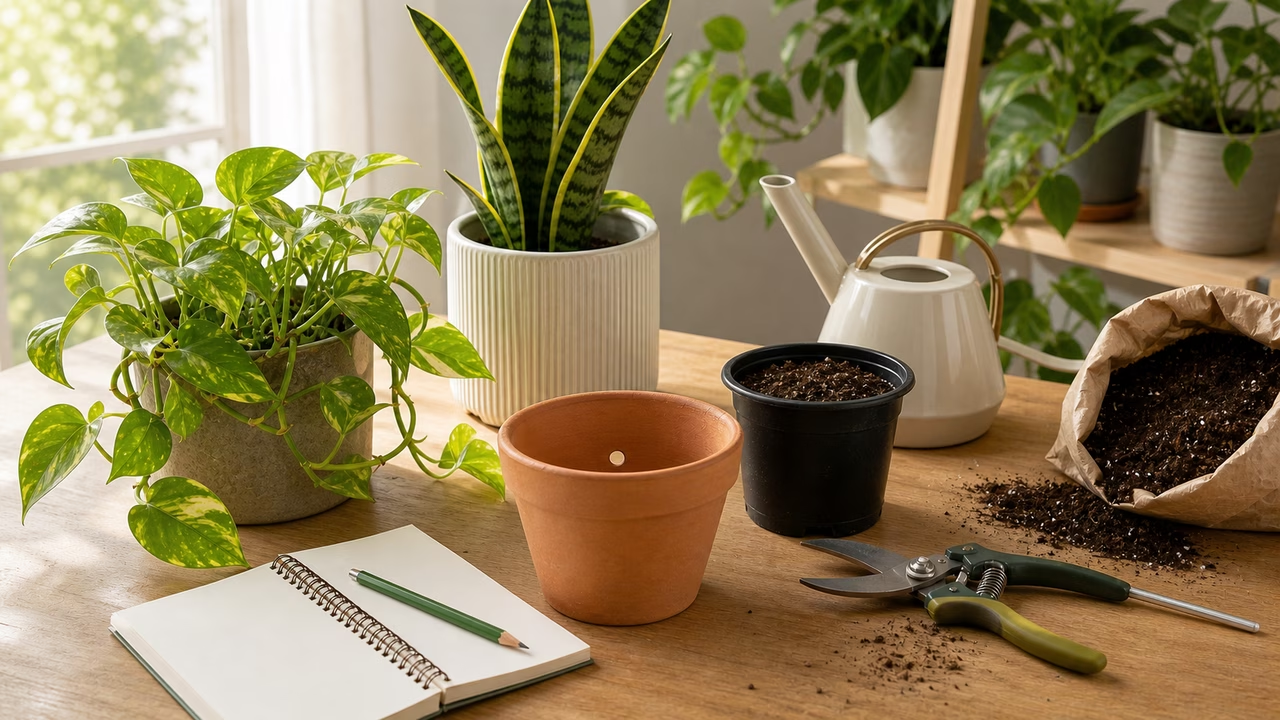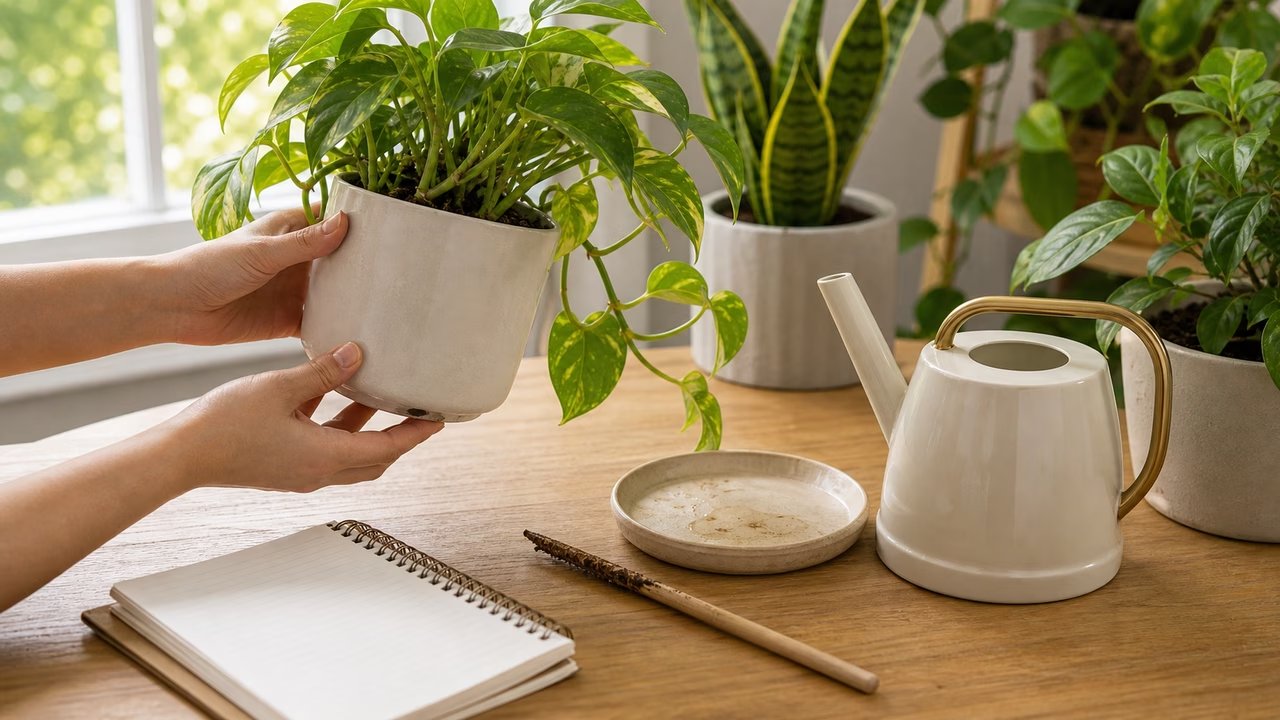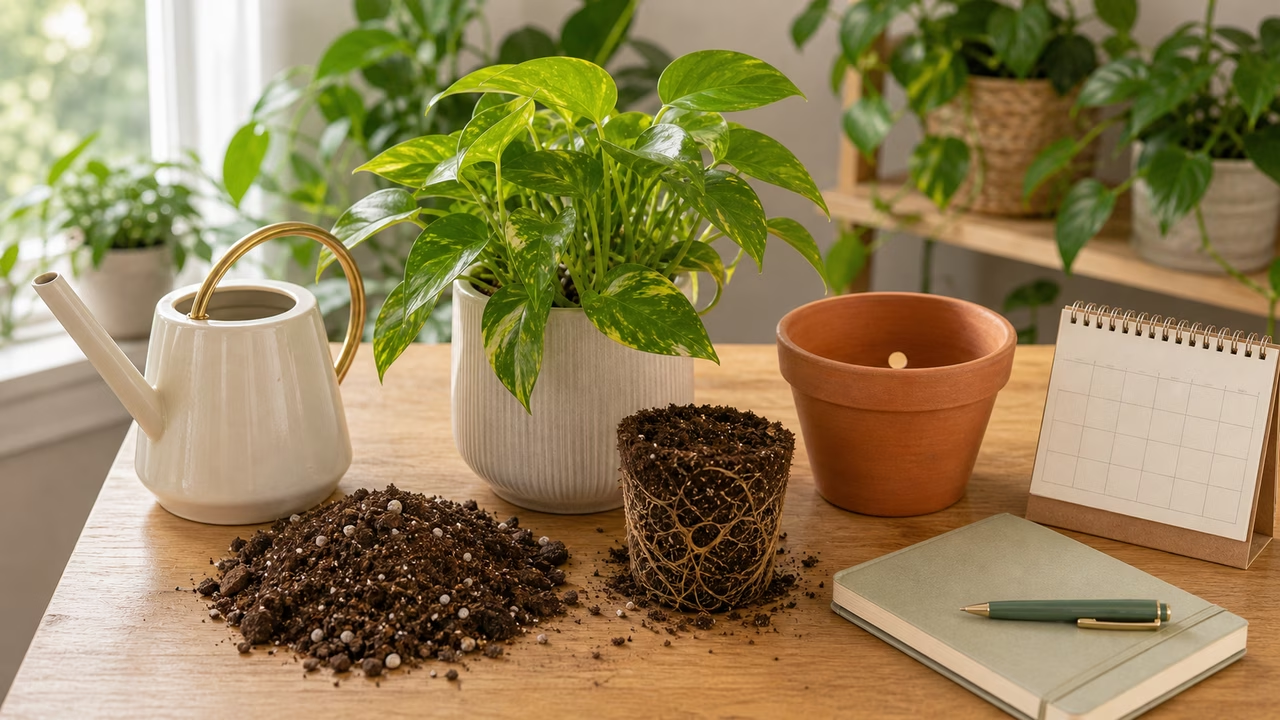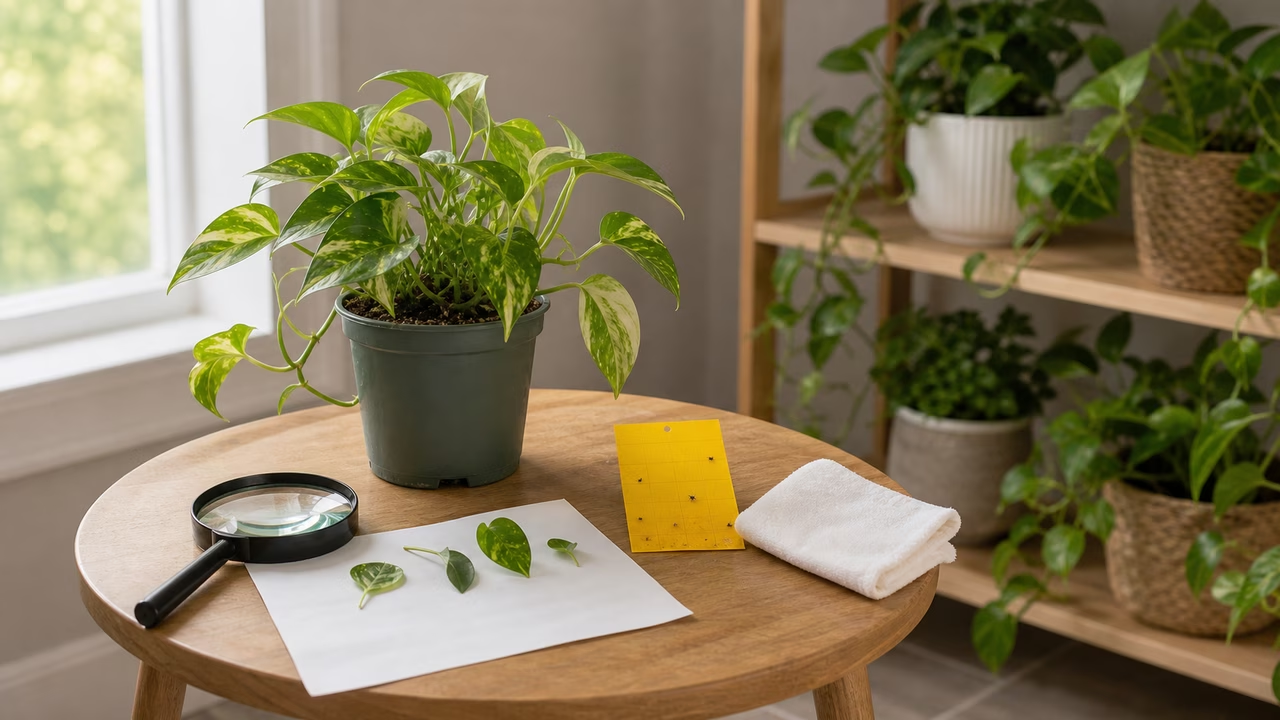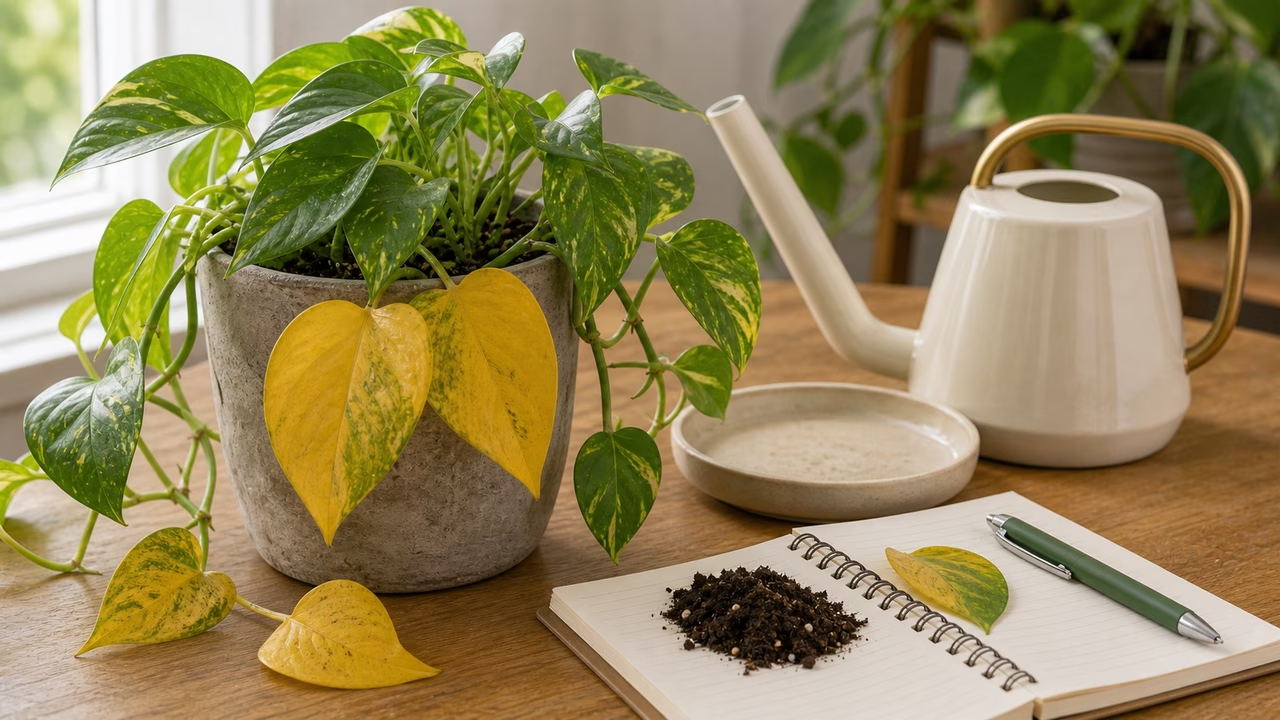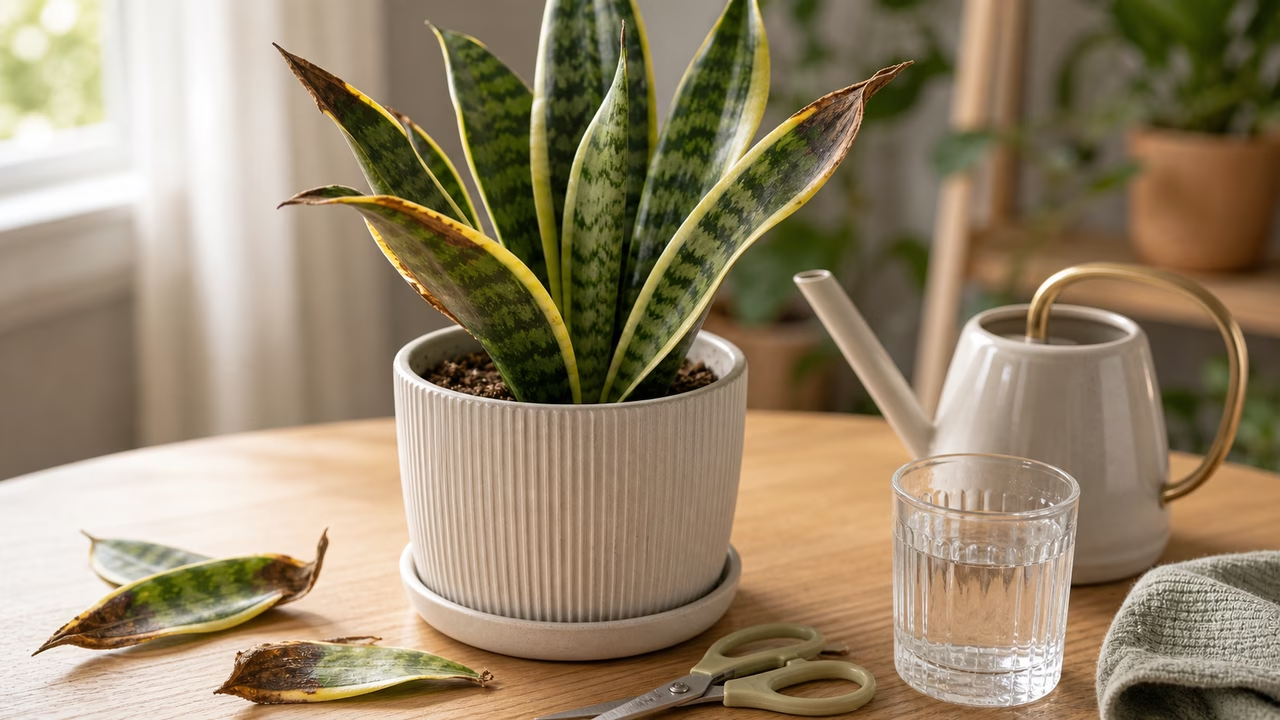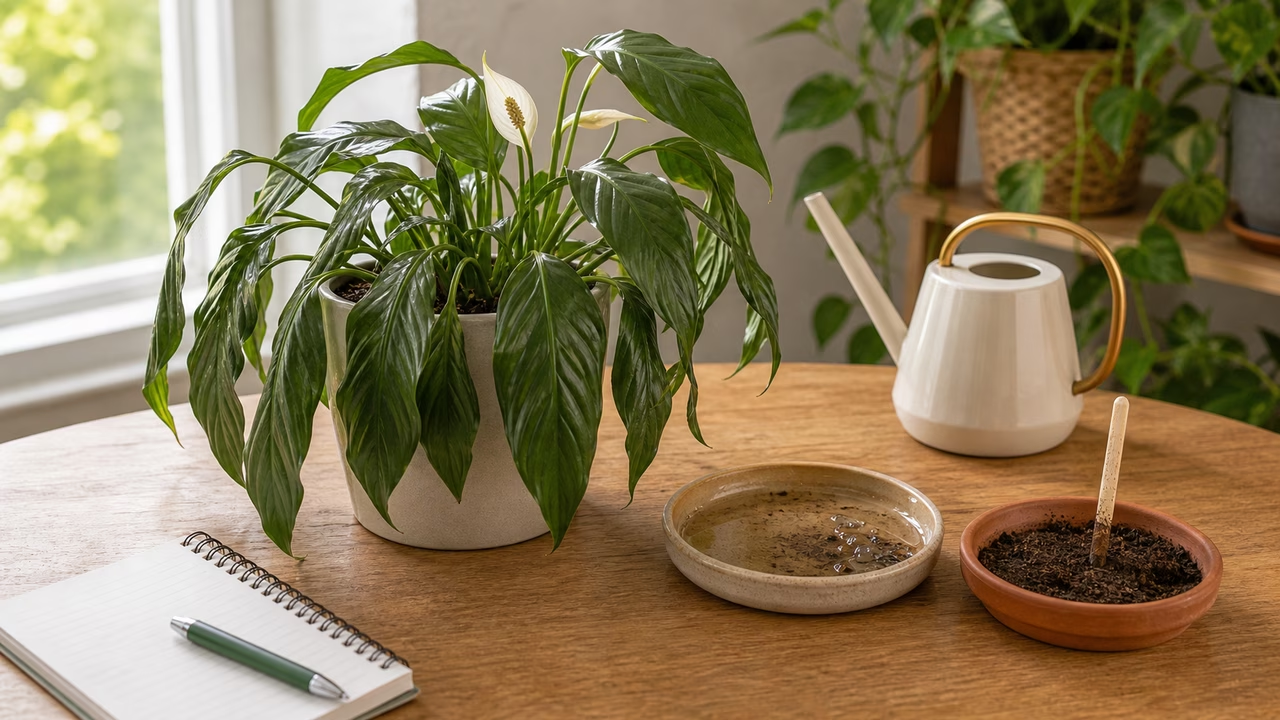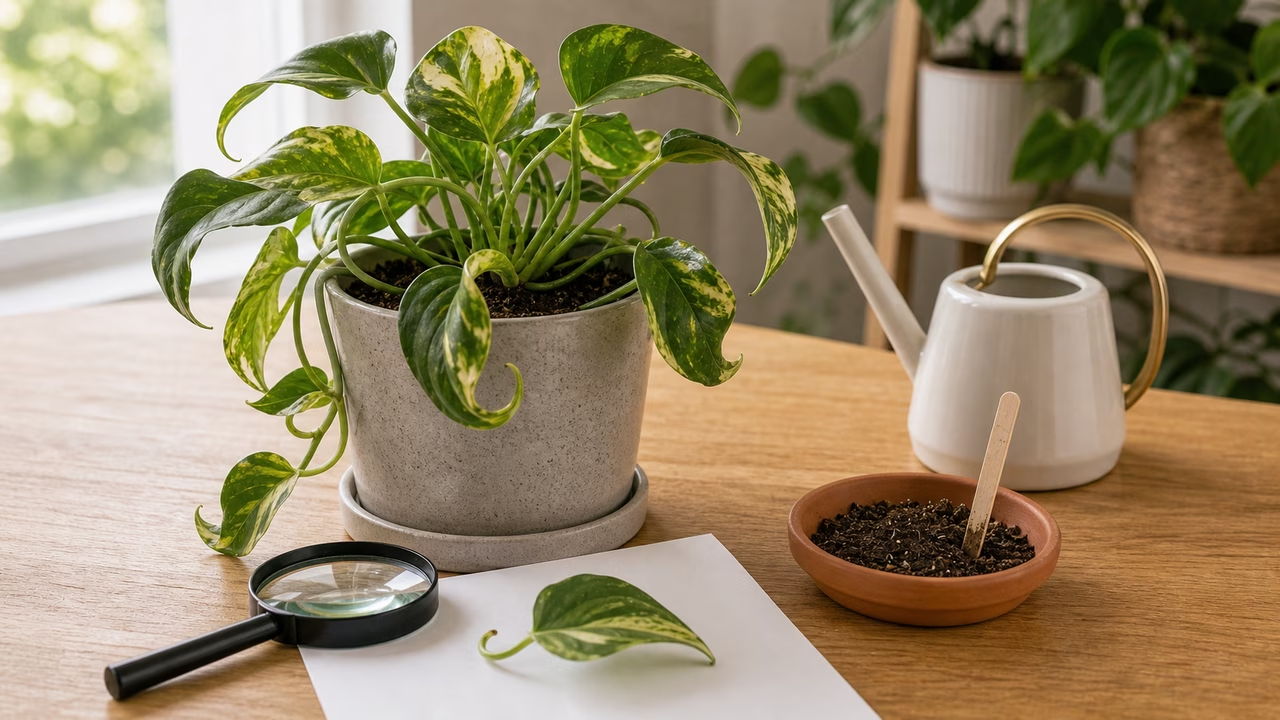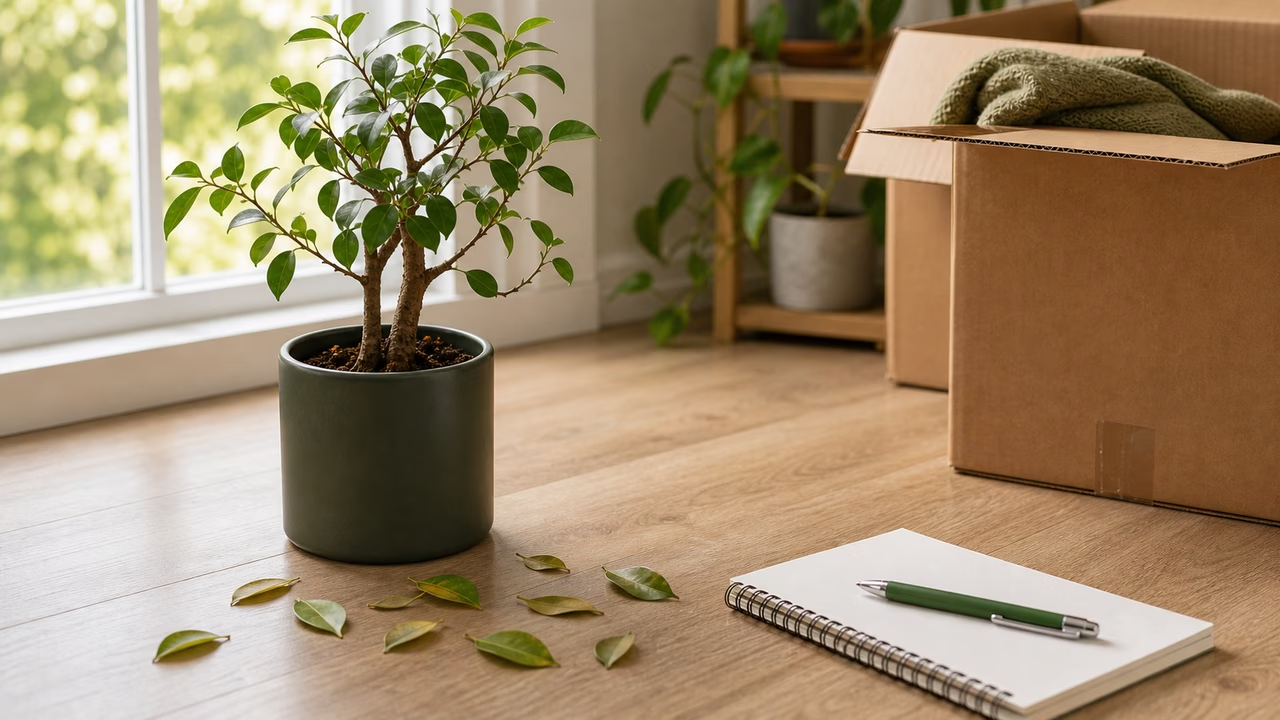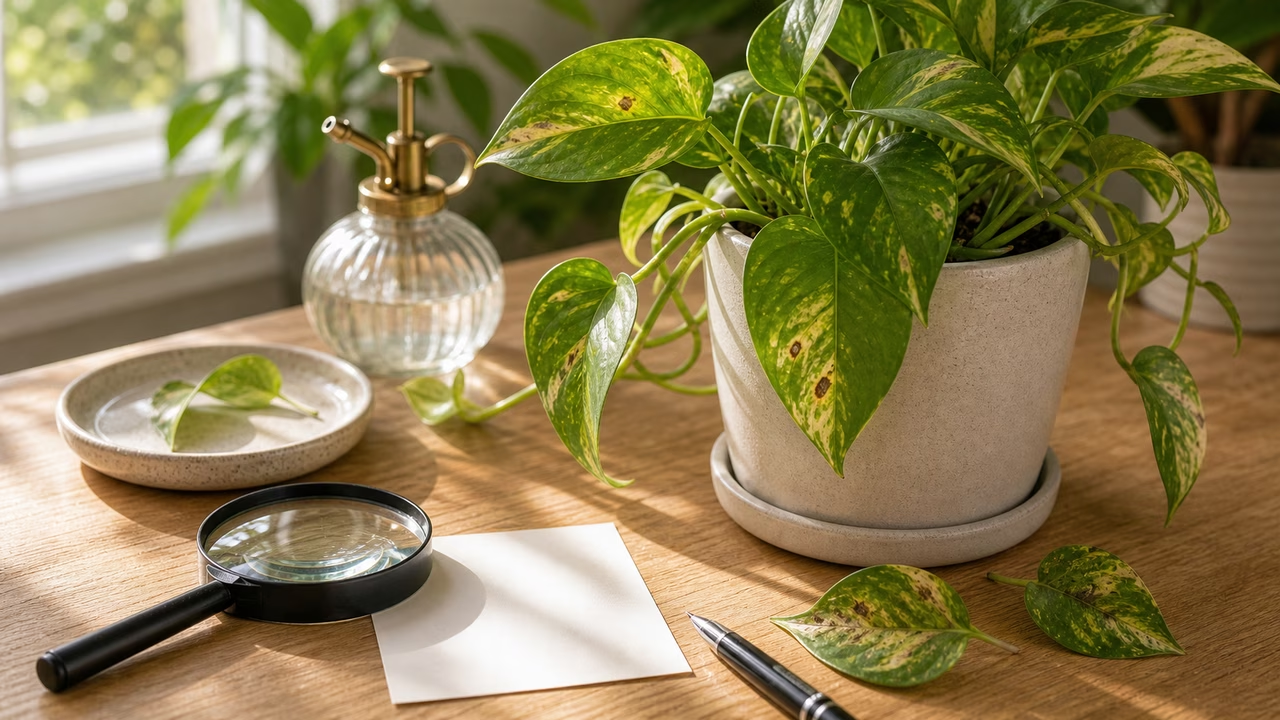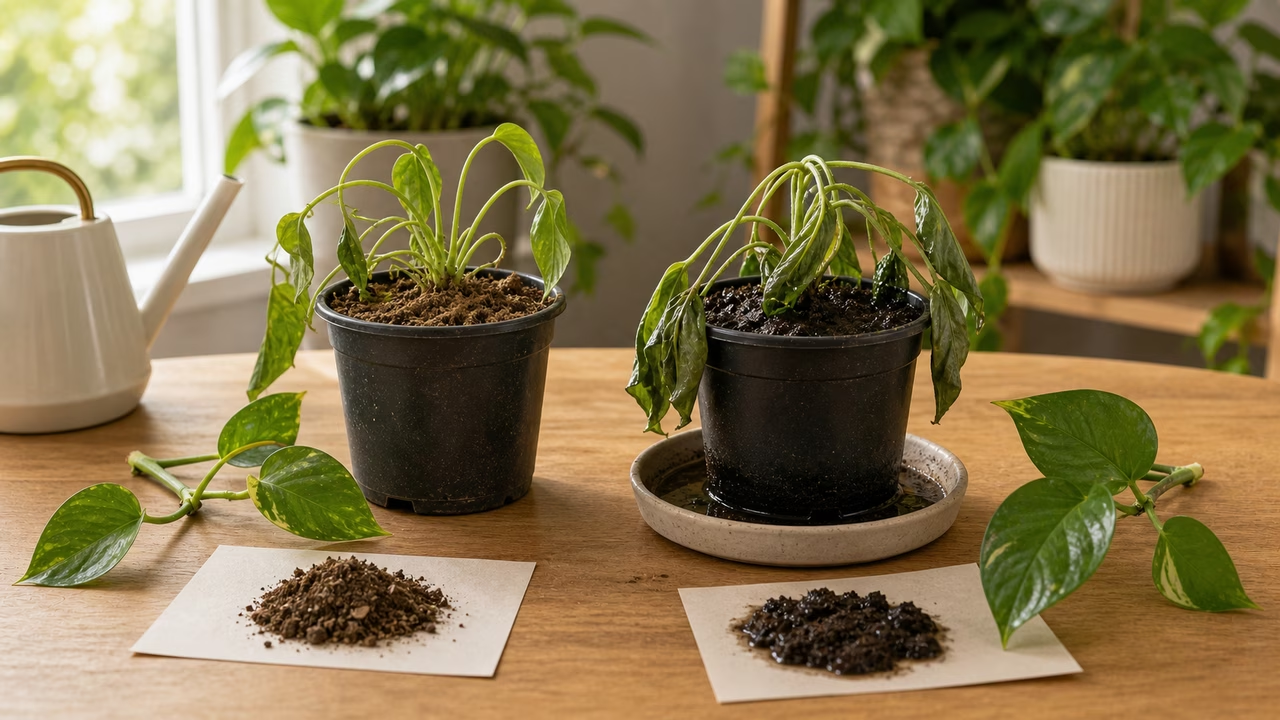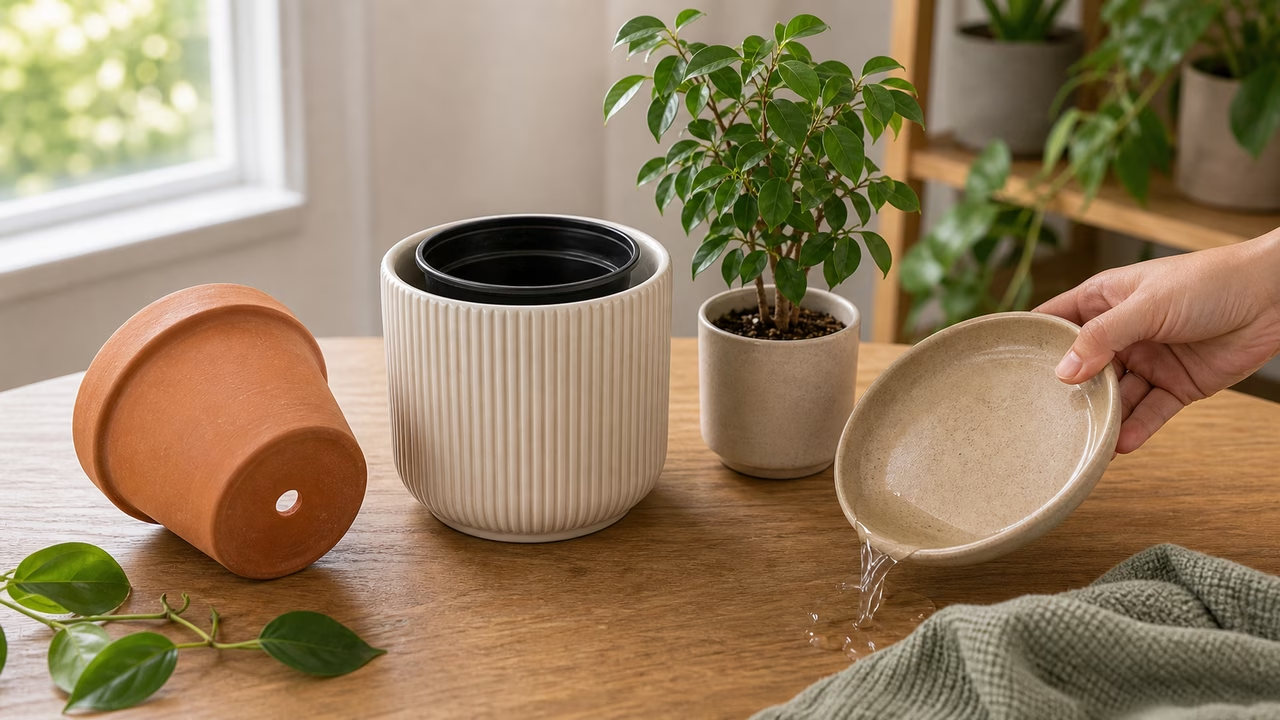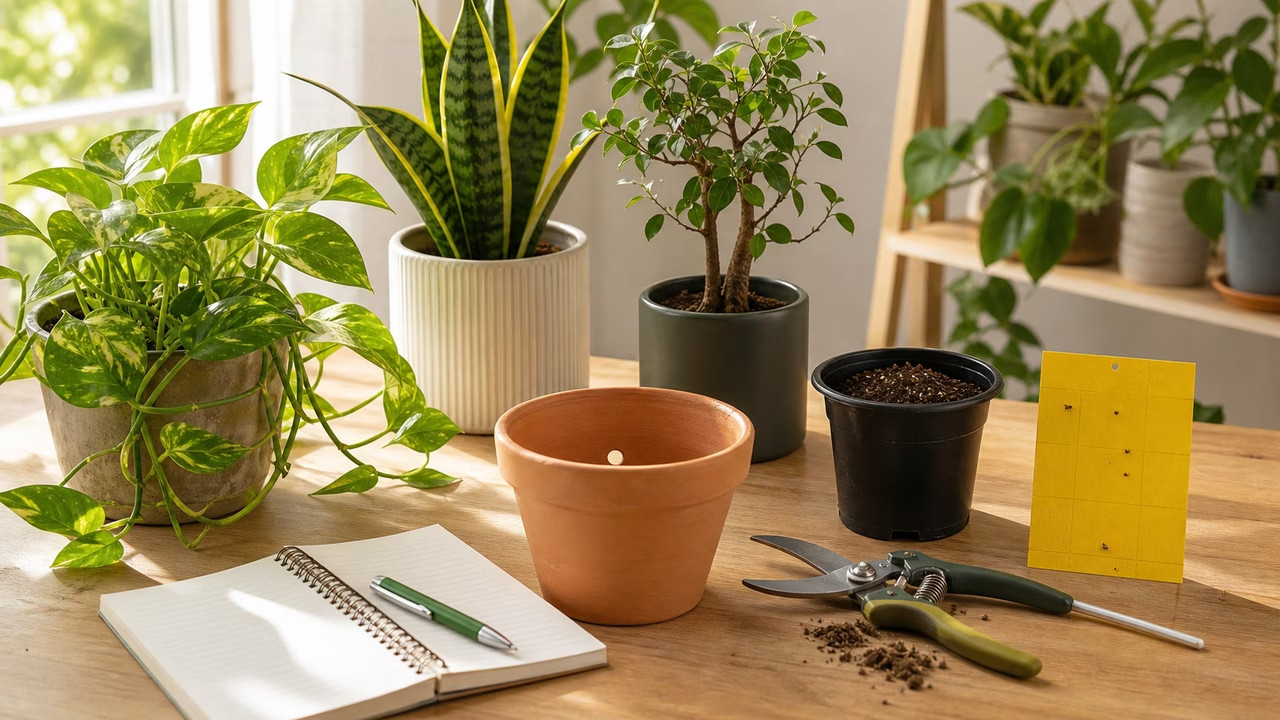
Root Cause is the clinic as a diagnostic problem: a plant with a hidden cause, one action per week, and examinations that cost you time you do not have. Overwatering, thirst, low light, mites, root bound and salt buildup all start out looking like yellow leaves.
Indoor plant care without guesswork. Learn to read leaves, light, soil, roots, pests, and pots before buying more stuff.
Jump straight into the Houseplant Clinic track in Learn with Fizz, then use the guidebooks when you want depth.
Houseplant Clinic is a practical, visual guide to the indoor plant decisions that beginners often overthink or overbuy: watering, window light, drainage, potting mix, repotting, pests, propagation, plant placement, and simple gear. The goal is not to turn a beginner into a botanist overnight. It is to help them observe calmly, choose the next safest action, and build plant care habits that are repeatable.
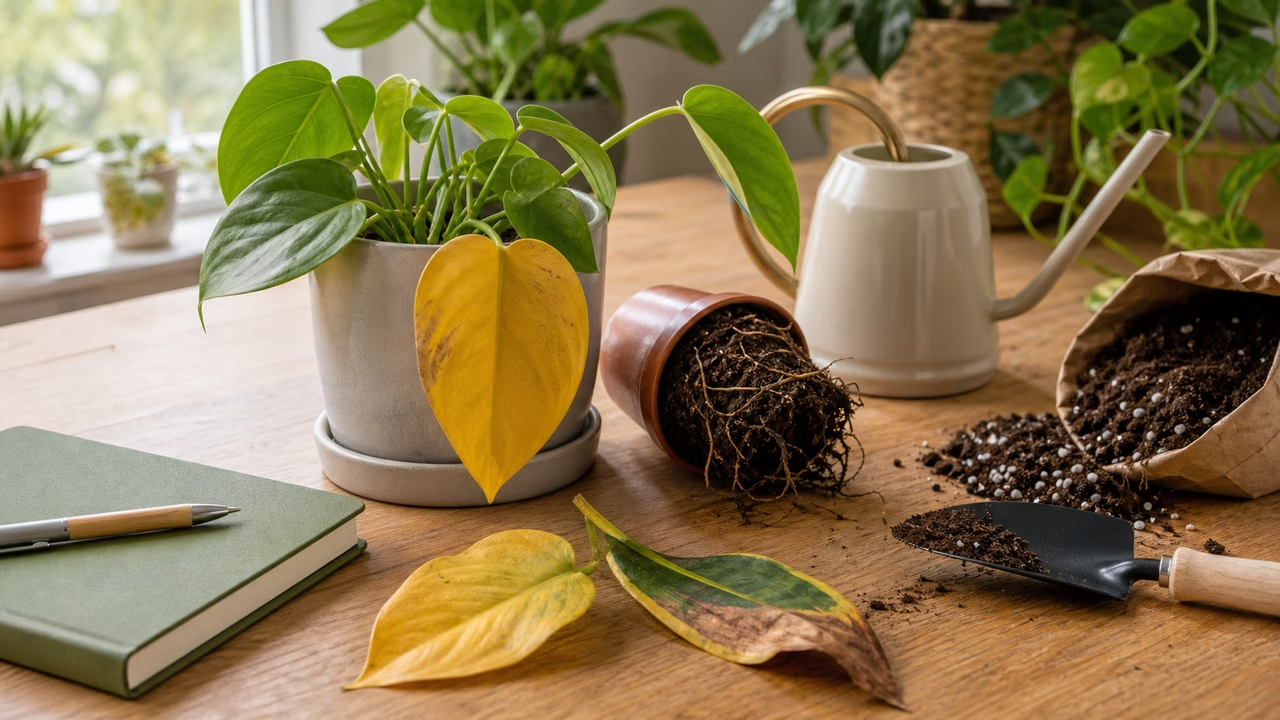
Plant, pet, and pesticide boundary
Houseplant Clinic is for everyday indoor plant care, setup, and beginner troubleshooting. It is not veterinary, medical, structural mold, or professional pest-control advice. For pet ingestion, pesticide exposure, serious mold, severe allergies, or unsafe infestations, contact the appropriate qualified professional. Always follow product labels for any pesticide or treatment product.
Start here
If you are new to indoor plants, begin with Houseplant Clinic for Beginners , then Stop Watering Houseplants on a Schedule , How to Check Indoor Plant Light , and New Plant Quarantine Checklist . If a plant already looks stressed, start with Yellow Leaves , Brown Tips , Drooping Leaves , or Overwatered vs Underwatered Houseplants . When the basics are in place, move to Repotting Without Panic , Fungus Gnats , Spider Mites , and Grow Lights for Houseplants .
Choose by task
First week setup, quarantine, light, watering, and simple tools.
Common causes, soil check, drainage, roots, light, and next safe step.
Water quality, dry air, salts, old leaves, and realistic expectations.
Dry soil, wet soil, heat, cold, root issues, and when to wait.
Fungus gnats, spider mites, mealybugs, scale, isolation, and labels.
Pot size, drainage, root-bound signs, timing, and recovery.
Plant placement, chewing risk, toxic plant caution, and safer routines.
Distance, timer, shelves, heat, cables, and realistic coverage.
Cuttings, nodes, water, soil, division, and when to pot up.
Use the clinic approach
Look first. Change one thing at a time. A yellow leaf does not automatically mean fertilizer. A drooping plant does not automatically need water. A new pot does not automatically solve a root problem. Start with what you can observe: soil moisture, light, drainage, recent changes, pests, roots, and season. Then make the smallest useful adjustment and give the plant time to respond.
Printable setup assets
Plant triage checklist
| Check | Notes |
|---|---|
| Symptom | Which leaves, stems, roots, or soil changed? |
| Soil | Dry, damp, wet, compacted, sour, or pulling from edges? |
| Light | Window direction, distance, curtains, season, and shadows. |
| Recent change | Move, repot, new plant, weather, pest exposure, or missed watering. |
Window light map
Draw each window, mark morning, midday, and afternoon sun, then place plants by actual light instead of room brightness.
Watering log
| Plant | Last watered | Soil check | Pot weight | Next note |
|---|
New plant quarantine checklist
Inspect leaves, stems, nodes, soil, pot, and neighboring plants. Keep the new plant separate for two weeks when possible.
Pest inspection sheet
Use a bright light, check leaf undersides, tap over white paper, note sticky residue, and record trap counts.
Repotting decision card
Repot only when roots, soil condition, drainage, or stability make a clear case. Avoid changing everything at once.
Plant sitter handoff template
List plant locations, watering rules, do-not-water plants, pet boundaries, and who to contact for urgent household issues.
Pet-aware plant placement map
Mark chewing routes, jumping paths, falling leaves, unstable shelves, and plants that need to move before a pet has access.
Grow light shelf checklist
Check light distance, timer, shelf rating, cords, heat, watering access, and whether every plant gets useful coverage.
Propagation notes card
Record parent plant, cutting date, node count, water or soil method, root progress, and pot-up date.
Guidebooks
Beginner indoor plant guidebooks for plant diagnosis, watering, window light, potting mix, drainage, repotting, pest prevention, propagation, pet-aware placement, plant profiles, grow lights, and gear choices.
Cross-topic paths
Use Pawstead when plant placement involves pets or chewing risk. Use Sleep Setup Lab for bedroom placement without unsupported sleep or air-purification claims. Use Home Energy Lab when grow lights, timers, smart plugs, or cable placement become part of the setup. Use Tiny Home Living when shelves, small rooms, and clear walking paths matter.