Zhoug-Style Green Hot Sauce
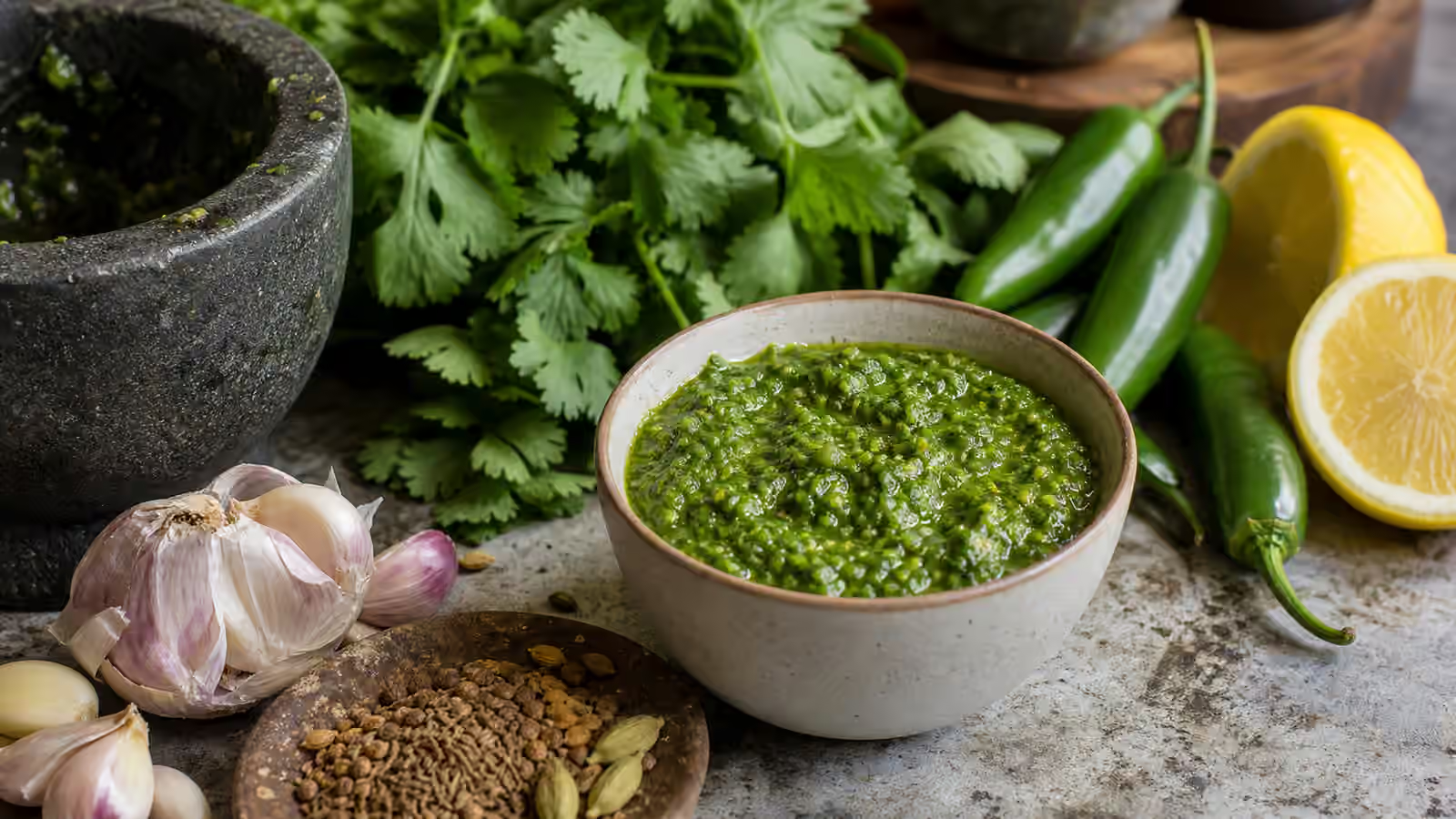
Zhoug-style green hot sauce is built around freshness with a warm spine. Green chiles bring the burn. Cilantro and other herbs bring lift. Garlic gives savoriness. Lemon or vinegar keeps the sauce awake. Cumin, coriander, cardamom, or black pepper can add a dry aromatic depth that makes the sauce feel different from a simple jalapeno blender sauce. The balance is delicate because every ingredient is loud.
This page sits near Fresh Green Hot Sauce and Herb-Forward Hot Sauce , but it fills a narrower gap. The zhoug-style direction is not just green heat. It is herb-heavy, spice-scented, and often spoonable. It belongs on eggs, roasted vegetables, grilled meat, falafel, beans, rice, sandwiches, yogurt, and anything that wants heat with a fresh edge rather than smoke or sweetness.
The Herbs Are The Body
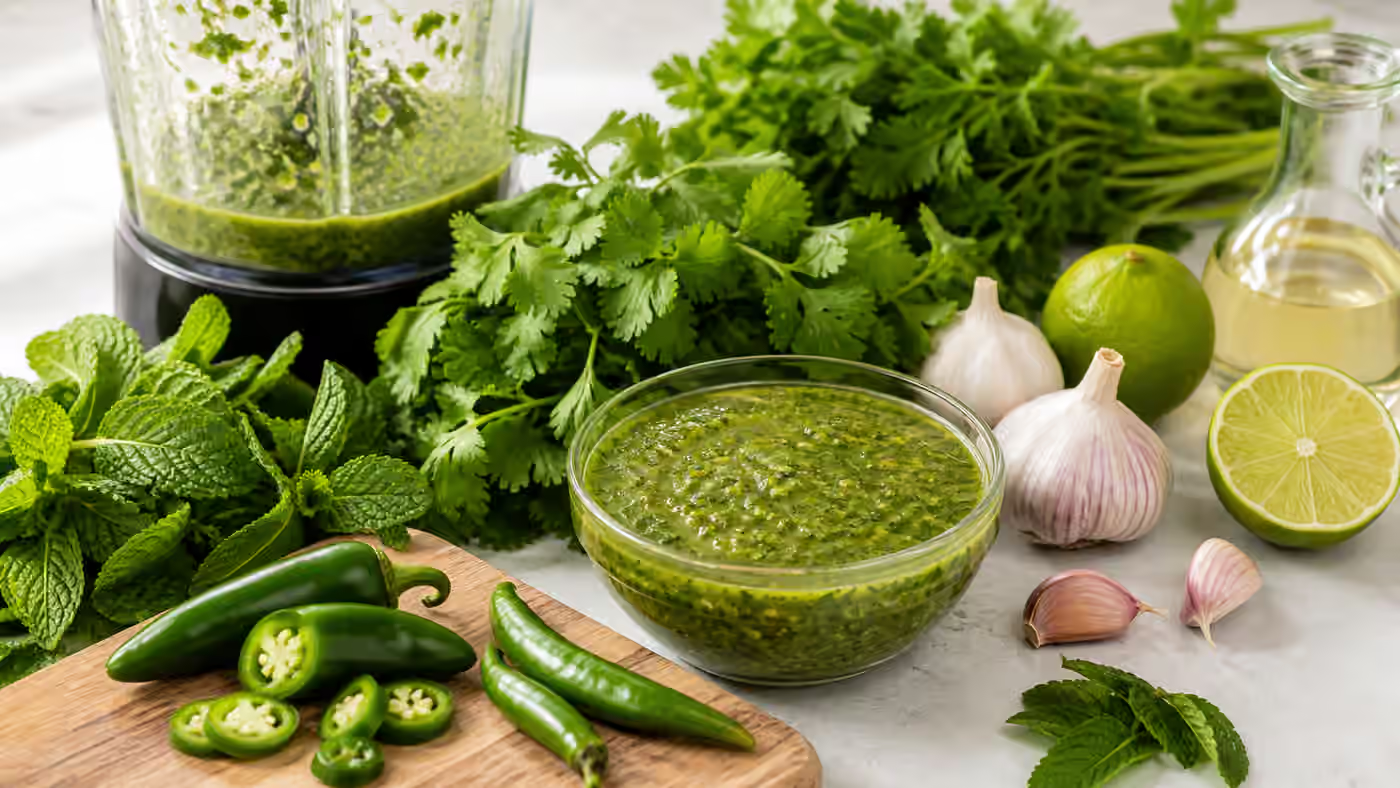
In many hot sauces, herbs are accents. In zhoug-style sauce, they are part of the structure. Cilantro is the usual center because it brings leaves, tender stems, and a bright green aroma that can stand up to chiles. Parsley can make the sauce cleaner and less polarizing. Mint can be beautiful in a small amount, especially with yogurt, lamb, cucumber, or grilled vegetables, but it can take over quickly. Dill and basil pull the sauce toward different cuisines and should be used only when that change is intentional.
Use more tender stems than you might expect. Cilantro stems carry strong flavor and blend well. Tough lower stems can taste fibrous, but tender stems help the sauce stay vivid. Leaves alone can make a pretty sauce that fades quickly. A mix of leaves and tender stems gives a deeper green flavor.
Herbs bruise, darken, and lose aroma when overheated. If you blanch chiles or garlic, cool them before blending with herbs. If the blender warms the sauce from friction, stop and let it rest. A slightly coarse texture is often better than a perfectly smooth sauce that tastes cooked by the machine.
Green Chiles Need Support
Jalapeno gives body and familiar heat. Serrano gives sharper brightness. Green Thai chiles or similar small peppers can make the sauce fierce, but they do not bring much flesh. Poblano can widen the texture with mild green depth, especially if briefly roasted, though too much roasted poblano will pull the sauce away from the fresh style. Green habanero can add a high floral burn, but it should be handled carefully.
The best pepper base often uses two roles: one chile for body and one for heat. Jalapeno plus serrano is a reliable pairing. Poblano plus serrano gives a softer, greener sauce. Serrano plus a small amount of green habanero creates a sharper, more aromatic version. If you are substituting based on what the market has, Pepper Substitutions for Hot Sauce is worth reading first.
Seeds and ribs are texture decisions as much as heat decisions. Some seeds make the sauce look and feel rustic. Too many can make it gritty. The pale ribs carry much of the heat, so trimming them lets you use more pepper flesh without making the sauce punishing.
Spice Should Be Toasted And Quiet
Warm spice is what separates zhoug-style sauce from many other green sauces, but too much turns it dusty. Cumin can make the sauce earthy and savory. Coriander seed adds citrus-like warmth. Cardamom gives a lifted aromatic note that can be wonderful or distracting. Black pepper adds a dry bite. Clove, allspice, and cinnamon can dominate quickly and should be treated with caution if used at all.
Toast whole spices lightly, then grind them before blending. The toast should smell fragrant, not dark. Burned cumin or coriander will make the sauce taste tired no matter how fresh the herbs are. If you only have ground spices, use less than your instinct suggests and taste after the sauce rests. Ground spice blooms over time in wet sauce.
Aromatics and Spices in Hot Sauce gives the broader rule: spices should point the pepper in a direction. They should not bury it. Zhoug-style sauce works when the spice hums underneath the herbs rather than announcing itself first.
Acid And Salt Keep The Green Notes Clear
Lemon is a natural fit because it makes herbs smell brighter. Vinegar can add a steadier acid line, especially if the sauce will sit for more than a day. Lime can work, but it changes the personality. The acid should make the sauce vivid without making it taste thin. Too much juice can make the herbs seem watery and the garlic seem raw.
Salt is just as important. Under-salted green sauce tastes like wet herbs with heat. Add enough salt and the cilantro becomes clearer, the chile tastes less detached, and the lemon seems more intentional. Because this sauce is often spooned generously, the salt should not be as forceful as a dropper-style vinegar sauce. Taste it on bread, rice, egg, potato, or yogurt to understand how it seasons food.
Garlic needs restraint. Raw garlic can make the sauce exciting in the first hour and harsh the next day. If you want the sauce to rest, consider using less raw garlic or softening it briefly. Garlic Hot Sauce Without Bitterness is useful if the finish keeps turning metallic.
Texture And Storage Are Part Of The Style
Zhoug-style sauce can be coarse or smooth, but it should not be watery. A coarse spoon sauce grips food and keeps herb character. A smoother version can be drizzled over bowls, eggs, and sandwiches. Oil can make the sauce richer and help carry spice, but it changes storage expectations and can make the sauce feel heavy if used without restraint. If you use oil, keep the batch modest and refrigerated unless you are following a tested process.
Fresh herb sauces are best treated as perishable kitchen condiments. Refrigerate them, use clean utensils, and make batches that match how quickly you eat them. Acid and salt improve flavor and can support storage habits, but they do not turn a fresh herb sauce into a shelf-stable product by wishful thinking. For broader handling, read Storage, Shelf Life, and Safety .
The finished sauce should taste green, hot, savory, and aromatic in that order. It should brighten rich food, make plain grains interesting, and bring herbs to the plate without becoming salad dressing. When zhoug-style hot sauce works, it has movement: fresh at first, warm underneath, sharp enough to keep reaching for, and textured enough to feel made rather than manufactured.