Working Clean With Hot Peppers
Hot sauce begins as a cooking project and quickly becomes a handling project. Peppers leave traces on knives, boards, fingers, towels, blender lids, faucet handles, and the outside of bottles. The burn is not a mystery once you remember that capsaicin behaves more like a stubborn oil than like a loose powder. It clings. It transfers. It waits until you touch your eye, rub your nose, taste with too much confidence, or hand someone a jar without wiping the rim.
Working clean does not mean treating peppers with fear. It means setting up the counter so the sauce stays enjoyable and the cleanup does not become the memorable part of the day. A small amount of preparation makes hotter peppers easier to use with good judgment. It also keeps the sauce itself clearer, because stray seeds, old cutting board flavors, dirty funnels, and rushed tasting can all push a batch in the wrong direction.
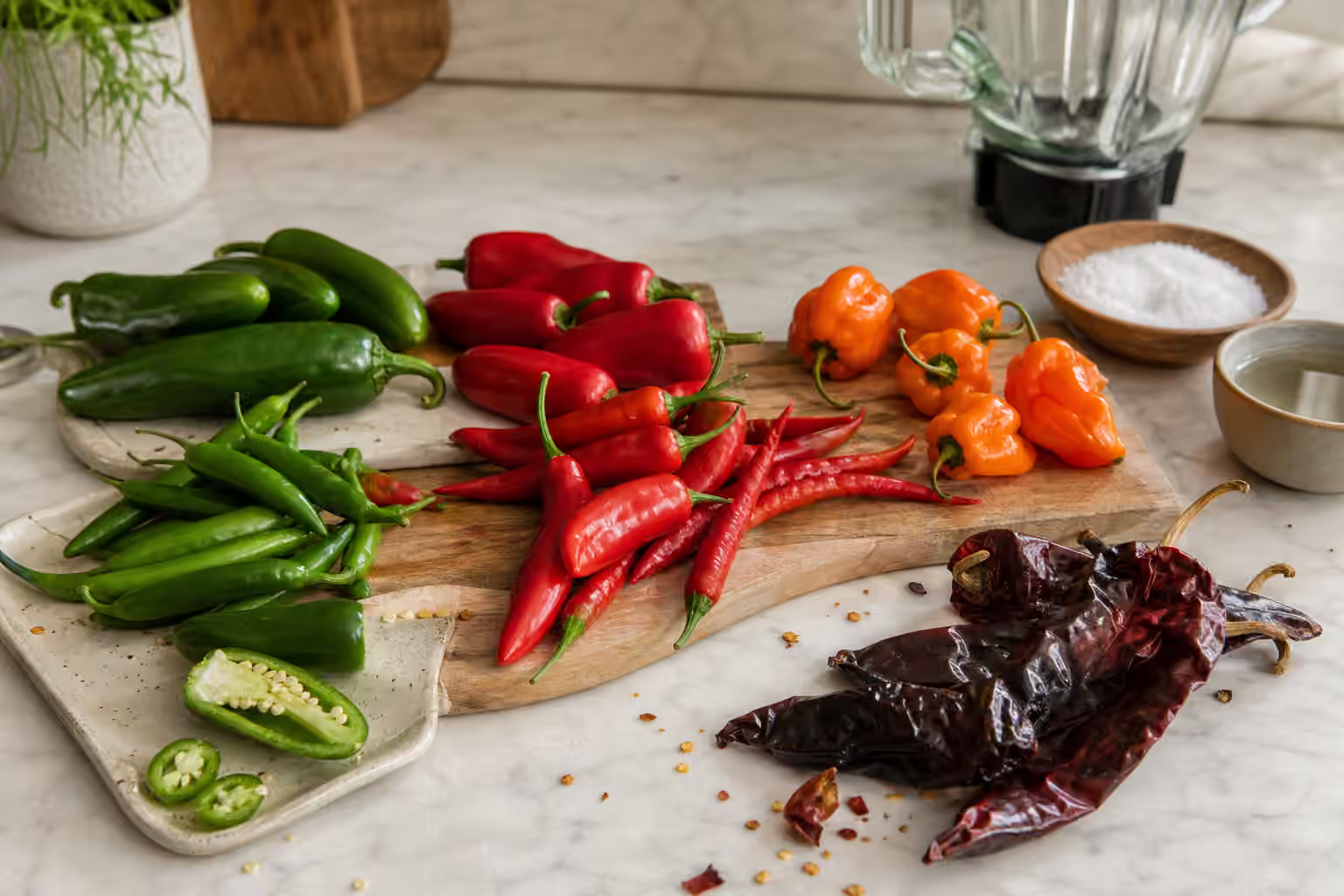
If you are still deciding how much heat belongs in the batch, read Pepper Anatomy and Heat Control before trimming. This page begins once peppers are on the counter and the question is how to move from raw chiles to a clean blend without spreading heat everywhere.
Set Up Before The First Cut
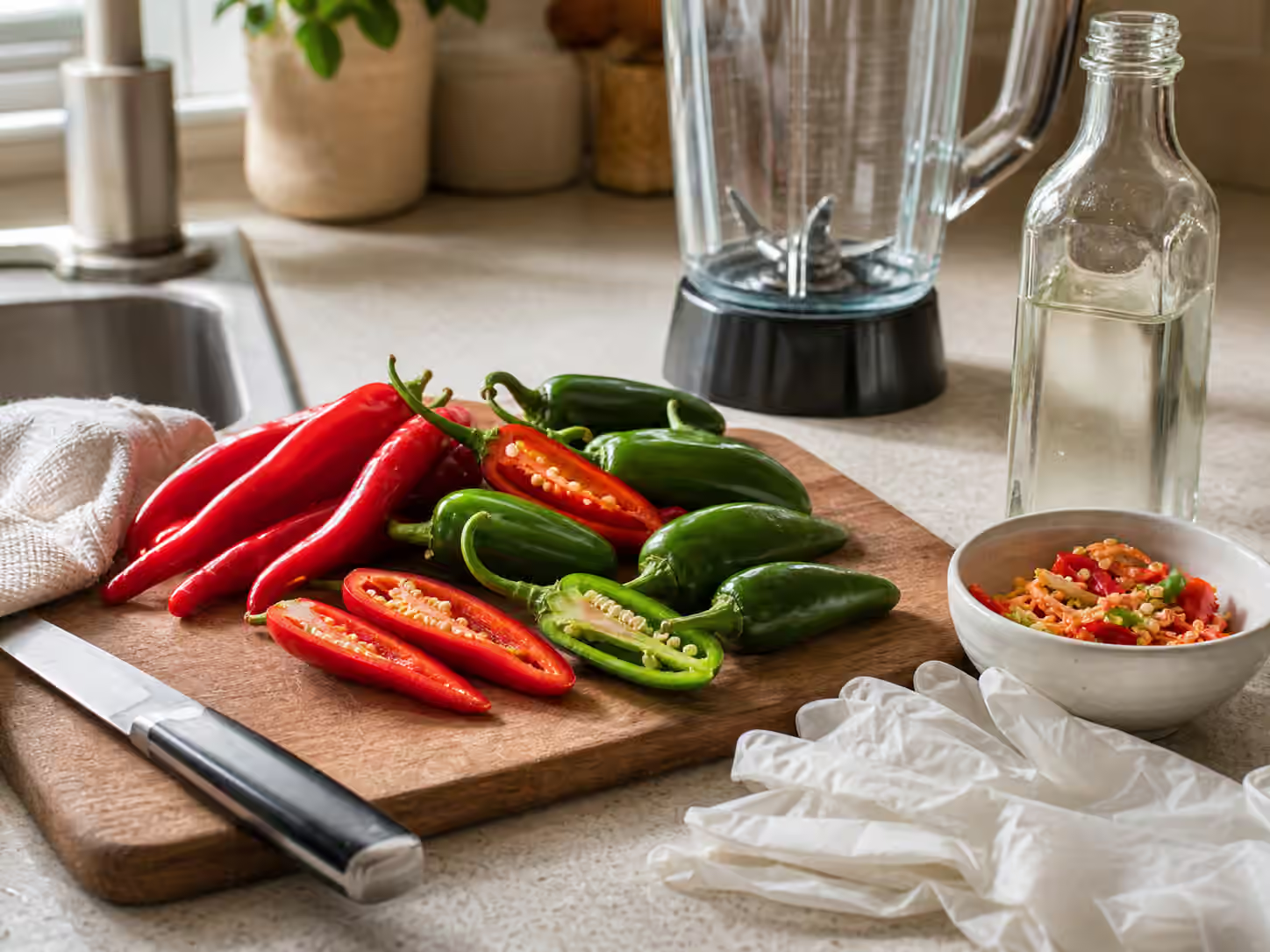
The best time to prevent pepper mess is before the knife touches the first chile. Clear more space than you think you need. Put the peppers, knife, board, trim bowl, towel, gloves, blender jar, and trash or compost container within reach. If you have to open drawers, move stacks of dishes, answer a phone, or search for a funnel while wearing peppery gloves, the capsaicin will travel with you.
A dedicated trim bowl helps more than it seems. Ribs, seeds, stems, and bruised spots can go straight into one place instead of scattering across the board. That matters because the inner ribs carry much of the heat and seeds drag bits of that tissue with them. One forgotten pile of seeds can turn a mild sauce hotter, gritty, or slightly bitter. The choice to include or discard them should be deliberate, not accidental.
Keep a damp towel nearby, but treat it as a tool, not as a napkin for your face or hands. Once it has wiped pepper juice from the counter, it belongs to cleanup. A paper towel can be useful for the first messy pass, especially with very hot peppers. A washable towel is fine for ordinary jalapenos, fresnos, serranos, and ripe red chiles, but only if it goes straight to the laundry afterward.
Gloves Are Useful, But They Are Not Magic
Gloves help because they give you a removable surface. They are most useful with habaneros, Scotch bonnets, Thai chiles, superhots, or any long trimming session where pepper juice would otherwise sit on your fingers. They also help when you are working with cuts or dry skin, where capsaicin can feel more persistent.
The mistake is treating gloves as a permission slip to touch everything. A peppery glove can contaminate the faucet, fridge handle, phone, spice jar, drawer pull, and blender buttons as easily as a bare hand. Once the gloves are on, stay inside the work zone. If you need to step away, remove them, wash your hands, and put on a fresh pair when you return. That small interruption is easier than chasing pepper oil around the kitchen later.
Gloves also affect knife control. Loose gloves can slide on wet peppers. If they feel clumsy, slow down and dry the pepper surface before cutting. A stable pepper is safer than a hurried pepper. For smaller chiles, cut a narrow slit first, open the pepper with the tip of the knife, and scrape with intention rather than wrestling a round, slippery chile under the blade.
Keep Heat Out Of The Air
Most pepper irritation comes from direct contact, but the air can matter too. A blender full of hot peppers, vinegar, and warm liquid can release sharp fumes when opened. A simmering pot of vinegar and chiles can make the room feel harsh. Toasted dried chiles can move from fragrant to irritating if they scorch. None of this means the sauce is unsafe to make at home, but it does mean ventilation and patience matter.
Blend warm sauces with respect. Let very hot mixtures cool enough that pressure is not building under the lid. Vent the lid according to your blender’s design, cover the opening with a towel, and start at a low speed before increasing. Do not lean over the jar when removing the lid. Steam can carry acid and pepper aroma straight into your face.
Cooking deserves the same restraint. A gentle simmer integrates peppers and aromatics; a hard boil can throw vinegar and capsaicin into the air while flattening fresh flavor. Cooked Hot Sauce covers flavor reasons to avoid aggressive boiling. The practical reason is simpler: the kitchen feels better when sauce is cooked calmly.
Separate Tasting From Handling
Tasting is where clean work often breaks down. You trim peppers, adjust salt, move a spoon between blender and plate, then forget which spoon touched raw pepper, which touched finished sauce, and which one went into your mouth. A few clean spoons solve the problem. Use one spoon to remove sauce from the blender and another to taste. If you are tasting repeatedly, rinse or replace the tasting spoon each time.
Tiny tastes are enough, especially with a new pepper or a sauce that might be hotter than planned. A full spoonful can overwhelm the palate and make every correction feel urgent. A dab on rice, egg, tortilla, potato, or bean gives better information with less drama. Heat Tolerance and Balance is useful here because tolerance is built by clear tasting, not by punishing yourself with large samples.
Do not taste from a knife, blender blade, or rim. It sounds obvious until the counter is busy and the sauce is exciting. Keep tasting boring. Boring tasting habits leave more attention for the sauce.
Clean The Work Zone In Stages
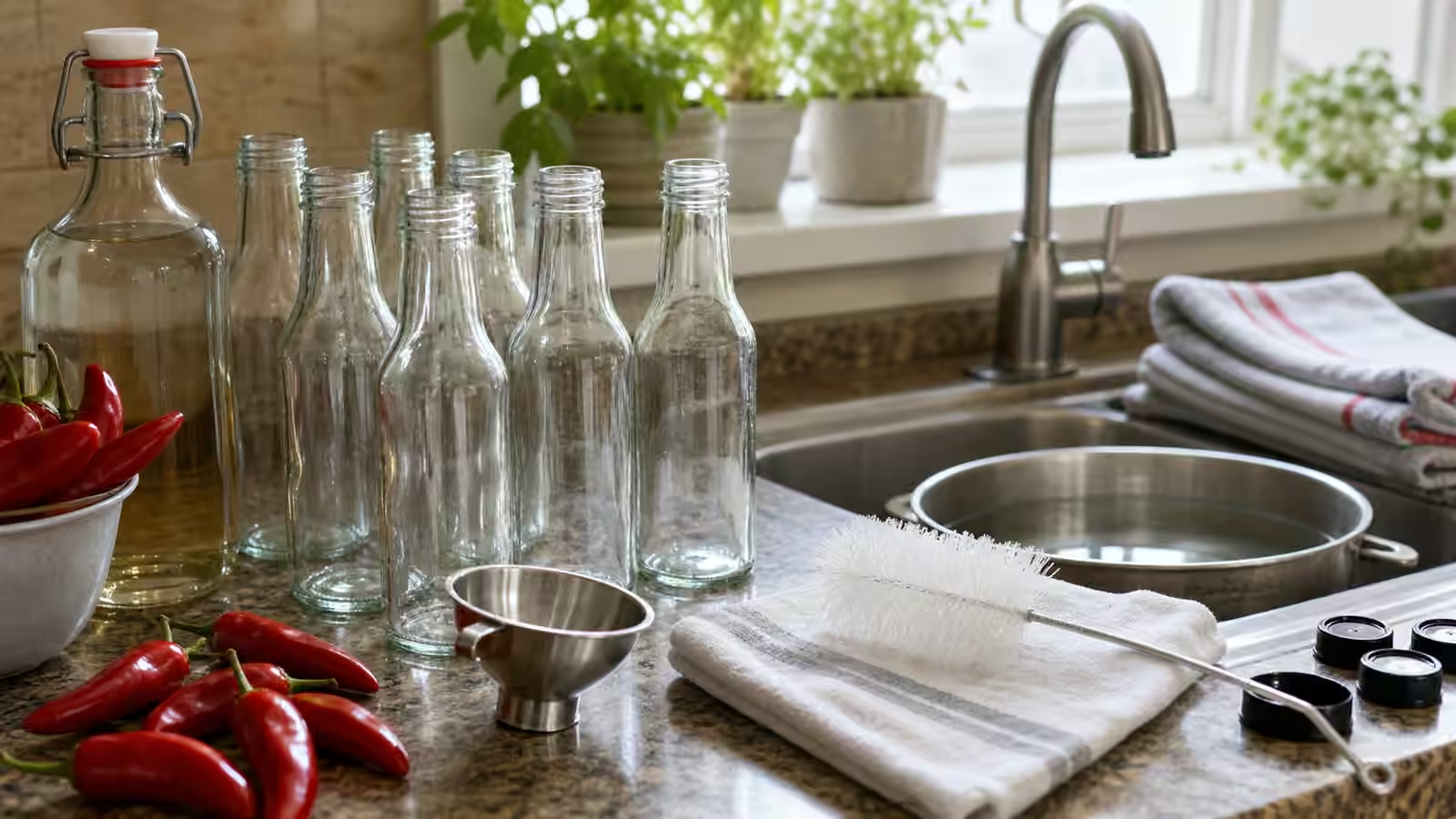
Cleanup works best in stages. First, gather stems, ribs, seeds, and scraps. Then wipe obvious pepper juice from the counter and board. Then wash knives, boards, blender parts, funnels, and bowls with hot soapy water. Finally, wipe the handles and nearby surfaces you touched during the process. The last step catches the places that do not look dirty but may still carry pepper residue.
Wooden boards and porous tools can hold aroma. They are not automatically wrong for peppers, but they need prompt washing and drying. Plastic boards are easier to scrub aggressively, especially after superhot peppers or strongly colored red sauces. If a board smells like garlic, onion, smoke, or old chile before you begin, use a cleaner board. Hot sauce already has enough aromatic decisions without inheriting last night’s dinner.
The blender needs special attention around the lid, gasket, blade base, and threads. Pepper seeds and pulp hide in tight spaces. A quick rinse may make the jar look clean while leaving hot residue where the next smoothie, soup, or mild sauce will find it. If the blender is shared with people who do not expect heat, wash it more thoroughly than pride says is necessary.
Match Cleanliness To The Sauce’s Future
A sauce you will eat at dinner tonight does not need the same process as a batch meant to rest in bottles for weeks, but both benefit from clean habits. Fresh sauces show off raw pepper aroma and also show off sloppy handling. Fermented and stored sauces need clean jars, clean tools, and sane storage decisions because time magnifies small mistakes. Cleaning Bottles and Equipment for Hot Sauce goes deeper on bottling, while Hot Sauce Storage and Safety explains conservative storage habits after the sauce is made.
Clean work is not only about avoiding discomfort. It gives you better sauce. Peppers stay intentional. Heat stays where you put it. Bottles look cared for. Notes become easier to trust because you know the batch was not accidentally changed by a handful of stray seeds, a dirty funnel, or a rushed taste. The counter ends the day ready for the next meal instead of broadcasting that hot sauce happened there.